

The efficacy of the Squatty Potty, a toilet-heightening device designed to facilitate a more natural defecation posture, has been a subject of growing interest and scientific inquiry. While widely adopted by consumers seeking relief from constipation and improved bowel regularity, its clinical impact and comparative advantages over other methods have been explored in recent research. The fundamental premise behind such devices rests on the physiological mechanics of defecation, which are significantly influenced by body positioning.
The Anorectal Angle: A Biomechanical Consideration
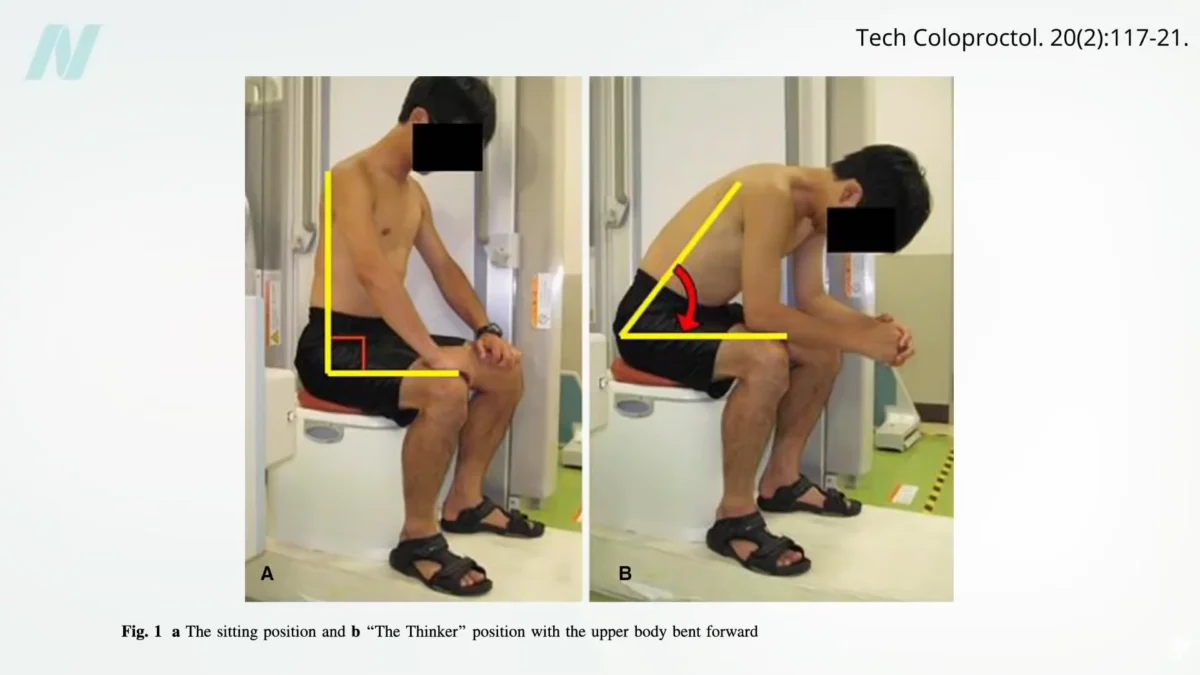
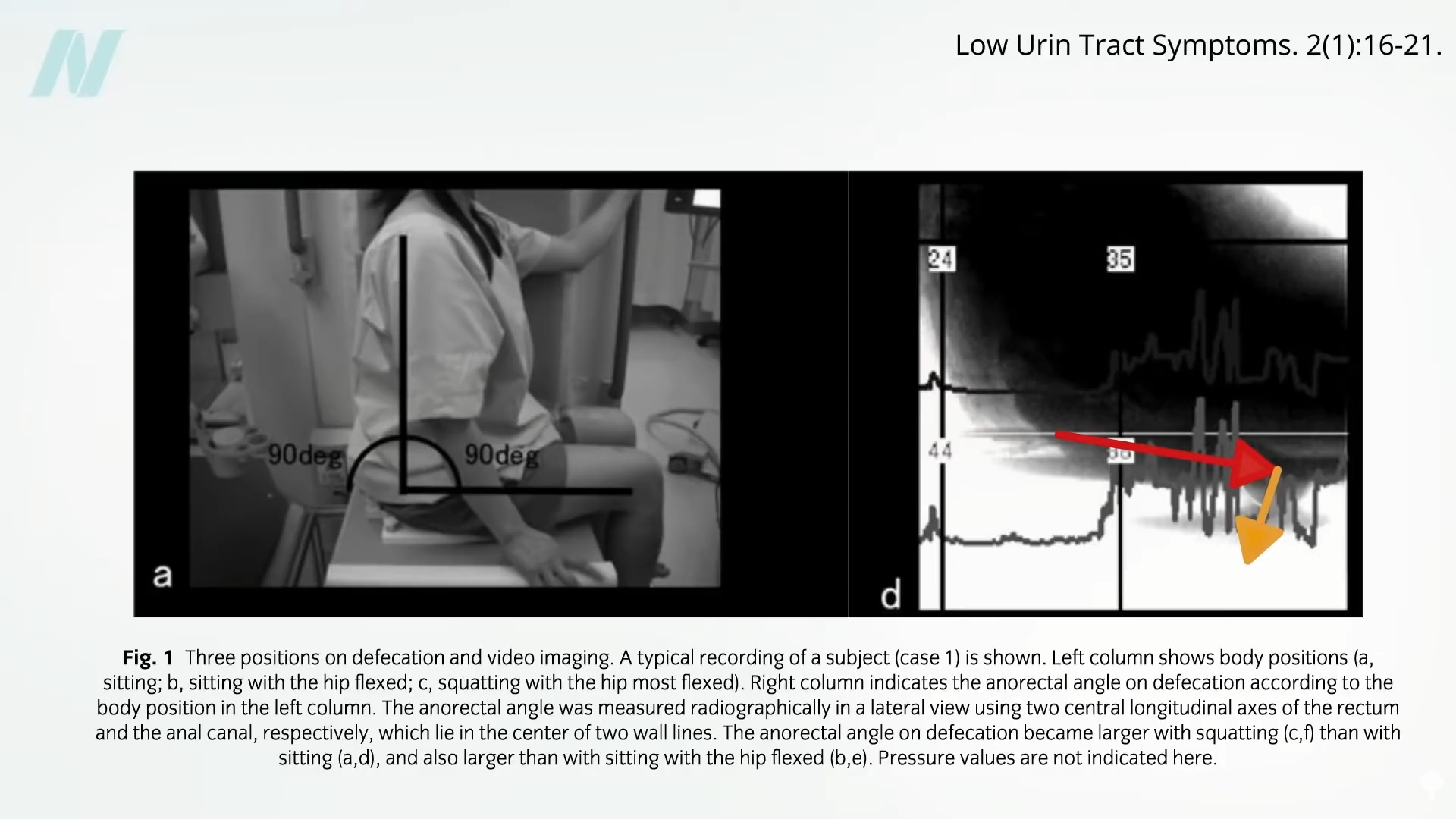
For centuries, and still prevalent in many cultures across Asia and Africa, squatting has been the traditional posture for bowel movements. This position naturally aligns the colon, rectum, and anus, creating a straighter path for waste elimination. In contrast, the Western-style seated toilet, adopted with the advent of modern plumbing, necessitates an upright or semi-upright posture. This sitting position, as illustrated in scientific diagrams and supported by medical imaging, results in a distinct "anorectal angle." This angle, a bend in the pathway of the rectum and anus, is approximately 90 degrees when sitting.
While this anatomical configuration serves a crucial purpose in preventing involuntary defecation when upright, it can impede efficient bowel emptying. The nearly 90-degree turn forces stool to navigate a more challenging route, potentially leading to incomplete evacuation and contributing to constipation. This biomechanical impediment has led to increased scrutiny of Western toilet habits and the exploration of alternative postures.
The Genesis of the Squatty Potty and its Predecessors
The concept of altering toilet posture for improved defecation is not entirely new. Prior to the widespread popularity of the Squatty Potty, simpler aids like footstools were suggested and tested. These devices aimed to elevate the user’s knees, bringing them closer to a squatting position while seated. However, studies evaluating these earlier interventions yielded mixed results. One notable research effort indicated that these rudimentary footstools, typically providing a modest four-inch elevation, did not significantly improve self-reported difficulty in defecation or reduce the average time spent on the toilet. This suggested that a more substantial alteration in posture might be required for a discernible effect.
Enter the Squatty Potty. Developed and popularized in the early 2010s, this product offers a significantly greater elevation than basic footstools, often doubling the height to around eight inches. Its design aims to more closely mimic the natural squatting posture, thereby straightening the anorectal angle. The company behind the product, founded by Bobby Edwards, has been a vocal proponent of the benefits of squatting for bowel health.
Clinical Trials and the Squatty Potty’s Performance
Recent research has begun to quantify the actual impact of devices like the Squatty Potty. A study implemented what was termed a "Defecation Posture Modification Device," a clear reference to products such as the Squatty Potty. The findings from this trial indicated a positive correlation between the use of such a device and improved defecation outcomes. Participants reported a greater sensation of complete bowel emptying, a reduction in the need to strain during bowel movements, and a decrease in the average time spent on the toilet – by approximately one minute.

However, the research also highlighted a potential downside: discomfort. A previous trial involving a six-inch riser, similar in principle to the Squatty Potty, found that the elevation caused such significant discomfort among participants that the study had to be abandoned. This suggests that while an increased angle may be beneficial, the comfort level of achieving that angle is a critical factor for user adoption and sustained use. The Squatty Potty’s success may lie in its design balancing effective elevation with a degree of ergonomic consideration.
Exploring Alternative Postures: "The Thinker" Position
Beyond specialized devices, researchers have also investigated alternative body positions that might achieve a similar physiological effect without the need for external aids. One such exploration focused on a posture inspired by Auguste Rodin’s famous sculpture, "The Thinker." In this position, individuals lean forward, placing their elbows on their knees.
Cleveland Clinic researchers conducted a study to evaluate the effectiveness of "The Thinker" posture for defecation. Utilizing a sophisticated imaging technique known as cinedefecography (a term that can be translated as "x-ray poop movie"), they were able to measure the anorectal angle. Their findings revealed that this leaning posture could open the anorectal angle to over 130 degrees. This represents a significant improvement compared to simply raising the feet while sitting, which, as noted, typically achieves an angle of around 90 degrees.
The implications of this research are substantial. "The Thinker" position appears to be a more efficient method for defecation, potentially offering a natural and accessible solution for individuals experiencing constipation. While this posture has not yet been formally studied in large-scale trials specifically for constipation relief, its biomechanical advantages suggest a promising avenue for future investigation and public health recommendations.
The Risks of Straining and the Importance of Position
The act of straining during defecation carries significant health risks. Bearing down excessively can lead to a spike in blood pressure in the heart and brain, increasing the likelihood of serious cardiovascular events such as heart attacks and strokes. In some populations, such as Japan, straining during bowel movements has been identified as a daily activity most frequently occurring at the time of death. Individuals who are bedridden or have limited mobility may be particularly vulnerable, as they often rely on bedpans, which can necessitate the most challenging defecation position – lying flat on the back.
This underscores the importance of facilitating the easiest possible bowel movement, even for those with mobility issues. Encouraging individuals to sit up in bed, rather than remaining flat, can significantly reduce strain on the cardiovascular system and mitigate these risks.
Diet Versus Plumbing: A Broader Perspective
While the debate over sitting versus squatting and the efficacy of devices like the Squatty Potty is important, it is also crucial to consider the broader context of dietary influences on bowel health. A nearly 50-year-old commentary highlighted that individuals who traditionally squat due to a lack of modern plumbing often consume less refined, more natural foods. These diets are typically higher in fiber, which is a critical component for promoting regular and effortless bowel movements.
The argument presented is that by increasing dietary fiber intake, individuals can achieve effortless defecation without necessarily needing to alter their toilet plumbing. This perspective suggests that a shift in dietary habits, focusing on whole, unprocessed foods, could be as, if not more, impactful than changes in defecation posture. The implication is that a well-balanced, fiber-rich diet can empower the body’s natural processes, rendering extreme postural adjustments less critical.
Future Directions and Public Health Implications
The ongoing research into defecation posture and its impact on bowel health has several significant implications. Firstly, it challenges the long-held assumptions about the adequacy of Western toilet design for optimal physiological function. Secondly, it validates the traditional wisdom of cultures that have long employed squatting for defecation.
The development and popularization of products like the Squatty Potty represent a consumer-driven response to a recognized health concern. Clinical studies are now beginning to provide objective evidence of their benefits, while also identifying potential drawbacks such as discomfort. Simultaneously, research into alternative, non-device-dependent postures like "The Thinker" offers accessible and cost-effective solutions.
Ultimately, a comprehensive approach to promoting bowel regularity and preventing constipation likely involves a multi-faceted strategy. This includes:
- Dietary Modifications: Emphasizing high-fiber foods, adequate hydration, and avoiding processed items.
- Posture Awareness: Educating individuals about the biomechanics of defecation and encouraging postures that promote a straighter anorectal angle, whether through devices or simple behavioral adjustments.
- Medical Consultation: Encouraging individuals experiencing chronic constipation or straining to consult with healthcare professionals, as underlying medical conditions may be present.
The "unmentionable bodily function" of defecation is, in fact, a critical indicator of overall health and well-being. As scientific inquiry continues to shed light on the intricacies of this process, a more informed and effective approach to promoting digestive health is emerging, moving beyond the limitations of traditional plumbing and embracing the wisdom of both ancient practices and modern scientific understanding.

