

The professional landscape of the fitness and strength conditioning industry has undergone a radical transformation over the last decade, transitioning from a localized, gym-based service to a globalized digital economy. As the barrier to entry for personal training remains relatively low, industry veterans and educational bodies are increasingly focused on defining the specific traits that separate high-level practitioners from the broader market. While aesthetic markers or social media presence often dictate public perception, a deeper analysis of the industry reveals five critical pillars that define long-term professional success: active coaching experience, psychological adaptability, sophisticated communication methodologies, a commitment to perpetual education, and the rejection of unsustainable "hustle" culture.
The Practicality Gap: The Vitality of In-Person Coaching
The advent of social media and the subsequent acceleration of digital services during the 2020-2022 global pandemic created a paradox within the fitness industry. While digital platforms have allowed coaches to scale their businesses to thousands of clients, there is a growing concern regarding the "de-skilling" of the profession. Industry data suggests that the transition to "online-only" coaching by practitioners who lack a foundation in physical, hands-on instruction may lead to a deficit in technical proficiency.
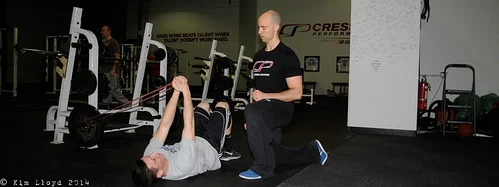
Professional strength coaches argue that the nuances of human movement—such as the micro-adjustments required during a heavy deadlift or the subtle shift in a client’s center of mass during a squat—are best learned in a live environment. The "integrity of experience" requires a coach to spend significant time on the gym floor, observing a diverse range of body types and biomechanical limitations. According to industry analysis, coaches who maintain at least 15 to 20 hours of in-person instruction per week report higher levels of "coaching intuition" compared to those who operate exclusively through screen-based interfaces. This foundational skill set is viewed as a prerequisite for effective remote coaching; if a professional cannot troubleshoot a movement in person, the likelihood of them doing so effectively via a high-latency video connection is significantly diminished.
The Psychology of Coaching: Navigating Introversion and Extroversion
A common misconception in the fitness sector is that successful coaching requires a high-energy, extroverted personality—often referred to as the "cheerleader" archetype. However, contemporary psychological assessments of top-tier coaches suggest that a blend of personality traits is more effective for long-term client retention.
While extroversion can be an asset in high-energy group environments or for initial client recruitment, introversion is increasingly recognized as a "quiet strength" in the professional setting. Introverted coaches often excel in active listening and patience, traits that are essential for working with clients who may feel intimidated by traditional gym environments. Professional development seminars now frequently include modules on "personality-matched coaching," encouraging practitioners to embrace their natural dispositions rather than forcing a performative persona. This shift recognizes that "coaching burnout" is often a result of personality-role misalignment, where introverted individuals exhaust their mental resources by attempting to maintain an extroverted facade for 40 hours a week.
The Science of Communication: External Cues and Autonomy Support
The methodology of instruction has evolved from simple "telling" to a sophisticated science of motor learning. Experts like Nick Winkelman, author of The Language of Coaching, and communication specialist Brett Bartholomew have popularized the shift from internal to external cueing.
- Internal Cueing: Focuses on specific body parts (e.g., "Squeeze your glutes").
- External Cueing: Focuses on the outcome or the environment (e.g., "Drive the floor away").
Research in the field of motor learning consistently demonstrates that external cues have greater "sticking power," allowing the athlete’s nervous system to organize movement more efficiently without overthinking the mechanics.
Beyond cueing, the industry is moving toward a "Pull" versus "Push" coaching hierarchy. "Push coaching" involves the trainer providing all the answers and instructions, creating a dependency relationship. In contrast, "Pull coaching" utilizes Socratic questioning and paraphrasing to help the client solve their own movement problems. This approach aligns with Self-Determination Theory (SDT), which posits that fostering autonomy and competence leads to higher levels of intrinsic motivation and long-term adherence. The goal of the modern professional is to educate the client to the point of self-sufficiency, rather than fostering a permanent reliance on the trainer for basic decision-making.
The Pedagogy of Performance: The Mandate for Perpetual Learning
The strength and conditioning field is characterized by rapidly evolving research in physiology, biomechanics, and nutrition. A hallmark of the industry’s most respected figures—such as Dan John, Mike Boyle, and Ali Gilbert—is a documented commitment to continuing education despite decades of experience.
In many professional sectors, such as medicine or law, continuing education units (CEUs) are a mandatory requirement for licensure. In the fitness industry, while organizations like the National Strength and Conditioning Association (NSCA) require CEUs, the most successful coaches go beyond the minimum requirements. Data from industry surveys indicate that the highest-earning and most-respected coaches are those who invest significantly in workshops, seminars, and diverse reading lists outside of their immediate niche. This culture of humility—the willingness to admit when a previous methodology was flawed and to pivot based on new evidence—is a primary indicator of professional longevity.
Deconstructing the "Grind" Culture: Sustainability and Burnout
Perhaps the most significant challenge facing the fitness industry is the high turnover rate of personal trainers. Statistics show that a large percentage of new trainers leave the profession within the first 24 months. This "burnout cliff" is often attributed to the "hustle" or "grind" culture, which glorifies 4:00 AM wake-up calls and 14-hour workdays.
While a high work ethic is necessary for business growth, industry analysts warn that the "rise and grind" mentality is a "diminishing returns" strategy. A coach’s cognitive function, empathy, and technical observation skills decline as the workday extends. A trainer working their twelfth hour of the day is objectively less effective than they were during their first hour.
Furthermore, the misappropriation of the term "grinding" to describe routine professional tasks has been criticized for devaluing the genuine hardships faced in other sectors. Professionals are now advocating for a "sustainability model" that prioritizes:
- Structured Recovery: Ensuring the coach has adequate sleep and downtime to maintain mental acuity.
- Value-Based Pricing: Moving away from trading hours for dollars toward results-based or package-based models to reduce the need for excessive floor hours.
- Emotional Boundaries: Recognizing that coaching is a form of emotional labor that requires periodic recharging.
Broader Impact and Industry Implications
The professionalization of coaching traits has significant implications for the healthcare continuum. As the medical community increasingly looks toward "exercise as medicine" to combat chronic lifestyle diseases, the demand for highly competent, professional strength coaches will grow. If the industry can move away from superficial markers of success and toward the rigorous standards of communication, psychology, and perpetual education outlined above, it will secure its place as a vital component of the public health infrastructure.
In summary, the "successful" coach of the future is not merely the one with the most followers or the lowest body fat percentage. It is the practitioner who maintains a physical presence on the gym floor, adapts their psychological approach to the client’s needs, masters the science of motor learning, remains a perpetual student of the craft, and builds a sustainable business model that avoids the pitfalls of professional burnout. This holistic approach ensures not only the success of the coach but, more importantly, the long-term health and performance of the clients they serve.

