

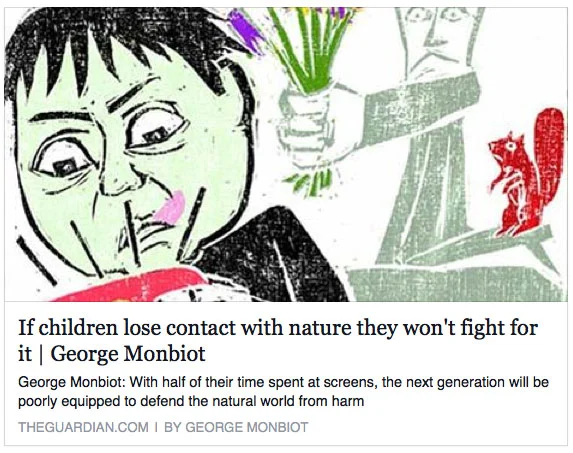
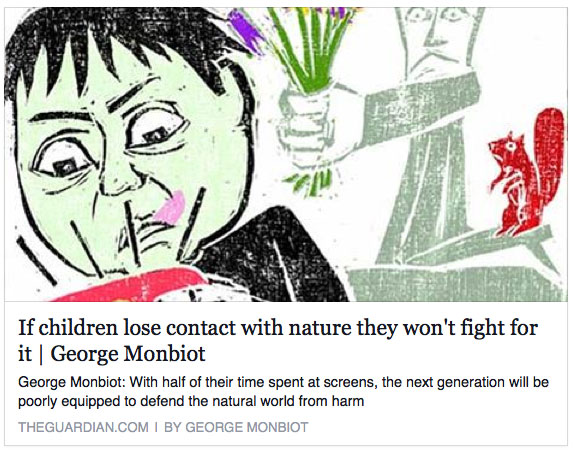
A recent commentary published in the UK’s The Guardian by journalist and environmental activist George Monbiot has ignited a discourse on the perceived disconnect between contemporary youth and the natural world, and its potential ramifications for future environmental stewardship. While Monbiot’s central thesis – that a lack of firsthand engagement with nature may diminish a generation’s drive to protect it – has resonated widely, the article’s attribution of this phenomenon predominantly to the pervasive influence of digital screens has drawn a nuanced counter-perspective.
Monbiot’s article, published in November 2012, posited that the increasing immersion of children in digital environments, characterized by on-screen engagement, has led to a significant reduction in their direct interaction with natural landscapes. He argued that this detachment, stemming from altered play patterns and a shift in leisure activities, creates a generation less likely to develop a profound appreciation and emotional connection to the environment. Without this intrinsic bond, Monbiot suggested, the motivation to actively defend and conserve nature would inevitably wane, posing a significant threat to long-term conservation efforts.
The argument, while compelling in its premise, has been met with a more complex understanding of the factors influencing children’s relationship with nature. While acknowledging the undeniable shift in children’s lifestyles, some observers contend that attributing the problem solely to digital media represents an oversimplification of a multifaceted issue. They point to broader societal and structural changes that have fundamentally altered children’s freedoms and their access to the natural world, suggesting that digital platforms, while a component, may also offer avenues for reconnecting with nature.
The Shifting Landscape of Childhood and Nature Engagement
The decline in direct outdoor play and nature interaction among children is a trend supported by various studies and anecdotal evidence globally. A 2005 report by the UK’s National Trust, for instance, highlighted that children spent, on average, less than half the time outdoors compared to their parents at the same age. This trend has been exacerbated by a confluence of factors, including increased urbanization, perceived safety concerns regarding outdoor play, and the rise of organized, often indoor, extracurricular activities.
The advent and widespread adoption of digital technologies, particularly the internet and mobile devices, have undeniably reshaped how children spend their leisure time. Screen-based activities, ranging from video games and social media to educational apps and online content, offer readily accessible entertainment and social interaction. This has led to concerns that children are spending more time indoors, disconnected from the physical environment and the sensory experiences that direct engagement with nature provides.
However, the argument that digital screens are the sole or primary culprit overlooks the deeper societal shifts that have contributed to this disconnect. The shrinking of private gardens, the reduction of publicly accessible green spaces in urban areas, and the decline of unsupervised play due to safety concerns have all significantly limited opportunities for children to spontaneously interact with nature. Furthermore, changes in educational curricula, with a greater emphasis on standardized testing and indoor learning, may also play a role in reducing children’s exposure to natural environments.
Digital Platforms as Potential Bridges to Nature
Countering the prevailing narrative of digital media as solely detrimental, some experts and educators suggest that these same platforms can, in fact, serve as powerful tools for fostering a connection with the natural world. The argument here is not to replace direct experience but to supplement and inspire it.
For individuals who may not have immediate access to diverse natural environments, or for those who, like the author of the original commentary, are introverted or face physical limitations, digital resources can offer an entry point into the wonders of nature. High-quality documentaries, interactive online educational programs, virtual nature walks, and photography shared on social media can ignite curiosity and spark a desire for firsthand exploration.
The visual and interactive nature of digital media can be particularly effective in capturing the attention of young audiences. Engaging content that showcases the intricate beauty of ecosystems, the fascinating behaviors of wildlife, or the awe-inspiring grandeur of natural landscapes can serve as a powerful precursor to real-world experiences. These digital "books" and "journeys" can inspire a sense of wonder and mystery, much like traditional books did for previous generations, but with the added advantage of multi-sensory engagement.
The Essential Role of Direct Experience
Despite the potential of digital platforms, the consensus among environmental educators and psychologists remains that direct, embodied experience with nature is crucial for developing a deep and lasting connection. This perspective emphasizes that while digital content can inform and inspire, it cannot fully replicate the sensory richness, the physical challenges, and the emotional resonance of being immersed in the natural world.
The tactile experience of soil, the scent of pine needles, the sound of a bird’s song, the feeling of wind on the skin – these are all fundamental to building an intimate relationship with nature. Such experiences foster a sense of belonging and interconnectedness, which are vital for cultivating a sense of responsibility towards the environment. As the original commentary notes, "we protect what we know and love." This protection is often born from a personal history of discovery, joy, and even struggle within natural settings.
Therefore, the goal should not be to demonize digital media but to integrate it strategically and thoughtfully into broader efforts to reconnect children with nature. This involves leveraging digital tools to supplement and enhance, rather than replace, outdoor experiences. For instance, apps that identify plants and animals can be used during nature walks, or online communities can be formed to share outdoor adventures and conservation efforts.
Implications for Conservation and Environmental Activism
The implications of a generation’s diminished connection to nature for environmental activism are significant. If younger generations do not develop a profound appreciation for the natural world, the pool of future advocates, scientists, policymakers, and engaged citizens committed to environmental protection will likely shrink. This could lead to a decline in public support for conservation initiatives, a weakening of environmental regulations, and a slower response to escalating ecological crises.
The argument that children are the future stewards of the planet underscores the urgency of addressing this disconnect. Without a vested interest, born from personal experience and emotional connection, the motivation to fight for environmental causes may be significantly reduced. This is not merely an abstract concern but a practical challenge for ensuring the long-term health of ecosystems and the planet.
However, the understanding that digital engagement can also foster nature connection offers a glimmer of hope. By embracing a more holistic approach that recognizes the dual role of both physical and digital engagement, it may be possible to cultivate a new generation of environmentally conscious individuals. This requires a concerted effort from educators, parents, policymakers, and technology developers to create a landscape where nature connection is fostered through a diverse range of experiences, both online and offline.
A Call for Integrated Approaches
The discussion surrounding children’s contact with nature and the role of digital media highlights the need for integrated and adaptable strategies. Instead of a binary opposition between the natural and the digital, a more productive approach would involve finding synergies between them.
This could include:
- Developing digitally-enhanced outdoor learning programs: Integrating technology into outdoor education to make it more engaging and informative, such as using augmented reality to visualize ecological processes or GPS-enabled scavenger hunts in natural settings.
- Promoting responsible digital citizenship around nature: Encouraging online sharing of nature experiences that emphasizes respect for the environment and avoids exploitation or harm. This could involve promoting citizen science projects that utilize digital platforms for data collection and sharing.
- Creating accessible digital resources: Ensuring that high-quality, inspiring nature content is readily available to all children, regardless of their geographic location or socioeconomic background.
- Advocating for policy changes: Supporting initiatives that increase access to green spaces, promote outdoor play, and integrate nature-based learning into school curricula.
Ultimately, the goal is to ensure that children develop a deep and abiding love for the natural world, equipping them with the passion and knowledge necessary to become its fervent protectors. Whether this connection is initially sparked by the rustling of leaves or the glow of a screen, the critical outcome is the cultivation of a lifelong commitment to the planet. The challenge lies in navigating the complexities of the modern world to ensure that this vital connection is not lost but nurtured in all its forms. The message that "we are all of the land, and belong to it," whether consciously recognized or not, needs to be conveyed through a multiplicity of creative avenues, ensuring that the future guardians of our planet are well-equipped and deeply motivated.

