

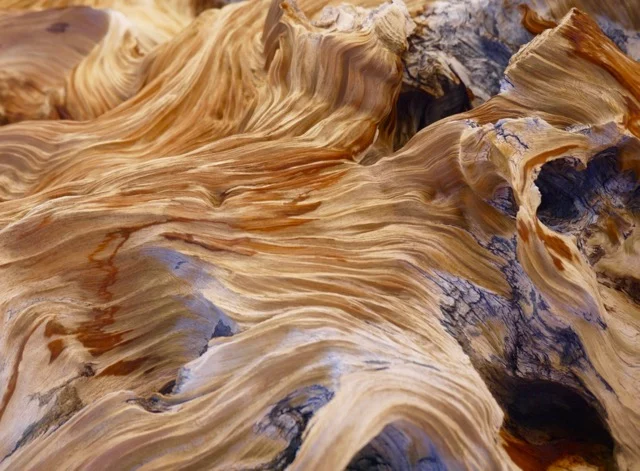
For over eighteen months, a rich dialogue has unfolded between the ecopsychology community and David Malinsky, a multifaceted artist whose work encompasses writing, photography, and a profound connection with the natural world. Malinsky has cultivated a particular reverence for the Great Basin Bristlecone Pines (Pinus longaeva), ancient and resilient trees that he affectionately terms his "Old Friends in High Places." His recent communications offer a deeply personal, yet universally resonant, perspective on the intrinsic beauty and philosophical lessons embedded within the exploration of these venerable beings.
Malinsky’s reflections, shared through his correspondence, invite readers to consider the act of exploration not merely as a physical journey, but as a profound spiritual and psychological undertaking. He posits that venturing into the unknown, particularly in the realm of nature, represents one of the most noble pursuits of the human spirit. While fixed objectives offer the certainty of accomplishment, they also inherently limit the scope of experience. Malinsky draws an analogy to archery: a precisely aimed arrow, upon hitting its mark, has completed its trajectory. He suggests that while the arrow itself is a tool designed for a specific purpose, the archer’s identity should not be confined by the arrow’s arc. This philosophical stance encourages an embrace of the journey over the destination, a mindset that has guided his deep engagement with the Bristlecone Pines.
The Ancient Sentinels of the Great Basin
The Great Basin Bristlecone Pine is a species renowned for its extraordinary longevity and resilience. These trees inhabit the harsh, high-altitude environments of the western United States, typically found between 9,000 and 11,000 feet (2,700 to 3,350 meters) in arid, windswept regions of California, Nevada, and Utah. Their ability to survive for millennia in such challenging conditions—characterized by thin, alkaline soils, extreme temperatures, and scarce water resources—is a testament to their remarkable evolutionary adaptations.
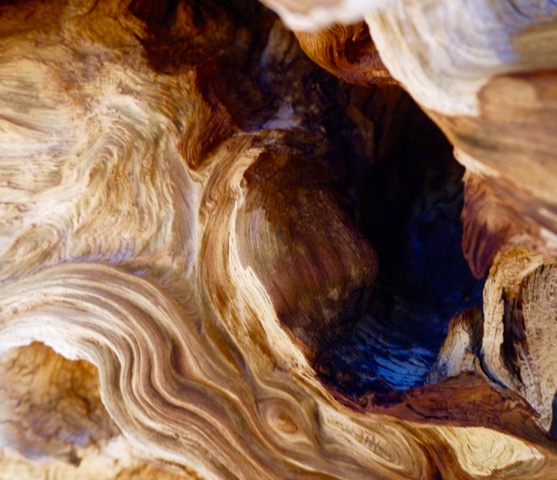
The oldest known living organisms on Earth are often found among these ancient pines. Methuselah, a Great Basin Bristlecone Pine located in the White Mountains of California, was for many years recognized as the oldest non-clonal organism, dated to approximately 4,855 years old. Another specimen, identified as "Old Hara," has been dated to over 5,000 years. These trees are not merely biological specimens; they are living historical records, bearing witness to millennia of climatic changes, geological shifts, and the ebb and flow of human history. Their gnarled, twisted forms, sculpted by relentless winds and the slow passage of time, evoke a sense of profound wisdom and endurance.
A Philosophical Framework for Exploration
Malinsky’s reflections transcend simple admiration for these ancient trees. He articulates a philosophy of exploration that emphasizes open-mindedness and a willingness to embrace the expansive nature of experience. "Without narrowing the focus on the bullseye," he writes, "there can be so much to see, much that will be missed if our sights are too confined. You do not have to reduce all of this to a single place; there is room in your consciousness for all of it, if you allow it in." This sentiment underscores the importance of cultivating a broad perspective, one that allows for the absorption of diverse sensory input and the appreciation of interconnectedness.
He further elaborates on the transformative power of venturing beyond predetermined goals. "It is in taking a path beyond established targets that you begin the journey of yourself," Malinsky observes. This journey, he suggests, is one where the external "Where" gradually merges with the internal "Who." As one progresses, a growing sense of self and an enhanced appreciation for the surrounding environment emerge. This symbiotic development, where personal growth is intertwined with a deeper connection to nature, leads to the most significant discoveries, rendering conventional maps obsolete. "Your path has no end, for both you and Nature are constantly evolving," he notes, advocating for a trust in the natural world that allows for exploration of life’s intricate pathways with anticipation rather than apprehension.
The Symbolic Significance of Darkness and Light
Malinsky’s insights extend to navigating the uncertainties and perceived challenges encountered on these exploratory journeys. He suggests that encountering what might appear as "darkness" should not be met with fear. Instead, he proposes that such instances represent merely areas currently devoid of illumination. By approaching these situations with an "open spirit," the path can lead to a place of profound self-realization, where the explorer becomes the source of light. This metaphorical framing highlights the potential for growth and understanding that arises from confronting the unknown and embracing the process of illumination.
Connecting with the "Old Friends"
Malinsky’s engagement with the Great Basin Bristlecone Pines is not a solitary endeavor. He actively seeks to foster a community of like-minded individuals. Those interested in joining this ongoing conversation, sharing their own experiences, or offering feedback are invited to contact David Malinsky directly via email at [email protected] to be added to his listserve. This invitation signifies a commitment to collaborative learning and shared appreciation for the natural world and its profound lessons.
The Ecological and Scientific Context
The study and preservation of Great Basin Bristlecone Pines are subjects of significant scientific and ecological interest. Their extreme longevity makes them invaluable for paleoclimatology, providing researchers with data on past climate conditions through the analysis of their annual growth rings. Dendrochronologists can reconstruct historical weather patterns, drought cycles, and even past volcanic events by examining these ancient trees.
Beyond their scientific utility, Bristlecone Pines play a vital role in their high-altitude ecosystems. They provide habitat and food sources for specialized flora and fauna adapted to these harsh conditions. Their ability to thrive in nutrient-poor soils also contributes to soil stabilization and the prevention of erosion in fragile alpine environments.
Conservation efforts for these unique trees are crucial. Threats include climate change, which can alter the delicate balance of their ecosystems, and human impact, such as increased visitation to sensitive areas. Protecting their habitats ensures that these ancient sentinels can continue to stand as living monuments for future generations.
Broader Implications: Nature as a Teacher
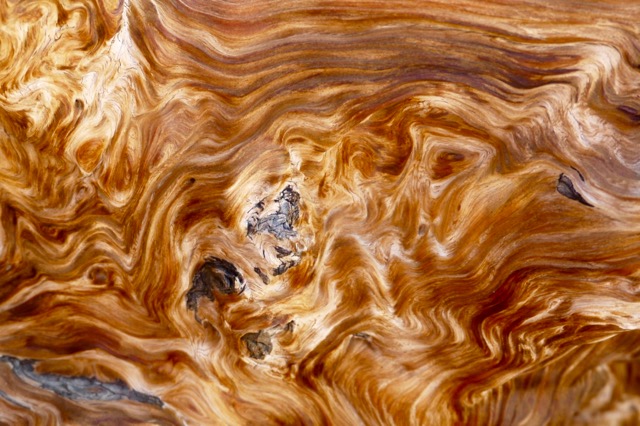
David Malinsky’s perspective on the Great Basin Bristlecone Pines offers a powerful lens through which to view our relationship with the natural world. His emphasis on embracing the unknown, finding joy in the journey, and recognizing the inherent wisdom of ancient life forms resonates deeply in an era often characterized by rapid change and a perceived disconnect from nature.
The philosophical insights gleaned from observing these resilient trees can be applied to numerous aspects of human life. In a world that often prizes immediate results and quantifiable achievements, Malinsky’s philosophy encourages patience, perseverance, and a deeper appreciation for processes that unfold over extended periods. His work suggests that by cultivating a more profound and open engagement with nature, we can unlock not only a greater understanding of the external world but also a richer and more nuanced understanding of ourselves. The "Old Friends in High Places" serve as enduring metaphors for the lessons nature can impart, reminding us of the vastness of time, the power of resilience, and the profound beauty that lies in embracing the journey of continuous evolution. The invitation to connect with Malinsky signifies a desire to share these profound insights and foster a collective appreciation for the wisdom held within the ancient landscapes of the Great Basin.

