

The quest for optimal health through diet has long been a subject of intense scientific scrutiny and public interest. While the benefits of vegetarian and plant-based diets are widely acknowledged, the nuances of achieving a truly health-promoting eating pattern are complex. Emerging research highlights the significance of specific dietary components and proposes novel metrics for evaluating diet quality, with the Phytochemical Index emerging as a particularly promising tool for understanding and promoting well-being. This index, which measures the percentage of dietary calories derived from phytochemical-rich foods, offers a simplified yet powerful way to assess the healthfulness of one’s diet and its correlation with a spectrum of positive health outcomes.
Understanding Dietary Quality: Beyond Simple Classifications
The initial assessment of dietary quality often relies on broad categorizations, such as vegetarian versus non-vegetarian diets. Scientific literature, including studies published in journals like PubMed, has consistently demonstrated that vegetarian diets tend to be more nutrient-dense than their omnivorous counterparts. This increased nutrient density is frequently linked to improved health markers and a reduced risk of chronic diseases. For instance, a meta-analysis comparing dietary patterns found that more plant-based diets generally outperform those including animal products in terms of essential nutrient intake and overall nutritional profile.
However, simply adopting a vegetarian diet does not automatically guarantee optimal health. A significant caveat identified in research is the tendency for some individuals following vegetarian diets to consume higher amounts of refined grains, such as white rice and white bread. These processed foods have had much of their inherent nutritional value stripped away during processing, diminishing the overall health benefits of the diet. This observation underscores the critical need for more sophisticated methods of dietary assessment that go beyond broad labels and delve into the specific composition of food choices.
The Limitations of Simple Counting
Early attempts to quantify diet quality often involved simply counting the intake of specific food groups. For example, measuring the number of cups of fruits, vegetables, whole grains, legumes, nuts, and seeds per a given calorie intake, with or without the inclusion of white potatoes. While this approach acknowledges the importance of whole plant foods, it has inherent limitations. As researchers point out, such a method does not account for the simultaneous consumption of less healthy options, such as highly processed snacks like donuts, which could be consumed alongside nutrient-rich foods.
To address this, the concept of proportional intake measures gained traction. These systems aim to determine the percentage of one’s diet that consists of whole plant foods, often based on calorie or weight contributions. In such a framework, the consumption of animal-derived foods (meat, dairy, eggs), added sugars, and unhealthy fats would lead to a reduction in the overall score, reflecting a less health-promoting dietary pattern. This shift towards proportional assessment represents a more nuanced understanding of dietary health, recognizing that the overall dietary landscape, rather than isolated food group consumption, is key.
The Phytochemical Index: A Novel Metric for Health
Among the various proportional intake measures, McCarty’s "Phytochemical Index" (PI) has garnered significant attention for its elegance and practical utility. Defined as the percentage of dietary calories derived from foods rich in phytochemicals, the PI offers a straightforward yet powerful way to evaluate diet quality. Phytochemicals are biologically active compounds naturally found in plants, believed to be responsible for many of the health benefits associated with consuming whole plant foods. These compounds, such as flavonoids, carotenoids, and polyphenols, exhibit antioxidant, anti-inflammatory, and other protective properties that contribute to disease prevention and overall well-being.
The PI assigns a score ranging from 0 to 100, directly reflecting the proportion of an individual’s caloric intake that comes from these health-promoting plant compounds. While directly quantifying phytochemicals in food or tissue samples can be a laborious and expensive undertaking, the PI provides a practical proxy for monitoring phytochemical intake. This simplified approach holds significant promise for clinical settings, enabling healthcare professionals to guide patients towards optimizing their diets for improved health and disease prevention. The conceptual framework suggests that a diet comprising exclusively whole, unprocessed plant foods, excluding refined grains, white potatoes, added oils, added sugars, and hard liquors, could theoretically achieve a perfect PI score of 100.

The Current Landscape: A Stark Reality
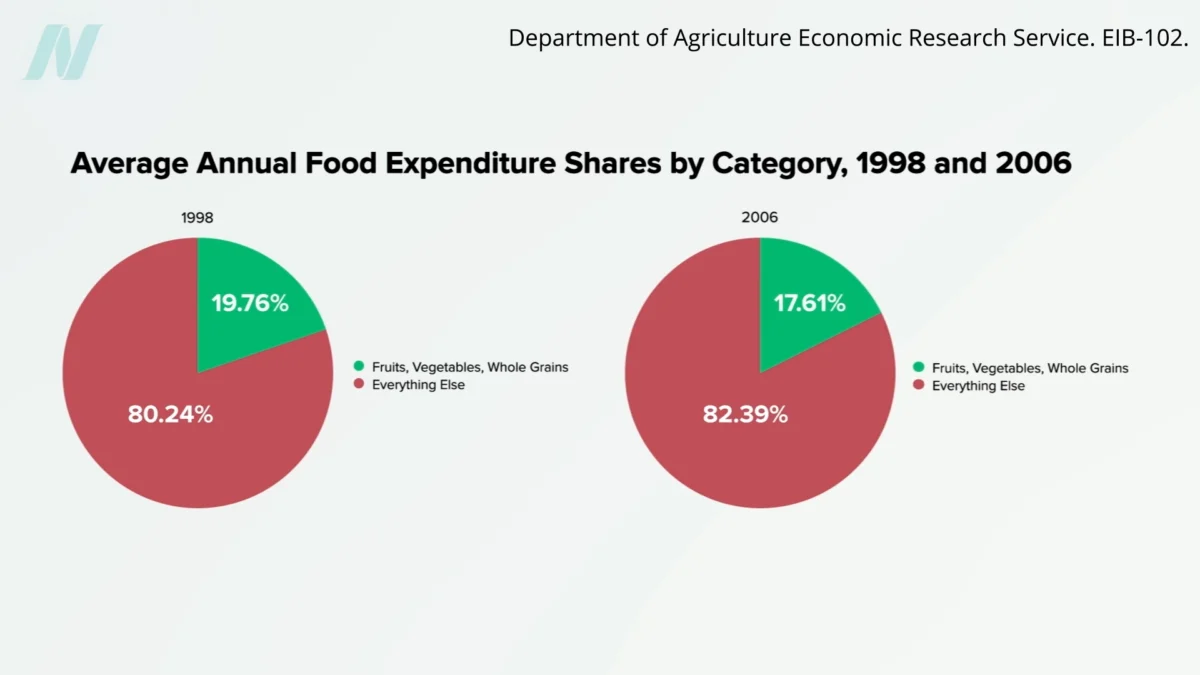
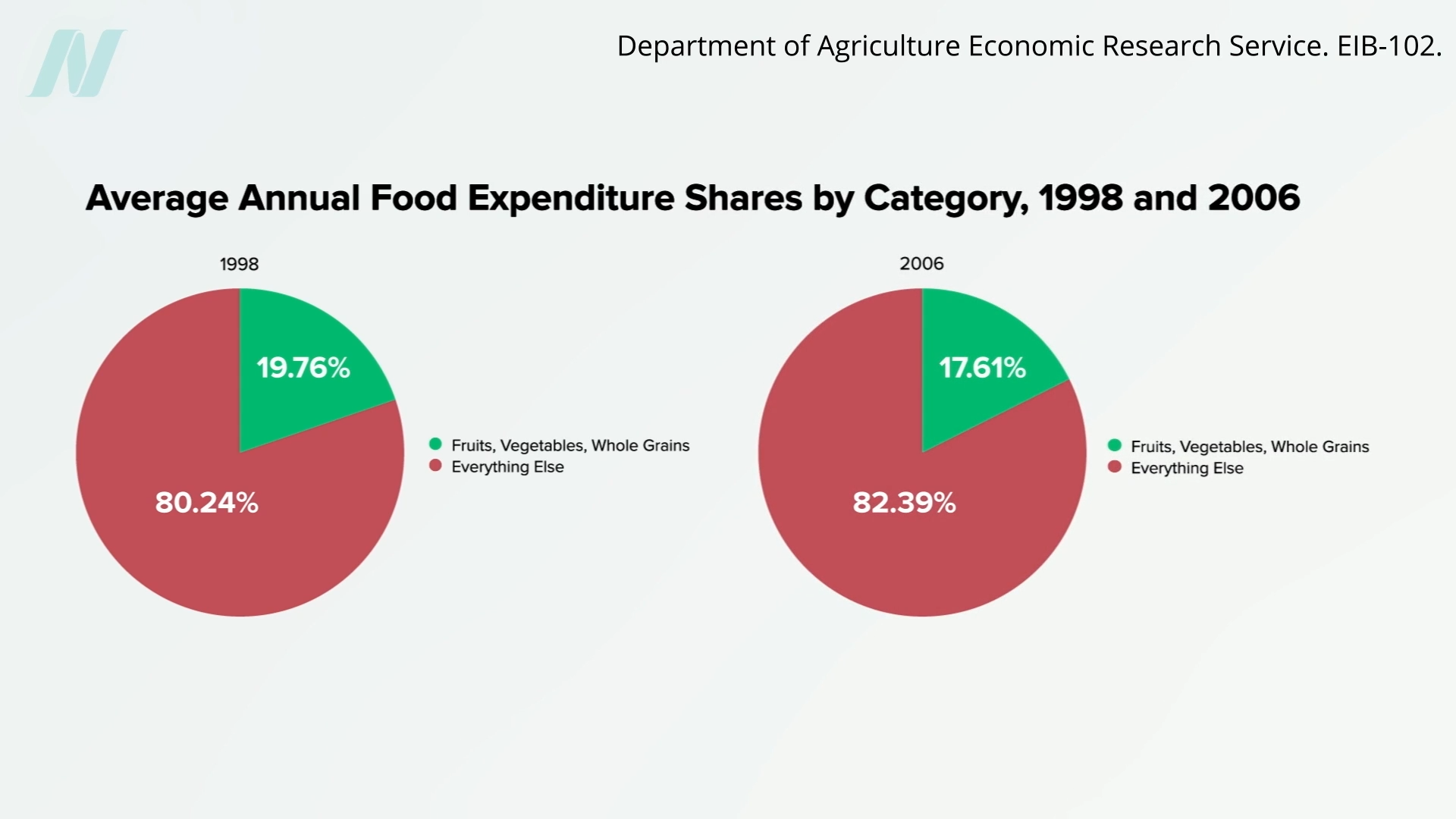
Unfortunately, the reality for many populations, particularly in Western countries, falls far short of this ideal. Data indicates that the average American’s diet may score as low as 20 on the PI. This stark contrast can be attributed to shifts in dietary patterns over recent decades. A notable observation from 1998 revealed that approximately 20% of food items in American shopping baskets consisted of whole plant foods. More recent trends, however, suggest a decline in this proportion, with processed foods and less nutrient-dense options becoming increasingly prevalent. This trend is visually represented in data showing the shrinking percentage of whole plant foods in typical consumer purchasing habits, a phenomenon that has been documented and discussed in public health forums.
Research and Evidence: The Phytochemical Index in Action
The scientific community has recognized the potential of the Phytochemical Index to serve as a valuable tool for health research. Studies have begun to explore the correlation between PI scores and various health outcomes, yielding compelling results.
Weight Management and Body Composition
One of the most extensively studied areas is the relationship between diet quality, as measured by the PI, and weight management. Research has consistently shown a protective association between vegetarian diets and lower body weight and body mass index (BMI). A comprehensive meta-analysis involving dozens of studies confirmed that vegetarians generally exhibit significantly lower weight and BMI compared to non-vegetarians. Furthermore, studies indicate that high intakes of fruits, vegetables, whole grains, and legumes may offer protective benefits regardless of meat consumption.
In line with these findings, researchers have employed the PI to investigate its impact on weight. By assigning a score from 0 to 100 that reflects the percentage of a person’s diet composed of whole plant foods, studies have tracked individuals’ weight over time. Even when the healthiest eating tiers achieved an average PI score of only around 40 – indicating that processed foods and animal products still constituted a significant portion of their diets – the findings were encouraging. Increasing the proportion of whole plant foods in the diet, even without a strict all-or-nothing approach, was associated with a reduced likelihood of weight gain and a decrease in body fat. This suggests that even incremental improvements in whole plant food consumption can yield tangible benefits for weight management.
Metabolic Health and Chronic Disease Prevention
The influence of the Phytochemical Index extends beyond weight management to encompass a broader spectrum of metabolic health markers and chronic disease risk. Numerous studies have reinforced the positive correlations observed between high intakes of healthy plant foods and improved health outcomes.
Cardiovascular Health: Research indicates that higher plant-based eating scores are associated with a significantly lower risk of developing abdominal obesity and lower triglyceride levels. The PI has been identified as a "useful dietary target for weight loss," shifting the focus from restrictive calorie counting to increasing the consumption of nutrient-dense, lower-calorie whole plant foods. This approach is not only effective for weight management but also contributes to overall cardiovascular health. Studies have further suggested that these benefits extend to childhood obesity, highlighting the importance of early adoption of healthy eating habits.
Insulin Sensitivity and Diabetes Risk: Even at similar weights and body fat percentages, individuals consuming plant-based diets tend to exhibit higher insulin sensitivity. This means their bodies are more efficient at utilizing insulin, a crucial factor in preventing metabolic dysfunction. The compounds found in plants are believed to play a role in alleviating inflammation and combating free radical damage, both of which are implicated in insulin resistance. Consequently, the odds of hyperinsulinemia, an indicator of insulin resistance, progressively decrease with greater plant consumption. This is further supported by findings indicating a substantial reduction in the odds of prediabetes among individuals who derive more than half of their calories from healthy plant foods.
Metabolic Syndrome and Hypertension: The positive impact of a high PI score on metabolic health is further evidenced by findings of significantly lower odds of developing metabolic syndrome and high blood pressure. Over a three-year period, individuals with higher healthy plant food intake experienced approximately half the odds of being diagnosed with hypertension. This underscores the role of plant-derived nutrients in maintaining healthy blood pressure levels and preventing cardiovascular complications.
Mental Well-being and Disease Prevention
The benefits of a diet rich in phytochemicals are not limited to physical health; emerging research suggests a significant impact on mental well-being as well. Studies have reported a notable association between higher plant-based eating scores and reduced instances of depression, anxiety, and psychological distress. Specifically, individuals with higher PI scores have demonstrated considerably lower odds of experiencing these mental health challenges.
Benign and Malignant Breast Conditions: The protective effects of a diet rich in phytochemicals have also been observed in relation to breast health. Studies have linked higher Phytochemical Index scores to a significantly lower risk of various benign breast diseases, including fibrocystic conditions, fatty necrosis, and ductal ectasia. Perhaps more critically, a higher intake of healthy plant foods has been consistently associated with a reduced risk of breast cancer. Research has indicated that individuals consuming twice the proportion of plants compared to the standard American diet exhibited more than a 90% lower risk of developing breast cancer, even after accounting for numerous confounding factors. This finding highlights the potent role of plant-based nutrition in cancer prevention.
Implications and Future Directions
The development and application of the Phytochemical Index represent a significant advancement in our ability to quantify and promote healthy eating patterns. The extensive body of research linking higher PI scores to a wide array of positive health outcomes – from weight management and cardiovascular health to metabolic function and disease prevention – provides a compelling case for its broader adoption.
Public Health Strategies and Clinical Practice
The simplicity and practicality of the PI make it an ideal tool for public health initiatives aimed at improving population-wide dietary habits. Public health campaigns could leverage this index to educate individuals about the importance of incorporating more phytochemical-rich foods into their diets. In clinical settings, healthcare providers can utilize the PI to offer personalized dietary guidance, empowering patients to make informed choices that contribute to long-term health and disease prevention.
Future Research Avenues
While the existing research on the Phytochemical Index is promising, further investigation is warranted. Longitudinal studies that track individuals’ PI scores over extended periods and correlate them with a wider range of health outcomes would provide deeper insights. Additionally, research exploring the synergistic effects of different phytochemicals and their specific mechanisms of action within the body could further refine our understanding of dietary health. The development of accessible tools and resources that allow individuals to easily calculate their PI score would also facilitate greater public engagement and adoption of this valuable metric.
The ongoing exploration of the Phytochemical Index underscores a critical shift in nutritional science: moving beyond simplistic dietary classifications towards a more nuanced and evidence-based understanding of how food composition impacts overall health. As research continues to illuminate the profound benefits of phytochemical-rich foods, the Phytochemical Index stands poised to become an indispensable tool in the global pursuit of optimal well-being.

