

The persistent presence of pesticide breakdown products, particularly DDE (a metabolite of DDT), in the human body has emerged as a significant environmental factor potentially elevating the risk of Alzheimer’s disease, a risk comparable to carrying the APOE e4 gene, often referred to as the "Alzheimer’s gene." While genetic factors contribute to a portion of Alzheimer’s cases, a substantial number remain unexplained by heredity alone, highlighting the critical role of environmental exposures and lifestyle choices. The stark contrast observed in identical twins, where the development of Alzheimer’s in one twin does not guarantee its manifestation in the other, underscores that genetics is not the sole determinant of this devastating neurodegenerative condition. This divergence strongly suggests that external influences, such as toxicant exposure, play a pivotal role in disease onset and progression.
The Pervasive Threat of Chlorinated Pesticides
Chlorinated pesticides, a class of chemicals once widely used for agricultural and public health purposes, have come under increasing scrutiny for their long-term health consequences. Among these, DDE, the primary breakdown product of the insecticide DDT (dichlorodiphenyltrichloroethane), has been flagged by the U.S. Environmental Protection Agency (EPA) as a probable human carcinogen. However, research has revealed that the detrimental effects of DDE extend beyond cancer, linking it to an increased risk of mortality from various causes, including diabetes and dementia.
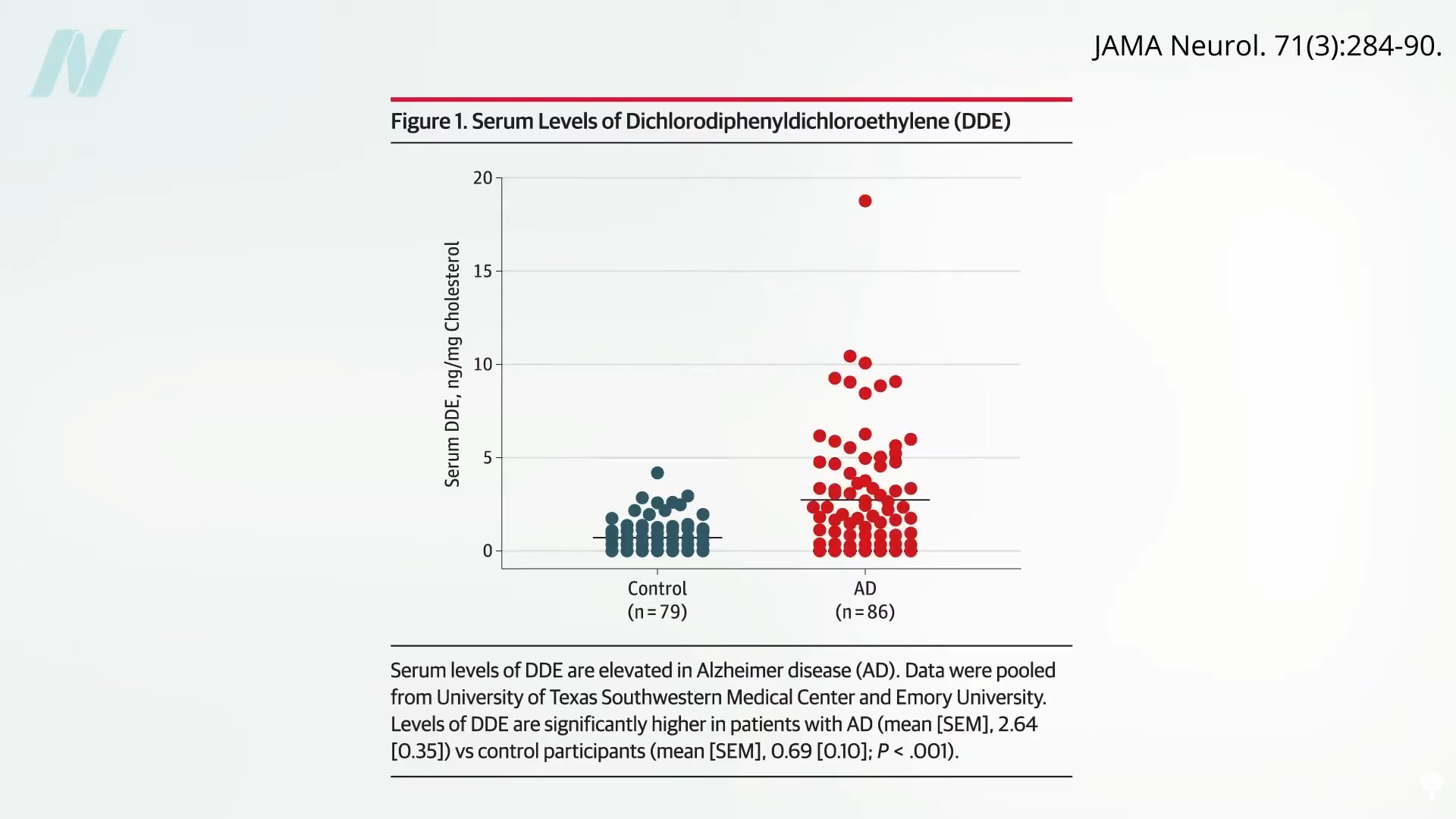
A compelling study conducted by a research team at Rutgers University illuminated a direct correlation between elevated blood levels of DDE and the presence of Alzheimer’s disease. The findings indicated that individuals diagnosed with Alzheimer’s disease exhibited significantly higher concentrations of DDE in their blood compared to healthy control groups. This observation, visualized in data showing a clear disparity in DDE levels between Alzheimer’s patients and controls, suggests a tangible link between this pesticide metabolite and the neurodegenerative pathology.

Unraveling the Mechanism: DDE and Amyloid Precursor Protein
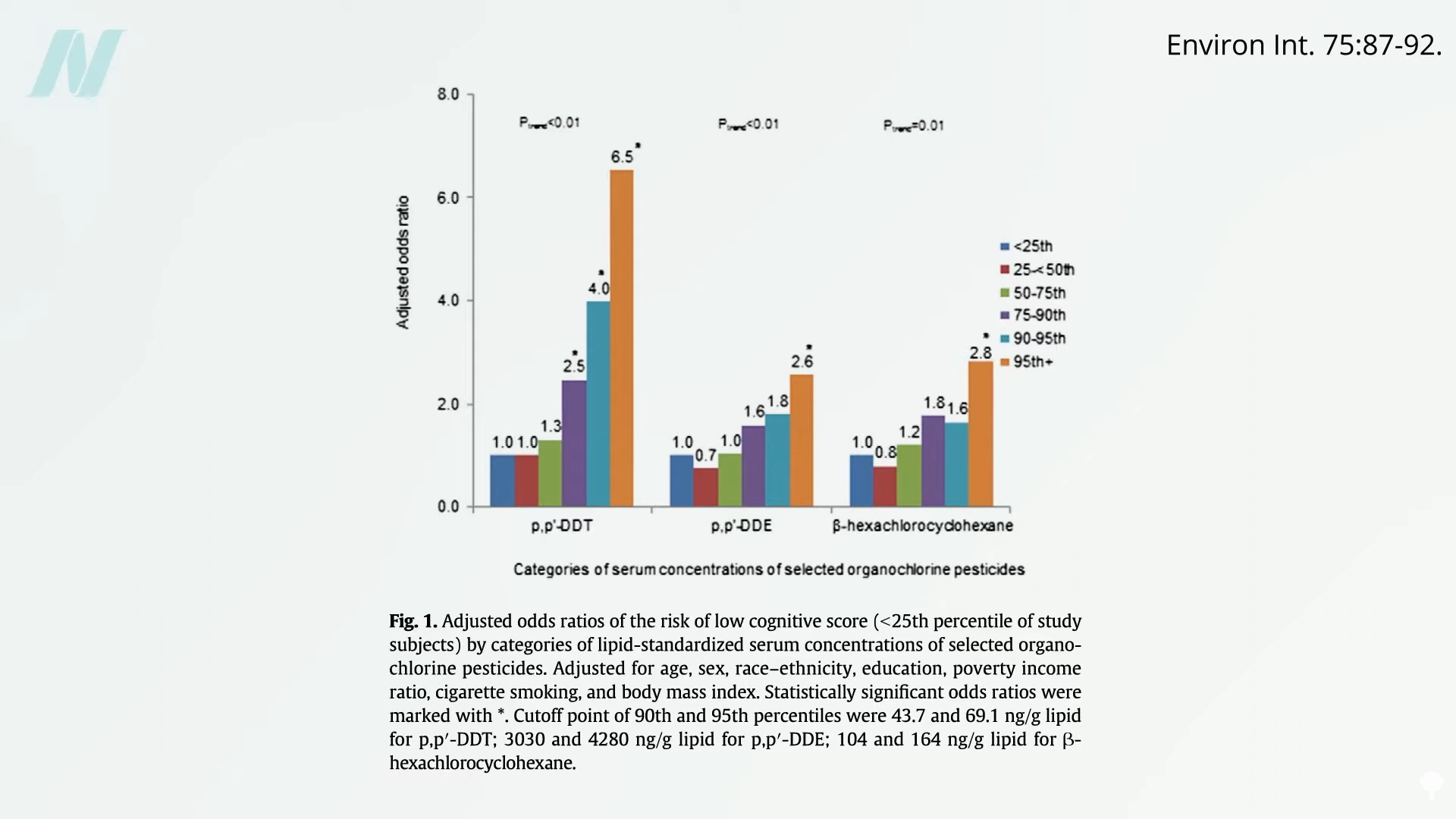
Further investigation into the biological mechanisms underlying this association has provided crucial insights. Autopsy studies have corroborated that blood levels of DDE serve as a reliable indicator of its concentration within the brain. The Rutgers study revealed that individuals with the highest DDE blood levels were approximately four times more likely to develop Alzheimer’s-related dementia.
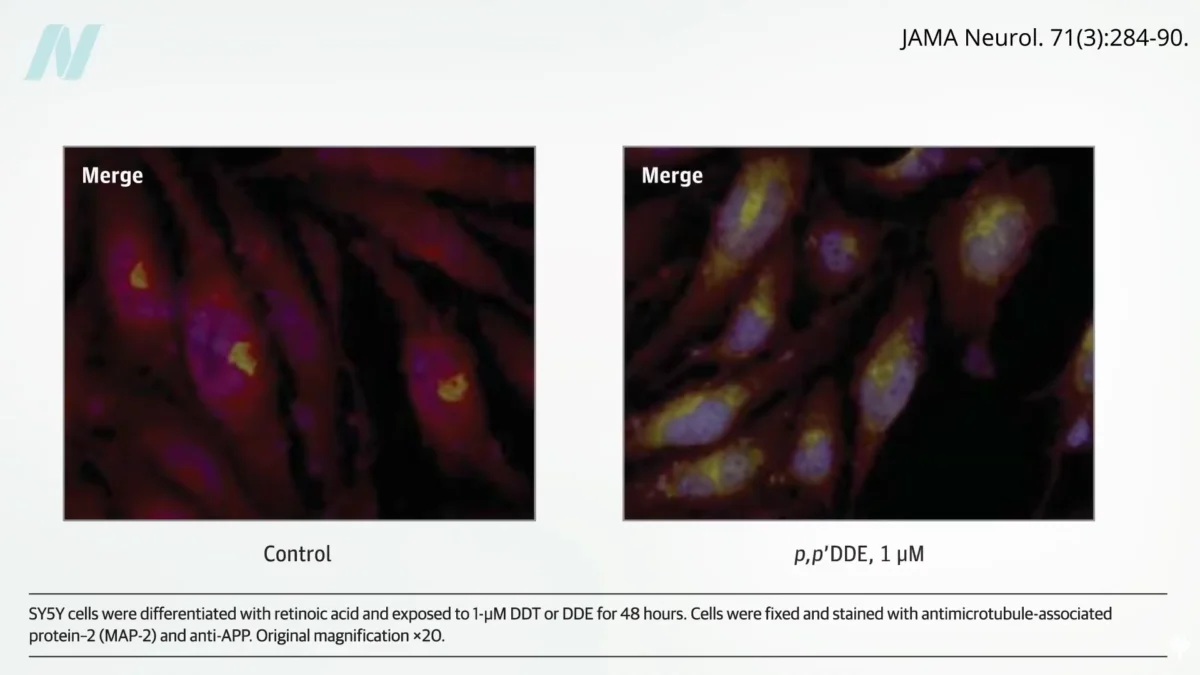
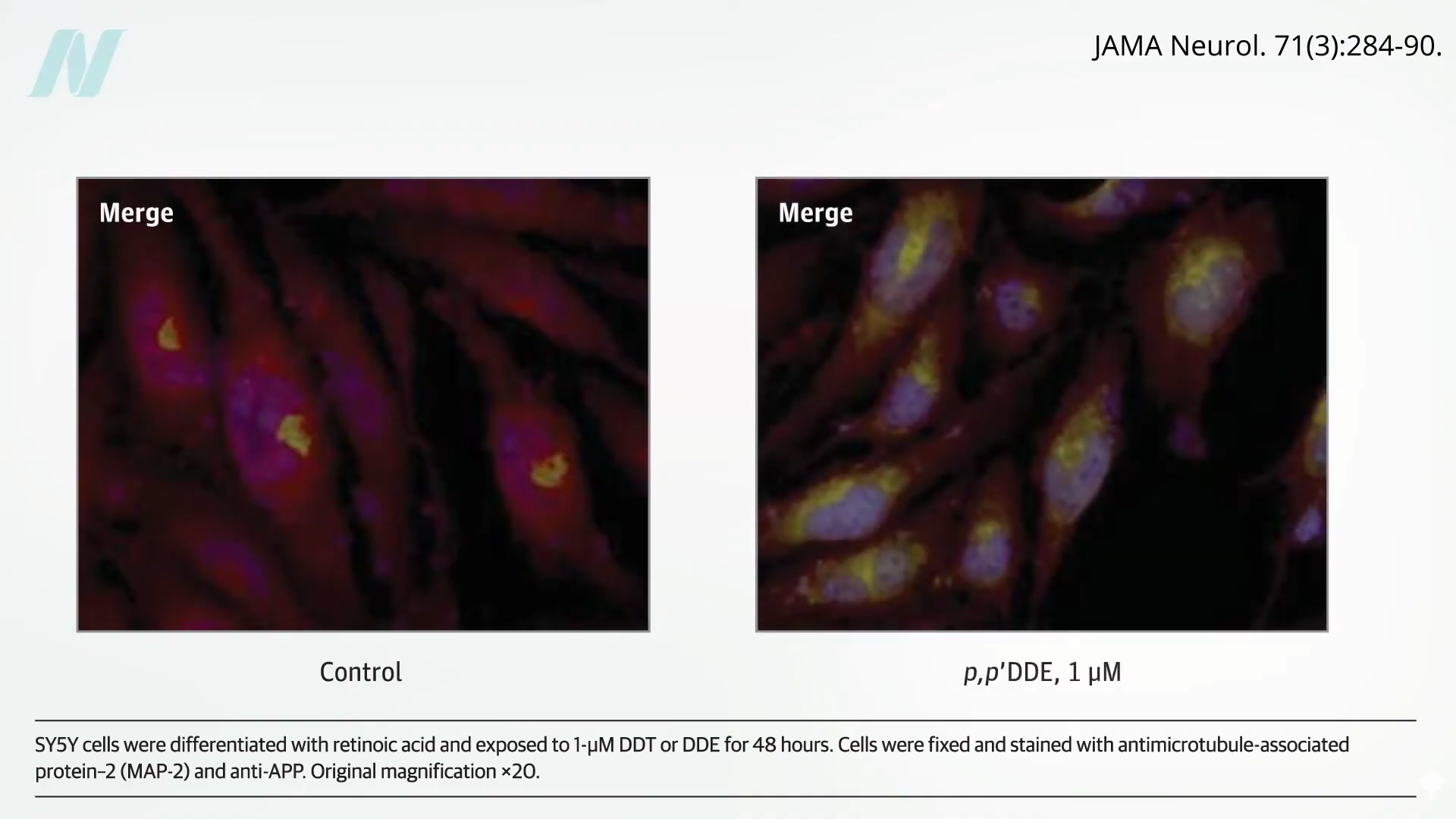
In laboratory settings, DDE has demonstrated a capacity to increase the levels of amyloid precursor protein (APP) in human brain cells. APP is a protein that, when misprocessed, can lead to the formation of amyloid plaques, a hallmark pathological feature of Alzheimer’s disease. Experimental data, presented visually, shows a marked increase in the levels of this sticky protein implicated in Alzheimer’s development when human brain cells are exposed to DDE at concentrations found in individuals with significant population-wide exposure. This experimental evidence provides a plausible biological pathway through which DDE might contribute to the pathogenesis of Alzheimer’s disease.
Broader Epidemiological Evidence: Pesticide Poisoning and Cognitive Decline
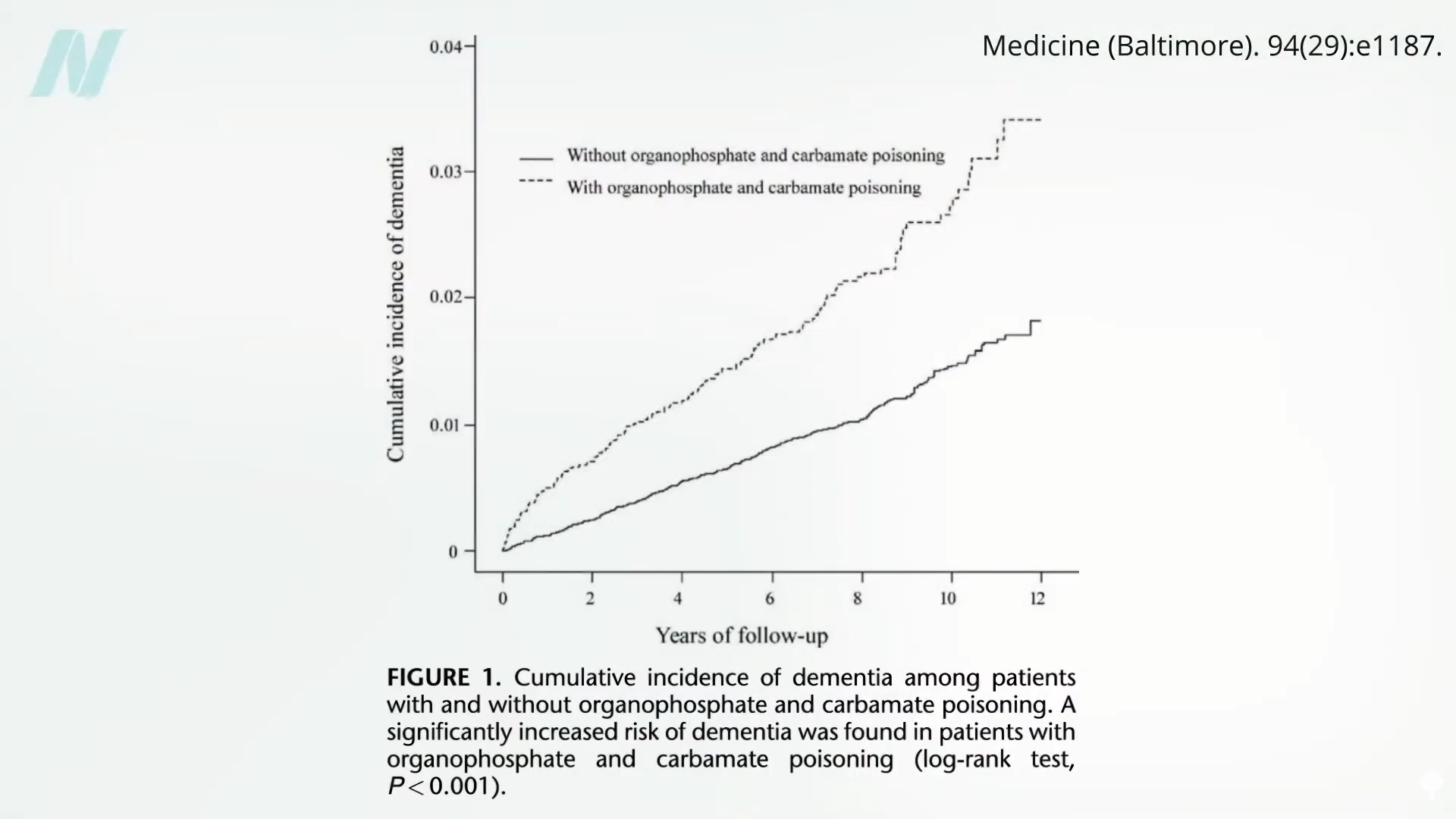
The association between pesticides and cognitive impairment is not isolated to DDE. A meta-analysis of several studies indicates a significant link between acute pesticide poisoning and an increased risk of developing dementia. Individuals who have experienced acute pesticide poisoning have been found to have approximately double the risk of developing dementia. This finding, presented in epidemiological data, reinforces the broader concern regarding the neurotoxic potential of pesticide exposure.
Moreover, research conducted among elderly populations in the United States has established a connection between exposure to DDT and its breakdown product DDE and an increased risk of general cognitive decline. This broader observation suggests that the impact of these persistent organic pollutants may not be confined solely to Alzheimer’s disease but could contribute to a spectrum of cognitive impairments associated with aging.
The Lingering Legacy of DDT and its Ubiquitous Presence
The extensive use of DDT in the United States from the 1940s through the early 1970s, with production peaking at an astonishing 180 million pounds annually, has resulted in its enduring presence in the environment and within the human body. Decades after its ban, DDT and its metabolite DDE continue to contaminate the bloodstreams of over 90% of Americans. DDE, in particular, is found at the highest levels among these residual pesticides, posing a continuous risk.
This persistence is largely due to its presence in the food supply. Studies have indicated that banned pesticides and pollutants, including DDT and DDE, are found in significantly lower concentrations in the breast milk of vegetarian mothers compared to their non-vegetarian counterparts. The most pronounced difference was observed for DDE, which was four times lower in vegetarian mothers. This pattern holds true across various persistent pollutants, suggesting that dietary choices can significantly influence an individual’s toxic load.
Bioaccumulation and Dietary Implications
A comprehensive analysis of food samples collected from U.S. supermarkets revealed a stark contrast in the levels of toxins like dioxins and PCBs (polychlorinated biphenyls) across different food categories. Beef, chicken, pork, processed meats, eggs, fish, and dairy products consistently showed significantly higher concentrations of these toxins compared to a composite of all plant-based foods. Specifically, toxin levels in meat, eggs, fish, and dairy were found to be five to ten times higher than in plant-based alternatives.
This disparity is attributed to the process of bioaccumulation, where toxins build up in the food chain. Fat-soluble pollutants like DDE are stored in the fatty tissues of animals, leading to higher concentrations at higher trophic levels. Unfortunately, cooking methods do not effectively eliminate these persistent pollutants. In some cases, cooking can even lead to a more concentrated form of these toxins, as water content is reduced.
The Magnitude of Risk: A Comparable Threat to Genetic Predisposition
The cumulative evidence from epidemiological studies, biological mechanism investigations, and toxicological research paints a clear picture: exposure to pesticide breakdown products, especially DDE, presents a substantial risk factor for Alzheimer’s disease. The magnitude of this risk is significant, potentially mirroring the increased susceptibility conferred by carrying the APOE e4 gene. This genetic variant is estimated to increase the risk of developing late-onset Alzheimer’s disease by a factor of three to twelve, depending on whether one or two copies are inherited. The finding that DDE exposure can elevate Alzheimer’s risk to a comparable degree underscores the urgent need for public health strategies to mitigate pesticide exposure.
Broader Implications and Public Health Imperatives
The pervasive presence of pesticide residues in the environment and food supply raises critical questions about regulatory oversight, agricultural practices, and consumer choices. The long-term health consequences associated with persistent organic pollutants necessitate a re-evaluation of their widespread use and the development of safer alternatives.
Timeline and Historical Context:
- 1940s-1970s: Widespread use of DDT in the United States for agricultural pest control and disease vector management.
- Early 1970s: Growing concerns about DDT’s environmental persistence and potential health effects lead to its ban in the United States.
- Post-ban: Despite the ban, DDT and its metabolite DDE continue to be detected in the environment, food chains, and human tissues due to their persistence and bioaccumulative properties.
- Late 20th/Early 21st Century: A growing body of scientific research begins to investigate the links between pesticide exposure and various chronic diseases, including neurodegenerative disorders like Alzheimer’s.
- Present: Ongoing research continues to elucidate the specific mechanisms by which pesticide breakdown products may contribute to Alzheimer’s disease, emphasizing the need for reduced exposure.
Analysis of Implications:
The research linking pesticide breakdown products to Alzheimer’s disease carries significant implications for public health policy, agricultural practices, and individual lifestyle choices.
- Policy and Regulation: The findings highlight the need for continued stringent regulation of pesticide use and the development of effective strategies for monitoring and reducing environmental contamination. This includes re-evaluating the long-term impact of previously banned but persistent chemicals.
- Agricultural Practices: The study underscores the importance of promoting sustainable agricultural methods that minimize or eliminate the use of harmful pesticides. This could involve investing in integrated pest management strategies and organic farming initiatives.
- Consumer Awareness and Dietary Choices: Individuals can take proactive steps to reduce their exposure by making informed dietary choices. Prioritizing a diet rich in plant-based foods and limiting the consumption of animal products, which tend to accumulate higher levels of toxins, can be a crucial preventive measure.
Official Responses and Scientific Consensus:
While specific official statements directly addressing this recent wave of research on pesticides and Alzheimer’s are not detailed in the provided text, the U.S. Environmental Protection Agency (EPA) has historically classified certain pesticides, including DDT and its metabolites, as probable human carcinogens. This classification stems from extensive scientific review. The growing body of research linking these substances to neurodegenerative diseases aligns with the broader scientific consensus on the adverse health effects of persistent organic pollutants. Public health organizations and research institutions continue to monitor and investigate these links, often referencing studies published in peer-reviewed journals.
The implications of this research are profound, suggesting that environmental factors, particularly pesticide exposure, can significantly influence an individual’s risk of developing Alzheimer’s disease. This underscores the critical importance of a holistic approach to health that considers not only genetics but also the environmental exposures that shape our well-being. Further research is warranted to fully understand the complex interplay between pesticides, genetics, and the development of neurodegenerative diseases, paving the way for more effective prevention and intervention strategies.
Doctor’s Note:
For those interested in further exploring the connection between pesticides and health, the video "Pesticides and Cancer Risk" offers additional insights. For comprehensive information on Alzheimer’s disease, the Alzheimer’s topic page provides a wealth of resources.

