

The debate regarding the most effective exercise modality for weight loss remains a central focus of public health discourse and sports science research. While traditional perspectives have long prioritized aerobic activity, often referred to as "cardio," modern physiological analysis suggests a more nuanced approach is required to achieve optimal body composition and metabolic health. Fitness professionals and researchers increasingly advocate for a synergistic model that integrates both resistance training and cardiovascular conditioning, supported by a foundation of nutritional discipline. This comprehensive analysis explores the metabolic mechanisms of various exercise types, the psychological barriers to entry for trainees, and the long-term implications of strength-based interventions on public health.
The Fundamental Principles of Energy Balance
At its core, weight loss is governed by the first law of thermodynamics: energy cannot be created or destroyed, only transformed. In a biological context, this translates to the principle of energy balance, where weight loss is achieved through a sustained caloric deficit. This occurs when the total energy expenditure (TEE) exceeds the total energy intake (TEI). TEE is comprised of several components, including the Basal Metabolic Rate (BMR), the Thermic Effect of Food (TEF), and the Thermic Effect of Activity (TEA), which includes both structured exercise and non-exercise activity thermogenesis (NEAT).
While nutrition remains the primary lever for creating a caloric deficit—often cited as being responsible for approximately 70% to 80% of weight loss outcomes—exercise serves as a critical secondary tool. Physical activity not only increases the "calories out" side of the equation but also influences hormonal health, insulin sensitivity, and the preservation of lean muscle tissue during periods of caloric restriction.
The Aerobic Advantage: Immediate Energy Expenditure
Aerobic exercise, which includes activities such as running, cycling, swimming, and rowing, is characterized by sustained, rhythmic movements that rely on oxygen to meet energy demands. Historically, this has been the preferred method for weight loss due to its high rate of immediate caloric expenditure.

Data from the American College of Sports Medicine (ACSM) indicates that a high-intensity aerobic session can burn significantly more calories per minute than a standard weightlifting session. For an individual weighing 155 pounds, 30 minutes of vigorous cycling can burn approximately 390 calories, whereas 30 minutes of vigorous weightlifting may burn roughly 220 calories. This disparity often leads the general public to favor "cardio" as the most efficient path to fat loss.
Furthermore, aerobic training offers well-documented cardiovascular benefits, including improved VO2 max, reduced resting heart rate, and lower blood pressure. For many beginners, the barrier to entry for cardio is lower; walking or jogging requires less specialized equipment and technical knowledge than performing a barbell deadlift or a clean-and-jerk.
Resistance Training and the Post-Exercise Oxygen Consumption (EPOC) Effect
Despite the lower immediate caloric burn, resistance training—or weight lifting—offers metabolic advantages that extend far beyond the duration of the workout. The primary mechanism for this is Excess Post-exercise Oxygen Consumption (EPOC), colloquially known as the "afterburn effect."
When an individual performs high-intensity resistance training, the body incurs an oxygen debt and structural micro-trauma to muscle fibers. In the 24 to 48 hours following the session, the body must work at an elevated metabolic rate to repair tissues, replenish glycogen stores, and restore systemic homeostasis. Research published in the Journal of Strength and Conditioning Research suggests that while the immediate burn of lifting may be lower, the cumulative metabolic demand over a two-day period can be significantly higher than that of steady-state cardio.
Moreover, resistance training is the primary driver of muscle hypertrophy (growth). Muscle tissue is metabolically more expensive to maintain than adipose (fat) tissue. By increasing lean muscle mass, an individual effectively raises their Basal Metabolic Rate (BMR), meaning they burn more calories while at rest. This "metabolic engine" approach provides a long-term defense against weight regain, a common failure point in cardio-only weight loss programs.

Addressing Common Misconceptions and Psychological Barriers
One of the most significant obstacles to the adoption of resistance training is the prevalence of misinformation. Many individuals, particularly women and older adults, express concern that lifting heavy weights will result in an "overly muscular" or "bulky" physique. Physiological data refutes this; achieving significant muscle hypertrophy requires a specific combination of high caloric surplus, targeted hormonal profiles (specifically high testosterone levels), and years of specialized training. For the average trainee in a caloric deficit, resistance training serves to maintain existing muscle, ensuring that weight loss comes from fat stores rather than lean tissue.
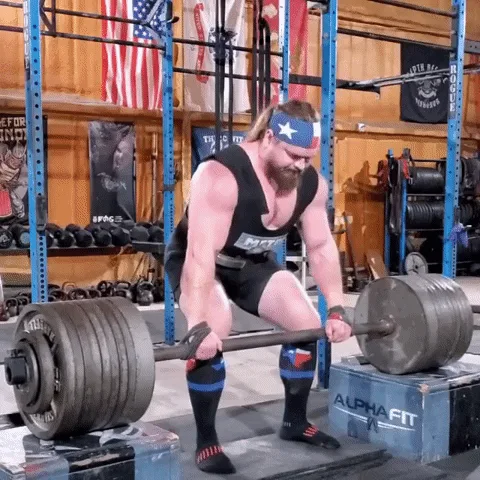
Another barrier is the intimidation factor associated with gym environments. Advanced lifts, such as those seen in Olympic weightlifting or powerlifting, can appear dangerous or unapproachable to the layperson. This often leads to "gym timidity," where individuals remain in the cardio section of a facility to avoid the perceived complexity or judgment of the free-weight area. Fitness experts emphasize that resistance training exists on a spectrum, beginning with bodyweight movements and progressing to machines and free weights as technical proficiency improves.
Strategic Integration: The Concurrent Training Model
The consensus among modern sports scientists is that the "cardio vs. weights" debate presents a false dichotomy. The most effective protocol for long-term health and body composition is "Concurrent Training"—the strategic integration of both modalities.
A recommended framework for the general population involves:
- Prioritization of Resistance Training: Engaging in 2 to 4 sessions per week focusing on compound movements (squats, hinges, pushes, and pulls). This ensures the preservation of metabolic rate and functional strength.
- Supplementary Aerobic Conditioning: Utilizing cardio as a tool for additional caloric expenditure and heart health. This can be performed on "off days" from lifting or as a "finisher" after a strength session.
- Nutritional Consistency: Maintaining a diet that prioritizes protein intake to support muscle repair while managing total caloric intake to ensure a deficit.
This multi-faceted approach addresses both the immediate need for energy expenditure and the long-term requirement for metabolic stability.

The Role of Professional Guidance and Education
The transition from a sedentary lifestyle to an active one often requires a catalyst. As seen in various community settings—from local banks to corporate offices—informal inquiries about fitness are common. However, the complexity of exercise science often leads to "analysis paralysis" for the consumer.
Industry experts suggest that simplified, actionable advice is more effective than academic dissertations for the general public. Programs such as "The New Rules of Lifting" by Lou Schuler and Alwyn Cosgrove or digital training platforms have gained popularity by distilling complex physiological principles into structured, easy-to-follow routines. The goal of these programs is to bridge the gap between "knowing what to do" and "doing it consistently."
Broader Public Health Implications
The implications of shifting public focus toward resistance training are profound. As the global population ages, the prevalence of sarcopenia (age-related muscle loss) and osteoporosis (loss of bone density) is rising. Resistance training is the only exercise modality proven to significantly increase bone mineral density and mitigate muscle wasting.
From a public health perspective, encouraging the population to "lift weights" is not merely about aesthetics or weight loss; it is about functional longevity. A population with higher lean muscle mass is more resilient to metabolic diseases such as Type 2 diabetes, as muscle tissue acts as a primary site for glucose disposal.
Conclusion
While aerobic exercise remains a vital component of a healthy lifestyle, it should not be viewed as the sole solution for weight management. The integration of resistance training offers a superior metabolic profile through the mechanisms of EPOC and increased BMR. By debunking the myths surrounding "bulking" and simplifying the entry points into strength training, the fitness industry can provide individuals with the tools necessary for sustainable fat loss and improved quality of life. The ultimate prescription for the modern individual remains a balanced regimen: a disciplined approach to nutrition, a commitment to consistent strength training, and the strategic use of cardiovascular exercise to round out a comprehensive health profile.

