

The Landscape of Vulnerability and the Catalyst for Change
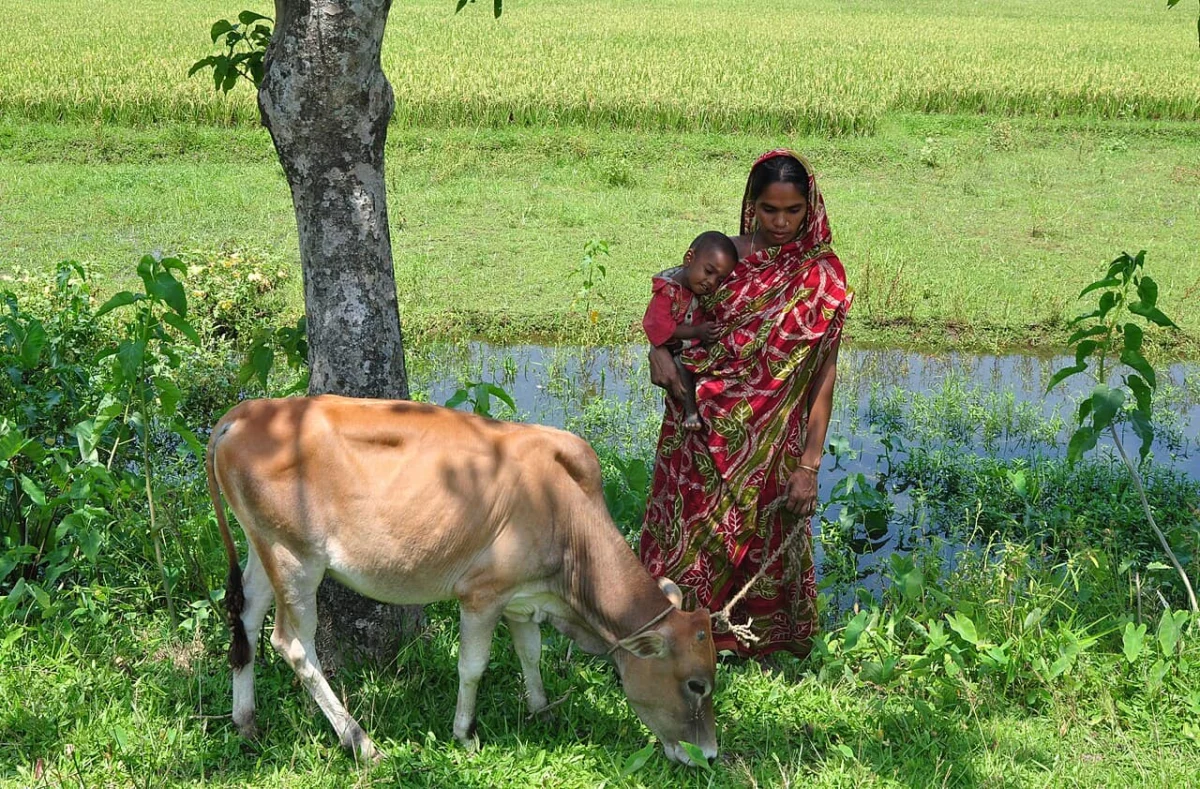
Bangladesh’s geographical reality makes it a frontline state in the global climate crisis. Approximately 80% of the country is located on a floodplain, and much of the land sits less than five meters above sea level. According to the World Bank, by 2050, one in every seven people in Bangladesh could be displaced by climate change. Environmental stressors such as flash floods in the northeast, salinity intrusion in the south, and riverbank erosion across the central regions have historically forced families into cycles of poverty and migration.
Lovely Begum, a resident of Mohanganj in the Moulvibazar district, exemplifies this struggle. Having lost her home eight times to the dual forces of flooding and erosion, her story was once a common trope of climate displacement. However, the intervention of the Local Government Initiatives on Climate Change (LoGIC) project, supported by the United Nations Development Programme (UNDP), the European Union, and the Government of Bangladesh, provided a platform for transformation. Rather than remaining a displaced person, Begum became a leader in eco-conscious agriculture, specifically focusing on the cultivation of quinoa—a crop resilient to the shifting environmental conditions of the region.
Chronology of a Grassroots Revolution
The evolution of women-led climate action in Bangladesh has followed a distinct timeline of institutional support and community mobilization:
- 2010–2012: The Recognition Phase. International agencies and the Bangladeshi government began identifying that top-down climate solutions often failed to reach the most marginalized, particularly rural women who manage households and local resources.
- 2013: The Rise of Specialized NGOs. Organizations like Footsteps Bangladesh were founded to address specific resource scarcities. This period saw the introduction of portable technology designed for disaster-prone areas.
- 2016–2018: Institutional Scaling. The LoGIC project and the Climate Resilience Fund (CRF) began pooling resources to provide grants directly to women’s cooperatives, moving away from traditional micro-loans toward asset-building grants.
- 2020–Present: The Integration of Technology and Policy. The current era is defined by the widespread adoption of solar grids, advanced water filtration, and the formation of national alliances like SheRAA (Women’s Climate Resilience and Adaptation Alliance) to influence government policy.
Technological Innovation: Water and Energy Independence
One of the most significant pillars of this revolution is the decentralization of essential services. In monsoon-afflicted areas, the primary challenge is often not a lack of water, but a lack of potable water. Floodwaters frequently contaminate traditional tube wells, leading to waterborne diseases.
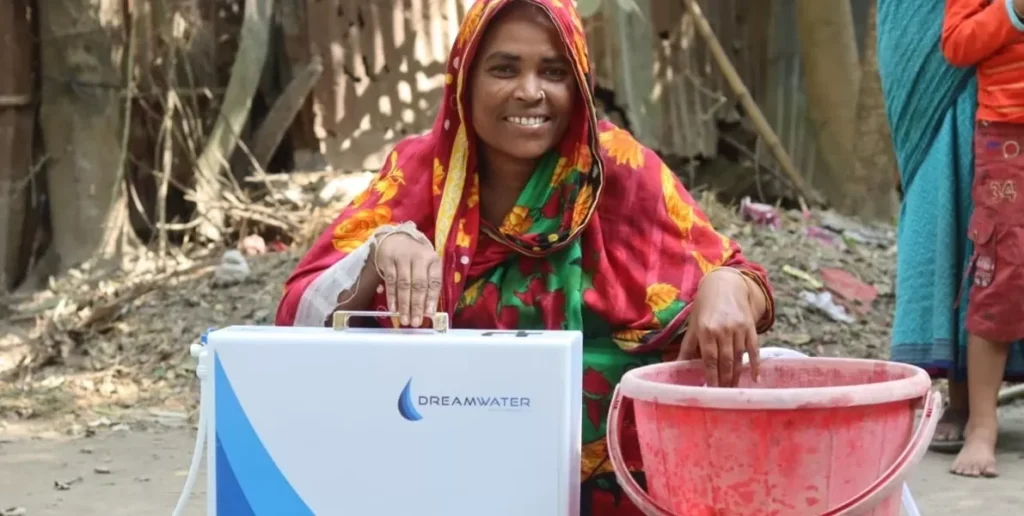
The "Dreamwater" model, implemented by Footsteps Bangladesh, addresses this through a portable filtration system. Equipped with nanosilver filtration technology and integrated batteries to minimize operational costs, these systems can remove 99.99% of contaminants from floodwater. Adhuri Begum, a key figure in this project, reports that the initiative has trained over 800 women, turning them into "water entrepreneurs." These women not only manage the systems but also educate their communities on hygiene and disaster preparedness, effectively raising their social status from dependents to essential service providers.
Parallel to water security is the quest for energy independence. Runa Khan, the founder of the NGO Friendship, has focused on the "chars"—unstable, shifting river islands that are often excluded from the national power grid. Friendship has deployed solar home systems ranging from 20-watt to 85-watt capacities to over 3,500 homes. This transition from kerosene lamps to solar power has a multi-fold impact: it reduces indoor air pollution, allows children to study after dark, and enables women to engage in income-generating activities during evening hours. To date, Friendship’s holistic approach, which includes mangrove preservation and social justice initiatives, has reached an estimated 7.5 million citizens.
Economic Empowerment through Climate-Smart Cooperatives
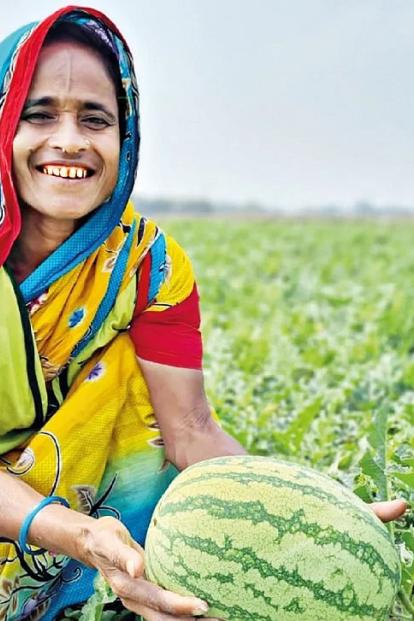
The LoGIC project has demonstrated that climate adaptation is inseparable from economic agency. In the village of Ashabaria, Salma Begum, a mother of three who previously lacked arable land, joined a climate-smart cooperative. Along with seven other women, she utilized the Climate Resilience Fund to pool land and grants.
These cooperatives are designed to withstand the "shocks" of natural disasters. By focusing on climate-tolerant crops and sustainable agriculture techniques, such as permaculture and saline-resistant rice varieties, these women ensure collective food security. Data suggests that these initiatives have supported approximately 35,000 women across Bangladesh, providing them with training in mobilization techniques and adaptive livelihoods.
The success of these models lies in their "depth and quality," as noted by Runa Khan. By strengthening local roots and ensuring that funding reaches the grassroots level, these projects create a self-sustaining cycle of growth that does not rely solely on external aid.
Institutional Support and the Role of PKSF
The Palli Karma-Sahayak Foundation (PKSF), led by Managing Director Dr. Nomita Halder, serves as a vital intermediary between international funding and local execution. As a Direct Access Entity (DAE) for the Green Climate Fund (GCF), PKSF ensures that financial decisions remain within the country, tailored to the specific needs of Bangladeshi communities.
PKSF recently launched the Growth for Climate Resilient and Environmental Entrepreneurship and Nutrition (GREEN) project. This six-year initiative targets the Haor wetlands, a region characterized by unique ecological challenges. The GREEN project aims to drive micro-enterprises and support smallholders, emphasizing that even small-scale interventions can have a massive cumulative impact on national resilience.

Furthermore, the involvement of high-level advisors like Farida Akhter, the Fisheries and Livestock adviser, highlights the intersection of climate change and food safety. Akhter has been vocal about the need to integrate pesticide-related concerns into national policies, noting that chemical runoff from industrial farming threatens indigenous fish species—a primary protein source for the rural poor. This high-level advocacy ensures that the concerns of women on the ground are reflected in national legislative frameworks.
Leadership Networks and Educational Justice
The revolution is also an intellectual one. The Women’s Climate Resilience and Adaptation Alliance (SheRAA) acts as a coalition for various NGO programs, including LoGIC and Footsteps. By promoting research and "educational justice," SheRAA ensures that women are not just laborers in the climate movement but are also the researchers and spokespeople.
Shaheen Anam, Executive Director of Manusher Jonno, has emphasized that while women are the primary agents of change, they remain underrepresented in formal decision-making bodies. Alliances like SheRAA work to dismantle these barriers, highlighting how gender discrimination and violence are often exacerbated by climate stress. By training women in public speaking and policy advocacy, these organizations are preparing a new generation of leaders to represent Bangladesh on the global stage.
Fact-Based Analysis of Implications
The implications of Bangladesh’s women-led climate revolution extend far beyond its borders. This model offers several critical lessons for the global community:
- Localization of Aid: The shift from international NGOs managing projects to local women-led cooperatives ensures that solutions are culturally appropriate and sustainable.
- Intersectionality: The projects demonstrate that climate change cannot be addressed in a vacuum. Solutions must simultaneously tackle gender inequality, energy poverty, and water scarcity.
- Technological Leapfrogging: By skipping traditional infrastructure (like centralized power grids) in favor of decentralized solar and portable filtration, rural Bangladesh is modeling a low-carbon development path for other developing nations.
- Economic Resilience: Transitioning from subsistence farming to climate-smart entrepreneurship creates a buffer against the economic shocks of natural disasters, reducing the likelihood of forced migration.
The Meta-Narrative: A Global Blueprint
The transformation seen in districts like Moulvibazar and the coastal belts of Bangladesh is a testament to the power of human agency. The narrative of the "helpless climate victim" is being replaced by the "innovative climate leader." These women have forced a global re-evaluation of how climate-resilience tactics are funded and implemented.
By weaving traditional knowledge—such as the use of floating gardens (baira) during floods—with modern technology like nanosilver filters and solar grids, these communities are creating a robust defense against an unpredictable environment. The success of this model suggests that if policymakers and international investors want to achieve genuine sustainability, they must prioritize the empowerment of those most affected by the crisis.
As the world continues to grapple with the escalating effects of global warming, the women of Bangladesh stand as beacons of ingenuity. Their ability to turn personal loss into social good, and crisis into opportunity, provides a viable framework for climate adaptation that is equitable, scalable, and, most importantly, led by those who understand the stakes most intimately. The revolution in Bangladesh is not just about surviving the next flood; it is about thriving in a changing world by redefining the relationship between community, technology, and the environment.

