

The introduction of calorie labeling on menus in national chain restaurants, mandated in 2017, was heralded as a significant step towards empowering consumers to make healthier dietary decisions. The logic was straightforward: providing clear caloric information would allow individuals to better manage their daily energy intake and opt for lower-calorie meals. However, extensive research and real-world observations have revealed a perplexing counter-intuitive effect: the mere presence of a healthy option can, in fact, prompt people to make even less healthy choices. This phenomenon, rooted in a fascinating quirk of human psychology, challenges our assumptions about how information influences behavior and offers critical insights into the complexities of consumer decision-making in the food industry.
The Disappointing Impact of Calorie Labeling
The nationwide mandate for calorie labeling, which began to be implemented in 2017, followed years of debate and smaller-scale initiatives. Proponents argued that transparency regarding the caloric content of menu items would equip consumers with the knowledge necessary to navigate the often calorie-dense landscape of restaurant dining. The expectation was that individuals, armed with this information, would naturally gravitate towards healthier selections, leading to a reduction in overall calorie consumption.
However, the impact of these labels has been far from transformative. Studies analyzing the effects of calorie labeling have consistently found it to be largely ineffective in significantly altering consumer behavior. On average, the reduction in calories consumed per meal has been a mere eight calories, a statistically insignificant amount that falls short of the intended public health objectives. This minimal impact suggests that while the information is present, it is not necessarily being utilized in a way that leads to meaningful dietary changes.
The limited effectiveness of calorie labeling was, in retrospect, perhaps predictable. The ease with which such regulations were implemented in some instances, contrasted with fierce industry opposition to other nutritional transparency measures like front-of-pack traffic light labeling, hinted at their limited disruptive potential. For example, McDonald’s had already begun voluntarily posting calorie information nationally in 2012. This move followed a labeling mandate in New York City, which, according to studies, had no discernible overall effect on consumer behavior. Research at the time suggested that such voluntary disclosures might primarily serve to enhance the perception of a restaurant’s concern for consumer well-being, rather than fundamentally alter purchasing habits. This approach allowed companies to appear conscientious without necessarily undermining the appeal of their signature, often less healthy, offerings.
The "Vicarious Goal Fulfillment" Phenomenon
Adding to the complexity of consumer choice, a separate, and perhaps more impactful, strategy observed in the fast-food industry is the introduction of healthier menu items. In 2012, alongside its voluntary calorie posting, McDonald’s also announced plans to incorporate seasonal produce into its offerings. While seemingly a straightforward positive development, research has unveiled a paradoxical outcome: the inclusion of healthy options can paradoxically lead consumers to make even less healthy choices. This effect is often described as "vicarious goal fulfillment."
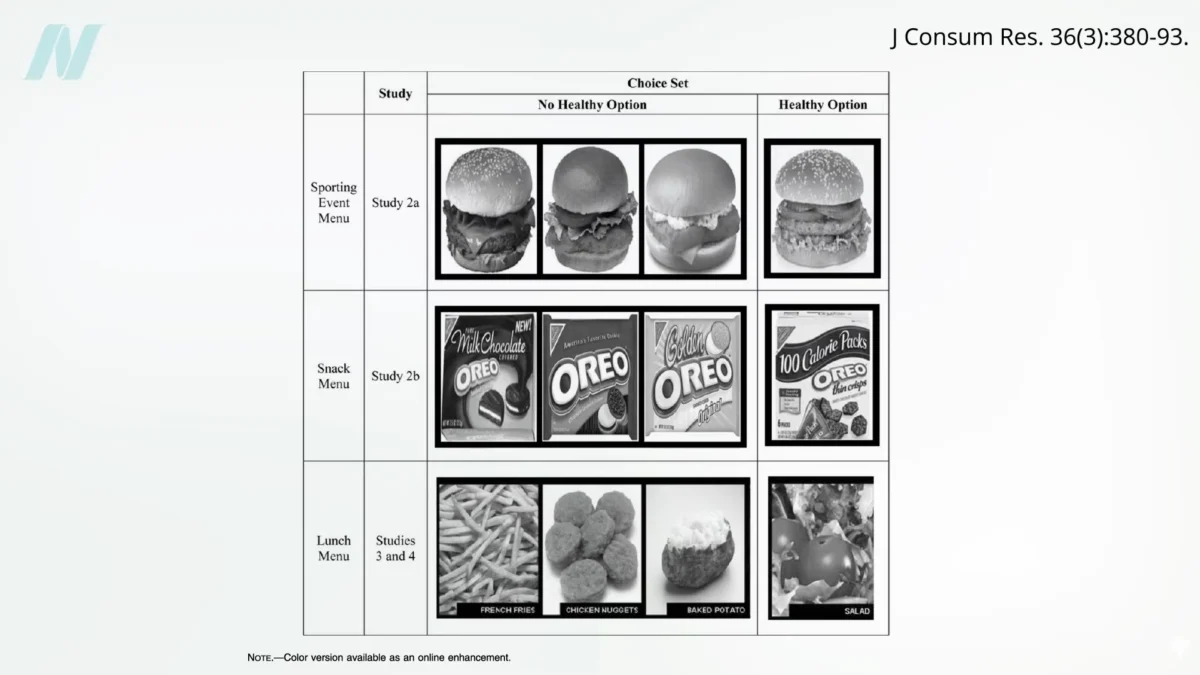
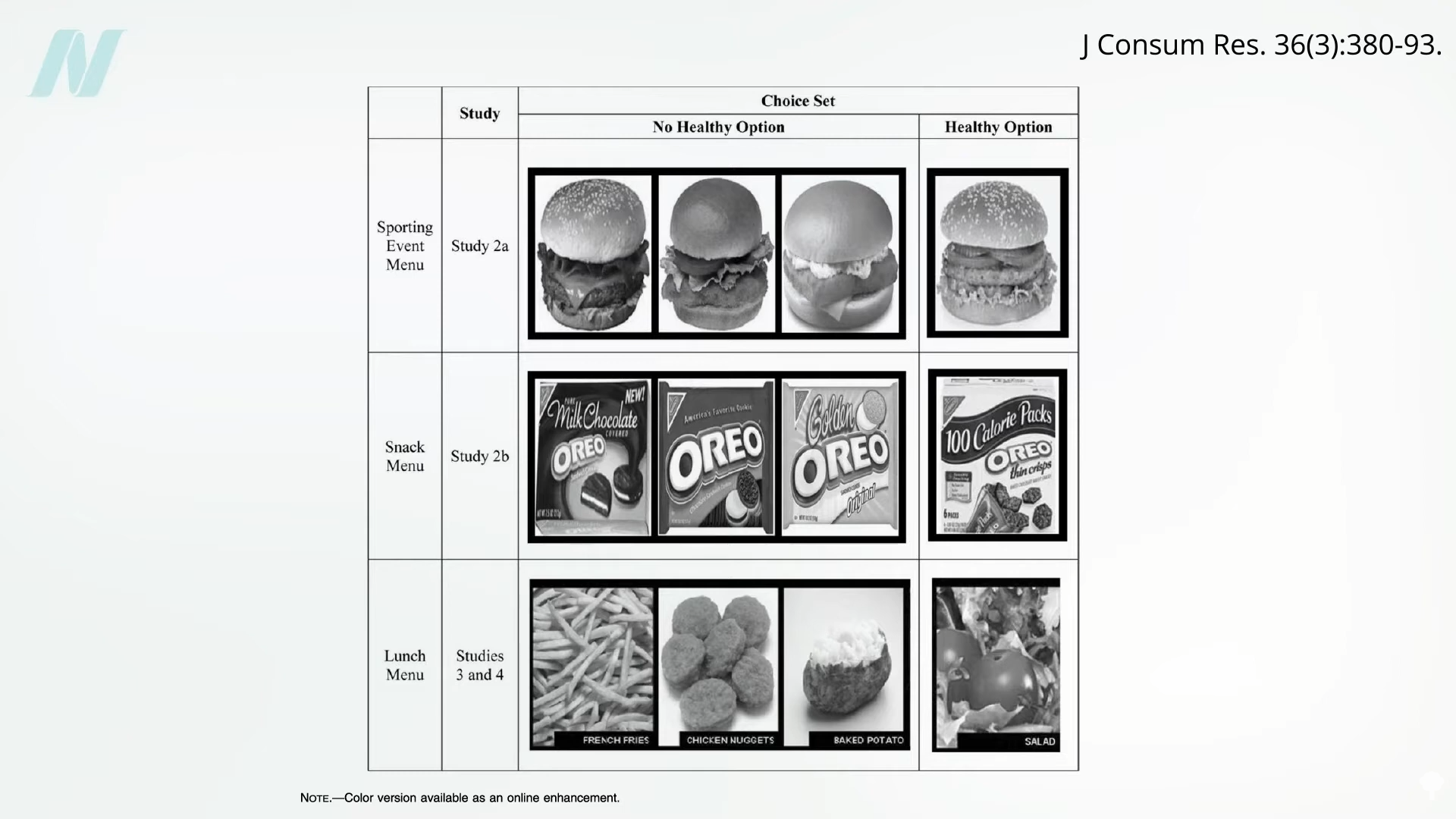
Consider a scenario involving side dish selections. When offered a choice between a clearly unhealthy option like French fries and a more neutral choice like a baked potato, a relatively small percentage of consumers – around 10% – opt for the fries. However, if a third, even healthier option, such as a side salad, is introduced, the dynamic shifts dramatically. Instead of a simple choice between indulgence and neutrality, consumers now have a trifecta: the indulgent fries, the neutral baked potato, and the healthy salad. The expectation might be that the presence of the salad would steer more people towards the baked potato, or at least not increase the appeal of the fries.
The reality, however, is starkly different. When a side salad is an option, the percentage of consumers choosing French fries triples to approximately 33%. This means that simply by offering a healthy alternative, the appeal of the less healthy option is amplified, leading to more people choosing it than if the healthy option were absent.
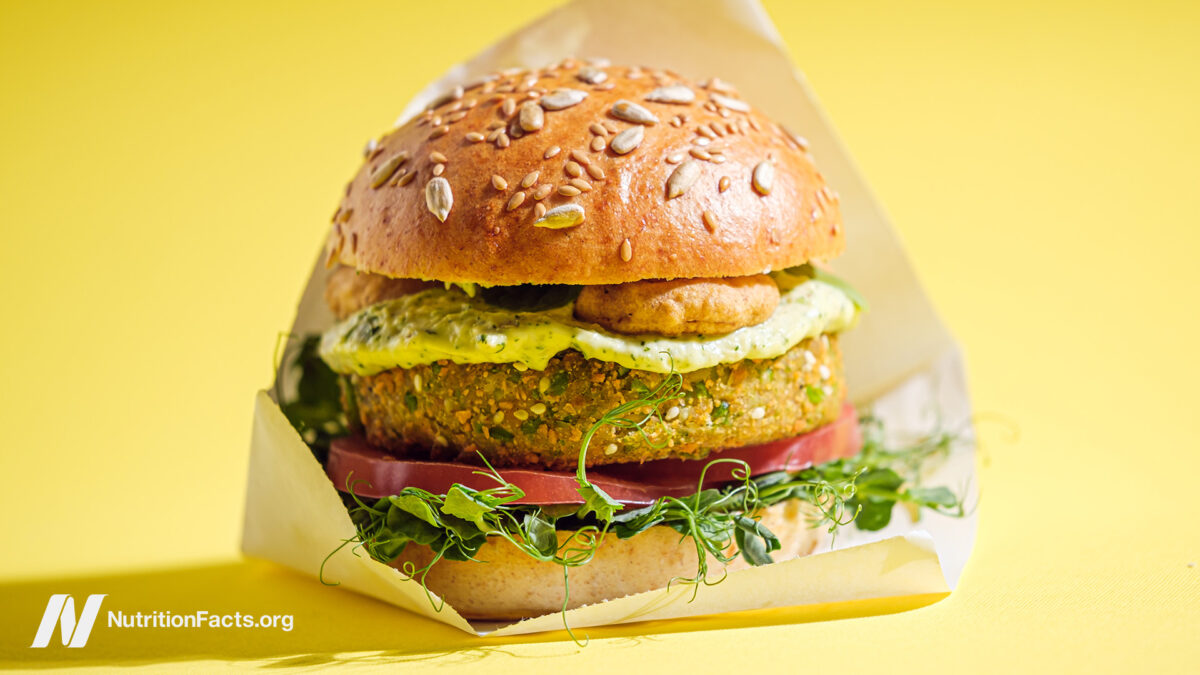
This psychological effect extends beyond side dishes. Studies have explored choices between a bacon cheeseburger, a chicken sandwich, and a veggie burger. In a scenario where only less healthy options were presented (e.g., a cheeseburger, a chicken sandwich, or a fish sandwich), about 17% of participants chose the burger. However, when the fish sandwich was replaced with a veggie burger, the preference for the bacon cheeseburger more than doubled, reaching 37%. This demonstrates that the mere visibility of a healthy alternative can inadvertently encourage the selection of more indulgent, less healthy choices.
The Underlying Psychological Mechanisms
Researchers have sought to understand the mechanisms behind this counter-intuitive behavior. One key concept identified is "vicarious goal fulfillment," which suggests that the mere presence of a healthy option allows individuals to feel as though they have already made progress towards their health goals. This mental "fulfillment" can then serve as a justification for indulging in less healthy choices in the present. In essence, seeing the salad or the veggie burger allows people to mentally tick a box for future healthy eating, thereby granting themselves permission to indulge in the immediate moment.
This phenomenon is closely related to the psychological principle of "self-licensing." Self-licensing occurs when individuals, after performing an action that aligns with their goals, feel licensed to engage in behavior that contradicts those goals. For instance, someone who has recently lost weight might feel justified in eating a dessert, viewing it as a reward for their previous healthy efforts. This self-rewarding indulgence can, unfortunately, set them back from their original goals.
Empirical Evidence from Behavioral Studies
The "self-licensing" effect has been demonstrated in various experimental settings. In one study involving smokers, participants were given either vitamin C supplements or placebo pills, with the vitamin C group believing they were taking a step towards better health. Those who believed they were taking supplements subsequently smoked significantly more cigarettes than the control group. The subconscious reasoning might be that by taking a "healthy" action, they had earned the right to engage in an unhealthy behavior.
Similar results have been observed in studies related to diet and exercise. When participants were given placebo pills they believed to be dietary supplements, they reported less desire to exercise and, consequently, engaged in less physical activity. Furthermore, these individuals were more likely to choose a buffet meal over a "healthy, organic meal" compared to those who were told the pills were placebos.
A seminal study titled "The Liberating Effect of Weight Loss Supplements on Dietary Control" further illuminated this effect. Participants were given either a placebo or what they believed to be a weight-loss supplement (which was identical to the placebo). In a subsequent observation at a buffet, the group believing they were taking a weight-loss supplement consumed more food and selected less healthy options. They also consumed a significantly higher amount of candy during a staged "taste test" and ordered more sugary drinks. The study’s conclusion highlighted the "curse of licensed self-indulgence" for those who rely on dietary supplements for health protection.
The "What the Hell Effect" and Perceptual Warping
Another psychological explanation for this behavior is the "what the hell effect." This describes a situation where a single deviation from a goal, such as eating one "forbidden" cookie, leads an individual to abandon their diet altogether and consume the entire bag. Once a person has strayed from their intended path, the psychological barrier to further indulgence is lowered, leading to a complete abandonment of restraint. In the context of food choices, deciding to "spoil themselves just this once" after contemplating a healthy option can lead to the selection of the most indulgent item available.
Beyond direct behavioral influence, the presence of healthy foods can also warp our perceptions of less healthy options, a phenomenon known as the "health halo effect." When weight-conscious individuals are shown a burger and asked to estimate its calorie content, they might provide an average estimate of 734 calories. However, if the same burger is presented alongside three celery sticks, the estimated calorie count drops to 619 calories. Even though individuals understand that celery has calories, the juxtaposition of the burger with a healthy vegetable makes the burger appear relatively healthier. This perceptual distortion can occur with various combinations, such as an apple with a waffle sandwich, a side salad with chili, or carrots with a cheesesteak, leading to an underestimation of the overall caloric intake.
This health halo effect can explain why consumers might order dessert or sugary drinks more frequently when purchasing a "healthier" sandwich from a chain like Subway, compared to ordering a less healthy option from a place like McDonald’s. Studies have shown that even when the Subway sandwich in question was calorically denser than a Big Mac, the perception of it being a healthier choice led to increased indulgence in accompanying less healthy items.
Implications for Public Health and Industry Strategies
The findings from these studies have significant implications for public health initiatives and the strategies employed by the food industry. While the intention behind providing calorie information and healthier options is to promote better eating habits, the psychological complexities of consumer behavior suggest that these measures alone may be insufficient, and in some cases, may even be counterproductive.
The food industry, aware of these psychological nuances, can strategically leverage them. The "vicarious goal fulfillment" and "health halo" effects allow companies to present themselves as health-conscious while subtly encouraging greater consumption of their core, often less healthy, products. By offering a salad as an option, they might increase sales of their higher-calorie burgers. By promoting fruit and vegetables, they can bolster consumer loyalty and enhance their brand image without necessarily improving the overall health profile of their customer base.
For public health advocates and policymakers, these insights underscore the need for more sophisticated interventions. Simple informational approaches, like calorie labeling, may need to be supplemented with strategies that address the underlying psychological drivers of food choices. This could involve more direct behavioral nudges, educational campaigns that explicitly address these psychological biases, or regulatory frameworks that consider the unintended consequences of menu design and product placement.
The paradox of healthy choices highlights that human decision-making is far from purely rational. Our choices are influenced by a complex interplay of cognitive biases, emotional states, and contextual factors. Understanding these intricacies is crucial for developing effective strategies that genuinely support public health and empower individuals to make choices that align with their long-term well-being, rather than falling prey to the subtle, and often counterintuitive, workings of the human mind.
Conclusion: Beyond Information to Understanding
The journey to healthier eating is fraught with psychological complexities that extend far beyond the mere provision of information. While calorie labeling and the introduction of healthier options were intended to empower consumers, research indicates that these strategies can, under certain circumstances, lead to unintended consequences. The phenomena of vicarious goal fulfillment, self-licensing, and the health halo effect demonstrate that the human mind often finds ways to justify indulgence, even when presented with healthier alternatives.
Moving forward, a deeper understanding of these psychological drivers is essential. Public health initiatives must evolve beyond simple information dissemination to encompass behavioral economics and cognitive psychology. The food industry, while adept at leveraging these insights for commercial gain, also has a role to play in fostering genuine health improvements. Ultimately, fostering healthier populations will require a multifaceted approach that acknowledges and addresses the intricate psychological landscape of food choices.

