


When discussing hair, common focal points often revolve around its color, cut, porosity, texture, and length. However, a crucial characteristic that is frequently overlooked, and often misunderstood, is hair density. This fundamental aspect of our hair dictates not only how we approach its care and styling but also offers a deeper insight into the overall appearance and health of our locks. While many may feel uncertain about what hair density precisely entails, understanding this factor is key to unlocking optimal hair health and aesthetics. This article delves into the science behind hair density, its measurement, and its profound impact on hair care practices, drawing insights from leading hair experts.
What Exactly Is Hair Density?
It is a common misconception to conflate hair density with the thickness or fineness of individual hair strands. However, hair density is fundamentally about the number of hair strands present on the scalp. Celebrity hairstylist Ryan Richman clarifies, "The density of the hair is determined by how close your hair strands are to each other. This, in turn, determines how thin or thick your hair appears." This distinction is vital: a person can possess a high density of fine hair, making it appear full, or a low density of thick strands, resulting in a less voluminous look.
Professional hairstylist Sophia Porter further elaborates on this concept, explaining that hair density is quantified by the number of hair follicles per square inch of the scalp. Consequently, the visual perception of hair thickness does not always directly correlate with its actual density. This means it is entirely possible to have a high number of hair follicles (high density) with very fine strands, or conversely, fewer follicles (low density) with robust, thick strands. This nuanced understanding is the first step in appreciating why hair density matters.
Average Hair Density: A Statistical Overview
Scientific studies have provided valuable data regarding average hair density. Research indicates that the typical human scalp hosts between 80,000 and 120,000 individual hair strands. This range can fluctuate due to several factors, including genetics, age, hair type, and even underlying nutritional status. It is important to emphasize that there is no single "ideal" hair density; rather, it is an inherent characteristic unique to each individual.

The aging process is a notable factor influencing hair density. Studies have observed a general decrease in hair density as individuals age. This phenomenon is often perceived as "thinning hair," which is, in essence, a reduction in the number of hair follicles and thus, hair density. This decline is a natural biological process, though significant or rapid changes may warrant further investigation.
William Gauntiz, a certified trichologist and founder of Advanced Trichology, highlights the genetic basis of hair density and notes distinct patterns observed among different hair colors. According to his research and clinical observations, individuals with blonde hair typically possess the highest density, averaging approximately 140,000 hairs per scalp. Brunettes tend to fall in the middle range, with an average of around 120,000 hairs. Redheads, on average, exhibit the lowest hair density, with approximately 90,000 hairs. These figures provide a helpful benchmark, illustrating the natural variations in hair density across different populations.
Measuring Hair Density: From Professional Assessments to At-Home Methods
Determining one’s hair density can be achieved through various methods, ranging from clinical evaluations to simpler at-home assessments. For individuals seeking a precise diagnosis, visiting a trichologist is recommended. Gauntiz explains that trichologists utilize microscopes to meticulously analyze the scalp. This process involves examining the number of hairs growing from each follicle and calculating the density per square centimeter. Generally, a single hair follicle can produce between one and six individual hair strands. Hair density is then categorized based on this output: one to two hairs per follicle typically indicate low density, three to four hairs suggest average density, and five to six hairs point to high density.
For those preferring an at-home assessment, Sophia Porter offers a practical method. She suggests taking a section of hair from the front of the head and pulling it to the side. If the scalp is clearly visible through the hair, it indicates low density. Conversely, if the scalp is barely perceptible, it signifies high density. Any state in between these two extremes would be classified as medium density. It is also normal for different areas of the scalp to exhibit varying degrees of density. Therefore, a slight difference in density between one section of hair and another is not usually a cause for concern.
Another accessible method, particularly for individuals with longer hair, is the "ponytail test." This involves gathering all the hair into a single ponytail and measuring its circumference. A circumference of less than two inches generally suggests low density, between two and three inches indicates medium density, and anything over three inches points to high density. While these at-home methods provide a good approximation, they do not replace the accuracy of a professional diagnosis.

The Influence of Hair Density on Hair Care Strategies
The density of one’s hair significantly influences the approach to hair care, styling, and product selection. Understanding your hair density allows for more effective and targeted treatments, ultimately leading to healthier and better-looking hair.
Low Hair Density: Products and Styles to Consider
Individuals with low hair density should exercise caution with oil-based products, as these can weigh down the hair, diminishing its perceived volume and density. Gauntiz advises avoiding products such as heavy leave-in conditioners, thick dry shampoos, and oil-rich scalp treatments. These formulations can exacerbate the appearance of thinness.
In terms of hairstyling and cuts, Richman recommends styles that feature blunt, strong lines. A precisely cut blunt fringe or a substantial curtain bang can create an illusion of greater thickness and density. These styles provide a visual anchor that can make finer hair appear more substantial.
High Hair Density: Tailoring Care for Abundance
For those blessed with high hair density, the approach to product selection shifts. Porter suggests opting for richer, more substantial products that can adequately nourish and manage abundant hair. However, she also points out that factors like hair porosity and curl type will play a significant role in determining the most suitable products. Consulting with a trichologist or a hairstylist experienced in managing dense hair is always advisable for personalized recommendations.
When it comes to haircuts for high-density hair, styles that incorporate more texture and layers are often beneficial. These techniques help to remove excess weight, preventing the hair from looking bulky or heavy. Porter cautions that it is crucial to seek out stylists who specialize in thinning techniques. Improper thinning can lead to damage or an undesirable "bulky roots with thin ends" look, which is rarely the intended aesthetic. For such precise styling needs, professional intervention is highly recommended over DIY attempts.
Can Hair Density Be Increased?
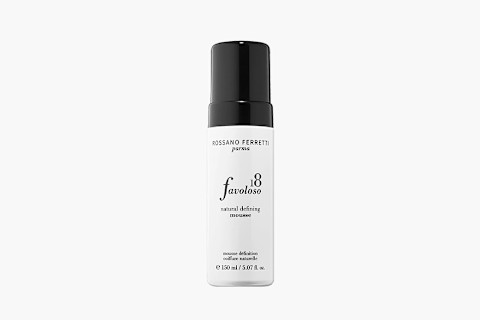
While it is not possible to genetically increase the number of hair follicles on one’s scalp, there are effective ways to enhance the appearance of denser hair. The market offers a range of volumizing and thickening products designed to achieve this. Texturizing sprays, volumizing mousses, thickening sprays, and specialized shampoos and dry shampoos can all contribute to creating a fuller, more voluminous look. Strategic application of these products, often combined with specific styling techniques, can provide a significant boost in perceived hair density.
Improving Hair Density: Addressing Underlying Factors
Fundamentally, hair density is a genetic trait. Any changes in density are typically a result of damage to the hair follicles. If a noticeable decrease in hair density is suspected to be due to follicle damage, seeking professional medical advice from a trichologist is paramount. Reversing follicle damage can be an exceptionally challenging, and in some cases impossible, endeavor, underscoring the need for expert guidance.
In certain instances, a reduction in hair density can be linked to nutritional deficiencies. If there is a concern that nutritional imbalances might be contributing to decreased hair density, consulting a physician for comprehensive blood tests is recommended. Key nutrients that play a vital role in hair health and density include iron, zinc, biotin, vitamin D, and protein. Deficiencies in these essential vitamins and minerals can negatively impact the hair growth cycle and follicle health.
The Bottom Line: Embracing Your Unique Hair Density
Ultimately, the density of one’s hair is largely predetermined by genetics, and direct control over this intrinsic characteristic is limited. However, for those seeking to enhance the visual density of their hair, a variety of cosmetic products and styling techniques can be employed effectively. The most significant benefit of understanding your hair density lies in its ability to inform your hair care routine. By knowing whether you have low, medium, or high hair density, you can make informed decisions about haircuts, styling choices, and product selections, leading to consistently better hair days. This knowledge empowers individuals to care for their hair in a way that best suits its unique characteristics, promoting both health and aesthetic appeal.

