

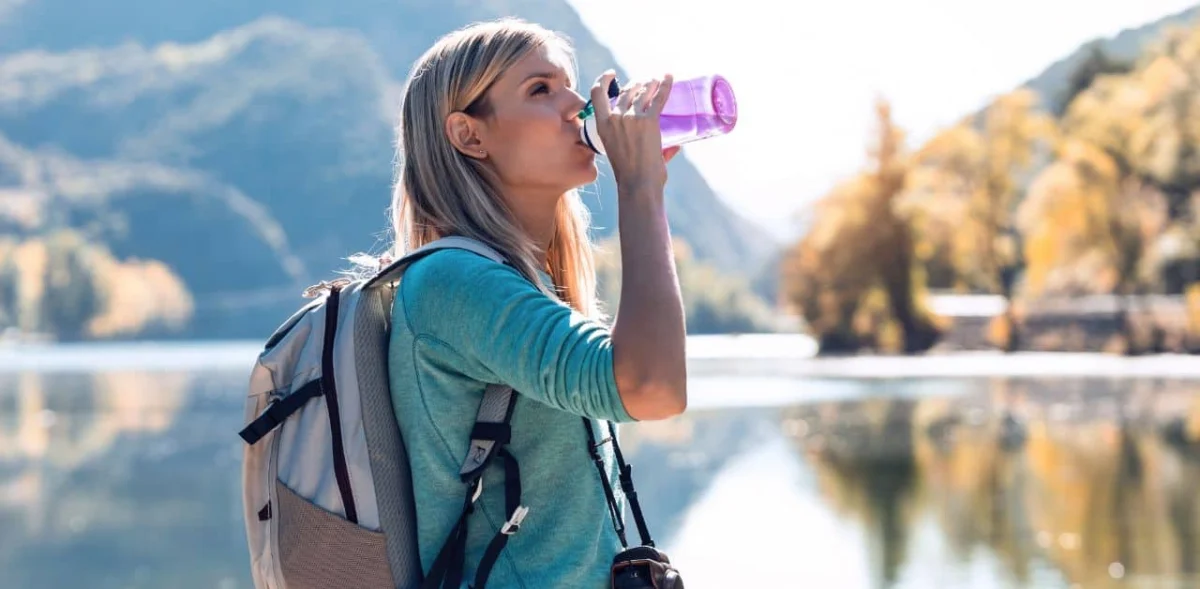
The global tourism industry, while a vital driver of economic growth, has long grappled with a significant environmental byproduct: the proliferation of single-use plastics. For decades, international travelers have been conditioned to rely on factory-sealed bottled water as a primary safeguard against waterborne illnesses. This reliance, however, has created a secondary crisis of plastic pollution that threatens the very ecosystems travelers seek to explore. As international health standards evolve and water purification technology becomes more accessible, a growing movement within the travel sector is advocating for a shift toward sustainable hydration. Understanding the intersection of public health, infrastructure development, and environmental science is now essential for the modern traveler.
The Biological and Health Imperative of Water Safety
The hesitation to consume tap water in foreign jurisdictions is rooted in legitimate biological concerns. Public health experts note that the safety of drinking water is not merely a matter of "cleanliness" in the aesthetic sense, but a reflection of the specific microbiological profile of a region. Local populations often develop a natural immunity or tolerance to the microorganisms present in their municipal water supplies. Travelers, conversely, possess a gut microbiome calibrated to the water standards of their home countries.

When a traveler is exposed to unfamiliar bacteria, viruses, or parasites, the result is often "traveler’s diarrhea," a condition that affects millions of tourists annually. However, the risks can escalate to more severe pathologies. According to data from the World Health Organization (WHO), waterborne pathogens such as Escherichia coli (E. coli), Giardia duodenalis, and Cryptosporidium remain significant threats in areas with underdeveloped sanitation systems. In more extreme cases, contaminated water can serve as a vector for life-threatening diseases, including cholera, typhoid fever, and hepatitis A.
The CDC emphasizes that even water that appears crystal clear can harbor invisible pathogens. This reality has historically driven the "bottled water first" mentality, as the sealing process provides a perceived guarantee of sterilization that municipal systems in developing nations may not yet offer.
A Chronology of Global Water Standards
The transition toward safe tap water has been a decades-long endeavor shaped by international policy and infrastructure investment. The chronology of these standards provides context for why certain regions are now considered safe for direct consumption.

- 1984 – The First WHO Guidelines: The World Health Organization published its first edition of "Guidelines for Drinking-water Quality," establishing a global framework for what constitutes potable water. This served as the blueprint for national health departments to begin upgrading their filtration and chemical treatment facilities.
- 1993 – The Rise of the Bottled Water Industry: Following several high-profile water contamination incidents in the late 1980s, the global bottled water market began its exponential climb, marketed as a "premium" and "safe" alternative to municipal supplies.
- 1998 – The EU Drinking Water Directive: The European Union implemented Directive 98/83/EC, mandating strict quality standards for water intended for human consumption across all member states. This legislation is largely responsible for the high level of tap water safety currently enjoyed across Europe.
- 2010 – The UN Human Right to Water: The United Nations General Assembly explicitly recognized the human right to water and sanitation, acknowledging that clean drinking water is essential to the realization of all human rights. This prompted increased international funding for water infrastructure in Asia and South America.
- 2020s – The Sustainability Pivot: In response to the global plastic crisis, major travel hubs and national governments began installing high-tech public refilling stations and banning single-use plastics in protected natural areas.
Regional Analysis: Where Tap Water Meets International Standards
According to the Centers for Disease Control and Prevention (CDC) and various international health monitoring agencies, several regions have achieved a level of water treatment that allows for safe consumption directly from the tap. These nations have invested heavily in centralized treatment plants, advanced filtration, and rigorous monitoring protocols.
In North America, the United States and Canada maintain some of the world’s most stringent water quality regulations, though localized issues (such as aging lead pipes in specific cities) can occasionally trigger boil-water advisories. In Europe, the vast majority of the continent offers safe tap water. This includes Andorra, Austria, Belgium, the Czech Republic, Denmark, Finland, France, Germany, Greece, Iceland, Ireland, Italy, Liechtenstein, Luxembourg, Malta, Monaco, the Netherlands, Norway, Poland, Portugal, San Marino, Slovenia, Spain, Sweden, Switzerland, the United Kingdom, and Vatican City. Notably, Switzerland and Iceland are often cited as having the highest quality tap water in the world, frequently sourced directly from glacial springs or deep aquifers with minimal chemical intervention.
In Asia, a select group of high-income territories and nations have reached these standards, including Brunei, Hong Kong, Israel, Japan, Singapore, and South Korea. In Oceania, both Australia and New Zealand provide safe municipal water across their respective territories.

Regions of Caution: The Challenges of Infrastructure
Conversely, travelers are advised to exercise caution in many parts of the world where water treatment infrastructure has not kept pace with urbanization or where environmental factors complicate the purification process. In these regions, the risk of contamination from agricultural runoff, industrial waste, or cross-contamination from sewage systems remains high.
In North America, Mexico remains a primary area where bottled or purified water is recommended for visitors. In Africa, while cities in countries like South Africa may have treated supplies, the general recommendation for travelers in Egypt, Morocco, Nigeria, and Kenya is to avoid tap water. In Asia, large-scale nations such as China and India, along with popular tourist destinations like Thailand, Vietnam, Indonesia, and Cambodia, still face challenges with consistent water potability.
In Central and South America, caution is advised in Belize, Guatemala, Honduras, Nicaragua, Brazil, Colombia, Peru, Bolivia, and Ecuador. In these areas, the risk extends beyond drinking water to ice cubes, salads washed in tap water, and even the water used for brushing teeth.

The Environmental Toll of the "Safe" Alternative
The reliance on bottled water comes at a staggering environmental cost. Data from the United Nations Environment Programme (UNEP) indicates that approximately one million plastic bottles are purchased every minute globally. In the United States alone, the average citizen generates roughly 290 pounds of plastic waste annually.
The lifecycle of a plastic bottle is a carbon-intensive process. It begins with the extraction of fossil fuels for PET (polyethylene terephthalate) production, followed by energy-heavy manufacturing and global shipping. Once consumed, the "end-of-life" for these bottles is rarely circular. Estimates suggest that only 9% of all plastic waste ever produced has been recycled. The remainder ends up in landfills, where it takes up to 450 years to decompose, or in the oceans, where it breaks down into microplastics that enter the food chain and harm marine biodiversity.
Sustainability advocates argue that the travel industry must lead the way in reducing this footprint. "The paradox of modern travel is that we often destroy the very beauty we travel to see through our consumption habits," notes a summary of the 2023 Global Sustainable Tourism Council report.

Advanced Mitigation: Moving Beyond the Plastic Bottle
For travelers in regions with questionable water safety, technology now offers several effective alternatives to purchasing single-use plastics. These methods allow for the on-site purification of tap water, significantly reducing waste.
- Mechanical Filtration: High-quality portable filters with an "absolute" pore size of 0.1 to 0.5 microns can effectively remove bacteria and protozoa like Giardia and Cryptosporidium. While convenient, travelers should note that standard filters may not remove smaller viral pathogens.
- Ultraviolet (UV) Light: Devices such as the SteriPEN use germicidal ultraviolet light to disrupt the DNA of bacteria, viruses, and protozoa. This method is highly effective and fast, typically treating a liter of water in under 90 seconds, though it requires clear water to be effective.
- Thermal Treatment (Boiling): Boiling remains the "gold standard" for pathogen elimination. Bringing water to a rolling boil for one minute (three minutes at high altitudes) neutralizes all biological threats. The primary drawback is the requirement for a heat source and the time needed for cooling.
- Chemical Disinfection: Iodine or chlorine dioxide tablets are lightweight and inexpensive. While effective against most pathogens, they can alter the taste of the water and require a "contact time" of 30 minutes to four hours to be fully effective against certain cysts.
Broader Implications for the Future of Travel
The shift from bottled water to sustainable hydration is more than a personal preference; it is a systemic necessity. As global temperatures rise, water scarcity is becoming an acute issue in many tourist-heavy regions. This creates a double-edged sword: increased demand for safe water and a decreased ability of local environments to process the resulting plastic waste.
Industry analysts suggest that the future of travel will see a "normalization" of water purification. Many luxury eco-resorts and boutique hotels have already begun phasing out plastic bottles in favor of in-room filtration systems and glass carafes. Furthermore, the rise of "slow travel" and "regenerative tourism" encourages visitors to invest in durable gear, such as high-grade stainless steel bottles and integrated filter presses.

In conclusion, while the health risks associated with foreign tap water are real, they are no longer an insurmountable barrier to sustainable travel. By aligning personal habits with the geographical realities of water infrastructure and utilizing modern purification technology, travelers can protect their health without leaving a trail of plastic waste. The "water plan" is becoming as essential to the itinerary as the passport, marking a new era of informed, responsible global exploration.

