

In the ongoing global battle against cancer, a significant portion of research and financial investment is directed towards developing advanced chemotherapy treatments. However, despite billions of dollars allocated to these sophisticated drugs, the projected rise in cancer cases—an estimated 70% increase over the next two decades—suggests a critical imbalance. Current treatment strategies are often likened to mopping up a spill rather than addressing the source of the problem. While preventative medications for cancer are largely impractical due to side effects and cost, a substantial body of evidence points towards the potent cancer-preventive and anti-cancer properties of dietary bioactive compounds found in whole, plant-based foods.
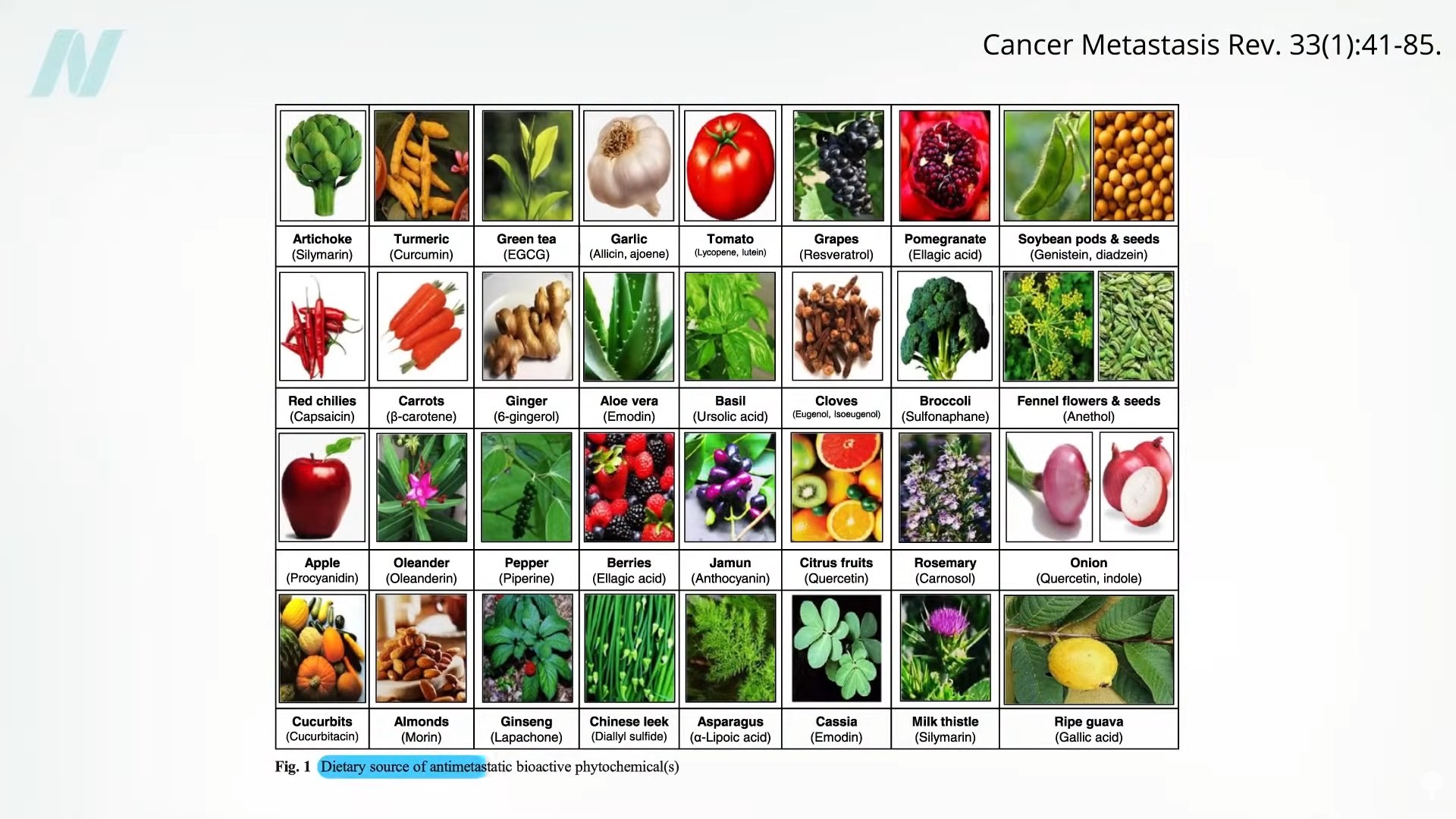
The complexities of cancer, often described by ten distinct hallmarks, are increasingly understood to be influenced by diet and nutrition. The prevailing scientific consensus, supported by numerous studies, advocates for a dietary pattern that minimizes animal product consumption and maximizes the intake of plant-based foods. Among the most beneficial food groups identified are fruits (particularly berries), vegetables (especially leafy greens), legumes (such as beans, split peas, chickpeas, and lentils), nuts and seeds (with flaxseeds being particularly noted), onions, garlic, mushrooms, herbs and spices (like turmeric), and green tea as a beverage.
Critically, the efficacy of chemotherapy in managing cancer is being called into question by some researchers. Studies suggest that many cancer drugs not only impair patients’ quality of life but also fail to significantly extend survival. This raises concerns about the substantial financial burden placed on patients, sometimes necessitating the sale of assets, for treatments that may offer little to no tangible benefit. A call for a minimum three-month extension of life from pharmaceutical interventions has been proposed, yet the industry’s response to demanding clinically meaningful benefits remains a subject of debate. Some speculate that a stricter focus on demonstrable efficacy might prompt a reallocation of resources towards targeting the more lethal aspects of cancer, such as metastatic spread, which accounts for approximately 90% of cancer-related deaths. The primary focus on shrinking tumors, while seemingly beneficial, can be rendered moot if the cancer is actively spreading and shortening a patient’s lifespan.
Targeting Metastasis: The Role of Plant-Based Phytochemicals
The potential for natural bioactive compounds found in plants to control metastatic cancer is an area of growing scientific interest. Research has demonstrated, at least in vitro (laboratory settings), that plant-derived phytochemicals can interfere with nearly every stage of the invasion-metastasis cascade. This cascade describes the complex process by which cancer cells break away from the primary tumor, travel through the body, and establish new tumors in distant sites.

A key player in this process is the family of enzymes known as matrix metalloproteinases (MMPs). These enzymes are crucial for cancer progression, actively facilitating the entire metastatic journey. MMPs enable cancer cells to degrade the surrounding extracellular matrix—the structural scaffold of tissues—allowing them to tunnel through healthy tissue and invade blood or lymphatic vessels. Once in the bloodstream or lymphatic system, cancer cells can then travel to distant organs, establish a foothold, and begin to grow, forming secondary tumors. Given that metastasis is the leading cause of cancer mortality, understanding and inhibiting these enzymes is paramount.
Pharmaceutical companies have indeed developed matrix metalloproteinase inhibitor drugs. While these showed promise in animal models, their translation to human treatment has been fraught with challenges, often leading to severe side effects in patients. This has spurred an exploration into alternative, food-based approaches to inhibit MMP activity.
Legumes Emerge as Potent MMP Inhibitors
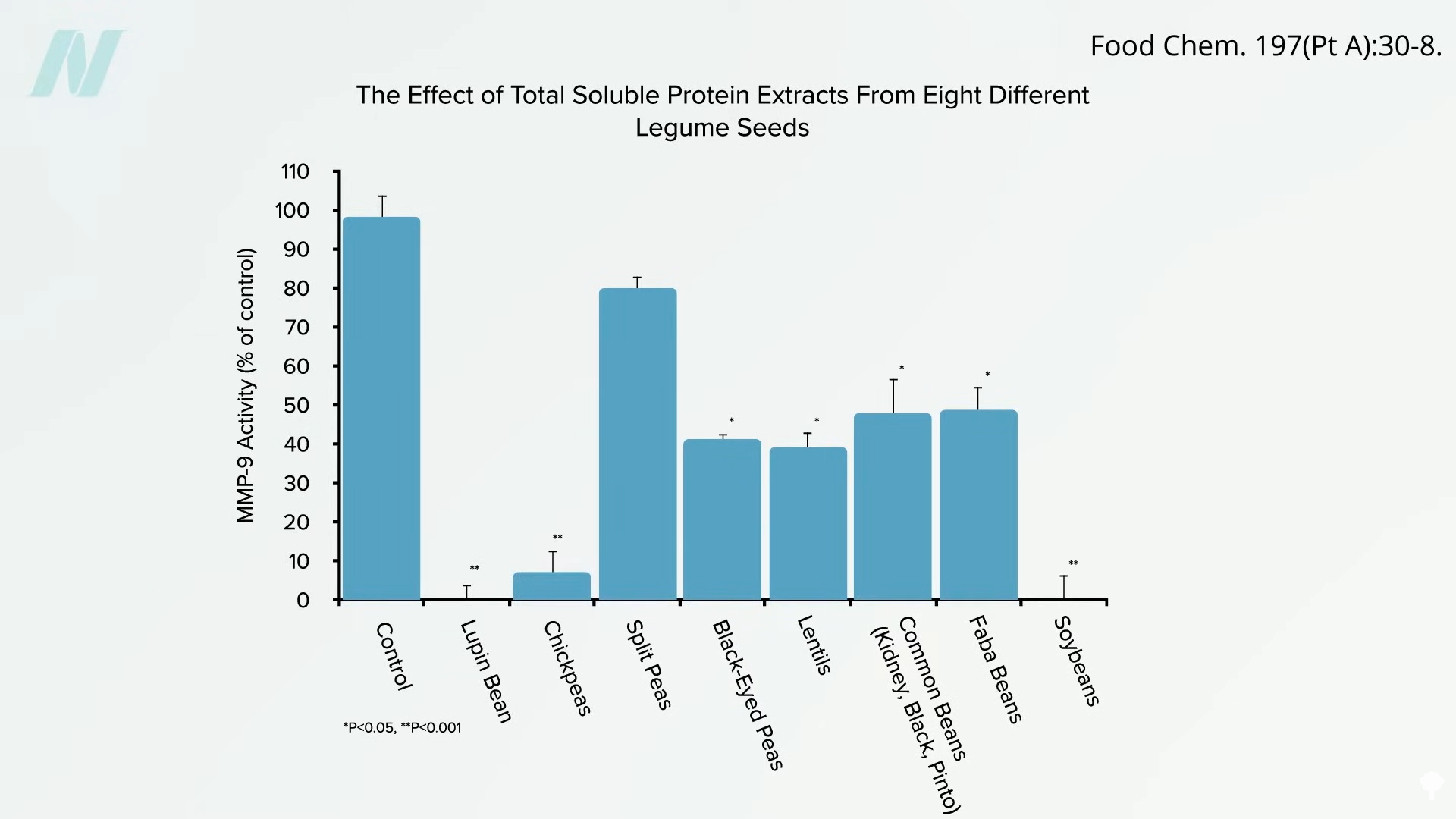
Specialized proteins found in legumes—a diverse group including beans, split peas, chickpeas, and lentils—have been identified as effective modulators of MMP activity. A comprehensive study aimed to determine which legumes possess the strongest inhibitory properties against these cancer-promoting enzymes. Researchers evaluated eight different types: lupin beans, chickpeas, split peas, black-eyed peas, lentils, common beans (such as kidney, black, and pinto varieties), fava beans, and soybeans.
The results of this investigation revealed significant variations in inhibitory potency among the tested legumes. In the absence of any legume extracts, matrix metalloproteinase activity was observed at a baseline level of approximately 100%. The addition of protein extracts from split peas showed minimal impact. However, black-eyed peas, lentils, common beans, and fava beans demonstrated a notable reduction in enzyme activity, cutting it by more than 50%.
The most striking findings came from lupin beans, chickpeas, and soybeans, which exhibited a remarkable capacity to inhibit matrix metalloproteinase activity by over 90%. This suggests that these legumes contain particularly potent compounds that can significantly dampen the enzymatic processes essential for cancer invasion and spread.
Translating In Vitro Findings to Cancer Cell Behavior
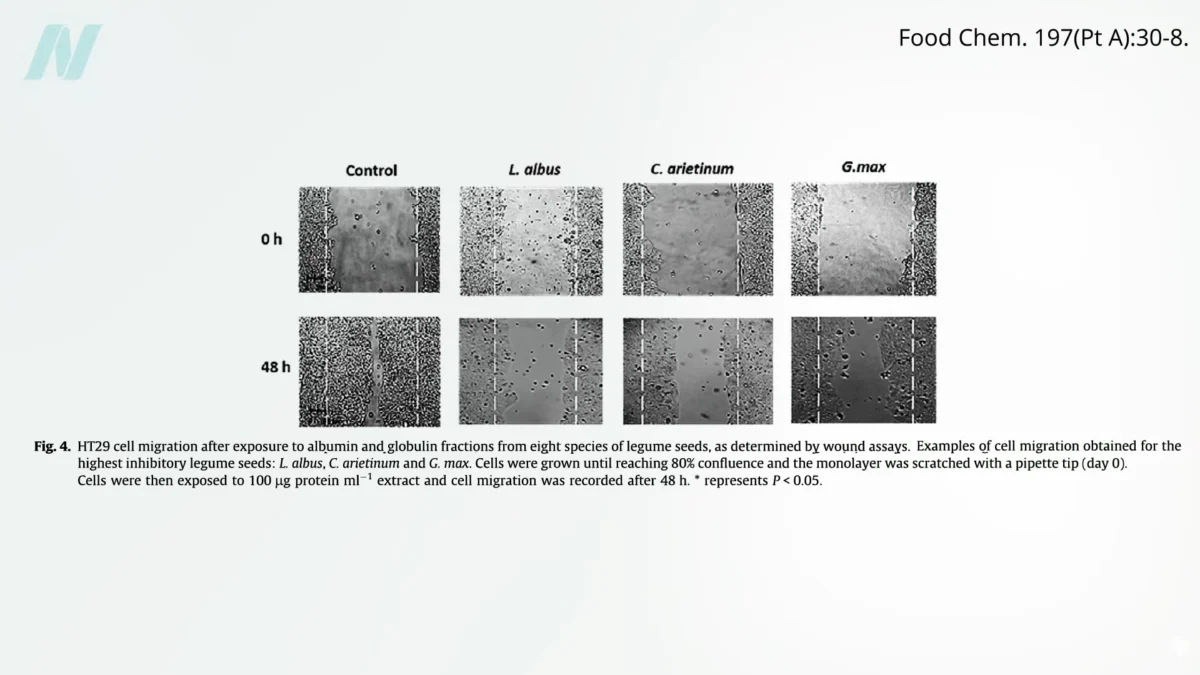
The promising in vitro results prompted further investigation into whether these legume-derived compounds could translate into tangible effects on cancer cell behavior. Researchers conducted experiments where human colon cancer cells were cultured in a petri dish. A strip was then created in the cell layer using a razor blade. In a control group, the cancer cells rapidly migrated to fill the cleared gap within 48 hours, a demonstration of their invasive potential.
However, when protein extracts from lupin beans, chickpeas, or soybeans were introduced, the cancer cells exhibited a significantly reduced ability to close the gap. This observation strongly suggests that these legumes can impede the motility and invasiveness of cancer cells, directly impacting their ability to spread.
The Impact of Cooking on Anti-Cancer Properties
A crucial consideration for dietary interventions is the effect of food preparation methods, particularly cooking, on the bioavailability and efficacy of beneficial compounds. Recognizing that raw beans are not a typical dietary staple, researchers investigated whether the anti-cancer proteins in legumes are degraded by heat. Studies focusing on soybeans, for instance, found that the matrix metalloproteinase inhibitors remained active even after cooking, suggesting that the beneficial properties of these legumes are largely preserved during standard culinary practices. This finding is critical for the practical application of dietary recommendations.
Broader Implications for Cancer Risk and Prevention
The role of legumes in cancer prevention extends beyond their impact on MMPs. Epidemiological studies have consistently shown that regular consumption of legumes is associated with a reduced risk of colorectal cancer. While the precise mechanisms are still under investigation, it is theorized that the localized effects of bean proteins within the digestive tract may play a role, particularly in preventing colon cancer, which originates from the inner lining of the colon and may come into contact with these compounds.
Furthermore, research indicates that individuals adhering to vegetarian diets generally exhibit lower levels of matrix metalloproteinases. While this correlation is often attributed to reduced systemic inflammation—a factor also linked to lower MMP levels in non-smokers—it underscores the broader health benefits of plant-centric eating patterns. The enzyme MMP, beyond its role as a cancer biomarker, is implicated in various inflammatory processes, including autoimmune diseases and cardiovascular disease. Its "machete-like" action can contribute to the rupture of atherosclerotic plaques in diseased arteries, exacerbating cardiovascular events.
The well-established link between plant-based diets and reduced heart disease risk may be complemented by a lesser-appreciated but significant reduction in cancer risk, particularly for those adhering to strictly plant-based dietary patterns.
A Comprehensive Approach to Cancer Prevention
The evidence emerging from studies on legumes and their impact on cancer metastasis highlights a powerful, natural strategy for cancer prevention and management. While conventional chemotherapy continues to be a cornerstone of cancer treatment, the limitations and side effects associated with these drugs necessitate a broader exploration of preventive and adjunctive therapies.
The growing body of research supporting the role of dietary bioactive compounds, particularly those found in legumes, offers a promising avenue for reducing cancer incidence and mortality. By incorporating foods like lupin beans, chickpeas, and soybeans into the diet, individuals may harness the power of nature to inhibit key processes that drive cancer progression, such as the invasive and metastatic capabilities facilitated by matrix metalloproteinases.
The implications of these findings are significant for public health initiatives and individual dietary choices. A shift towards a more plant-centric dietary pattern, rich in legumes and other whole plant foods, not only supports cardiovascular health and reduces inflammation but also provides a potent defense against cancer at its cellular and molecular roots. This aligns with the broader understanding that addressing the fundamental biological processes of cancer, rather than merely managing its symptoms, is crucial for long-term health and well-being.
The scientific community continues to explore the intricate mechanisms by which plant-based foods exert their protective effects, with a particular focus on identifying the specific phytochemicals responsible for inhibiting enzymes like MMPs and disrupting other hallmarks of cancer. As research progresses, the integration of dietary strategies into comprehensive cancer prevention and treatment plans is likely to become increasingly prominent, offering hope for more effective and less toxic approaches to combating this pervasive disease. The humble legume, long a staple in many diets, is proving to be a formidable ally in the fight against cancer.

