

The global yoga landscape is a vibrant tapestry of practices, continuously evolving to meet the diverse needs of millions. To better understand these dynamic trends, DoYou.com recently conducted its Global Yoga Survey, an extensive study that gathered insights from 10,000 individuals across 124 countries. This comprehensive survey sheds light on the most commonly practiced yoga styles, offering a valuable snapshot of current preferences and motivations within the international yoga community. The findings not only highlight the dominant forms of practice but also underscore the varied reasons why people turn to yoga for physical, mental, and emotional well-being.
The DoYou Global Yoga Survey: A Deep Dive into Global Practice
Initiated by DoYou.com, a prominent online platform dedicated to yoga and wellness, the Global Yoga Survey aimed to provide empirical data on global yoga participation. The sheer scale of the survey, encompassing ten thousand respondents from nearly every corner of the world, lends significant weight to its conclusions. Its primary objective was to identify prevalent yoga styles, understand practitioner demographics, explore motivations for practice, and reveal how individuals integrate yoga into their lifestyles. For yoga instructors, studio owners, and aspiring practitioners alike, the survey serves as an invaluable resource, offering clarity on the most sought-after forms of yoga and the underlying factors contributing to their popularity. The data collection, presumed to have taken place over a recent period leading up to its publication, utilized an online questionnaire format, ensuring broad accessibility and anonymous participation, thereby encouraging honest and representative feedback from a wide array of yoga enthusiasts.
Dominant Forces: The Top Three Yoga Styles
The survey’s results clearly delineate the leading yoga styles, with three practices standing out significantly in terms of global adoption. These styles, while distinct in their approach, share common threads that resonate deeply with contemporary health and wellness goals.
1. Vinyasa Flow: The Global Leader (57% Adoption)
Emerging as the undisputed leader, Vinyasa Flow was cited as the primary yoga style by a remarkable 57% of all respondents. This widespread appeal can be attributed to its characteristic fluid movement, synchronized with breath, creating a dynamic and often fast-paced sequence of poses. Vinyasa, meaning "to place in a special way," emphasizes a continuous flow between postures, making it feel like a dance or moving meditation.
Vinyasa is a broad category, encompassing several sub-styles like Power Yoga and Ashtanga. However, when referred to broadly as ‘Vinyasa,’ it signifies a practice celebrated for its flexibility and creative sequencing. Instructors often design unique flows, allowing for considerable variation from class to class, which keeps the practice engaging and prevents monotony. This adaptability ensures that Vinyasa classes can be tailored to various skill levels, from beginners to advanced practitioners, while consistently delivering a robust physical workout. The continuous movement effectively elevates the heart rate, warms the muscles, and promotes cardiovascular health, aligning closely with traditional expectations of exercise. Furthermore, Vinyasa is often perceived as less overtly spiritual than some other traditional yoga forms, making it approachable for those primarily seeking physical benefits, such as increased strength, flexibility, and improved endurance. The tangible and often immediate physical benefits, including enhanced body awareness and a sense of accomplishment, contribute significantly to its global dominance.
2. Hatha Yoga: The Foundation of Practice (42% Adoption)
Securing the second position, Hatha yoga is the preferred style for 42% of survey participants. Often considered the foundational umbrella under which many modern yoga styles developed, Hatha typically involves a slower, more deliberate pace compared to Vinyasa. In a Hatha class, practitioners usually hold individual poses for several breaths, focusing intensely on alignment, stability, and the cultivation of inner awareness.
Hatha yoga is particularly well-suited for beginners due to its emphasis on mastering fundamental postures and understanding proper body mechanics. It provides an excellent entry point into yoga, allowing individuals to build strength, improve flexibility, and develop a deeper connection between breath and movement without the intensity of a fast-paced flow. Beyond its physical benefits, Hatha practice encourages mindfulness and can be profoundly relaxing, making it an ideal choice for those seeking stress reduction and a more contemplative physical experience. Industry experts suggest that Hatha’s enduring popularity stems from its accessibility, its capacity for deep stretching, and its therapeutic qualities, offering a balanced practice that nurtures both body and mind.
3. Restorative Yoga: The Art of Deep Relaxation (29% Adoption)
Completing the top three, Restorative yoga garnered 29% of the votes, highlighting a significant global appetite for practices focused on relaxation and recovery. This style is characterized by its gentle approach, where practitioners hold a few poses for extended periods—often 5 to 20 minutes—with substantial support from props such as bolsters, blankets, blocks, and eye pillows. The primary aim of Restorative yoga is to facilitate deep relaxation, activate the parasympathetic nervous system, and allow the body to release tension passively.
The poses typically include forward folds, gentle twists, and supported inversions, all designed to be profoundly comforting and stress-reducing. Restorative yoga is highly beneficial for mitigating the effects of chronic stress, aiding recovery from illness or injury, and improving sleep quality. Practitioners often praise its capacity to calm the mind and soothe the nervous system, making it an excellent practice before bedtime or during periods of high stress. Its accessibility to individuals of all physical abilities, including those with limited mobility, further contributes to its growing appeal as a therapeutic and deeply nourishing practice in an increasingly fast-paced world.
Specialized and Challenging Practices: Expanding the Yoga Horizon

Beyond the top three, the survey identified several other significant yoga styles that cater to more specific preferences, ranging from intense physical challenges to highly disciplined, precise forms.
4. Power Yoga: The Fitness-Forward Flow (29% Adoption)
Sharing the 29% adoption rate with Restorative Yoga, Power Yoga stands out as a vigorous and athletic form of Vinyasa. While rooted in the principles of Vinyasa – linking breath to movement – Power Yoga is specifically designed to be more physically demanding. Instructors often incorporate challenging inversions, arm balances, and longer holds in strength-building postures. The pace can be quicker, and sequences are frequently crafted to build significant heat, stamina, and muscular endurance.
Power Yoga appeals strongly to individuals seeking a high-intensity workout that combines the benefits of traditional yoga with a strong focus on physical fitness. It is renowned for building core strength, increasing flexibility, and improving cardiovascular health. Practitioners often cite the feeling of empowerment and the visible physical transformations as key motivators. This style is particularly popular among athletes and those who enjoy pushing their physical limits within a structured, yet creative, yoga framework.
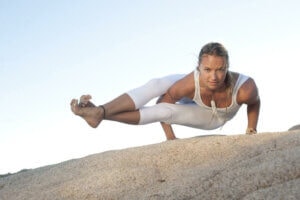
5. Ashtanga Yoga: The Path of Discipline (25% Adoption)
Ashtanga Yoga, practiced by 25% of respondents, is a traditional and highly structured form of Vinyasa. Its defining characteristic is a prescribed sequence of poses, known as the Primary Series, Intermediate Series, and Advanced Series. Unlike the varied flows of general Vinyasa, every Ashtanga class, regardless of location, follows the same set sequence, performed in the same order. This method, often taught in the Mysore style (self-practice under teacher supervision), emphasizes internal heat generation through synchronized breath (Ujjayi), specific gaze points (drishti), and energy locks (bandhas).
Ashtanga appeals to practitioners who thrive on routine, discipline, and measurable progress. The repetitive nature of the practice allows for deep internalization of the poses, fostering intense concentration and a meditative state. It is celebrated for building exceptional strength, flexibility, and stamina, while also cultivating mental fortitude. The consistency of the sequence provides a clear pathway for practitioners to observe their physical and mental evolution over time, making it a powerful practice for self-transformation.
6. Yin Yoga: The Deep Connective Tissue Work (17% Adoption)
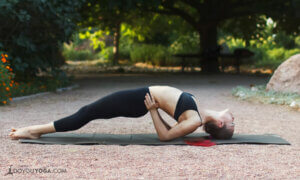
Yin Yoga, embraced by 17% of survey participants, presents a profound contrast to more dynamic yoga styles. Similar to Restorative yoga in its slow pace and long holds, Yin yoga specifically targets the body’s deeper connective tissues—fascia, ligaments, joints, and bones—rather than muscles. Poses are typically held for three to five minutes, or even longer, allowing gravity and time to work on these dense tissues. While props may be used for support, the intention is often to find a "healthy edge" of sensation, rather than complete relaxation.
Yin yoga is considered the "yin" (passive, cool, internal) to the "yang" (active, hot, external) of more dynamic practices. It helps improve joint mobility, increase range of motion, and release deeply held tension. The prolonged holds require significant mental focus and patience, cultivating mindfulness and an ability to sit with discomfort. Many practitioners find Yin yoga to be an essential complement to their more active lifestyles or dynamic yoga practices, aiding in injury prevention and promoting overall joint health and energetic balance. Its therapeutic benefits for flexibility and mental stillness are widely recognized.
7. Bikram/Hot Yoga: Embracing the Heat (10% Adoption)
Practiced by 10% of respondents, Bikram and Hot Yoga styles are distinguished by their heated environments. Bikram yoga is a highly specific practice, consisting of 26 postures and two breathing exercises performed in a room heated to 35–42°C (95–108°F) with 40% humidity, following a precise sequence. Generic Hot Yoga, while also conducted in a heated space, allows for more variation in sequences and temperatures.

The appeal of hot yoga lies in the belief that the elevated temperature facilitates deeper stretching, increases detoxification through sweating, and provides an intense cardiovascular workout. Practitioners often report feeling deeply cleansed and invigorated after a session. However, it comes with a crucial caveat: intense hydration is paramount. Adequate fluid intake should begin at least 24 hours prior to a class and continue afterward to replenish electrolytes and prevent dehydration. The rigorous nature and specific environmental conditions of these practices require careful preparation and awareness of one’s physical limits.
8. Iyengar Yoga: The Art of Precision (8% Adoption)
Iyengar Yoga, a specialized subset of Hatha yoga, was chosen by 8% of the survey respondents. Developed by B.K.S. Iyengar, this style is renowned for its meticulous attention to detail, precision in alignment, and the prolonged holding of poses. A hallmark of Iyengar yoga is the extensive use of props—such as blocks, blankets, straps, chairs, and even walls—to help practitioners achieve optimal alignment, deepen their understanding of postures, and safely access poses regardless of their physical capabilities or limitations.
Classes typically focus on a specific group of poses within a sequence, with careful instructions on how to enter, hold, and exit each posture. The emphasis on anatomical precision and the therapeutic application of poses makes Iyengar yoga particularly beneficial for individuals recovering from injuries, managing chronic conditions, or those seeking a deep, analytical understanding of their body. Its systematic approach allows practitioners to build strength, flexibility, and balance progressively, while also cultivating intense concentration and mindfulness through sustained attention to form and breath.
Broader Implications and the Evolving Yoga Landscape
The findings of the DoYou Global Yoga Survey underscore a fundamental truth about modern yoga: it is a profoundly diverse and adaptable practice that caters to a wide spectrum of human needs and preferences. The popularity of Vinyasa Flow highlights a global desire for dynamic, fitness-oriented movement, while the strong showing of Hatha and Restorative yoga reflects an equally significant demand for foundational, therapeutic, and deeply relaxing practices. The presence of specialized styles like Power, Ashtanga, Yin, Bikram/Hot, and Iyengar yoga demonstrates that a substantial portion of the global community seeks more niche, challenging, or detail-oriented approaches.
This diversity has significant implications for the global wellness industry. Yoga studios and online platforms are increasingly tasked with offering a broad range of styles to meet varied client demands. The rise of online resources, exemplified by platforms like DoYou.com, has further democratized access to these diverse practices, allowing individuals worldwide to explore different styles and personalize their yoga journey from the comfort of their homes. This personalization is a key trend, enabling practitioners to select styles that align not only with their physical goals but also with their mental and emotional states on any given day.
The survey implicitly reinforces that people engage in yoga for a multitude of reasons: to reduce stress, improve physical health, enhance mental clarity, or embark on a path of self-discovery. The choice of yoga style often reflects these underlying motivations. As the global consciousness around holistic well-being continues to grow, the insights from this survey will undoubtedly inform how yoga is taught, marketed, and experienced across the world, ensuring that this ancient practice remains relevant and accessible to future generations. The rich variety revealed by the Global Yoga Survey ensures that, indeed, there is a yoga style for everyone, inviting individuals to explore and find the practice that resonates most deeply with their personal journey.

