

The question of whether increased nut consumption contributes to longevity, and if this benefit stems solely from the substitution of plant-based proteins for animal proteins, is a complex one, fraught with challenges in research interpretation and potential conflicts of interest. A closer examination of influential nutrition journals and their funding sources reveals a landscape where scientific inquiry can be subtly, or not so subtly, influenced by industry partnerships. This article delves into the intricacies of nutrition research, highlighting how seemingly robust findings can be misleading and how genuine health benefits, such as those associated with nuts, can be obscured by flawed study designs and biased reporting.
The Influence of Industry on Nutrition Science
At the heart of this discussion lies The American Journal of Clinical Nutrition, widely recognized as a leading peer-reviewed scientific journal in nutrition and dietetics. However, its standing is contextualized by its publisher, the American Society of Nutrition. This organization’s sustaining partners include entities like The Sugar Association, major soda companies, and significant players in the meat, dairy, and egg industries. This extensive industry backing raises pertinent questions about potential biases in the research it publishes.
A notable example of this concern arose with the publication of an article that asserted eating red meat "does not negatively influence cardiovascular disease risk factors." This finding, published in a journal with direct ties to organizations like the National Cattlemen’s Beef Association, has been a focal point for critics who argue that the research methodology employed may have been compromised to produce a favorable outcome for the red meat industry.
Deconstructing Flawed Meta-Analyses: The "Compared With What?" Conundrum
The controversy surrounding the red meat study centers on a meta-analysis of randomized controlled trials. Critics, including prominent researchers like Drs. Neal Barnard and Walter Willett, highlighted a fundamental flaw in the study’s design, famously articulating it with the question: "Compared with what?" In their editorial, "The Misuse of Meta-analysis in Nutrition Research," they dissected the methodology of a meta-analysis that purportedly showed no significant impact of red meat consumption on cholesterol or blood pressure.
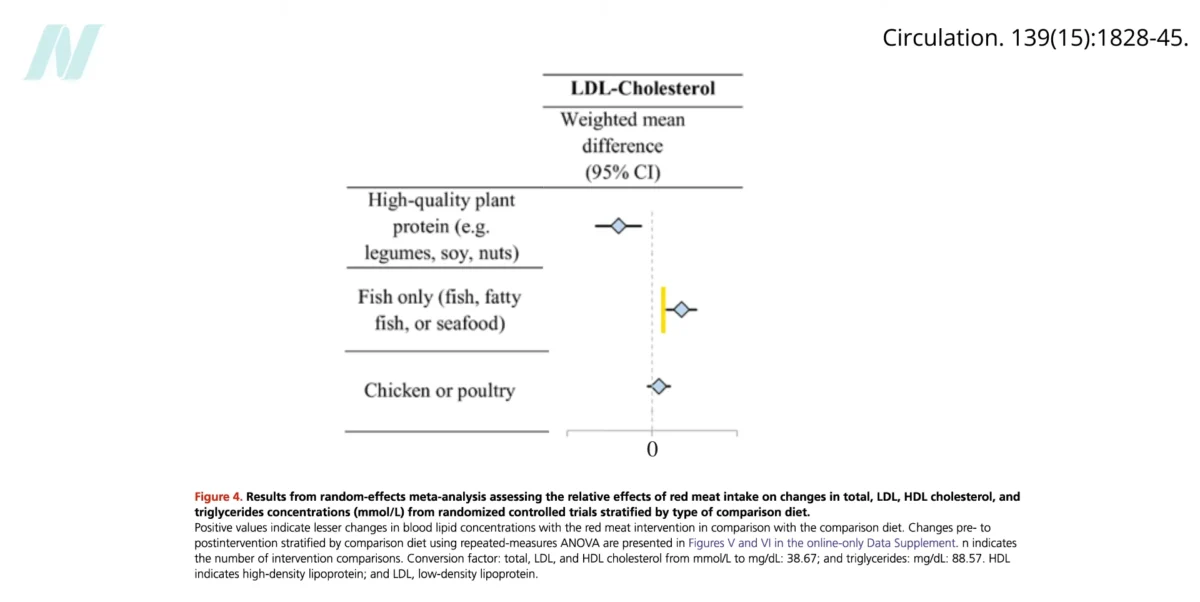
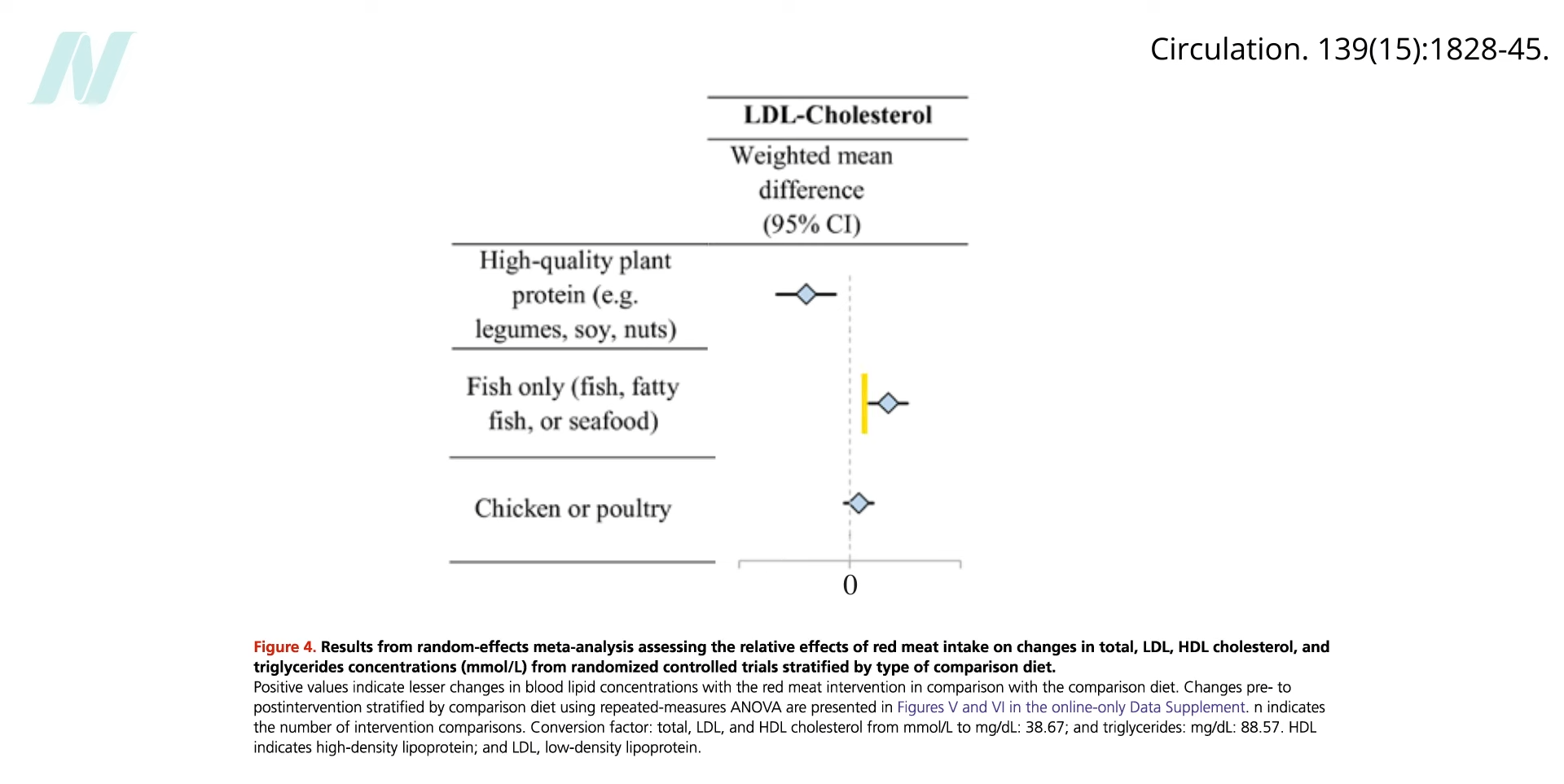
Of the 39 trials included in this meta-analysis concerning LDL cholesterol, nearly 90% did not compare red meat to a truly neutral or beneficial control. Instead, they involved swapping one type of meat for another, predominantly comparing red meat to white meat (poultry). This critical oversight means that participants in the "control" groups were often still consuming animal protein, albeit of a different kind. The researchers utilized control diets that included chicken or fish.
The Meat-to-Meat Substitution Fallacy
The implication of these meat-to-meat substitutions is significant. Research has indicated that when it comes to cholesterol levels, the impact of consuming beef is comparable to that of fish or poultry. By comparing red meat to other animal protein sources, the studies effectively masked any potential negative effects of red meat itself. This methodological approach has been likened to testing the impact of one sugary snack against another. For instance, a study claiming that "total Twinkie intake does not negatively influence risk factors" by switching Twinkies with Ding Dongs would be inherently flawed. If participants in the "control" group were still consuming Ding Dongs, the comparison would fail to demonstrate a true health benefit or detriment of either snack. This strategy mirrors tactics sometimes employed by the pharmaceutical industry, where a new drug is tested against a placebo known to be ineffective or even detrimental, making the new drug appear more beneficial by comparison.
The Salutary Effects of Plant-Based Protein
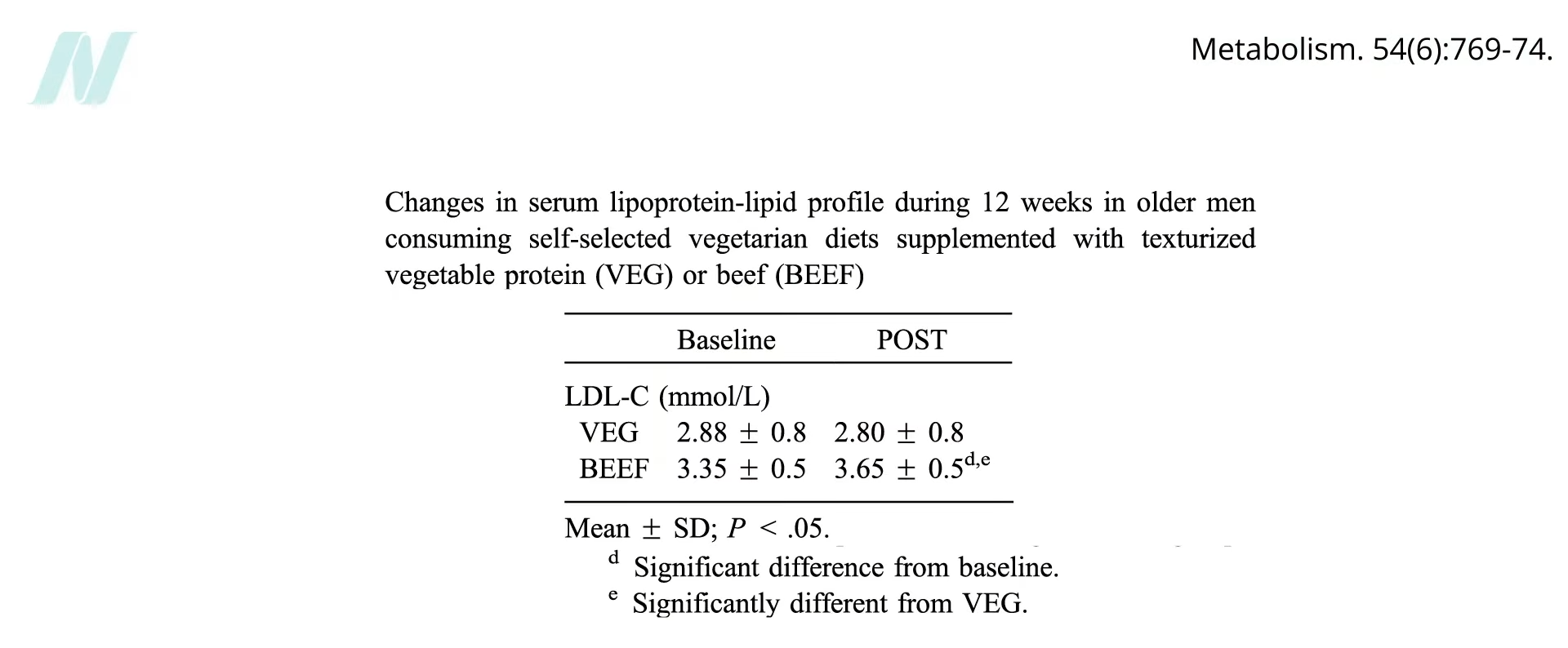
In stark contrast, when meat is replaced with plant-based alternatives, the health outcomes are markedly different. Studies involving the substitution of meat with plant-based sausages, plant-based chicken patties, and veggie dogs have consistently shown significantly lower cholesterol levels. This was demonstrated in a study illustrating that swapping out meat for these plant-based options led to a noticeable reduction in cholesterol.
This positive effect is not solely attributable to reduced saturated fat content, although plant-based meats generally contain less. Even independent of saturated fat levels, research indicates that consuming any type of meat—red meat, white meat, or fish—results in higher LDL cholesterol compared to non-meat protein sources. A review of studies concluded that this finding aligns with recommendations promoting diets rich in plant-based foods. However, the comparison within meat categories reveals a nuanced picture: white meat like chicken and turkey may be as detrimental to cholesterol levels as red meat. Fish, while often perceived as healthier, may even be worse in some contexts, particularly when saturated fat content is standardized through the addition of ingredients like butter. At equivalent saturated fat levels, fish has appeared to be more detrimental than beef, with chicken showing similar negative impacts to beef.
The Superiority of Plant Protein Sources
The consistent beneficiaries in these comparative studies are plant protein sources such as soy, nuts, and legumes (including beans, split peas, chickpeas, and lentils). These foods consistently lead to better cholesterol profiles.
Nuts and Longevity: A Deep Dive into the Evidence
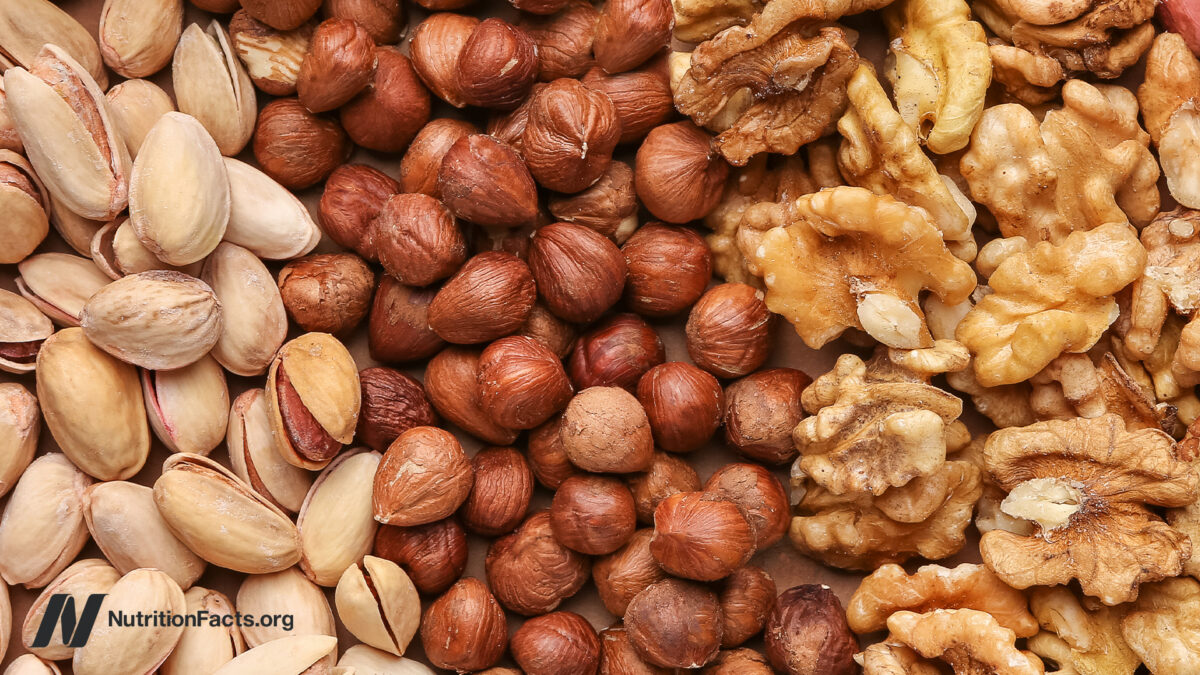
The impact of replacing even a single serving of lean beef with an equivalent calorie amount of nuts or soybeans is demonstrably effective in lowering LDL cholesterol. This is particularly significant given that elevated LDL cholesterol is a primary risk factor for cardiovascular disease, the leading cause of death globally.
This evidence prompts the question: is the association between daily nut consumption and a reduced risk of premature death—a staggering 22% reduction observed in some studies—directly linked to the substitution of nuts for meat? The impact of inadequate nut intake is estimated to contribute to millions of deaths annually, underscoring their critical role in public health.
Independent of Dietary Preferences: Nuts Benefit All
Further research indicates that the mortality benefits associated with nut consumption are independent of an individual’s overall dietary pattern. The reduced mortality risk is not confined to individuals already adhering to a "health nut" lifestyle. In fact, when comparing a dozen different food groups, nuts have outperformed even vegetables in their association with a lower risk of premature death. This suggests that the benefits of nuts are robust and extend across diverse dietary habits.
Doctor’s Recommendations and Broader Implications
In light of this evidence, a daily intake of a quarter cup (approximately one ounce) of nuts is recommended as part of a balanced diet. This recommendation is supported by a growing body of scientific literature that highlights the multifaceted health advantages of regular nut consumption.
The findings also shed light on the broader implications of nutrition research and its susceptibility to industry influence. The strategies employed to downplay the negative effects of red meat—namely, the flawed comparison against other animal products—illustrate a pattern of "corporate playbook" tactics used to shape public perception and potentially undermine dietary guidelines. Understanding these tactics is crucial for consumers and policymakers alike to ensure that health recommendations are based on unbiased, rigorous scientific evidence.
The Corporate Playbook Behind Undermining Dietary Guidelines: A Deeper Investigation
The patterns observed in the red meat studies are not isolated incidents. A forthcoming series will delve into "The Corporate Playbook Behind Undermining Dietary Guidelines," exploring how various industries have historically influenced nutritional science and public health messaging. This investigation will likely examine:
- Historical Context: The evolution of dietary recommendations and how industry lobbying has attempted to shape them over time. This could include examining past controversies surrounding sugar, fat, and processed foods.
- Research Funding and Publication Bias: The mechanisms through which industry funding can influence research questions, methodologies, and the interpretation and publication of results. This includes looking at the role of trade associations and sponsored research.
- Lobbying and Policy Influence: The methods used by industries to influence government regulations, dietary guidelines, and public health policies, often through direct lobbying efforts and funding of advocacy groups.
- Public Relations and Marketing Strategies: The use of public relations campaigns, celebrity endorsements, and targeted marketing to promote products and influence consumer behavior, sometimes at the expense of public health.
- The Role of Scientific Societies and Journals: A critical look at how scientific organizations and journals navigate the complexities of industry partnerships and maintain scientific integrity in the face of potential conflicts of interest.
By understanding these dynamics, individuals can become more discerning consumers of nutrition information and advocates for health policies grounded in independent, evidence-based science. The enduring benefits of foods like nuts, when evaluated through unbiased research, offer a clear path toward improved public health and longevity.

