

The pervasive issue of weight bias and discrimination is not merely a social inconvenience; it is a critical public health concern that perpetuates a damaging cycle, exacerbating stress, hindering healthy behaviors, and ultimately diminishing quality of life and longevity. Emerging research and expert analysis highlight how societal attitudes and individual experiences of stigma contribute to a complex web of negative health outcomes, challenging conventional approaches to weight management and public health interventions.
The Vicious Cycle of Weight Stigma
At its core, weight stigma creates a detrimental feedback loop. While total fasting can significantly elevate cortisol levels, a key stress hormone, the act of dieting alone does not necessarily produce the same physiological stress response. However, the relentless pressure and judgment associated with weight stigma can dramatically increase stress. Studies following thousands of individuals over four years revealed that those who reported experiencing discrimination related to their weight were more than twice as likely to become obese. Furthermore, individuals who were already obese faced more than triple the odds of remaining so if they encountered weight-based discrimination, compared to their counterparts who maintained the same weight but were spared such experiences.
This amplification of obesity risk can be attributed to two primary mechanisms. Firstly, stress-induced eating, a common coping mechanism for psychological distress, can lead to increased calorie consumption. Secondly, the fear of judgment and embarrassment associated with weight stigma can trigger avoidance of physical activity. Individuals who feel they are "too fat to exercise" often retreat from public spaces like gyms and fitness centers, fearing negative reactions. This fear is not unfounded, as documented biases against individuals with higher body weights have been observed among fitness professionals and regular gym-goers alike, potentially creating an unwelcoming environment that discourages participation in crucial health-promoting activities.
The consequences of weight stigma extend beyond weight gain. Independent of any changes in body mass, individuals who experience frequent weight-based discrimination report a higher prevalence of depression, increased inflammation, elevated levels of oxidative stress, and a demonstrably shorter lifespan. Two comprehensive studies, encompassing nearly 20,000 participants, found a substantial increase in mortality risk – approximately 50% – among those who reported experiencing greater daily discrimination related to their weight. This evidence strongly suggests that weight discrimination can directly contribute to premature mortality.
The Controversial Debate: Stigmatization as a Public Health Tool
Despite the overwhelming evidence of its detrimental effects, some scholars have controversially advocated for the use of stigmatization as a public health strategy to combat the obesity epidemic. This perspective draws parallels with successful anti-smoking campaigns that effectively transformed public perception of smoking from a socially acceptable habit to reprehensible behavior. Proponents of this approach argue that social pressures, a form of "stigmatization lite," can be a powerful tool to counteract the pervasive influence of food and beverage advertising, which billions are spent on annually.
One prominent argument, articulated by the President Emeritus of the Hastings Center, suggests that social stigma, akin to the pressure he experienced to quit smoking, can be a more potent motivator for weight loss than health threats alone. This perspective posits that by elevating societal disapproval of obesity, a similar shift in public behavior and attitudes could be achieved. The tobacco industry’s decline in social acceptance, largely attributed to public health campaigns that fostered stigma, serves as a historical precedent for this line of reasoning.

Examining the Efficacy and Ethical Implications of Stigma-Based Campaigns
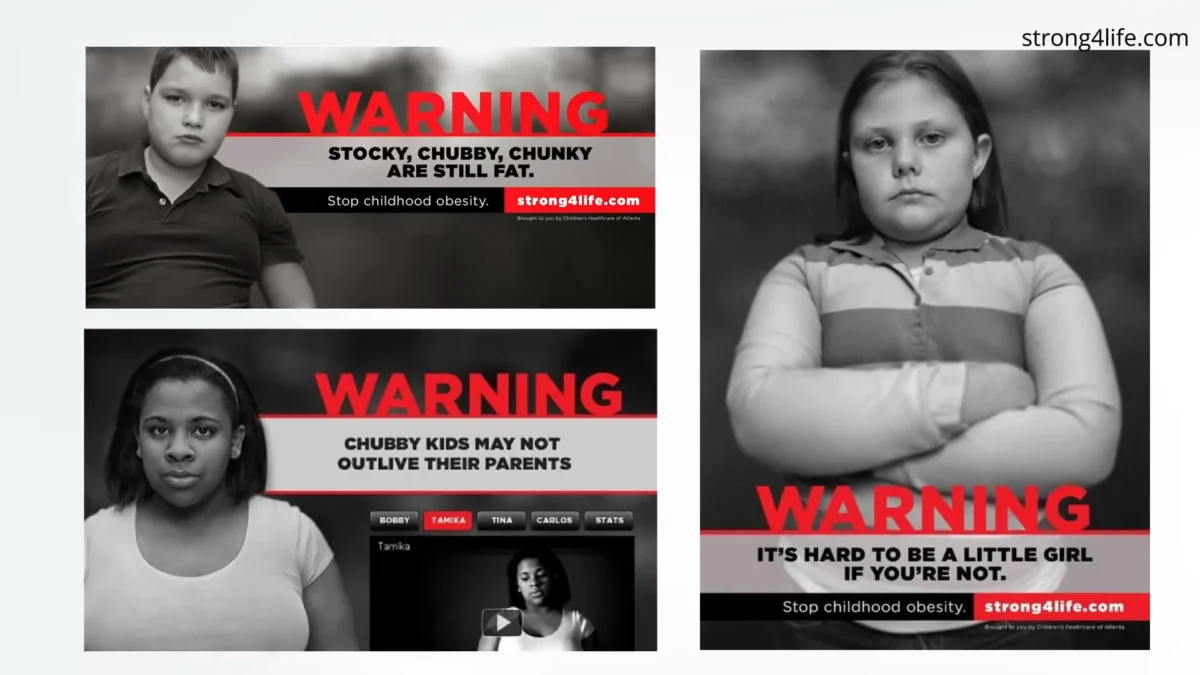
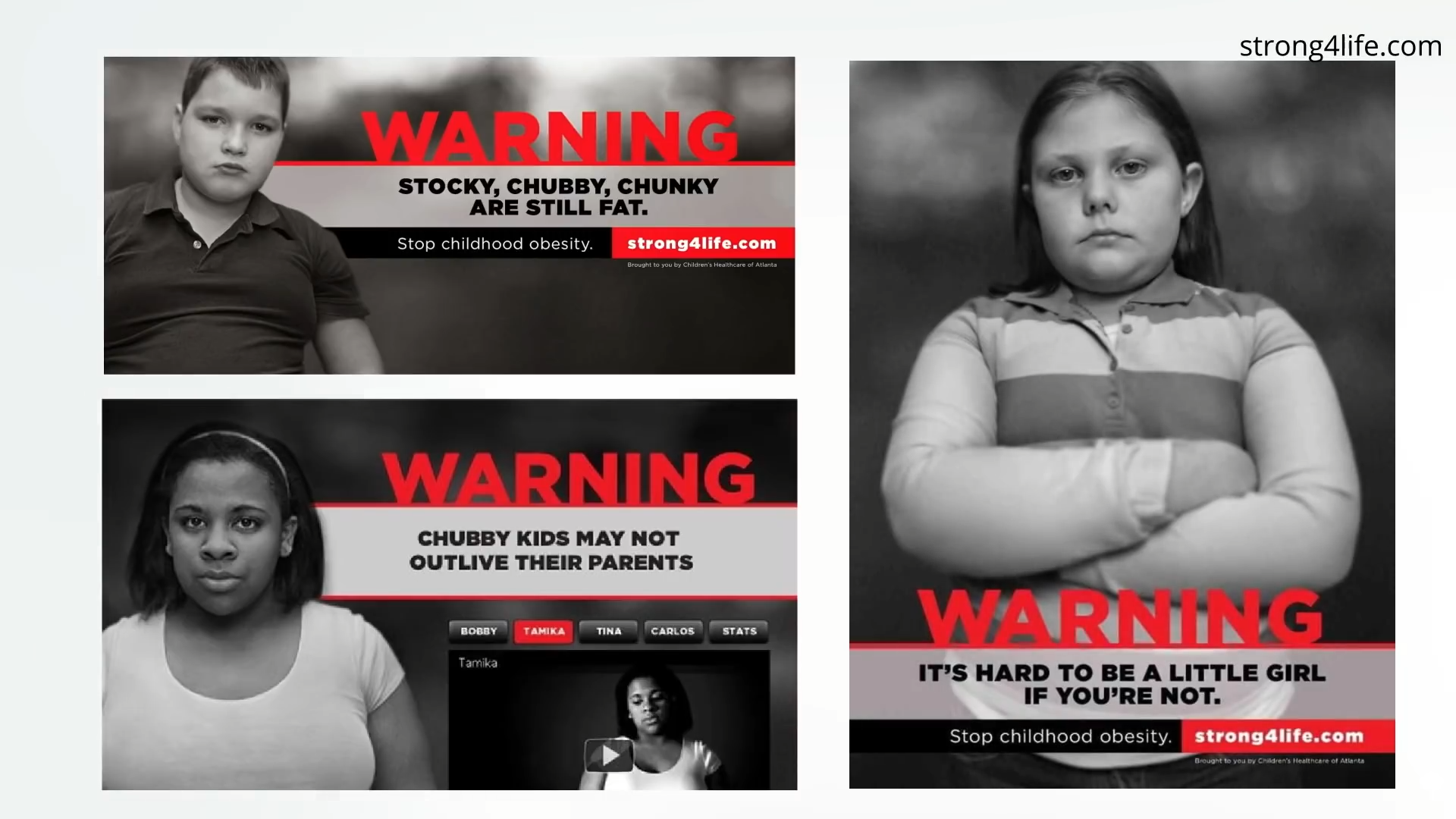
However, attempts to implement such stigma-based campaigns have met with significant resistance and questionable effectiveness. A notable example is Georgia’s "Strong4Life" campaign, which utilized billboards featuring images of overweight children with stark messages such as "Warning: Chubby kids may not outlive their parents" and "It’s hard to be a little girl if you’re not." The campaign’s sponsors defended these controversial advertisements as a necessary measure to break through the denial surrounding high childhood obesity rates in the state.
Yet, the underlying premise that stigma motivates positive behavioral change has been directly challenged by scientific research. A study conducted by Yale researchers investigated the impact of stigmatizing content on eating behaviors. When women of normal weight viewed clips depicting negative stereotypes associated with weight, their consumption of snacks like M&Ms, jelly beans, and chips remained largely unchanged compared to when they viewed neutral content. In stark contrast, overweight women who watched the same stigmatizing videos significantly increased their calorie intake, tripling their consumption.
This finding directly refutes the notion that pressure to lose weight through stigma has a motivating effect. Instead, it suggests that such exposure can paradoxically lead to increased eating, effectively worsening the situation. The researchers concluded that weight stigma does not foster a positive, motivating influence on overweight individuals and, in fact, has the potential to exacerbate their struggles. This is further supported by research indicating that being labeled "too fat" during childhood is associated with a higher risk of becoming obese later in life, even when controlling for initial weight.
The Role of Healthcare Professionals and Patient Communication
The reluctance of healthcare professionals to address weight issues with patients is another significant factor contributing to the problem. Similar to veterinarians who may hesitate to inform pet owners about their animals’ obesity, fewer than a quarter of parents of overweight children report being informed by pediatricians about their child’s weight status. This reticence, coupled with parents’ often inaccurate perception of their children’s weight, contributes to a societal "mass delusion" regarding the rising prevalence of obesity.
However, being informed by a doctor about one’s weight status can be a powerful catalyst for change. Studies indicate that individuals told by their physician they are overweight are approximately four times more likely to attempt weight loss and twice as likely to succeed. This underscores the importance of open and empathetic communication within the healthcare setting.
Conversely, physicians who are themselves overweight may be less inclined to initiate conversations about weight loss or document obesity in patient charts. Ironically, overweight patients often express greater trust in the dietary advice provided by overweight doctors compared to those of normal weight. Despite this potential for connection, primary care physicians often lack specific guidance and time to dedicate to weight management, citing inadequate reimbursement as a significant barrier. The absence of appropriate financial incentives for weight management counseling may inadvertently perpetuate a system where victims of weight bias are blamed, rather than supported. As one commentary aptly stated, "If shaming reduced obesity, there would be no fat people."
The Lived Experience of Obesity: A Profound Burden
To truly grasp the impact of weight stigma, it is crucial to understand the lived experience of individuals struggling with obesity. A groundbreaking study interviewed 47 men and women who had successfully lost and maintained a significant amount of weight, averaging over 100 pounds. These individuals, having personally experienced morbid obesity and subsequently achieved substantial weight loss, offered profound insights into the burden of carrying excess weight.
When asked to choose between remaining morbidly obese indefinitely or receiving millions of dollars, an overwhelming majority of participants, 46 out of 47, unequivocally chose to be of normal weight, even without financial compensation. None of the participants chose the option of remaining morbidly obese for financial gain, indicating that the desire for a healthy weight far outweighed any monetary incentive.
The study’s findings became even more striking when participants were asked to compare obesity to other disabilities. In a typical scenario, individuals with a disability tend to prefer their existing condition over switching to another due to the familiarity and established coping mechanisms. For instance, blind individuals often prefer remaining blind rather than gaining sight without the ability to hear. However, the formerly obese individuals in this study exhibited the opposite preference.
Every single participant stated they would rather live with deafness, dyslexia, diabetes, severe acne, or heart disease for the rest of their lives than be obese. Over 90% expressed a preference for having a leg amputated or being legally blind over being obese. This data suggests that obesity is uniquely perceived as the most undesirable handicap, with nearly all individuals expressing a strong desire to switch conditions, regardless of the alternative. The poignant observation, "When you’re blind, people want to help you. No one wants to help you when you’re fat," encapsulates the profound social isolation and lack of support often experienced by individuals living with obesity.
Conclusion: Towards a Compassionate and Evidence-Based Approach
The evidence unequivocally demonstrates that weight stigma is a harmful force that perpetuates a vicious cycle of stress, unhealthy behaviors, and negative health outcomes. While the intention behind some public health interventions may be to encourage weight loss, the strategy of shaming and stigmatization has proven ineffective and, in fact, counterproductive.
Moving forward, a paradigm shift is urgently needed in how society, healthcare systems, and public health initiatives address weight. This requires fostering environments of compassion, understanding, and support, rather than judgment and blame. Healthcare professionals must be equipped and incentivized to engage in sensitive and effective communication about weight, providing evidence-based guidance and resources. Public discourse needs to move beyond simplistic notions of willpower and embrace the complex interplay of biological, psychological, and social factors that influence weight. Ultimately, addressing the weight bias epidemic is not just about improving health outcomes; it is about affirming the dignity and well-being of every individual.

