

The pursuit of optimal health through diet has long been a cornerstone of public health initiatives and individual wellness journeys. Central to this endeavor is the ability to accurately assess the quality of one’s diet. For decades, researchers have grappled with developing robust metrics that go beyond simple calorie counting or food group classifications. One particularly insightful approach that has emerged is the Phytochemical Index (PI), a measure that quantifies the proportion of dietary calories derived from plant-based foods rich in phytochemicals. This index offers a compelling lens through which to understand the intricate relationship between diet and a vast spectrum of health outcomes, from weight management and metabolic health to chronic disease prevention and even mental well-being.
Understanding the Phytochemical Index
The concept of a "perfect diet score" hinges on identifying a dietary pattern that maximizes nutrient density and minimizes harmful components. Early research often pointed to vegetarian diets as inherently superior due to their typically higher intake of micronutrients and fiber. Studies comparing vegetarian and non-vegetarian diets consistently reveal that plant-centric eating patterns tend to score higher in overall diet quality. This enhanced nutrient profile in vegetarian diets is believed to contribute to better health outcomes, including reduced risks of various chronic diseases.
However, the nutritional landscape of a vegetarian diet is not uniformly healthy. A significant pitfall observed in some vegetarian populations is a higher consumption of refined grains, such as white rice and white bread. These foods, stripped of their bran and germ, lose a substantial portion of their inherent nutritional value. This realization underscored the need for a more nuanced dietary assessment tool, one that recognizes that simply adhering to a vegetarian label does not automatically guarantee optimal health. The presence of refined grains, alongside other less nutritious options, can significantly dilute the health benefits of an otherwise plant-based diet.
The scientific community has long recognized the paramount importance of whole plant foods in promoting health. This understanding led to the conceptualization of scoring systems that would tally the intake of fruits, vegetables, whole grains, legumes (beans, chickpeas, split peas, lentils), nuts, and seeds, often measured in cups or ounces per 1,000 calories. While such an approach provides a valuable snapshot of whole plant food consumption, it can be insufficient on its own. A diet rich in whole plant foods could still be accompanied by a high intake of less healthy items, such as donuts or other processed treats.
To address this limitation, researchers explored proportional intake measures. These systems aim to determine the percentage of one’s diet that consists of whole plant foods, calculated either by calories or by weight. In this framework, points are deducted for the consumption of animal-derived foods (meat, dairy, eggs), added sugars, and unhealthy fats. This proportional approach offers a more comprehensive evaluation, acknowledging that the overall dietary context matters significantly.
McCarty’s Phytochemical Index: Simplicity and Power
Among these proportional intake measures, Mark McCarty’s "phytochemical index" has garnered significant attention for its elegance and practicality. Defined as "the percent of dietary calories derived from foods rich in phytochemicals," the PI assigns a score from 0 to 100, reflecting the caloric contribution of these beneficial plant compounds. Phytochemicals are biologically active substances naturally present in plants that are thought to be responsible for many of the health benefits associated with consuming whole plant foods. They play crucial roles in protecting plants from environmental stressors and, when consumed by humans, can exert protective effects against cellular damage, inflammation, and chronic diseases.

The simplicity of the PI makes it an attractive tool for both research and clinical application. While the direct quantification of specific phytochemicals in food or tissue samples can be a complex, labor-intensive, and expensive process, the PI offers a feasible proxy for monitoring phytochemical intake. Researchers have recognized that "monitoring phytochemical intake in the clinical setting could have great utility" in guiding individuals toward diets that promote optimal health and disease prevention. The PI serves as a practical alternative for assessing this crucial aspect of dietary quality.
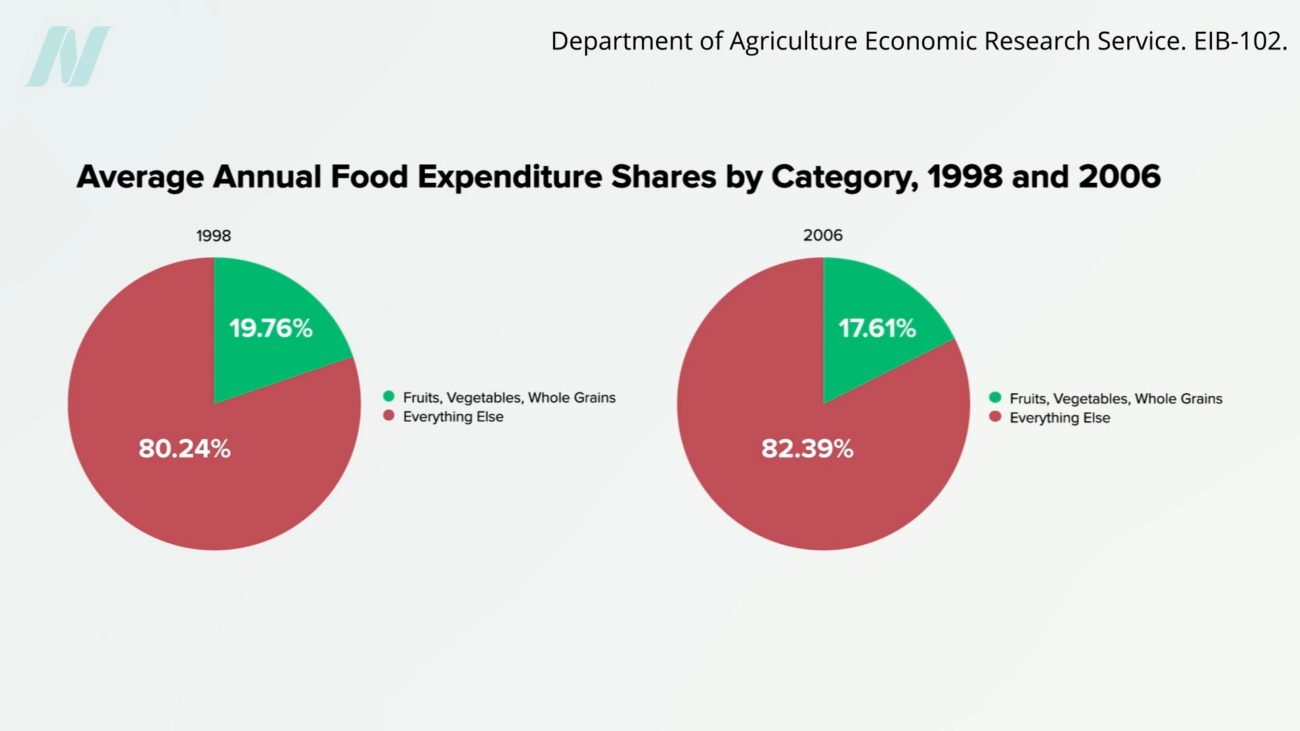
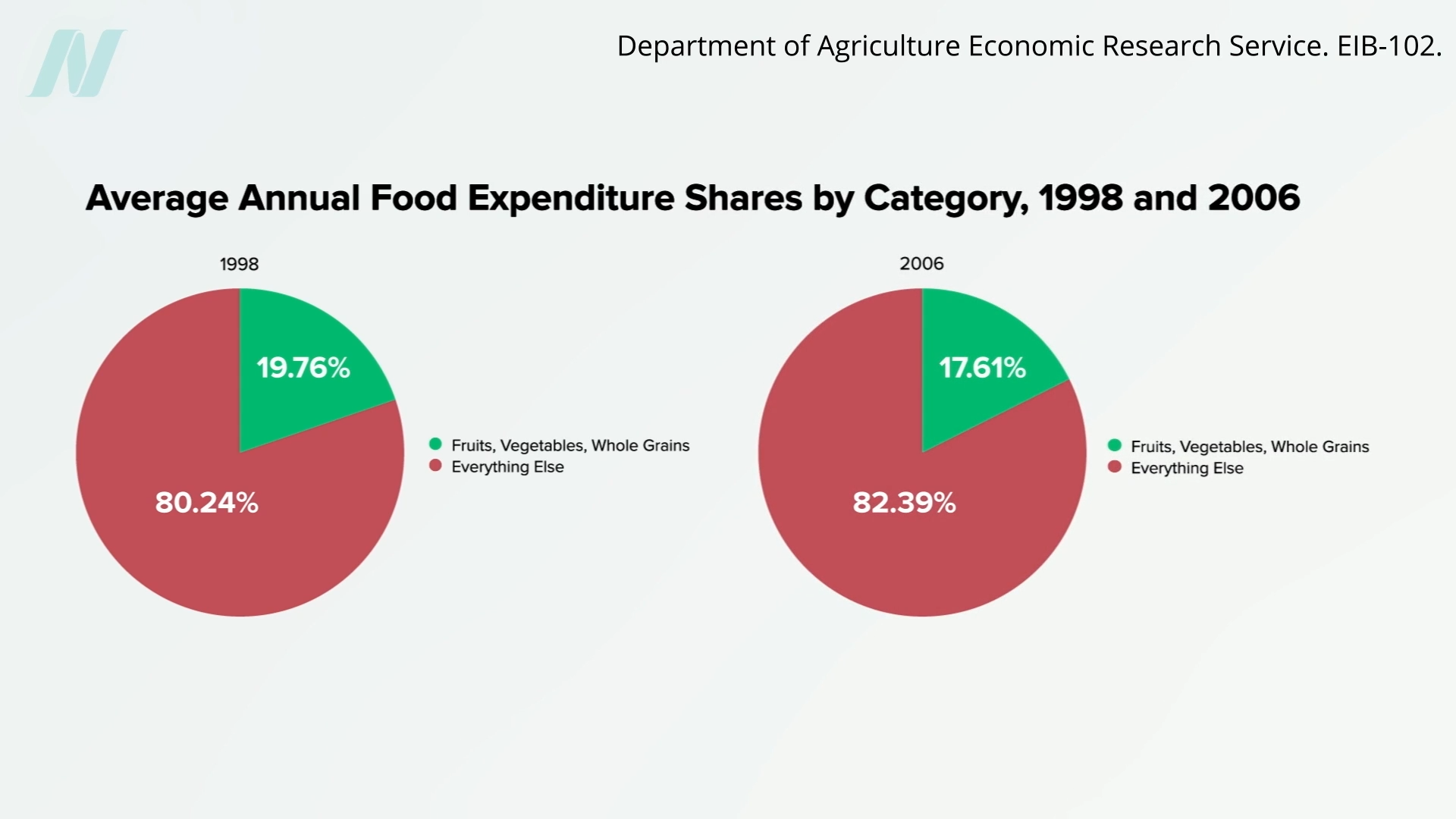
Theoretically, a diet that strictly adheres to whole, unprocessed plant-based principles – excluding refined grains, white potatoes, hard liquors, added oils, and added sugars – could achieve a perfect PI score of 100. However, the reality for most populations, particularly in Western countries, is far from this ideal. Data from the early 2000s indicated that the average American diet might be lucky to score above 20. This stark contrast highlights a significant dietary gap. In 1998, approximately 20% of the average American’s shopping basket consisted of whole plant foods. More recent trends suggest this proportion has actually decreased, indicating a shift away from nutrient-dense, whole foods. This decline in whole plant food consumption is a critical concern for public health, contributing to the rise in diet-related chronic diseases.
Research Validating the Phytochemical Index and Health Outcomes
The scientific community has actively explored the correlation between the Phytochemical Index and various health markers. Researchers have investigated whether this index could serve as a reliable indicator for predicting health outcomes. Studies have consistently demonstrated that vegetarian diets are associated with a protective effect on weight and body mass index (BMI). A meta-analysis involving dozens of studies revealed that vegetarians tend to have significantly lower weights and BMIs compared to their non-vegetarian counterparts. Furthermore, research indicates that high intakes of fruits, vegetables, whole grains, and legumes appear to offer protective benefits regardless of meat consumption.
Motivated by these findings, researchers sought to utilize an index that specifically awarded points for whole plant foods. The Phytochemical Index provided a suitable framework for this investigation. By tracking individuals’ weight over several years and using a scale of 0 to 100 to represent the percentage of their diet composed of whole plant foods (as assessed by the PI), studies have yielded compelling results. Even in the healthiest-eating groups, where the PI score averaged around 40, indicating that processed foods and animal products still constituted a significant portion of their diet, increasing the proportion of whole plant foods was found to be beneficial. This suggests that a gradual shift towards greater whole plant food intake can contribute to preventing weight gain and reducing body fat. The message is clear: it’s not an all-or-nothing proposition; any increase in whole plant food consumption can yield positive health impacts.
Broader Health Implications of a High Phytochemical Index
The utility of the Phytochemical Index extends far beyond weight management. Subsequent studies have reinforced its significance across a range of health outcomes. Research consistently indicates that a higher PI is associated with a reduced risk of various chronic conditions. For instance, studies have shown that increased intake of healthy plant foods is linked to approximately one-third lower odds of abdominal obesity and significantly reduced odds of elevated triglycerides. These findings position the PI as a valuable dietary target for weight management and metabolic health improvement, shifting the focus from restrictive calorie counting to increasing the consumption of nutrient-dense, lower-calorie whole plant foods. Emerging research also suggests a similar positive correlation for childhood obesity, highlighting the importance of early adoption of healthy eating patterns.
Beyond metabolic health, the benefits of a high PI extend to cardiovascular health and the prevention of type 2 diabetes. Even among individuals with similar weight and body fat, those who consume plant-based diets tend to exhibit higher insulin sensitivity. This improved insulin function, potentially attributed to the anti-inflammatory and antioxidant compounds found in plants, plays a critical role in preventing insulin resistance. Studies have demonstrated a progressive decrease in the odds of hyperinsulinemia, a marker of insulin resistance, with greater plant consumption. This is further corroborated by findings showing a significantly lower incidence of prediabetes among individuals deriving more than half of their calories from healthy plant foods.
The positive impact of a high PI on cardiovascular health is further evidenced by findings of significantly lower odds of metabolic syndrome and high blood pressure. Over a three-year period, individuals consuming more healthy plants were found to have approximately half the odds of being diagnosed with hypertension. This underscores the potent role of plant-based nutrition in maintaining healthy blood pressure levels.
The implications of a high Phytochemical Index also extend to mental well-being. Research suggests a remarkable association between plant-rich diets and improved mental health outcomes. Studies have reported approximately 80% less depression, two-thirds less anxiety, and 70% less psychological distress among individuals with higher plant food intake. These findings suggest that the nutrient-rich profile of plant-based diets may play a protective role against a range of mental health challenges.
Furthermore, the protective effects of a high PI have been observed in relation to certain types of cancer. Studies have indicated a link between elevated dietary phytochemical index scores and a reduced risk of benign breast diseases, including fibrocystic conditions, fatty necrosis, and ductal ectasia. More significantly, a higher intake of healthy plant foods has been consistently associated with a lower risk of breast cancer. In fact, individuals consuming twice the proportion of plants compared to the standard American diet demonstrated more than a 90% lower risk of developing breast cancer. This remarkable association highlights the profound cancer-preventive potential of diets rich in phytochemicals.
The American Diet and the Path Forward
Despite the overwhelming evidence supporting the benefits of a high Phytochemical Index, the prevailing dietary patterns in many Western nations, including the United States, fall far short of this ideal. The decline in the consumption of whole plant foods, coupled with an increased reliance on processed and animal-based products, has led to a suboptimal PI score for a significant portion of the population. This dietary landscape contributes to the high prevalence of chronic diseases, including obesity, type 2 diabetes, cardiovascular disease, and certain cancers.
Addressing this public health challenge requires a concerted effort to promote dietary patterns that emphasize whole, plant-based foods. While achieving a perfect PI score of 100 might seem daunting, the research clearly indicates that even incremental improvements can yield substantial health benefits. Public health campaigns, educational initiatives, and healthcare provider guidance can all play a crucial role in empowering individuals to make healthier food choices.
The development and widespread adoption of practical tools like the Phytochemical Index can serve as a valuable guide for both individuals and healthcare professionals. By providing a quantifiable measure of diet quality, the PI can help individuals understand their current dietary habits and identify areas for improvement. For healthcare providers, it offers a scientifically grounded metric to assess patients’ nutritional status and to tailor dietary recommendations effectively.
It is important to note that the transition to a healthier diet does not necessitate an immediate or drastic overhaul. For individuals concerned about protein intake, numerous resources highlight that well-planned vegetarian and vegan diets can provide adequate protein. Furthermore, the concept of "flexitarianism," which involves a predominantly plant-based diet with occasional consumption of meat and other animal products, has also been linked to longevity and improved health outcomes. This suggests that a flexible and progressive approach to dietary change can be highly effective.
In conclusion, the Phytochemical Index represents a significant advancement in our understanding of dietary quality and its profound impact on health. By focusing on the caloric contribution of nutrient-dense plant foods, this metric offers a simple yet powerful tool for assessing and improving dietary patterns. The wealth of research linking a higher PI to a reduced risk of chronic diseases, improved metabolic health, and enhanced mental well-being underscores its importance. As we navigate the complexities of modern nutrition, embracing the principles embodied by the Phytochemical Index – prioritizing whole plant foods – offers a clear and actionable pathway towards a healthier future for individuals and populations alike.

