

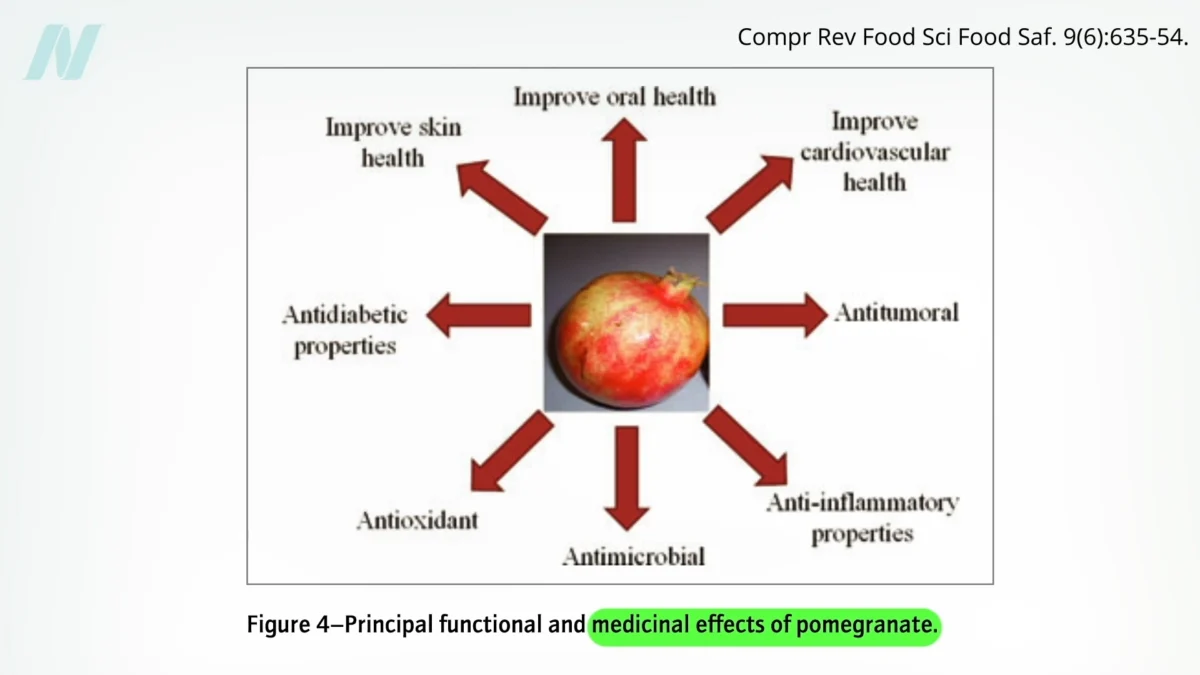
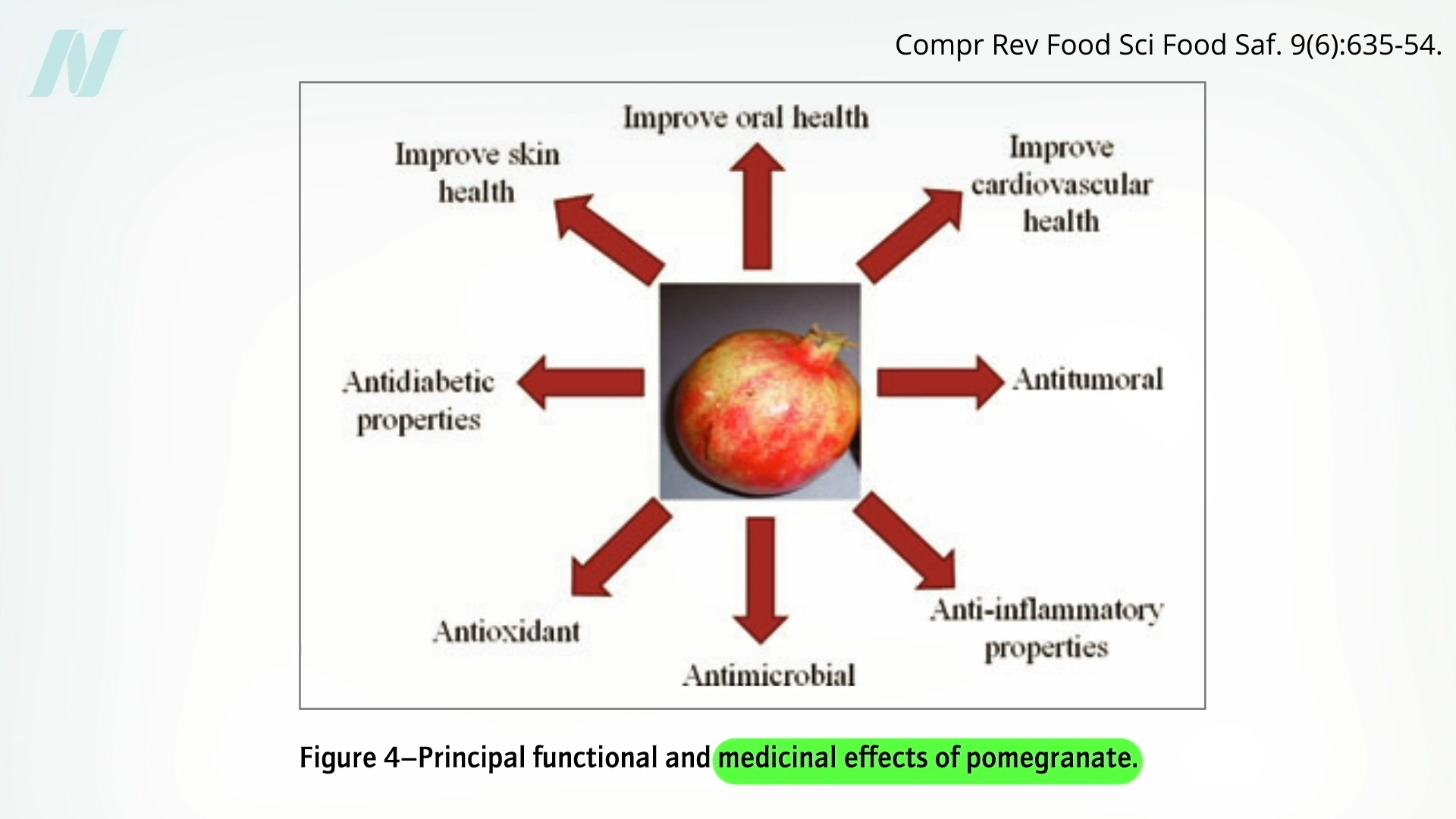
The potential health benefits of pomegranates, a fruit celebrated for its vibrant color and antioxidant properties, have long been a subject of scientific inquiry and commercial promotion. However, a closer examination of the available research, particularly in light of regulatory scrutiny, reveals a more nuanced picture than often presented. While preliminary studies and in-vitro experiments suggest a range of positive effects, robust human clinical trials are crucial for substantiating claims related to weight loss, diabetes, COPD, prostate cancer, osteoarthritis, and rheumatoid arthritis.
Regulatory Battles and the Burden of Proof
The commercial landscape of pomegranate products faced significant challenges when POM Wonderful, a prominent producer of pomegranate juice, became embroiled in a legal battle with the Federal Trade Commission (FTC). This dispute, which escalated to the U.S. Court of Appeals and was ultimately denied review by the Supreme Court, centered on the advertising claims made by POM Wonderful regarding the health benefits of its products. A panel of judges concluded that many of POM’s advertisements presented false or misleading information, suggesting that daily consumption could treat, prevent, or reduce the risk of various ailments, including heart disease, prostate cancer, and erectile dysfunction.
This landmark case underscored a critical principle in advertising law: the U.S. First Amendment does not shield misleading or deceptive advertisements. The court’s decision, a significant blow to the company’s owners, established a precedent requiring at least one randomized clinical trial to substantiate claims of treating or preventing disease. This ruling shifted the burden of proof, demanding rigorous scientific evidence rather than relying solely on preliminary or in-vitro findings.

A Deep Dive into Pomegranate Research
While reviews of pomegranate literature often highlight its numerous purported benefits, a deeper investigation reveals that many of these claims are rooted in studies that are not directly applicable to human consumption or well-controlled clinical outcomes.
Weight Management: A Mouse Model vs. Human Reality
Initial research, including studies on "antiobesity effects of pomegranate leaf extract in a mouse model," has been cited to support weight loss claims. However, the practical relevance of such findings for human dietary habits is questionable. Critically, a comprehensive review of randomized controlled clinical trials in humans has shown no significant effect of pomegranate consumption on body weight, body mass index (BMI), abdominal fat, or overall body fat percentage. This highlights a common pitfall in interpreting scientific literature: extrapolating results from animal models or non-human tissues to human physiology without adequate validation.
Cardiovascular Health: Limited Clinical Impact
Similarly, claims regarding pomegranate’s benefits for cardiovascular diseases have been met with limited empirical support from human trials. A review of 25 clinical trials examining cholesterol levels, blood pressure, arterial function, atherosclerotic plaque formation, and platelet function failed to identify significant indications of benefit, even in the most well-designed studies. While the antioxidant properties of pomegranates are well-documented in laboratory settings (in vitro), their translation into tangible cardiovascular improvements in humans remains unproven.
Erectile Dysfunction and Diabetes: Insufficient Evidence
Even for conditions where specific studies have been funded, the results have been disappointing. A study on pomegranate juice and erectile dysfunction, partially funded by POM Wonderful, did not yield positive outcomes. Furthermore, other research has found no discernible benefit for diabetes markers, and studies on chronic obstructive pulmonary diseases (COPD), such as emphysema, have also failed to demonstrate significant improvements.
Antioxidant Capacity: The Bioavailability Question
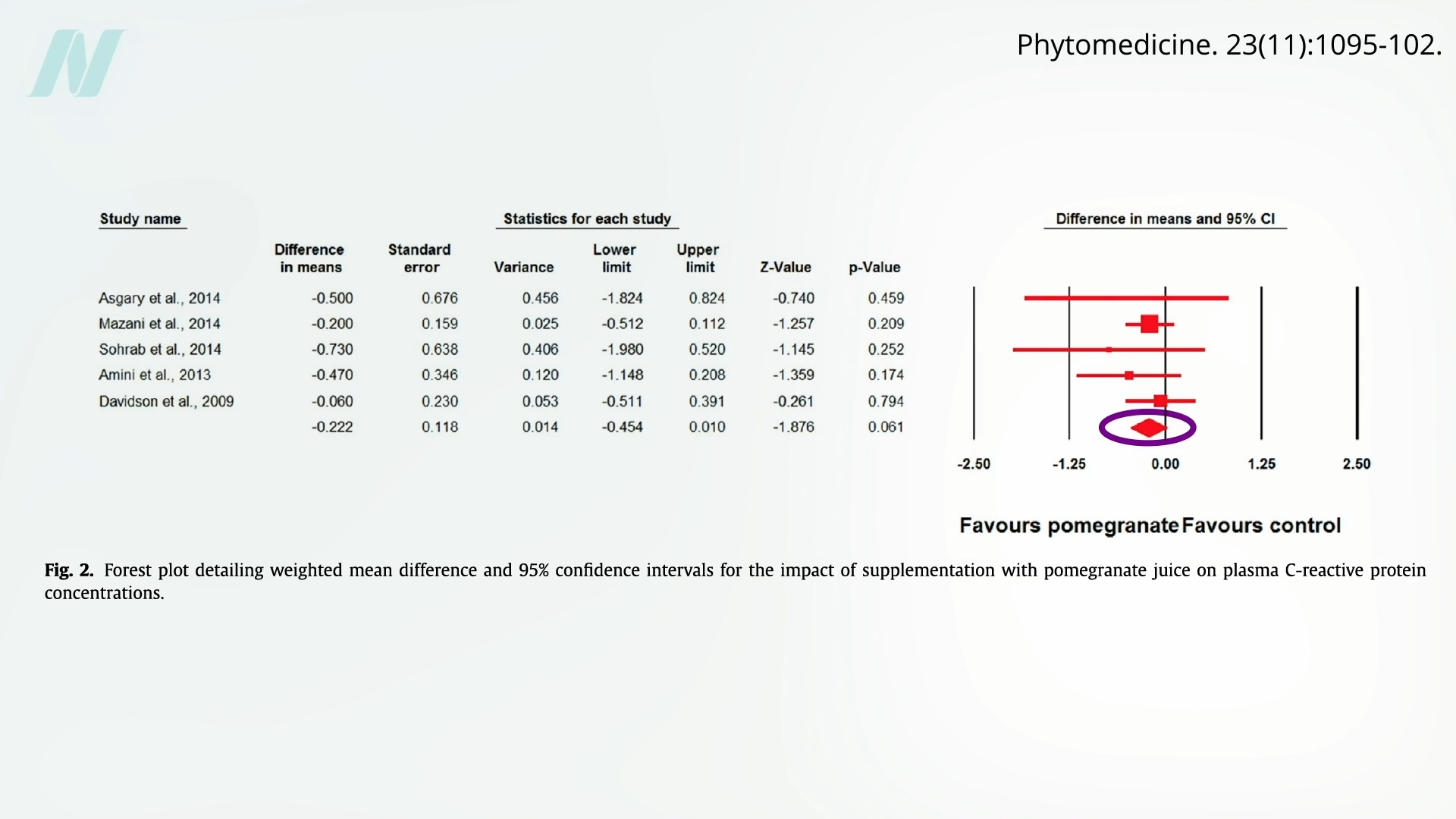
The antioxidant power of pomegranates is frequently emphasized. However, a meta-analysis of data from eleven randomized controlled trials revealed that pomegranate intake did not provide convincing evidence of a significant increase in total antioxidant capacity in the bloodstream. This is partly attributed to the fact that some of the most potent antioxidants present in pomegranates may not be effectively absorbed into the human body. This lack of bioavailability could explain why pomegranate supplementation did not appear to affect oxidative stress in tissue samples taken from prostate cancer patients.
Prostate Cancer: Promising Early Signs, Unconfirmed in Humans
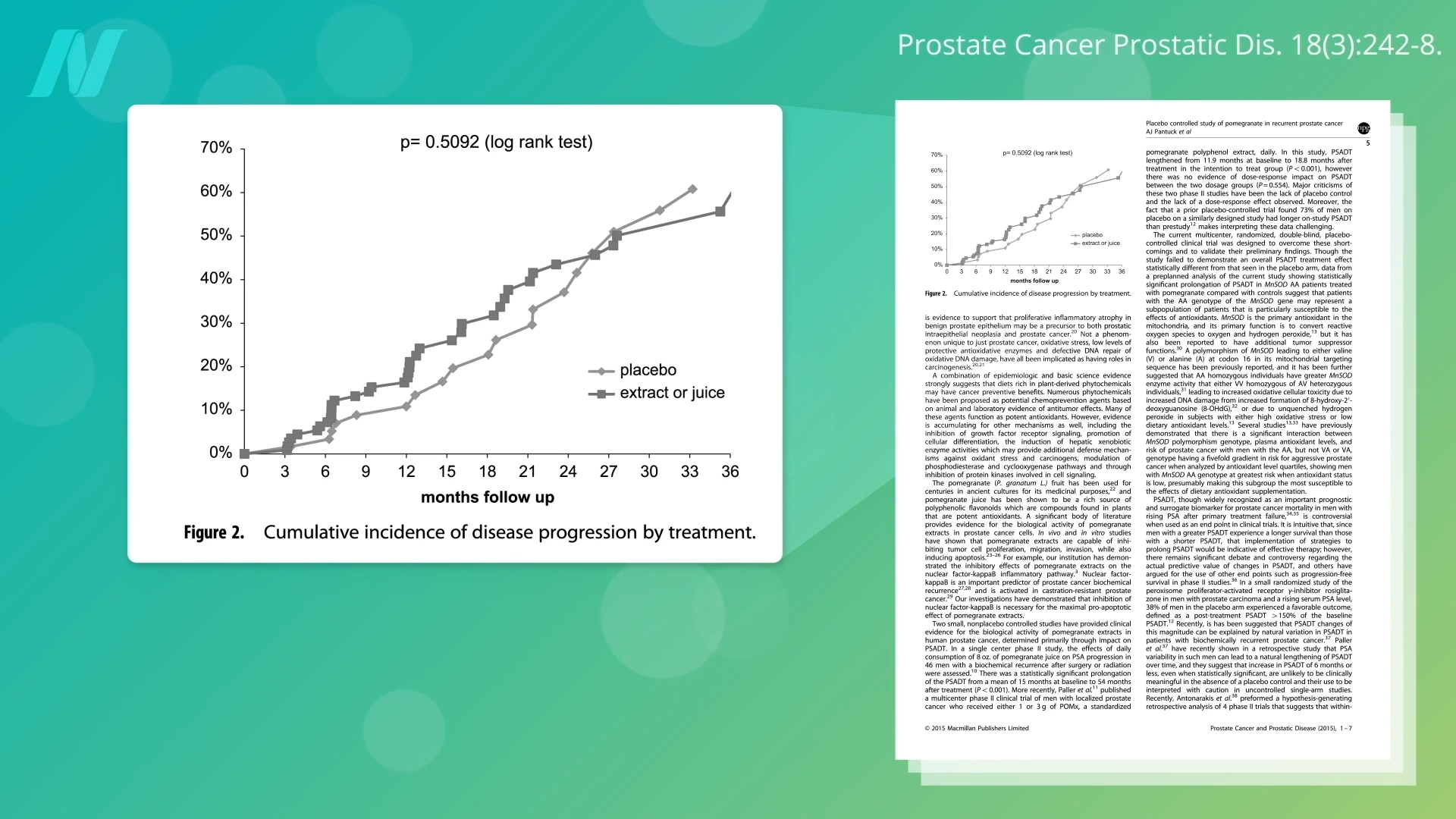
Prostate cancer is often cited as an area where pomegranates show the most promise. However, early encouraging results have not been consistently confirmed in rigorous human testing. A randomized controlled trial found that daily pomegranate intake had no impact on prostate-specific antigen (PSA) levels, a key indicator of tumor progression. Another randomized, double-blind, placebo-controlled trial also showed essentially no difference in prostate cancer disease progression. These findings suggest that while pomegranates possess antioxidant and anti-inflammatory properties in laboratory settings, these effects do not translate into clinically significant outcomes for prostate cancer in humans.
Inflammation and Arthritis: A Glimmer of Hope, with Caveats
The anti-inflammatory activity of pomegranates has been a focal point for research into inflammatory diseases.
Osteoarthritis: Promising Lab Results, Unclear Human Efficacy
In vitro studies have demonstrated that pomegranate extract can protect cartilage from damage in laboratory settings. When inflammation was induced in human osteoarthritic cartilage samples, the addition of pomegranate extract appeared to reduce the breakdown process. The question then became whether the active components could reach the joints in humans. Studies in rabbits suggested that cartilage-protecting compounds were bioavailable, raising the possibility of a safe and non-toxic treatment option.
However, the first clinical trial specifically investigating pomegranate juice and osteoarthritis yielded mixed results. While participants who consumed the juice reported less stiffness and impairment of physical function, these improvements were not statistically significant compared to a control group. This initial trial, which randomized individuals to either pomegranate juice or no intervention, highlighted the need for more robust study designs.
Rheumatoid Arthritis: Early Studies Show Potential, but Control Groups Are Key
The pursuit of evidence for pomegranate’s impact on rheumatoid arthritis encountered similar challenges. An early study, funded by POM, examined the effect of pomegranate extract on joint damage in a mouse model of rheumatoid arthritis. However, this study’s methodology and reliance on animal models limited its direct applicability to human treatment.
Another open-label study, where participants knew they were receiving pomegranate extract, reported that some individuals with active rheumatoid arthritis experienced fewer tender joints. Nevertheless, the absence of a control group in this study made it impossible to definitively attribute the observed improvements to the pomegranate extract itself.
The turning point for research on rheumatoid arthritis came with a randomized, double-blind, placebo-controlled trial. In this study, half of the participants unknowingly received pomegranate extract, while the other half received a placebo. The results indicated significant improvements in several key indicators of disease activity, including the number of swollen and tender joints, pain intensity, disease activity scores, health assessment questionnaires, and morning stiffness, when compared to the placebo group. This robust evidence suggests that pomegranate, particularly in extract form, may offer benefits for individuals with rheumatoid arthritis.
The Supplement Dilemma: Authenticity and Efficacy
While the clinical trial on rheumatoid arthritis showed promising results with pomegranate extract, a laboratory analysis of 19 commercially available pomegranate supplements revealed a concerning issue: the authenticity and content of these products. A significant majority of the tested supplements did not appear to contain any actual pomegranate, with only six out of the nineteen being deemed authentic. This raises serious questions about the quality control and efficacy of many over-the-counter pomegranate supplements, underscoring the importance of informed consumer choices and rigorous product testing.
Conclusion: A Fruit of Potential, Demanding Scrutiny
In conclusion, while pomegranates are rich in antioxidants and have shown promising effects in laboratory settings and animal models, the evidence supporting their use as a treatment or preventative measure for a wide range of human diseases remains largely inconclusive. The regulatory actions against POM Wonderful serve as a stark reminder of the need for scientifically sound evidence, particularly randomized controlled clinical trials, to substantiate health claims.
For weight management, cardiovascular health, diabetes, and COPD, current human trial data does not support significant benefits. While there was initial optimism regarding prostate cancer, robust clinical trials have failed to confirm these early findings. The most compelling evidence for health benefits currently lies in the realm of rheumatoid arthritis, where a well-designed randomized controlled trial demonstrated significant improvements. However, the challenges with the authenticity of pomegranate supplements necessitate caution and a preference for whole fruit consumption or thoroughly vetted extracts. As research continues, the scientific community and consumers alike must maintain a critical perspective, demanding evidence-based conclusions over speculative marketing.

