

Every Monday morning, a quiet revolution unfolds within the digital walls of the Cambridge Public Library. Dozens of elders, their faces appearing on screens in a mosaic of shared experience, gather for a unique program that blends mindfulness practices with the profound realities of later life. This initiative, born from an experiment eighteen months ago, has blossomed into a vibrant, library-centered sangha, offering a sanctuary where aging bodies and minds are met with radical tenderness and profound acceptance.
The program begins with meditation, often focusing on breath or sensory awareness. In a cultural landscape that frequently marginalizes and even disparages the aging process, this gathering represents a deliberate and courageous reorientation. Participants are encouraged to approach their aging bodies not with resentment, but with a gentle curiosity and accompanying them through practices like interoception, loving-kindness, and resting attention. This approach is deeply rooted in Buddhist teachings, emphasizing surrender to the present moment and an embrace of life’s inherent fragility.
"What began as a small experiment has evolved into a remarkable community," stated Sarah Chen, a librarian at Cambridge Public Library who has been instrumental in the program’s development. "We recognized a need for a space where elders could not only practice mindfulness but also find genuine connection and support as they navigate the unique challenges and transformations of later life. The library, as a trusted and accessible community hub, was the ideal setting for this."
The structure of each session is designed to foster introspection and connection. Following the initial meditation, a brief reflection is offered, drawing from diverse sources such as the Buddhist five recollections, poetry, or teachings from experienced elder practitioners. This sets the stage for the core of the program: small group discussions where participants are invited to speak and listen with unwavering attention, guided by strict protocols of non-judgment and the absence of advice-giving.
"In a society that often isolates older adults or pathologizes the natural process of aging, this shared presence becomes a powerful form of medicine," observed Dr. Evelyn Reed, a gerontologist and mindfulness researcher at Harvard University, who has been following the program’s progress. "The emphasis on deep listening and non-intervention is crucial. It allows individuals to feel truly heard and validated, which is particularly important when facing physical decline, loss, or the existential questions that often arise in later life."
The impact of this approach is palpable, as evidenced by participant testimonials. One attendee shared, "Feeling connected to and resonating with a community of elders supports my acceptance of aging. I feel increasingly safe in the group discussions." This sentiment underscores the program’s success in counteracting the isolation that many elders experience.
A Foundation in Wisdom and Shared Experience
The initial phase of the program drew heavily from the teachings in Olivia Ames Hoblitzelle’s book, Aging with Wisdom. Hoblitzelle, a psychologist and meditation teacher, describes elders as "wayshowers"—individuals who, having traversed the terrain of aging, sickness, and death, can offer illumination for those who follow. This philosophy now permeates the weekly gatherings, fostering a collective willingness to confront what Hoblitzelle terms "the grace of diminishment." Further inspiration is drawn from Katsi Cook, a Mohawk wise woman, who eloquently refers to elderhood as a "generational transfer of wealth," highlighting the invaluable wisdom and experience that elders contribute to society.
The program’s success is not merely anecdotal. A preliminary survey conducted among participants in the first year indicated a significant decrease in reported feelings of loneliness and a marked increase in self-reported well-being. Over 70% of respondents indicated that the program had positively impacted their ability to cope with the physical and emotional challenges of aging.
Voices from the Sangha: Testimonies of Transformation
The heart of this initiative lies in the personal journeys of its participants. Their experiences offer a profound testament to the program’s transformative power.
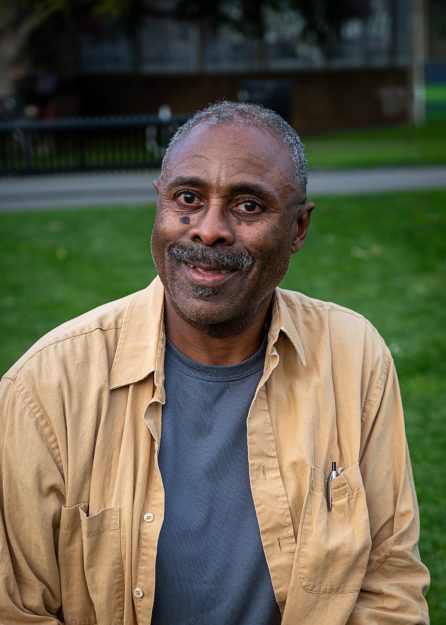
Cameron Lane, 67: A lifelong resident of Cambridge, originally from Barbados, Cameron Lane describes his life as a journey of "returning to the nest." His devotion has been a constant thread, manifested in decades of work at an electric company, his steadfast Christian faith, and his unwavering care for his wife, Anne, who has lived with mental illness for over thirty years.
Lane often draws upon electrical metaphors to articulate his experience, speaking of humans, like batteries, needing grounding and discharge, and the flow and settling of energy. Amidst ongoing crises, including his wife’s recent hospitalization, mindfulness has provided him with a vital means to nurture his own mind and body while remaining present and supportive for others. A guiding principle from his mother—"We are born in pain, and hopefully we don’t live in pain, and we pray we don’t die in pain"—resonates deeply. As Lane enters what he calls the "final third of life," mindfulness equips him to face uncertainty with faith and a practiced, profound love.
Elka Kuhlman, 72: Elka Kuhlman’s upbringing was shadowed by the unspoken grief of a family profoundly affected by the Holocaust. During her college years, a chance encounter with Transcendental Meditation® (TM) offered a refuge. The practice of twenty minutes, twice daily, became a sanctuary through the demanding years of parenting and a career in education.
A pivotal moment came when her daughter introduced her to the Cambridge Insight Meditation Center (CIMC). Kuhlman found an immediate resonance, a practice that didn’t demand she abandon her past but instead provided tools for a clearer inner vision. Witnessing elders in her family approach old age with fear and rigidity, Kuhlman values the freedom within this mindfulness group to speak honestly about pain, anxiety, and the shifting landscape of identity. "Fixing interrupts real listening," she asserts, emphasizing her need for a space to articulate her experience and discover meaning without unsolicited advice.
Philippa Bovet, 88: Born in England and raised in Paris, Philippa Bovet has called the United States home for over fifty years. She found the Presbyterianism of her youth ultimately insufficient for her spiritual needs. In midlife, friends introduced her to CIMC, where her inner life began to deepen through weekly sits and teachings from a variety of traditions. Nature has also served as a profound teacher. During the pandemic, weekly walks to a nearby waterfall with a close friend became a form of meditation, offering lessons in interconnection and wonder through the subtle shifts of water, plants, and light.
Residing in a senior community, Bovet observes the common avoidance of conversations about aging and death. Mindfulness has fundamentally altered her relationship with aging, teaching her to pause and soften rather than rush or resist. She believes that aging’s primary lesson is the imperative to listen—deeply and with love.
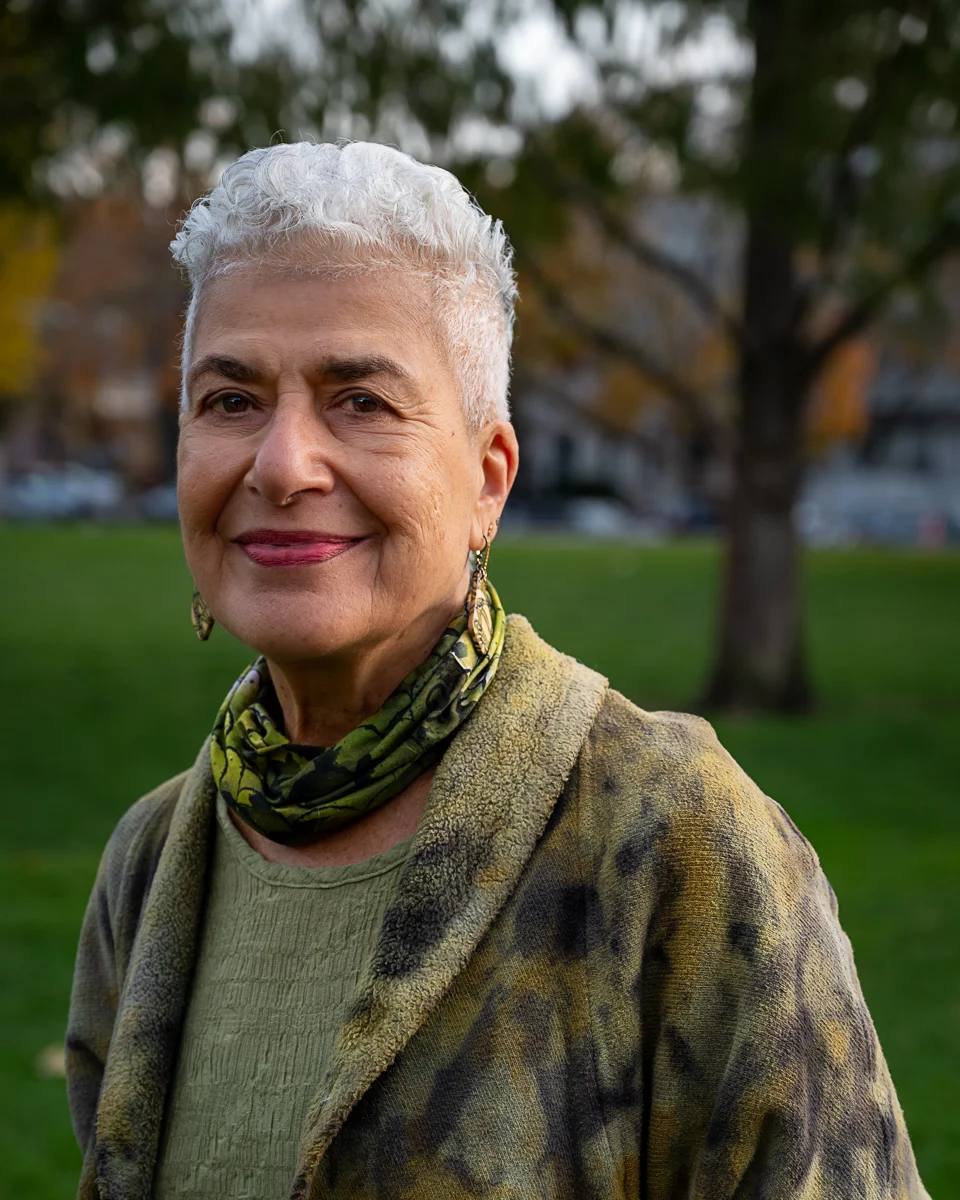
Ruth Farris, 75: Ruth Farris, a woman of Lebanese American heritage, grew up Catholic. In her twenties, a twelve-step program for food addiction reshaped her understanding of faith, emphasizing honesty and daily reflection. Later, Buddhist practices grounded her in self-compassion. "I’m an amalgam of many things," she states, "life is hard enough without the burden of what you’re hiding."
Drawing from her working-class background and a career in social work, Farris approaches aging with a blend of humor, realism, and care for others. A recent broken arm felt, in her words, "the beginning of the end." Mindfulness, however, helps her meet this vulnerability with patience and perspective. She acknowledges the pervasive reality of ageism, particularly in medical settings, but finds solace in this group where she is treated with dignity and peer recognition. "In this space, no one talks down to me. The group offers dignity, recognition, and the camaraderie of peers."
The Broader Implications: Reclaiming Dignity in Later Life
In Buddhist philosophy, aging is recognized alongside sickness and death as one of life’s unavoidable and precious truths. Yet, societal norms often compel individuals to ignore or conceal these realities. The Cambridge Public Library’s mindfulness program directly confronts this cultural tendency. Elders from diverse backgrounds—representing a spectrum of religious beliefs, socioeconomic statuses, and ethnicities—converge, seeking not only connection but also respite from the pressures of a youth-obsessed culture.
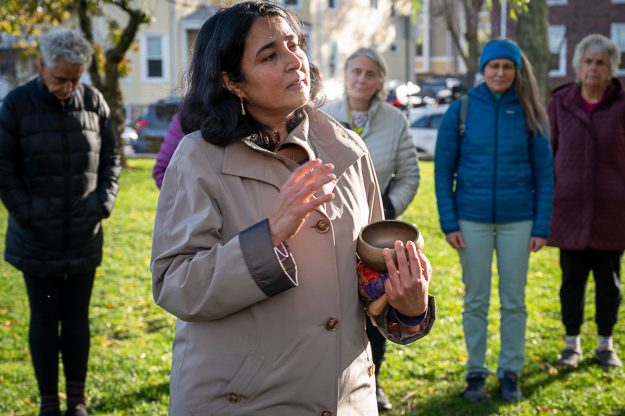
"Witnessing the courage and willingness of these individuals to remain present with whatever arises is deeply inspiring," the program facilitator noted. "Each mindfulness Monday is an endeavor to empower elders, to help them stand firm in their inherent beauty and reclaim their dignity."
This initiative aligns with a growing body of research highlighting the benefits of mindfulness for older adults. Studies published in journals such as the Journal of Gerontology: Psychological Sciences have demonstrated that mindfulness-based interventions can lead to significant improvements in emotional regulation, reduced symptoms of depression and anxiety, and enhanced cognitive function in older populations. The library’s program, by integrating these practices within a supportive community setting, amplifies these benefits, creating a powerful antidote to the isolation and ageism that often plague later life.
The program also offers a compelling model for other public libraries and community organizations seeking to serve their aging populations. By providing accessible, free, and inclusive programming, libraries can play a crucial role in fostering well-being and social connection among elders. The "library-as-sanctuary" concept, facilitated through innovative programs like this mindfulness initiative, underscores the evolving role of public libraries as vital centers for lifelong learning, personal growth, and community resilience.
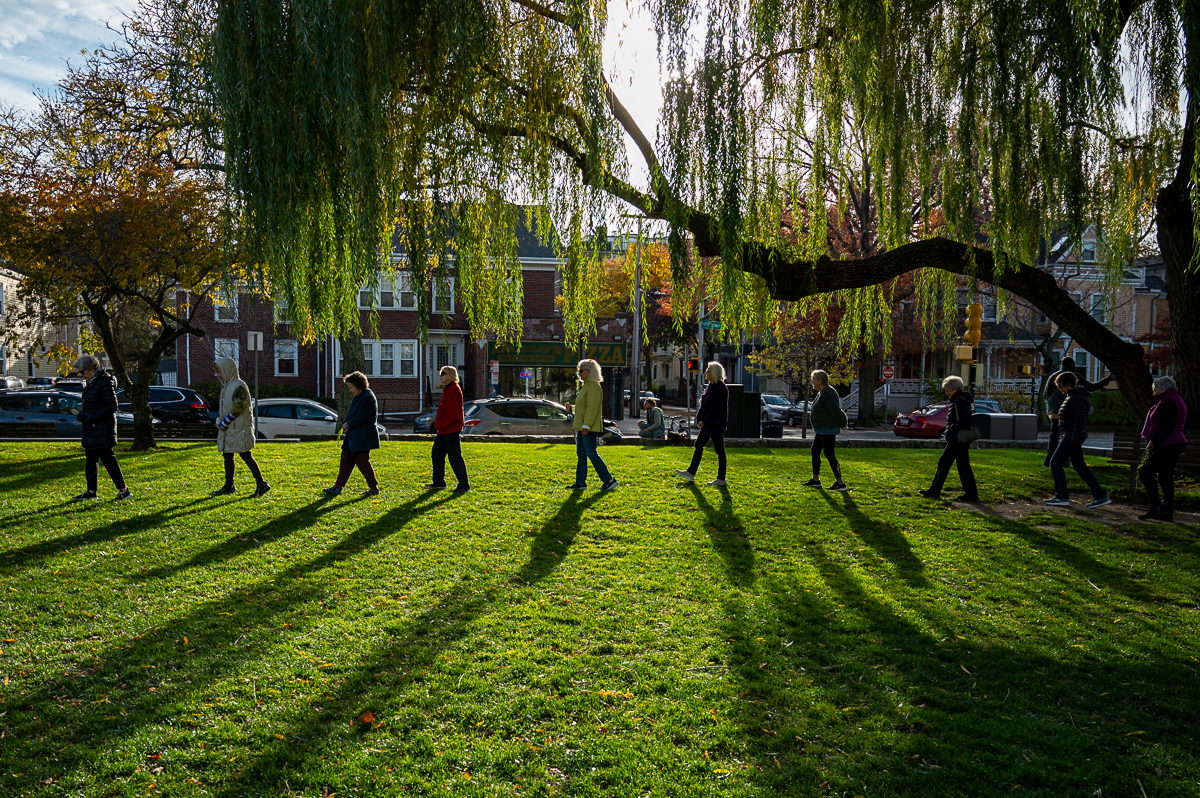
Reflecting on the poet May Sarton’s counsel to "imitate the trees," who "let fall the riches of a season, without grief," the program encourages participants to perceive that "nothing stays the same for long, not even pain." The facilitator shared a take-home practice from the spring, encouraging participants to connect with trees, to see them as elder guides, "rooted firmly in their decades of life lived, with strong trunks and abundant branches that shelter and move with the wind." This powerful metaphor encapsulates the program’s overarching aim: to cultivate resilience, acceptance, and a profound appreciation for the wisdom and beauty inherent in the journey of aging.

