

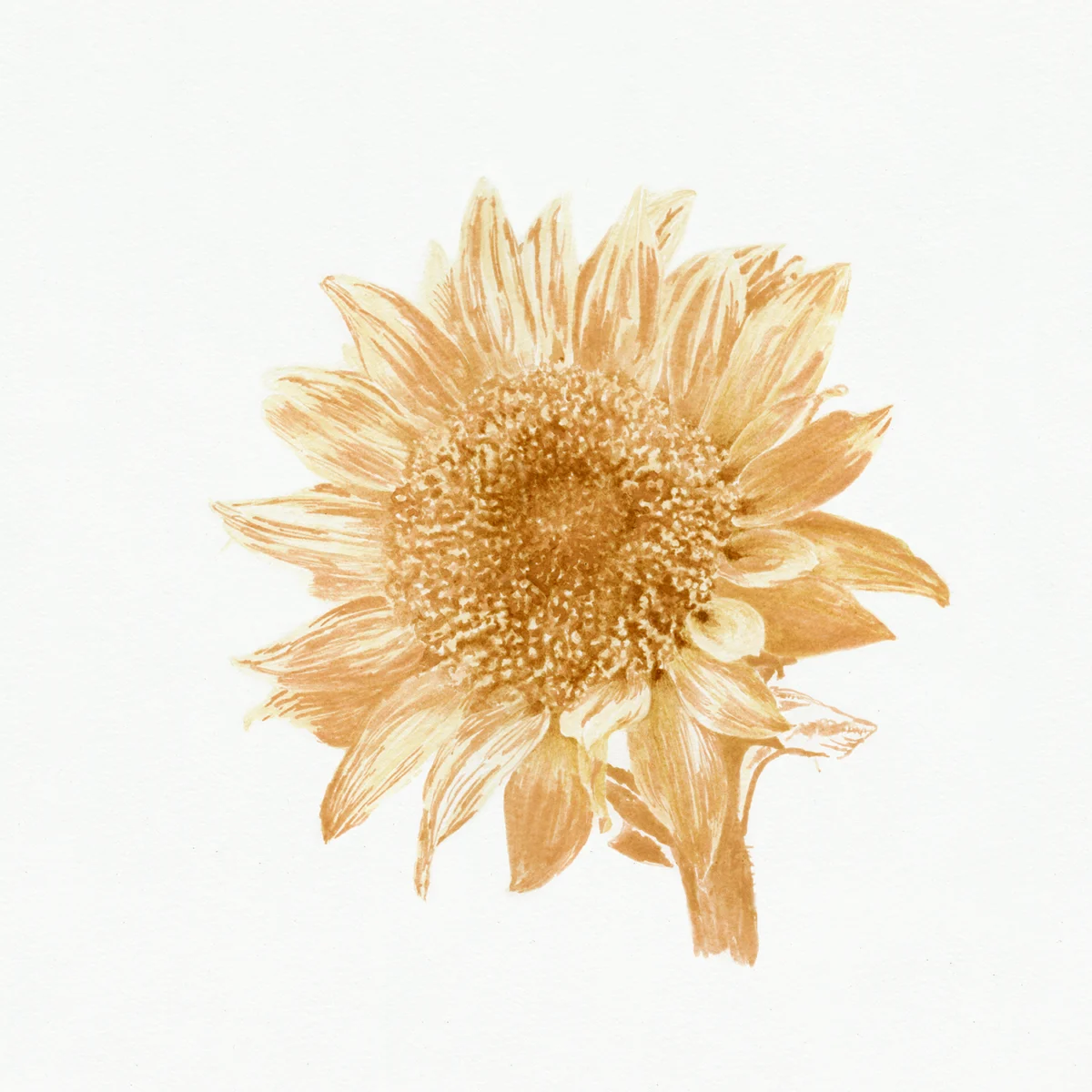
In the quiet contemplation of art and memory, poet Jeffrey Yang and artist Kazumi Tanaka forge a profound dialogue, exploring the elusive concept of "home" through linked poems and evocative tea-ink drawings. Their collaborative work, "No Home Go Home / Go Home No Home," featured in Tricycle magazine on April 5, 2026, delves into the complexities of belonging, loss, and the enduring power of remembrance. This artistic endeavor is not merely an exhibition of visual and literary talent; it is a deeply personal journey that resonates with universal themes of displacement and the search for solace in the face of irreversible change.
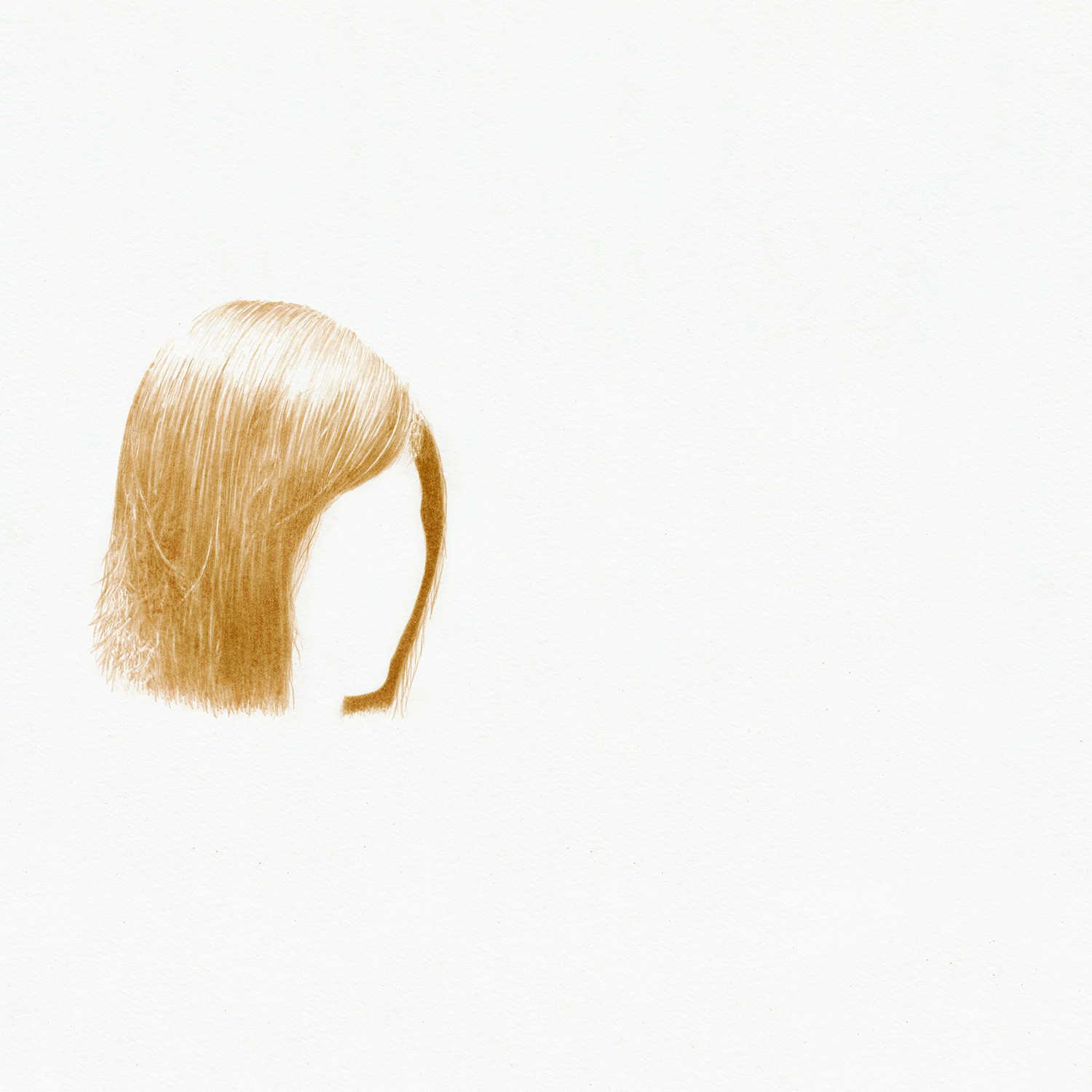
The genesis of this collaboration can be traced to a visit Yang made to Tanaka’s studio, a space nestled in a refurbished brick building overlooking a tranquil creek. It was there that Tanaka unveiled a series of tea-ink drawings, each a meticulously crafted ten-by-ten-inch square on paper, imbued with memories of her Osaka childhood, dating back to 2007. Tanaka initially envisioned these pieces as meditations on temporality, anticipating their gradual fading over time, a visual representation of evanescent memory. However, contrary to her expectations, the drawings, carefully preserved and shielded from light, began to deepen in hue, their umber lines and subtle shades intensifying against the pale yellow of the paper, defying the expected ephemerality.
The Art of the Album and the Echoes of Shitao
Tanaka’s presentation of her work was deliberate and intimate. She revealed each drawing from beneath a protective square sheet, a ritualistic unveiling akin to turning the pages of a treasured book. The order of the drawings, the varying types of tea leaves employed, and the subtle shifts in perspective and distance all contributed to a heightened sense of intimacy. The small scale, the detailed simplicity, the repetition of ritualistic objects, and the specific rendering of flora—all these elements spoke to a sophisticated artistic practice. Yang observed a striking resemblance to the classical Chinese album format, a tradition that masterfully merged poetry, calligraphy, and painting into a serial experience of reading and viewing.
The Chinese album, with roots tracing back to the Tang dynasty and the translation of Buddhist sutras, typically comprised a sequence of images focusing on a single, or diverse, subjects—flowers, birds, landscapes, human figures—offering a microcosm of the world within its particulars. A pivotal figure in this art form was the painter and writer Shitao (1642–1707). A cousin of the famously eccentric painter Bada Shanren, Shitao navigated the turbulent transition from the Ming to the Qing dynasty as an itinerant Buddhist monk and artist. His philosophy championed an "absolute sense of place" and the transformative power of the single brushstroke, famously stating, "Mountains, rivers, and I merge in spirit and meld into a single line."
Shitao’s seminal album, "Returning Home," housed at the Metropolitan Museum of Art, exemplifies this artistic synthesis. Comprising twelve paintings and twelve poems, it alternates between floral and landscape imagery, with calligraphy styles that fluidly adapt to the visual content, all harmonized by vermillion seals. The album’s creation coincided with a tumultuous period in Shitao’s life. Born into a Ming imperial lineage, his early years were marked by the assassination of his father and his subsequent decision to take Buddhist vows to escape persecution. After nearly forty years as a monk, a journey to Beijing to seek imperial patronage ended in disillusionment. This period of profound "tenfold bitter coldness" inspired the creation of his album in late 1695, during a phase of continued wandering. Shitao’s artistic credo, "With respect to antiquity, how could I have learned from it without transforming it?" underscores his innovative spirit, a spirit that ultimately led him to leave the monastic order to pursue his art as a secular Daoist.

A Symbiotic Creation: Words and Images Intertwined
Following his encounter with Tanaka’s drawings, Yang found himself inspired, words and lines emerging in his mind, untethered to a single narrative. He recognized the potential for a deeper connection, a confluence of his poetic voice with Tanaka’s visual meditations on home as both presence and absence. Sensitive to the potential for his work to intrude upon Tanaka’s personal memories, Yang sought her perspective on combining words with her images. Far from being resistant, Tanaka encouraged him, sparking a more extensive dialogue about her drawings and family history.
This exchange led to the conceptualization of their collaborative work. Yang pondered whether Tanaka’s drawings could be viewed through a lens similar to Toru Takemitsu’s conceptualization of "water dreaming" in a Papunya painting, or if the poems could serve as a "gift" to the drawings, much like poetry enriches written words. The result was a loose renga, a Japanese collaborative poetry form, where Tanaka’s images act as visual bridges between verses. Each drawing became a stanza, its end foretelling the image that would follow, while each poem dwelled on the image preceding it. Like Shitao’s album, their work endeavors to find a "paradoxical way home, when return is an impossibility."

The Spiritual Tapestry of Tenrikyo and the Essence of Home
Central to "No Home Go Home / Go Home No Home" is the presence of Kazumi Tanaka’s mother, a devout follower of Tenrikyo. This Japanese religion, deeply influenced by Shintoism and Buddhism, emerged in the 19th century through the revelations of Nakayama Miki. Tenrikyo’s teachings posit that the body is a "thing lent, a thing borrowed" from God the Parent, and through hinokishin (daily service), individuals can awaken their "divine intention" and attain the "Joyous Life."
This concept of "divine intention" resonates with what the French poet Stéphane Mallarmé described as the "spiritual task" of poetry: the movement from fact to ideal through the perception of relationships and vital rhythms, where "each soul a melody renewed." The project is further enriched by the contributions of Master Hiroaki Sato, who provided Japanese translations for the poems, completing the album’s cyclical journey. This endeavor, from line to image to line, crosses the ocean, returning to the "place of the Mother’s tongue."
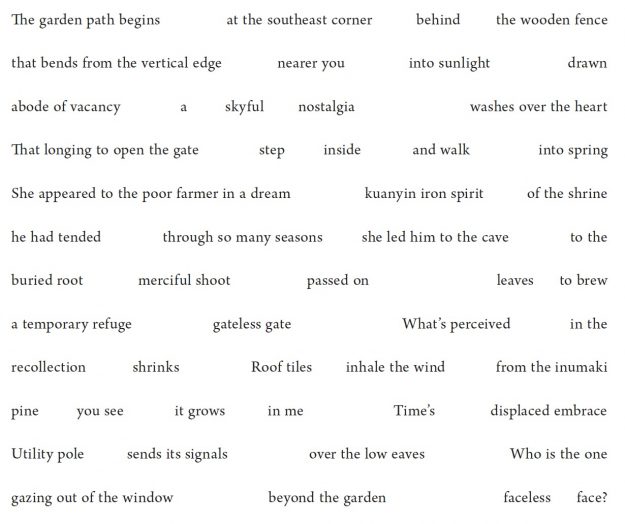
Tragically, shortly after the completion of the album, Kazumi Tanaka’s mother passed away. Her childhood home in Osaka, a place central to the imagery in the drawings, was subsequently demolished. This profound loss underscores the very themes of impermanence and the irrecoverable nature of home that the artwork explores. Despite the physical erasure of the familiar, the ideal of wholeness, the transposition of language, experience, and vision, endures. It persists in the "memory space of shadows and light," captured in the delicate traces of tea and ink, the interplay of pictures and words.
The collaborative project, "No Home Go Home / Go Home No Home," is presented as excerpts from Jeffrey Yang’s book, Line and Light: Poems, with drawings by Kazumi Tanaka. Published in 2022 by Graywolf Press, the work stands as a testament to the enduring power of art to confront loss and to find meaning in the spaces between memory and reality. The artwork itself serves as a poignant reminder that even when return is impossible, the search for home, in its multifaceted spiritual and emotional dimensions, continues to shape our lives.

