

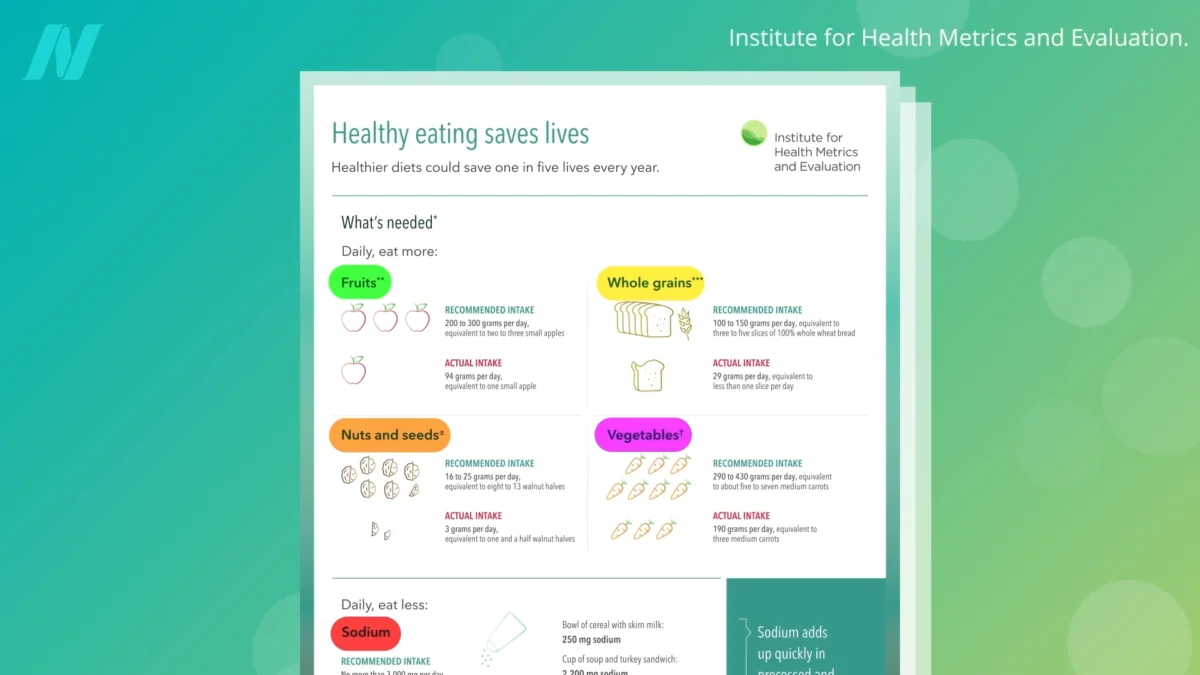
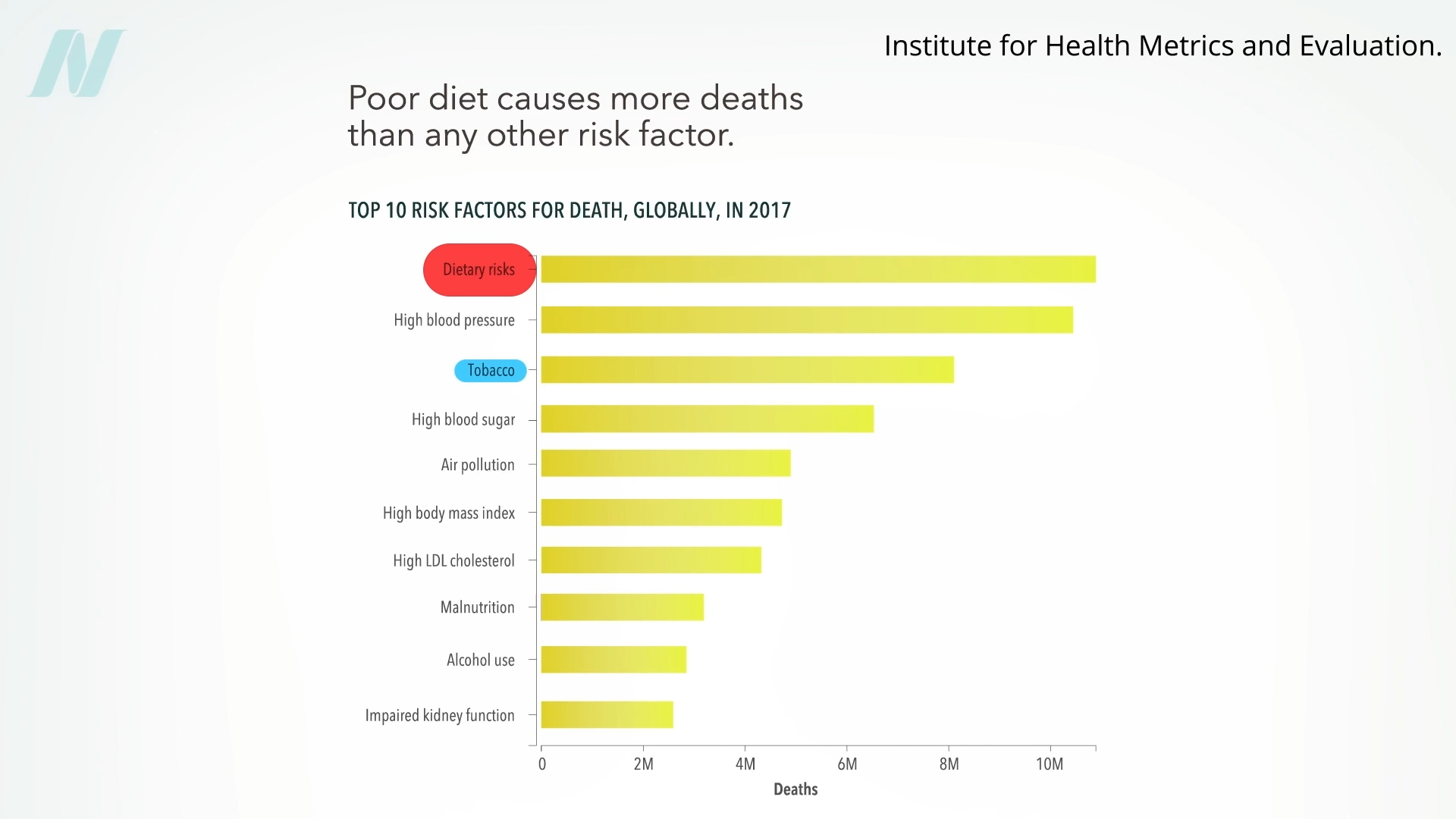
A landmark study, examining risk factors for death on an unprecedented scale, has identified dietary habits as a more significant contributor to mortality than previously understood, surpassing even the well-documented dangers of cigarette smoking. While cigarettes claim approximately 8 million lives annually, the collective impact of suboptimal human diets results in millions more deaths each year. This stark reality, underscored by extensive global health data, highlights the critical need to re-evaluate our nutritional choices and their profound influence on longevity.
The Silent Culprits: Identifying Dietary Detriments
The most perilous aspects of modern diets extend beyond commonly perceived culprits such as processed meats, sugary confections, or carbonated beverages. Instead, research points to five primary dietary deficiencies and excesses as the leading drivers of premature death. These include insufficient consumption of fruits, whole grains, and vegetables, coupled with excessive intake of salt and a deficit in nuts and seeds. This revelation, drawn from comprehensive analyses of global health data, emphasizes a systemic issue rooted in the fundamental composition of our daily meals.
Nuts: A Powerful Ally in Longevity
The association between nut consumption and reduced mortality is not surprising, given the growing body of scientific evidence supporting their health-promoting properties. Interventional trials have consistently demonstrated that incorporating nuts into the diet can significantly improve arterial function, a critical factor in preventing cardiovascular diseases, which remain a leading cause of death worldwide. Beyond their cardiovascular benefits, nuts have been shown to positively impact blood sugar control, lower cholesterol levels, mitigate inflammation, reduce oxidative stress, and foster a healthy gut microbiome by nourishing beneficial gut bacteria.
Peanuts and the Peanut Butter Paradox
While the broader category of nuts shows a clear link to improved health outcomes and longevity, the specific case of peanuts and peanut butter presents a more complex picture. In the United States, peanut butter accounts for a substantial portion of peanut consumption. However, the direct relationship between peanut butter intake and mortality rates has been less thoroughly investigated until recently.
The National Institutes of Health-AARP Study: Unraveling the Data
To address this gap, researchers turned to the National Institutes of Health-AARP (NIH-AARP) Diet and Health Study, a monumental undertaking that has tracked the health and dietary habits of over half a million individuals since the 1990s. This study, considered the largest prospective health and diet study ever conducted, provided a unique opportunity to analyze long-term health outcomes in relation to specific dietary components.

Key Findings: Nuts vs. Peanut Butter
The analysis of the NIH-AARP data revealed a significant protective effect of general nut consumption against all-cause mortality. Individuals who regularly consumed nuts exhibited longer average lifespans and a reduced risk of death from a variety of serious conditions, including cancer, cardiovascular disease, liver disease, respiratory disease, kidney disease, and infectious causes. This suggests a broad-spectrum protective influence of nuts on overall health and immune function.
Crucially, however, the study found no such statistically significant associations between peanut butter consumption and reduced mortality. This divergence in findings between whole nuts and peanut butter raises important questions about the underlying reasons for this discrepancy.
Investigating the Discrepancy: Potential Contributing Factors
Researchers have explored several hypotheses to explain why peanut butter may not confer the same longevity benefits as whole nuts.
Behavioral and Lifestyle Considerations
One initial consideration was whether individuals who consume peanut butter might also engage in other less healthy lifestyle behaviors. For instance, peanut butter consumers might be more prone to eating more meat, smoking cigarettes, or engaging in less physical activity. However, the study’s researchers meticulously controlled for these confounding factors, including alcohol consumption, fruit and vegetable intake, and educational attainment. Even after accounting for these variables, the protective association of peanut butter with mortality remained absent. This suggests that the difference is not simply a matter of broader unhealthy lifestyle choices among peanut butter consumers, although the possibility of increased consumption of highly processed, sugary accompaniments like jelly was acknowledged as a potential, albeit uncontrolled, factor.
Processing and Additives
Another plausible explanation lies in the processing of peanuts to create peanut butter. While whole nuts are often consumed in their natural state, peanut butter frequently contains added ingredients such as trans fats, oils, salt, and sugar. These additives can alter the nutritional profile of the final product and potentially offset some of the inherent health benefits of peanuts. However, it is also true that some nuts are consumed with added oil, sugar, and salt, making this distinction less clear-cut.
The Botanical Classification and Whole Peanuts
A botanical distinction has also been raised: peanuts are technically legumes, not tree nuts. However, research on whole peanuts (not in butter form) has shown them to possess similar nut-like health benefits. A comprehensive meta-analysis of relevant studies confirmed that whole peanuts, similar to other nuts, offer protective effects, further distinguishing them from the processed peanut butter product.
The Role of Cellular Structure
A more compelling explanation, particularly highlighted in discussions of dietary strategies for weight management and longevity, relates to the physical structure of nuts and nut butters. Even when nuts are thoroughly chewed, small, intact cellular structures often remain. These microscopic particles deliver a significant amount of beneficial prebiotic compounds to the gut microbiome. In contrast, the grinding and processing involved in creating peanut butter, even in smooth varieties, may disrupt these cellular structures, potentially diminishing the prebiotic impact. The intact cellular integrity of whole nuts allows for a more sustained release of nutrients and a greater interaction with beneficial gut bacteria, a benefit that may be lost in the homogenization of peanut butter.
Recommendations for Optimal Health
Based on the current scientific understanding, there is "compelling evidence" to recommend the regular consumption of nuts to enhance the likelihood of living a longer and healthier life. To maximize these benefits, it is advisable to opt for raw nuts over salted or toasted varieties. Furthermore, consuming nuts in their whole or chopped form is generally preferred over nut butters, to leverage the intact cellular structure and its associated prebiotic effects. Incorporating nuts into the diet at least three times per week is suggested as a beneficial strategy.
Specific Nut Considerations and Broader Dietary Context
While the general benefits of nuts are well-established, certain nuts may offer particular advantages. Walnuts, for instance, have garnered attention for their exceptional benefits to arterial function. The broader context of dietary health also remains paramount. Concerns that nuts might contribute to weight gain have been addressed by extensive research, which largely concludes that nuts, when consumed in moderation as part of a balanced diet, do not lead to significant weight gain and can even be beneficial for weight management due to their satiating properties.
Ultimately, the disparity in health outcomes between whole nuts and peanut butter underscores the importance of food processing and its impact on nutrient bioavailability and overall health effects. As dietary science continues to evolve, understanding these nuances is crucial for making informed choices that promote long-term well-being and longevity. The message remains clear: prioritizing whole, minimally processed foods, including a variety of nuts, is a cornerstone of a health-promoting diet.

