

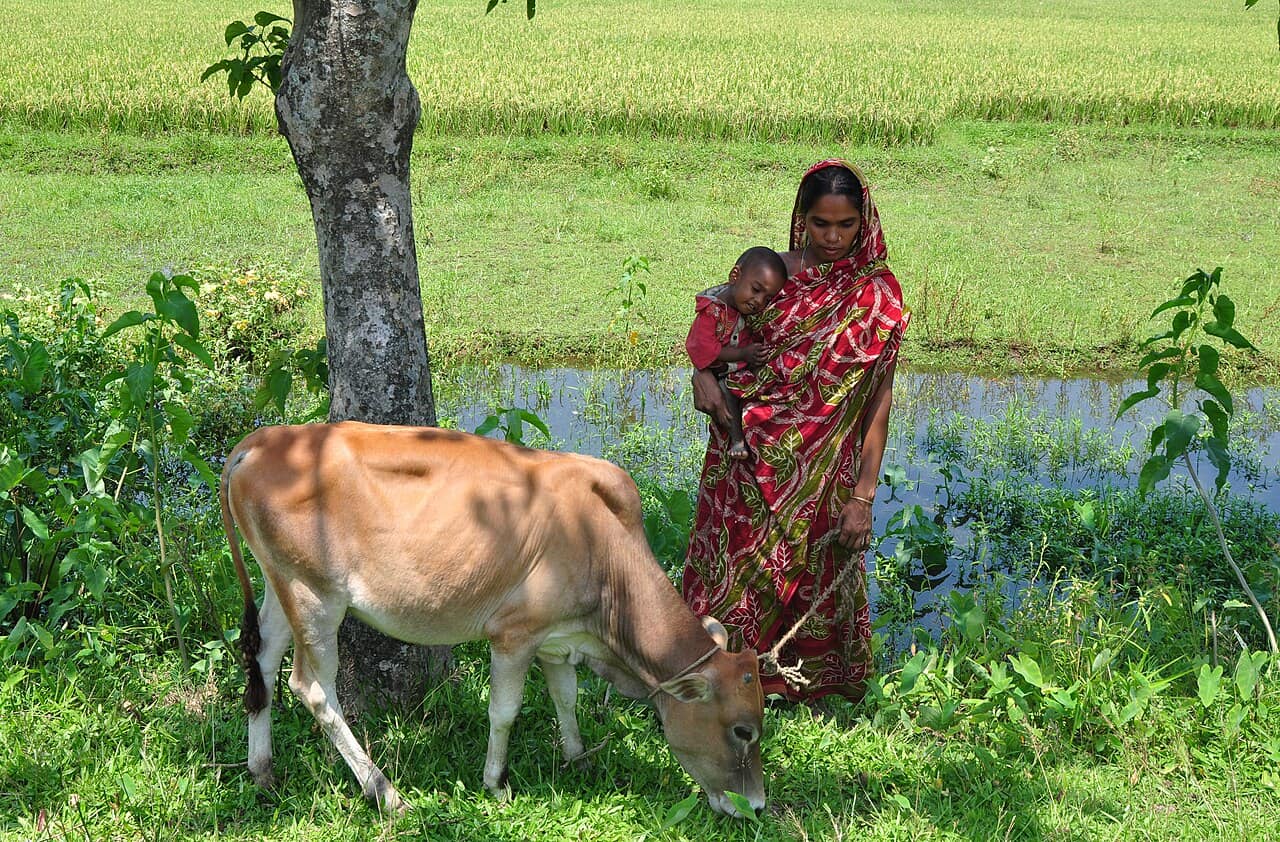
The geography of Bangladesh, defined by its intricate network of over 700 rivers and a low-lying deltaic landscape, has placed the nation at the epicenter of the global climate crisis. For residents like Lovely Begum of Mohanganj in the Moulvibazar district, the abstract concept of climate change is a tangible, destructive force. Begum has been forced to relocate her home eight times due to the dual pressures of catastrophic flooding and riverbank erosion. However, her narrative has shifted from one of victimhood to leadership through the United Nations-supported LoGIC Project (Local Government Initiatives on Climate Change). By spearheading eco-conscious quinoa cultivation—a crop resilient to the region’s shifting environmental conditions—Begum is part of a growing movement of Bangladeshi women who are systematically dismantling the barriers between climate vulnerability and economic agency.
This revolution is not characterized by top-down mandates but by a decentralized network of climate-smart cooperatives. These organizations are transforming neighborhoods into laboratories for community-led adaptation. From the implementation of portable water filtration systems to the establishment of solar-powered island grids, the solutions are being designed and managed by women who possess an intimate understanding of their local ecosystems. As Lovely Begum notes, the transition from skepticism to community leadership was born of necessity: "Initially, people doubted me. They said it wouldn’t work, and that no one would buy quinoa. But after my first successful harvest, those same people now come to me for advice."
The Chronology of Adaptation: From Disaster to Innovation
The timeline of Bangladesh’s climate resilience efforts has evolved significantly over the last two decades. While the country has historically focused on disaster management—such as the construction of cyclone shelters—the last decade has seen a shift toward long-term adaptation and technological integration.
In 2013, the NGO Footsteps Bangladesh was founded with the specific goal of addressing the intersection of poverty and water scarcity. This period marked a turning point where innovation began to focus on "manageable" technology that could be deployed at the household level. By 2020, the integration of international funding through the Green Climate Fund (GCF) and the European Union allowed for the scaling of projects like LoGIC and the expansion of solar home systems in the country’s most remote "chars"—transient silt islands that are highly susceptible to erosion.
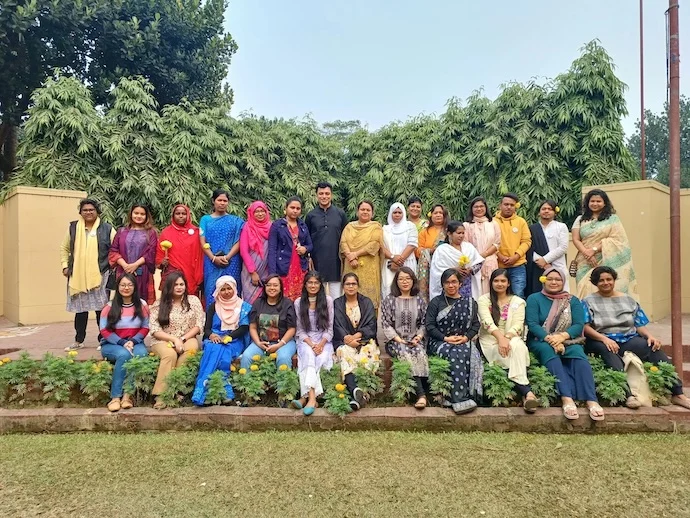
Today, the movement has reached a critical mass. The establishment of the SheRAA (Women’s Climate Resilience and Adaptation Alliance) serves as a modern milestone, consolidating various NGO programs into a unified coalition. This chronological progression demonstrates a move from reactive survival to proactive, institutionalized resilience led by the female workforce.
Technical Innovation in Water Management: The Dreamwater Model
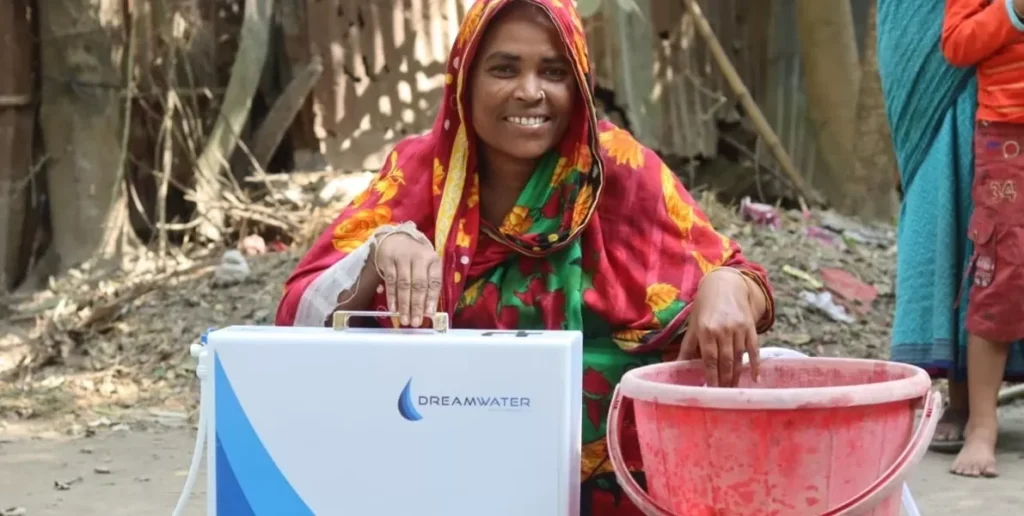
One of the most pressing challenges in monsoon-afflicted regions is the irony of "water, water everywhere, nor any drop to drink." Floodwaters often contaminate traditional wells, leading to outbreaks of waterborne diseases. To combat this, Adhuri Begum and the Footsteps Bangladesh project implemented the Dreamwater system.
The Dreamwater model is a portable filtration unit designed for high-stress environments. The technical specifications of the system include:
- Contaminant Removal: The system utilizes nanosilver filtration technology to remove 99.99% of bacteria and pathogens.
- Portability: Designed as a single backpack unit, it allows for mobility during flood evacuations.
- Energy Efficiency: Equipped with low-cost batteries, the system ensures that clean water is accessible even when the traditional power grid fails.
Beyond the hardware, the project has trained approximately 800 women in awareness and participation programs. This human-centric approach ensures that the technology is not only delivered but maintained and managed by the community. Adhuri Begum emphasizes that this is a status-shifting endeavor: "We are transforming a crisis into hope. Not only are we tackling the climate crisis, but also harnessing the potential of women so they can save lives and increase their own status within their communities."
Energy Independence and the Rise of Solar Villages
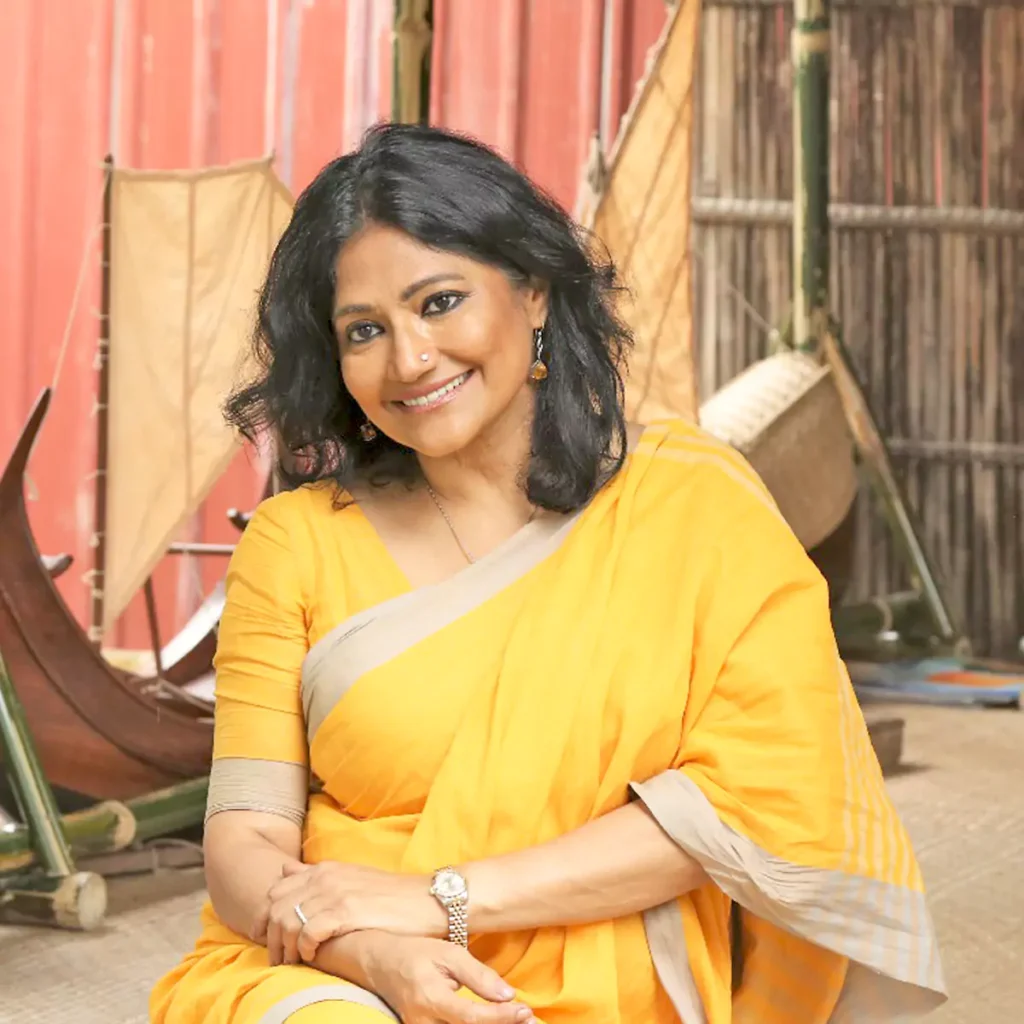
While water is a primary concern, energy poverty remains a significant hurdle for climate migrants—individuals driven to coastal belts and river islands by rising sea levels. Runa Khan, the founder and CEO of the NGO Friendship, has addressed this through the development of solar villages.
Friendship’s initiatives have been internationally recognized, securing approximately £1 million in funding to deploy solar home systems. These systems range in capacity from 20 watts to 85 watts, providing enough electricity to power LED lighting, mobile phone charging, and small fans. To date, over 3,500 homes have been equipped with these systems, and 700 local professionals have been trained in their installation and maintenance.
The impact of this transition is multifaceted:
- Health and Safety: The replacement of kerosene lamps reduces indoor air pollution and fire hazards.
- Education: Reliable lighting allows children to study after sunset, improving long-term educational outcomes.
- Economic Growth: Solar-powered learning centers and micro-enterprises have impacted over 7.5 million citizens.
Runa Khan’s philosophy centers on "depth and quality" over rapid expansion. By strengthening roots in mangrove preservation and community-led protection, the solar village model ensures that the infrastructure remains sustainable even as the physical landscape changes.
Agricultural Resilience: The LoGIC Project and Quinoa Cultivation
The LoGIC project represents a massive collaborative effort between the Government of Bangladesh, the European Union, and the United Nations Development Programme (UNDP). It targets the agricultural sector, which remains the backbone of the Bangladeshi economy but is increasingly threatened by soil salinity.
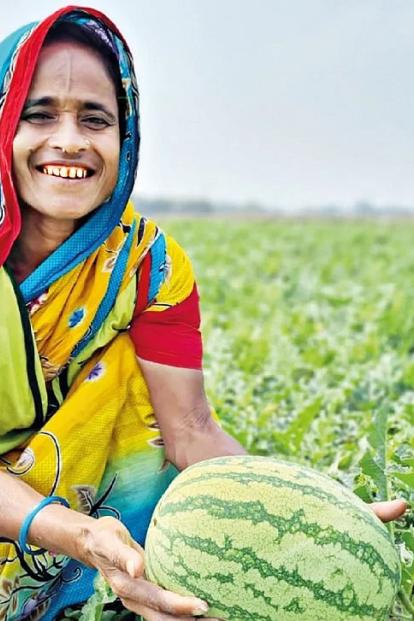
In coastal areas like Ashabaria, traditional rice crops are often destroyed by saline intrusion during storm surges. Salma Begum, a cooperative farmer and mother of three, was among the thousands of women who had no arable land and limited resources. Through the Climate Resilience Fund (CRF), a component of the LoGIC project, Begum and seven other women formed a cooperative to pool assets and grants.
The shift toward quinoa and other climate-tolerant crops is a strategic move. Quinoa is naturally resilient to high salinity and requires less water than traditional staples. The LoGIC project has:
- Supported an estimated 35,000 women.
- Provided training in climate-adaptive livelihood options.
- Facilitated the use of "floating gardens" (Baira), an indigenous practice that uses water hyacinths to create buoyant beds for vegetables during floods.
This model of sustainable agriculture ensures food security while providing women with a direct source of income, further insulating their families against the economic shocks of natural disasters.
Institutional Support and the Role of PKSF
The Palli Karma-Sahayak Foundation (PKSF) serves as the institutional backbone for many of these grassroots efforts. As a Direct Access Entity (DAE) for the Green Climate Fund, PKSF ensures that international climate finance reaches the people who need it most, rather than being absorbed by administrative overhead.
Under the leadership of Managing Director Dr. Nomita Halder, PKSF has launched the GREEN (Growth for Climate Resilient and Environmental Entrepreneurship and Nutrition) project. This six-year initiative focuses on the Haor wetlands, a region characterized by seasonal flooding. The project aims to:
- Promote micro-enterprises in rural areas.
- Integrate environmental concerns into fisheries and livestock policies.
- Advocate for the reduction of chemical pesticides that threaten indigenous fish species.
The inclusion of voices like Farida Akhter, a Fisheries and Livestock adviser, highlights the intersectional nature of the movement. Akhter has been vocal about the need to protect endangered indigenous fish and manage the impact of chemical runoff on food production. By facilitating discourse between policymakers and grassroots leaders, PKSF is bridging the gap between local reality and national policy.
Analysis of Broader Implications and the Global Model
The success of Bangladesh’s women-led climate revolution offers a critical blueprint for the Global South. It demonstrates that climate resilience is not merely a matter of engineering but of social equity. When women are given the tools to lead, the resulting solutions tend to be more holistic, addressing immediate survival needs while fostering long-term economic stability.
Socio-Economic Empowerment: The transition from subsistence farming to climate-smart entrepreneurship has fundamentally altered the power dynamics within rural households. Women who were once economically dependent are now primary breadwinners and community advisors.
Educational Justice: Through alliances like SheRAA, climate education is being integrated into community training. This ensures that the next generation is equipped with the scientific knowledge and technical skills to navigate an increasingly volatile environment.
Policy Influence: The "Bangladesh Model" proves that local knowledge, when paired with modern technology and international funding, can drive national policy. The government’s willingness to incorporate pesticide concerns and livestock protection into its climate strategy is a direct result of the advocacy work performed by these women-led cooperatives.
In conclusion, the transformation occurring in the delta of Bangladesh is a testament to human ingenuity in the face of existential threats. By weaving traditional regional knowledge with modern technological adaptations, these women have become global beacons of resilience. Their work suggests that the most effective way to combat the climate crisis is to empower those who live on its front lines. As this model continues to evolve, it provides a scalable framework for investors, policymakers, and international organizations to construct a more equitable and sustainable future.

