

The concept of the micromort, a unit representing a one-in-a-million chance of death, is emerging as a crucial tool for enhancing public understanding of risk, particularly in the context of medical procedures and everyday activities. Developed to bridge the gap between complex statistical probabilities and public comprehension, micromorts offer a standardized metric that allows for direct comparisons between vastly different scenarios, from surgical interventions to recreational pursuits. This approach aims to empower individuals with a clearer perspective on potential dangers, enabling more informed decision-making.
The Challenge of Quantifying Risk
Historically, communicating the magnitude of risk associated with medical procedures has posed a significant challenge. Patients often struggle to grasp the implications of seemingly small percentages, leading to misconceptions about the relative dangers of various activities. For instance, a patient undergoing a surgical procedure with a mortality rate of 0.5% might dismiss it by stating, "I could die just as easily crossing the road." This sentiment highlights a critical disconnect in understanding the difference in scale between everyday risks and those associated with medical interventions.
The introduction of the micromort offers a solution to this communication barrier. By translating probabilities into a relatable unit, it provides a tangible benchmark for assessing risk. For example, undergoing anesthesia, which carries approximately a 1-in-100,000 chance of not waking up, translates to 10 micromorts. This is comparable to the risk associated with an expert skydive. While such analogies are helpful, the micromort unit itself provides a more consistent and universally applicable framework for comparison.
Understanding the Micromort Unit
A micromort (mM) is defined as a one-in-a-million chance of dying. To put this into perspective, it is akin to flipping a coin and getting heads twenty times in a row, or a slightly lower probability than drawing a royal flush in a game of poker. The true power of the micromort lies in its ability to facilitate direct comparisons between disparate risks.

For instance, driving 100 miles carries approximately a one-in-a-million chance of death, equating to one micromort. Scuba diving, on the other hand, is estimated to carry a risk of five micromorts per dive, making a single dive as risky as driving 500 miles. This quantifiable comparison allows individuals to weigh the risks of medical procedures against familiar activities, fostering a more nuanced understanding of personal safety.
Risk Comparisons: Medical Procedures vs. Everyday Life
The application of micromorts extends to a wide range of medical interventions and common activities, revealing surprising equivalencies and stark differences in risk.
Risks Associated with Childbirth and Surgery
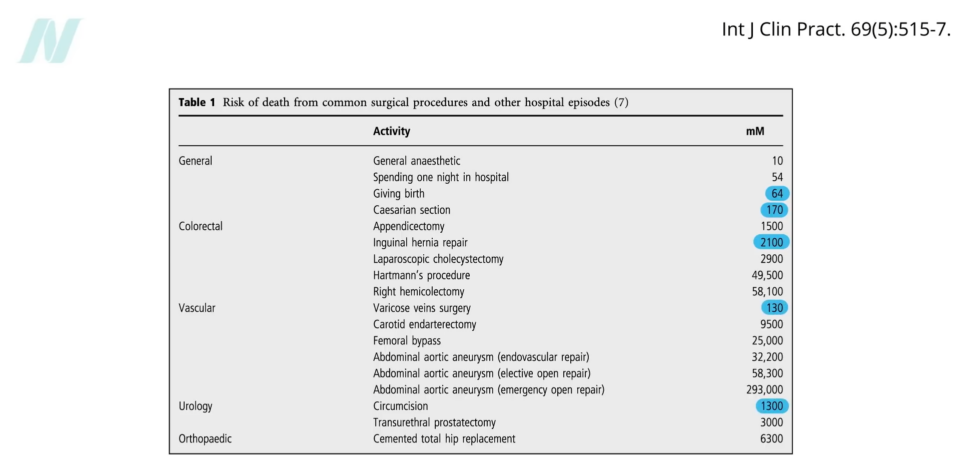
Giving birth, a significant life event, carries a risk equivalent to driving from New York to Los Angeles and back again. However, a Cesarean section, while often medically necessary, more than doubles this risk. Even seemingly routine procedures like hernia repair carry a mortality risk comparable to skydiving 200 times. This data suggests that while some surgical interventions may be unavoidable, others, such as those for varicose veins or circumcision, might present risks that warrant careful consideration and potentially avoidance if alternatives exist.
Recreational and Adventure Risks
The realm of recreational activities also presents a diverse spectrum of risks when measured in micromorts. Surprising data indicates that horseback riding is approximately four times deadlier than rock climbing. In contrast, the risks associated with medical treatments like chemotherapy and radiation for head and neck cancer are significantly higher, potentially exceeding the cumulative risk of rock climbing for 500 years, driving 5 million miles, or skydiving 5,000 times.
Accidental Deaths and Daily Hazards
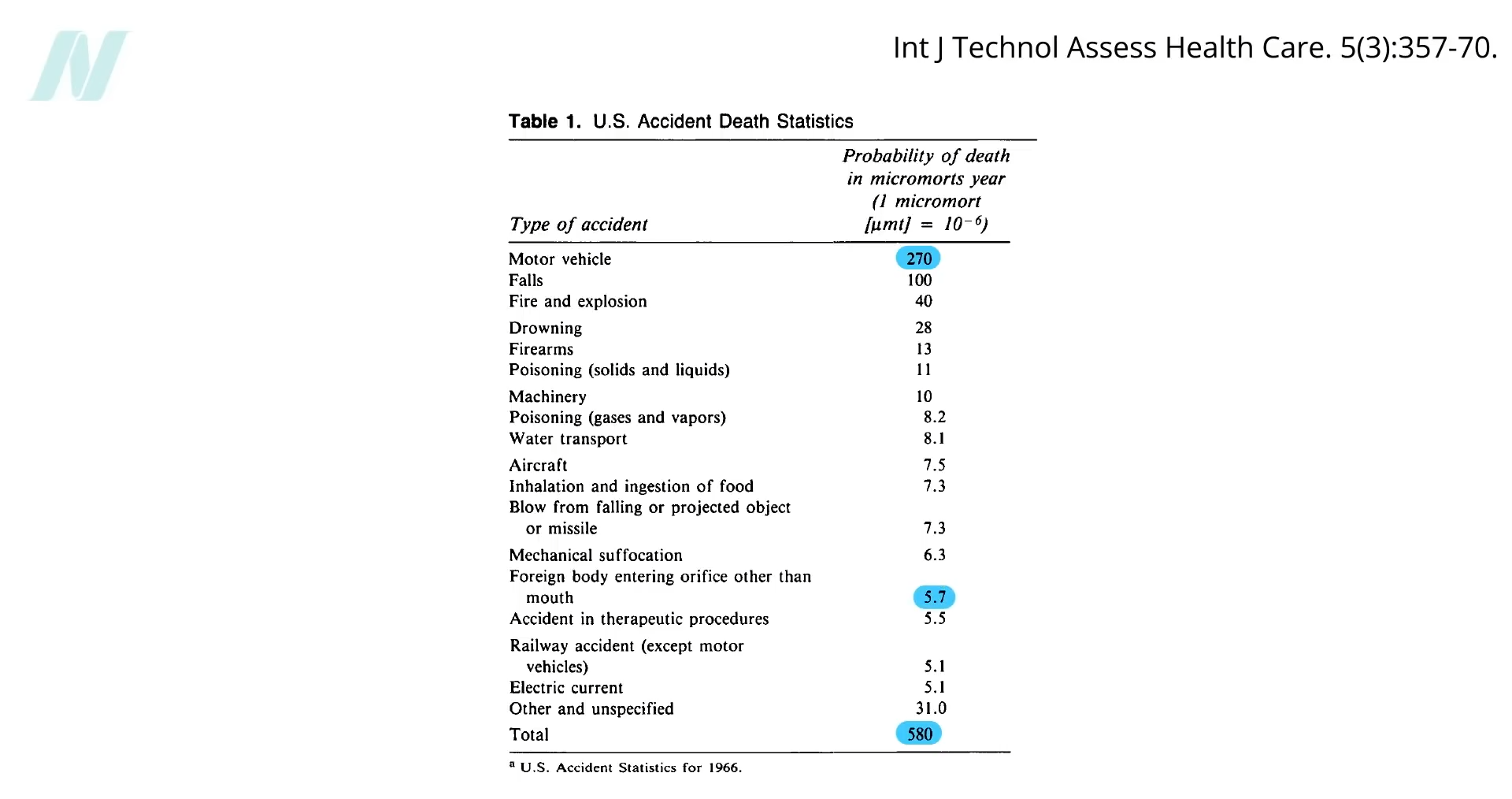
Accidental deaths represent a significant, yet often underestimated, category of mortality. On average, individuals face a one-in-a-million chance of dying from an accident each day. Car crashes account for roughly half of this daily risk in the United States. Beyond vehicular accidents, other less common but notable risks include dying from a foreign body entering an orifice other than the mouth, which carries an annual risk of approximately 1 in 200,000 for Americans.
Further analysis of hazardous activities reveals further contrasts:
- Mount Everest expeditions are approximately 30 times riskier than coal mining or base jumping.
- Train and plane travel present equivalent risks over the same distance.
- Motorcycle riding is approximately 50 times deadlier than car travel.
- Cycling to a destination is about 10 times riskier than driving in the short term.
Emerging Risks and Public Health Concerns
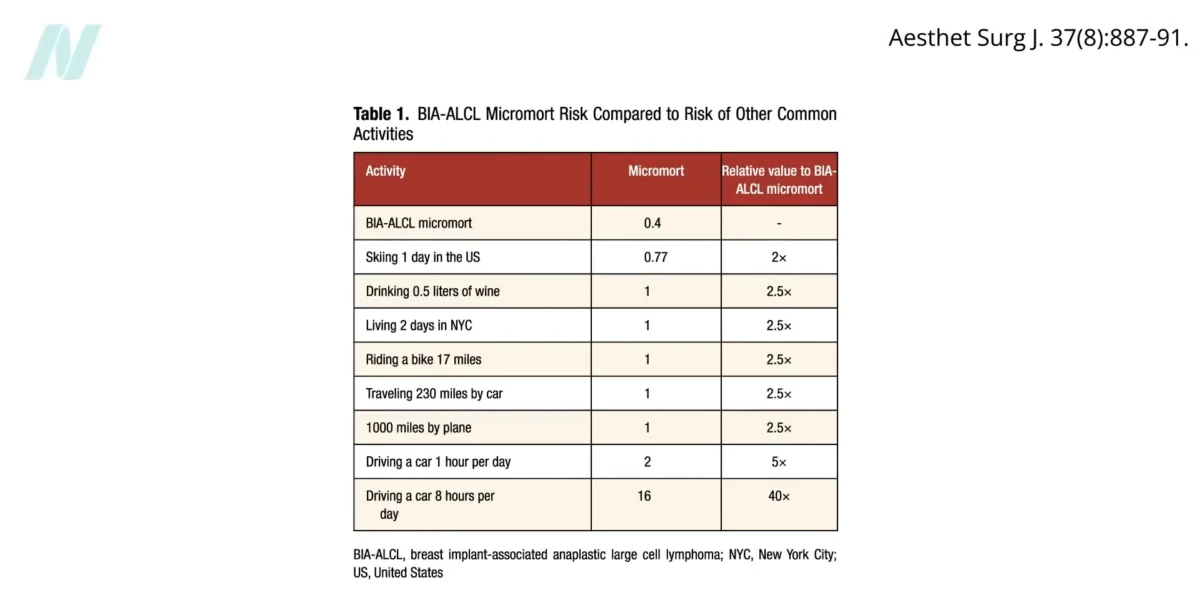
The micromort metric also provides a valuable tool for contextualizing risks associated with newer medical technologies and procedures, such as certain types of breast implants. These implants have been linked to a rare form of cancer, breast implant-associated lymphoma. While the prospect of developing such a cancer can be deeply unsettling for millions of women, a micromort analysis reveals that the risk of dying from this specific cancer is less than the risk incurred from a single day of skiing. This comparison, while not diminishing the seriousness of the potential diagnosis, offers a perspective that can help alleviate undue anxiety and inform decisions about implant use.
The Physician’s Role in Risk Communication
Physicians play a pivotal role in translating complex health information into understandable terms for their patients. The micromort framework offers a scientifically grounded yet accessible method for discussing the risks and benefits of medical interventions. By employing this metric, healthcare professionals can foster greater patient autonomy and shared decision-making.
The broader implications of medical interventions and physician-induced harm are also being brought to light. Research suggests that physicians themselves are a leading cause of death, a statistic that underscores the importance of preventative healthcare strategies and continuous improvement in medical practices. Resources such as "Why Prevention Is Worth a Ton of Cure" and analyses of how the medical community has responded to being identified as a significant cause of mortality are crucial for ongoing dialogue and reform.
Broader Impact and Future Implications
The widespread adoption of the micromort unit has the potential to revolutionize how individuals perceive and manage risk in their lives. By providing a common language for discussing probabilities, it can empower consumers to make more informed choices regarding their health, lifestyle, and participation in various activities. This enhanced understanding can lead to a more proactive approach to personal safety and well-being.
Furthermore, the micromort metric can inform public health policy and resource allocation. By accurately quantifying the risks associated with different behaviors and interventions, policymakers can develop more targeted and effective public health campaigns and regulatory measures. The ability to compare risks across diverse domains allows for a more comprehensive and evidence-based approach to public safety initiatives.
As research continues to refine the micromort values for a wider array of activities and medical procedures, this metric is poised to become an indispensable tool in the ongoing effort to promote health literacy and empower individuals to navigate an increasingly complex world of risks and choices. The future of risk communication may well be measured in these small, yet profoundly informative, units.

