

The long-held definition of protein quality, primarily rooted in biochemical assessments, is increasingly being challenged as a public health imperative for modernization. Emerging research suggests that the prevailing metrics may not accurately reflect the nuanced impact of protein sources on human health, particularly in industrialized nations where chronic diseases, rather than acute malnutrition, pose the most significant health threats. This growing body of evidence is prompting a re-evaluation of dietary recommendations, urging a shift towards plant-based protein sources and away from a generalized perception that more animal protein is inherently better.
The Traditional View and Its Emerging Criticisms
For decades, the nutritional science community has utilized a system to rank protein quality based on amino acid profiles and digestibility. The Protein Digestibility Corrected Amino Acid Score (PDCAAS) and, more recently, the Digestible Indispensable Amino Acid Score (DIAAS) are commonly employed. These metrics assess how well a protein source provides all the essential amino acids, the building blocks of protein that the human body cannot synthesize on its own. Proteins with a complete amino acid profile and high digestibility are typically deemed "high quality," a category often associated with animal products such as meat, eggs, and dairy.
However, a seminal paper published in 2019 by Dr. David Katz and colleagues, including renowned researcher David Jenkins, presented a compelling "public health case for modernizing the definition of protein quality." The authors argued that the existing definitions are overly focused on biochemical attributes and inadequately address the broader health implications for populations. In many developed countries, severe protein deficiency, like kwashiorkor, is exceedingly rare. Instead, the primary public health challenges stem from diet-related chronic diseases, including heart disease, type 2 diabetes, and certain cancers. This disparity raises critical questions about the continued emphasis on a protein quality definition that may inadvertently promote dietary patterns linked to these prevalent health issues.
The common, and often oversimplified, public perception that "protein is good, and more is better" is amplified by definitions that favor animal proteins. This can create a misleading impression that increased consumption of meat, eggs, and dairy is universally desirable. This perception stands in stark contrast to evolving nutrition guidelines that increasingly advocate for greater reliance on plant-based foods, which are rich in fiber, vitamins, minerals, and antioxidants, and often lower in saturated fat and cholesterol.
Landmark Studies Underscore the Benefits of Plant-Based Protein
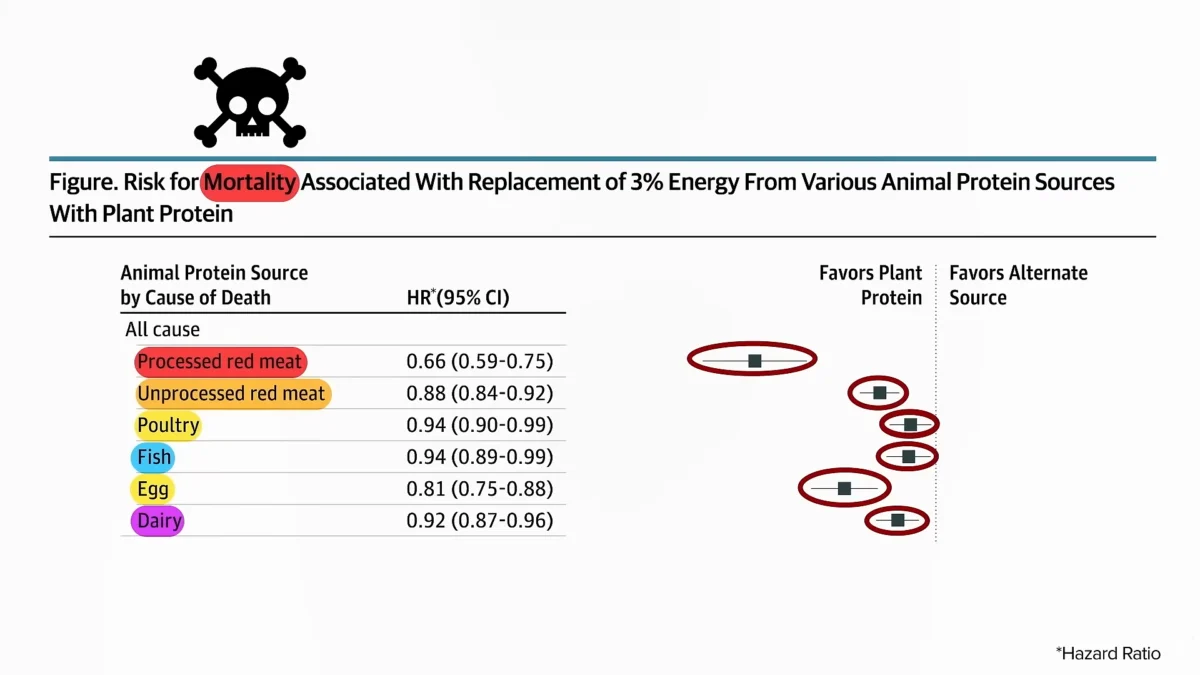
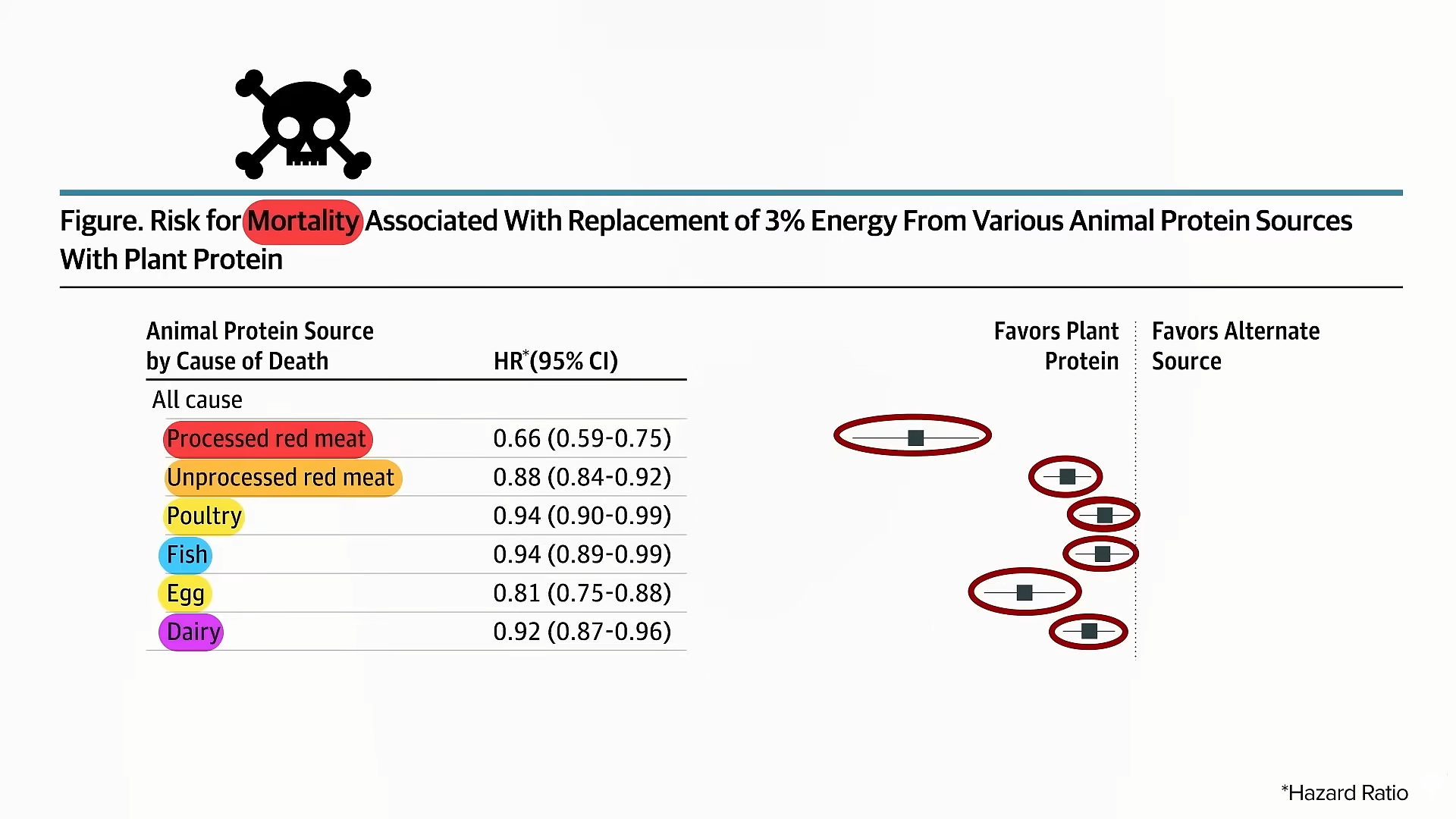
Significant research has begun to illuminate the differential health outcomes associated with animal versus plant protein consumption. A landmark study published in 2016, involving over 100,000 participants, provided compelling data suggesting a direct correlation between protein source and longevity. This extensive Harvard study found that replacing animal protein with plant protein was associated with a reduced risk of premature death.
The study’s findings were particularly striking. Participants who substituted even a modest amount of animal protein—as little as 3% of their daily intake—with plant-based protein sources demonstrated a significantly lower risk of mortality. This beneficial association held true when replacing various animal protein categories, including processed meats, unprocessed red meats, poultry, fish, eggs, and dairy products. The "worst offenders" identified in the study were processed meats, such as bacon, and egg protein, particularly egg whites.

Further reinforcing these findings, the U.S. National Institutes of Health-AARP Diet and Health Study, one of the largest cohort studies on diet and health ever conducted, analyzed data from approximately 400,000 individuals. This massive undertaking replicated and strengthened the earlier observations. It revealed that substituting just 3% of calories from animal protein with plant protein was associated with a 10% reduction in overall mortality. The benefits were even more pronounced when egg consumption was also reduced, with a potential doubling of the mortality reduction observed. The association between egg consumption and an increased risk of cardiovascular disease, noted in other research, likely contributes to this amplified benefit.
Unpacking the Mechanisms: Why the Difference?
The question naturally arises: how does the body differentiate between protein from a plant and protein from an animal, and what are the underlying biological mechanisms driving these observed health outcomes? While protein is fundamentally composed of amino acids, the specific profiles and associated compounds within different protein sources play a crucial role.
One key difference lies in the branched-chain amino acid (BCAA) content. Generally, plant proteins are lower in BCAAs compared to animal proteins. Research has indicated that a decreased intake of BCAAs can lead to improvements in metabolic health. BCAAs, while essential, are also implicated in stimulating insulin resistance and potentially contributing to the development of type 2 diabetes.
Another significant factor is the potential role of Insulin-like Growth Factor 1 (IGF-1). Animal proteins, particularly those categorized as "high quality," have been shown to boost IGF-1 levels. IGF-1 is a hormone that promotes growth but is also linked to an increased risk of certain cancers. The hypothesis is that higher IGF-1 levels, regardless of dietary intake, are associated with a greater risk of life-threatening conditions such as type 2 diabetes and heart disease. This suggests a potential causal link where animal protein intake, by elevating IGF-1, contributes to these chronic diseases.
Furthermore, environmental contaminants may also play a role. Pollutants such as dioxins and polychlorinated biphenyls (PCBs) tend to accumulate in the food chain, concentrating in animal tissues. These toxins are subsequently transferred to humans through the consumption of meat, poultry, fish, and dairy. By shifting towards plant-based proteins, individuals can reduce their dietary exposure to these harmful pollutants, thereby lowering their body burden and mitigating potential health risks. As researchers have noted, "plant-based protein, besides other health benefits, stands as an important step to lower the body burden of harmful pollutants of dietary animal-protein origin."
A Shift in Dietary Recommendations and Public Health Implications
The accumulating scientific evidence strongly suggests that a redefinition of protein quality is not merely an academic exercise but a critical public health necessity. The prevailing notion that higher animal protein intake is universally beneficial appears to be outdated and potentially detrimental to long-term health in populations facing chronic disease epidemics.
The implication of these findings is clear: promoting increased intake of plant-based proteins while moderating animal protein consumption can lead to significant improvements in public health. This shift aligns with the recommendations of numerous health organizations that are increasingly emphasizing plant-forward dietary patterns for disease prevention and overall well-being.
Meta-analyses combining data from multiple studies on dietary protein intake and mortality consistently point towards a paradoxical relationship. While higher overall protein intake has been associated with shorter lifespans, this trend is predominantly driven by the detrimental effects of animal protein. Conversely, plant protein intake demonstrates an inverse association with mortality, meaning that individuals who consume more plant protein tend to live longer. This robust correlation underscores the potential of dietary interventions to influence longevity and reduce the burden of chronic diseases.
Addressing Common Misconceptions and Future Directions
The conversation around protein quality also necessitates addressing common misconceptions. One such myth is the need to meticulously combine specific plant proteins, like rice and beans, within the same meal to achieve a complete amino acid profile. Scientific consensus has long debunked this notion, affirming that consuming a varied diet of plant-based foods throughout the day provides all essential amino acids.
Furthermore, the question of adequate protein intake for vegetarians and vegans has been a recurring concern. However, studies indicate that well-planned vegetarian and vegan diets can readily meet protein requirements. The focus should be on the quality and source of protein, rather than simply the quantity, especially in the context of chronic disease prevention.
The burgeoning market of plant-based meat alternatives also warrants careful consideration. While these products offer a potential avenue for reducing animal protein consumption, their healthfulness depends on their overall nutritional profile, including processing methods, sodium content, and the types of fats used. A thorough analysis is needed to determine if they truly offer the same health benefits as whole, unprocessed plant protein sources.
In conclusion, the call for modernizing the definition of protein quality is a critical step towards aligning dietary science with the realities of contemporary public health challenges. By shifting the focus from purely biochemical metrics to holistic health outcomes, and by encouraging a greater reliance on plant-based protein sources, we can pave the way for improved longevity and a reduced incidence of chronic diseases. The evidence is mounting, and the message is becoming increasingly clear: for optimal health in the 21st century, it’s time to rethink our relationship with protein.

