

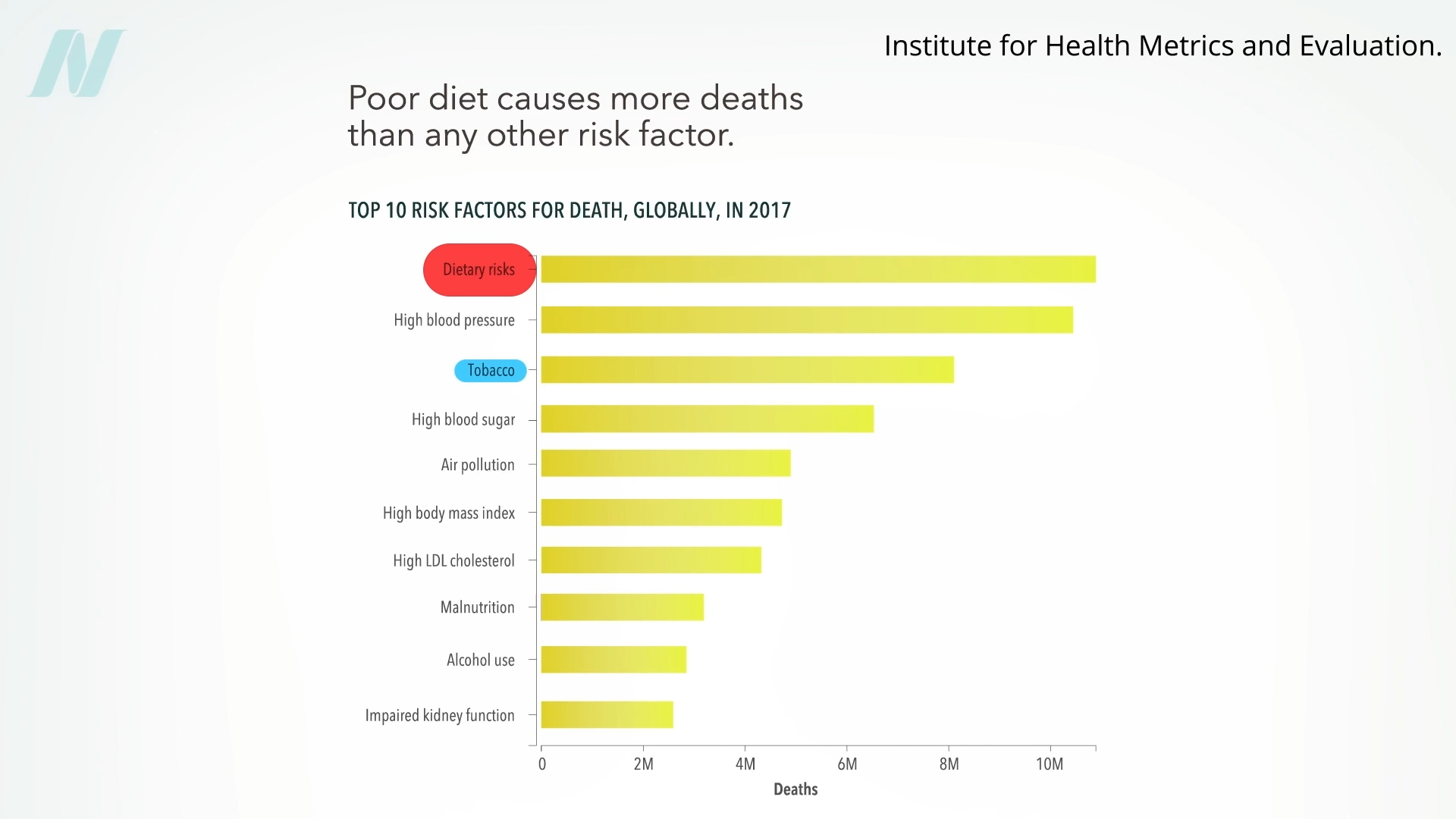
A groundbreaking study examining the largest dataset on risk factors for death in human history has underscored the profound impact of diet on longevity, revealing that dietary deficiencies contribute to more fatalities annually than even well-known culprits like cigarette smoking. While cigarettes account for approximately 8 million deaths per year, the collective impact of suboptimal human diets claims millions more lives. This stark reality, detailed in comprehensive global health analyses, positions dietary choices as a paramount determinant of public health outcomes. The findings, further elucidated in a detailed video analysis, highlight specific dietary shortcomings that pose the greatest risks.
Identifying the Deadliest Dietary Deficiencies
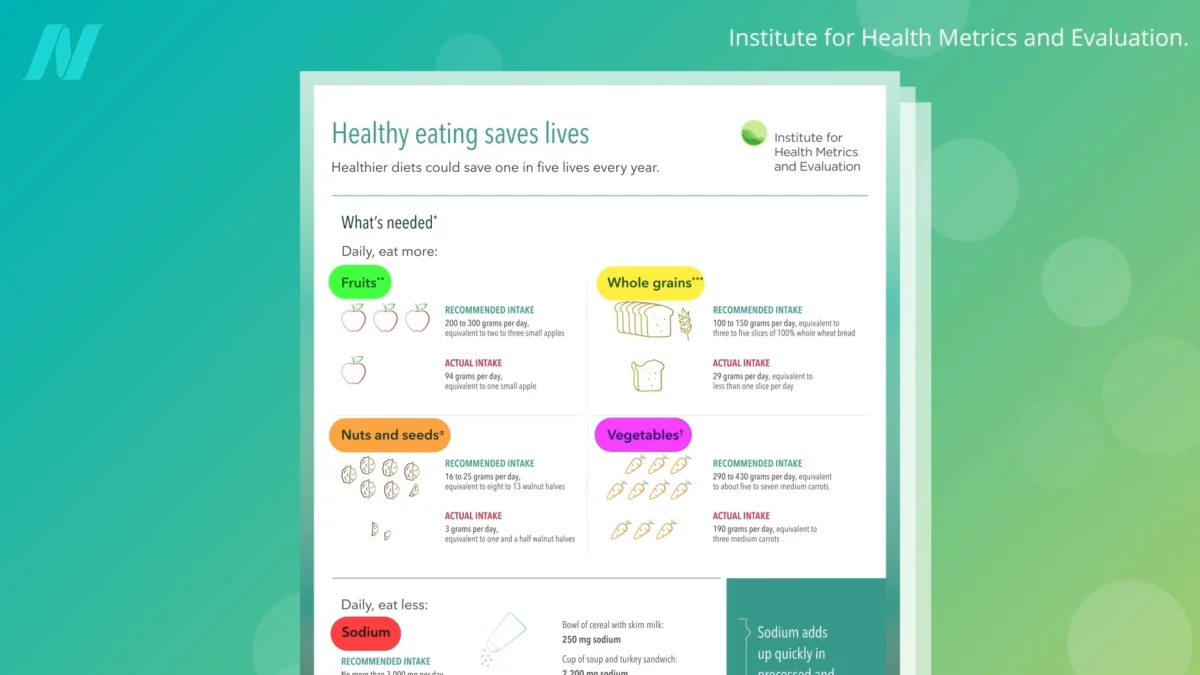
Contrary to common assumptions that might point to processed meats, sugary snacks, or carbonated beverages as the primary dietary villains, the most significant threats to life stemming from our eating habits are far more fundamental. The five most detrimental aspects of the modern diet, as identified by extensive research, are: insufficient consumption of fruits, whole grains, and vegetables; excessive intake of salt; and a deficit in nuts and seeds. This classification, supported by visual data and expert commentary, emphasizes a pattern of underconsumption of nutrient-dense whole foods and overconsumption of sodium.
The Protective Power of Nuts: A Deep Dive
The association between nut consumption and a reduced risk of mortality comes as little surprise to researchers who have observed tangible physiological benefits. Interventional trials have consistently demonstrated that incorporating nuts into the diet leads to improved arterial function, a crucial factor given that arterial diseases, particularly heart disease, remain leading causes of death globally. Beyond cardiovascular health, nuts have been shown to offer a multifaceted array of benefits. They can contribute to better blood sugar control, help lower cholesterol levels, exert anti-inflammatory effects, reduce oxidative stress within the body, and importantly, nourish beneficial gut bacteria. This diverse range of positive impacts underscores the complex nutritional profile of nuts.
The question then arises: do all types of nuts confer these benefits equally, or are there distinctions, for instance, between tree nuts and peanuts? The vast majority of nut-related research has historically focused on a broad category, but specific examination of individual nut types and their derivatives is crucial for precise dietary recommendations.
Peanut Butter’s Enigmatic Role in Longevity
Peanuts and their processed form, peanut butter, represent a significant portion of nut consumption in many Western diets, particularly in the United States, where peanut butter accounts for roughly half of all peanut intake. However, the direct correlation between peanut butter consumption and mortality risk has not been as extensively scrutinized as that of whole nuts. To address this gap, researchers turned to the National Institutes of Health-AARP (NIH-AARP) Diet and Health Study. This landmark prospective study, considered the largest of its kind in history, has followed over half a million individuals since the 1990s, providing an unparalleled dataset for investigating the long-term effects of diet on health.
Unpacking the NIH-AARP Study Findings
The analysis of the NIH-AARP data revealed a significant protective association between general nut consumption and all-cause mortality. Individuals who regularly consumed nuts tended to live longer lives, exhibiting a reduced likelihood of death from a range of serious conditions. These included various forms of cancer, cardiovascular diseases, liver and kidney diseases, respiratory ailments, and even infectious causes, suggesting a potential role for nuts in bolstering immune function.

However, a striking divergence emerged when the data was analyzed specifically for peanut butter consumption. In contrast to the protective effects observed for whole nuts, no comparable association was found between peanut butter intake and a reduced risk of mortality. This finding raises a critical question: why does peanut butter, derived from peanuts which are botanically legumes but nutritionally similar to nuts in many respects, not appear to confer the same longevity benefits?
Investigating Potential Explanations for the Discrepancy
Several hypotheses have been put forward to explain this puzzling observation. One initial consideration was the lifestyle characteristics of peanut butter consumers. Researchers acknowledged that individuals who frequently consume peanut butter might also be more prone to other health-compromising behaviors, such as higher meat consumption, cigarette smoking, and lower levels of physical activity. However, the study’s robust methodology accounted for these confounding factors. The researchers meticulously controlled for a wide array of variables, including alcohol intake, consumption of fruits and vegetables, educational attainment, and other lifestyle choices. This rigorous statistical control suggests that the lack of association for peanut butter is unlikely to be solely due to an aggregation of generally unhealthy habits among its consumers. While the study did not explicitly control for sugar intake, the possibility of increased consumption of sugary accompaniments, such as jelly in peanut butter sandwiches, was noted as a potential, albeit not definitively proven, contributing factor.
Another avenue of investigation focused on the processing involved in creating peanut butter. The addition of ingredients such as trans fats, oils, sugar, and salt during the manufacturing process could potentially negate or diminish the inherent health benefits of peanuts. However, this explanation faces a counterargument: whole nuts are also frequently consumed with added oil, sugar, and salt, particularly in processed snacks or baked goods. Therefore, processing alone might not be the sole differentiator.
The botanical classification of peanuts also entered the discussion. Peanuts are technically legumes, not tree nuts. While they share many nutritional similarities, the subtle biological differences could theoretically lead to varied health impacts. Nevertheless, comprehensive meta-analyses of studies examining whole peanuts have found them to possess similar nut-like health benefits. This suggests that the intrinsic properties of the peanut itself are not the primary reason for the lack of association with peanut butter.
The Role of Cellular Structure and Prebiotic Effects
A more compelling explanation, highlighted by nutritional science, centers on the physical form of the food. Even in nut and seed butters prepared without added salt, oil, or sugar, a crucial element is often missing: the intact cellular structure of the original nuts and seeds. When whole or chopped nuts are consumed, even after chewing, a portion of their nutrients remains encapsulated within microscopic cellular fragments. These intact structures are not fully digested in the upper gastrointestinal tract and consequently reach the lower gut, where they serve as a valuable source of prebiotics. Prebiotics are non-digestible fibers that selectively stimulate the growth and activity of beneficial bacteria in the gut microbiome. A healthy and diverse gut microbiome is increasingly recognized as fundamental to overall health, influencing everything from immunity and inflammation to nutrient absorption and even mental well-being.
The hypothesis is that the mechanical breakdown and homogenization inherent in the production of peanut butter, even in its purest forms, disrupt these cellular structures. This disruption may prevent the release of these prebiotic compounds to the gut flora, thereby diminishing a key mechanism through which whole nuts exert their health-promoting effects. This line of reasoning also leads to a curious question about the texture of peanut butter itself: could there be a difference in health outcomes between chunky peanut butter, which retains more particulate matter, and smooth peanut butter, which is more finely processed? Further research would be needed to explore such nuances.
Expert Recommendations for Maximizing Longevity
Based on the existing body of evidence, there is "compelling evidence" to recommend the regular consumption of nuts as a strategy for enhancing longevity and improving overall health. To maximize these benefits, experts suggest prioritizing raw nuts over salted or toasted varieties, and opting for whole or chopped nuts rather than nut butters. A consumption frequency of at least three times per week is advised to achieve optimal health outcomes.
Further Considerations and Nutritional Insights
The Healthiest Nut? Walnuts Emerge as a Top Contender
While a general recommendation for nuts is robust, specific types may offer distinct advantages. Walnuts, for instance, have garnered particular attention for their potent impact on cardiovascular health. Studies have specifically investigated the link between walnut consumption and improved arterial function, suggesting they may be among the most beneficial nuts for heart health.
Addressing Concerns About Nuts and Weight Gain
A common misconception is that nuts, due to their calorie density, invariably lead to weight gain. However, extensive research, including meta-analyses of numerous studies, has consistently demonstrated that nuts do not promote obesity. In fact, when incorporated into a balanced diet, nuts can be associated with better weight management. Their high fiber and protein content contribute to satiety, potentially leading to reduced overall calorie intake. The weight of evidence strongly supports their inclusion in weight-conscious eating patterns.
The Broader Context: "How Not to Diet"
These insights into the nuanced benefits of specific foods, including the distinction between whole nuts and nut butters, are further explored in comprehensive nutritional guides. The principles of healthy eating, which emphasize nutrient density and the consumption of whole, unprocessed foods, are central to achieving long-term health and preventing chronic diseases. The promotion of evidence-based dietary strategies aims to empower individuals to make informed choices that contribute to a longer, healthier life.
In conclusion, while the association between nut consumption and reduced mortality is well-established, the case for peanut butter is less clear. The potential loss of beneficial prebiotic compounds due to processing, coupled with possible dietary habits of consumers, may explain why peanut butter does not appear to offer the same protective benefits. Therefore, prioritizing whole, unprocessed nuts remains the most scientifically supported approach for leveraging these remarkable foods to promote longevity and well-being.

