

The long-held perception of potatoes as a healthy staple in balanced diets is being increasingly challenged by emerging research, prompting a closer examination of their link to type 2 diabetes. While the humble potato, particularly in its non-fried, unadorned forms, has historically been considered a benign carbohydrate source, a growing body of scientific inquiry suggests a more nuanced and potentially concerning association with metabolic health. This analysis delves into the evolving understanding of potato consumption and its implications for diabetes risk, exploring the complexities of dietary patterns, preparation methods, and the limitations of observational studies.
The Genesis of Concern: Early Harvard Studies
The conversation surrounding potatoes and diabetes gained significant traction in 2006 with the publication of findings from the Harvard Nurses’ Health Study. This landmark longitudinal study, which meticulously tracked the dietary habits and health outcomes of tens of thousands of women over two decades, identified a correlation between higher potato intake and an increased likelihood of developing type 2 diabetes. This initial observation, while significant, immediately raised questions about the specific forms of potato consumption. Given that a substantial portion of the estimated one hundred pounds of potatoes consumed annually by Americans are in processed and fried forms—such as potato chips and french fries—researchers sought to isolate the impact of less processed preparations.
Further analysis within the Harvard study specifically examined the consumption of mashed or baked potatoes, excluding significant amounts of added fats or accompaniments. Alarmingly, these investigations also revealed a persistent link to an elevated risk of type 2 diabetes. This finding prompted researchers to explore confounding dietary factors that might be intertwined with potato consumption. A common observation was that individuals who consumed more potatoes also tended to consume more meat. Given that animal protein has also been linked to an increased risk of diabetes, researchers attempted to statistically adjust for this variable. However, even after accounting for meat consumption, the association between potatoes and diabetes remained.
The investigation then turned to the common accompaniments of baked and mashed potatoes, such as butter and sour cream. Researchers diligently attempted to control for these dietary elements, as well as for the ratio of plant to animal fats and the consumption of other beverages like soda or the intake of other vegetables. Despite these efforts to disentangle the effects of various dietary components, the association between potato consumption and diabetes persisted. This persistent link, even after accounting for a range of potential confounders, underscored the need for further research and raised doubts about the universally benign classification of potatoes.
Expanding the Evidence Base: Multiple Cohorts and Mounting Concerns
By 2015, Harvard researchers had expanded their investigations to include other large cohort studies, notably the Health Professionals Follow-up Study, which comprised an all-male population. This complementary research aimed to strengthen the generalizability of the findings from the all-female Nurses’ Health Study. Across these expanded cohorts, a consistent, albeit small, increased risk of diabetes was observed in association with the consumption of baked, boiled, or mashed potatoes. However, the researchers noted that french fries appeared to pose a significantly higher risk, estimated to be nearly five times worse than other preparations.
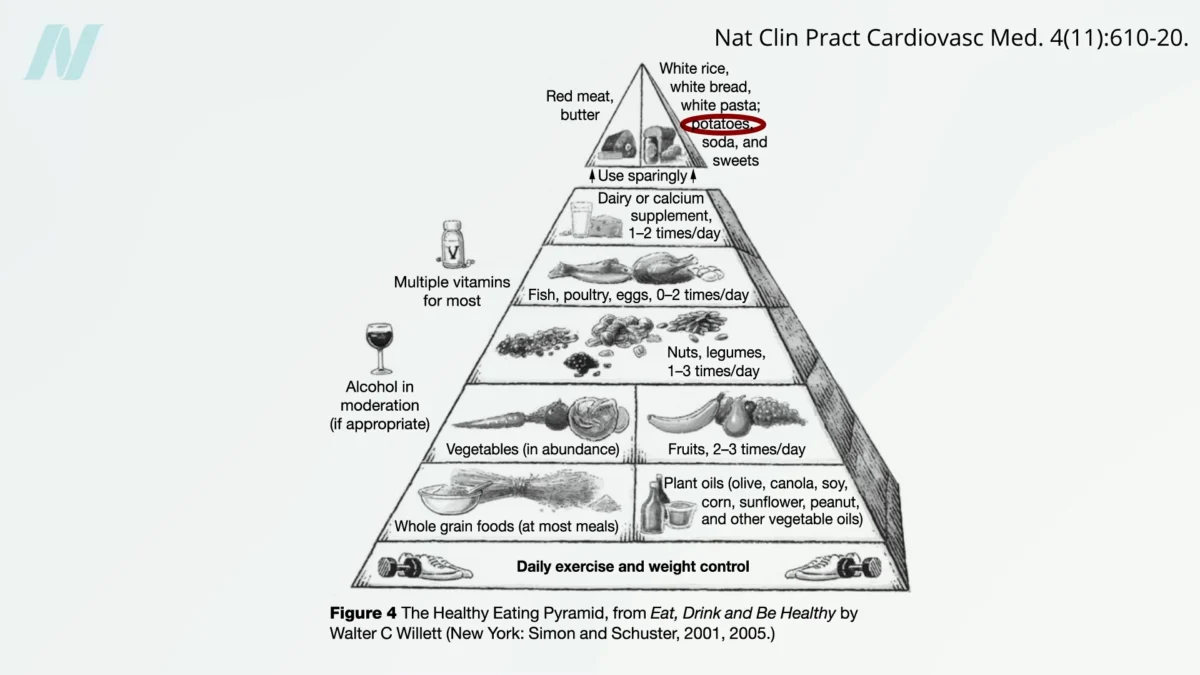
The implications of these cumulative findings were significant. The authors of these studies concluded that while potatoes are typically categorized as a healthy vegetable in dietary guidelines, the accumulating evidence "casts serious doubts on this classification." Walter Willett, then the chair of Harvard’s Department of Nutrition, took a notably strong stance, suggesting that potatoes should be placed in a category with less nutritious foods like candy. This assertion, made during the period of significant research activity on the topic, highlighted the growing concern within the nutritional science community regarding the impact of potato consumption on metabolic health.
The Aggregate Picture: Meta-Analyses and the Dominance of Fried Potatoes
In 2018, a comprehensive meta-analysis of potato consumption and the risk of type 2 diabetes was published, pooling data from all six prospective studies conducted up to that point. This aggregated analysis revealed an approximately 20% increase in diabetes risk for each daily serving of potatoes consumed. The researchers concluded that "long-term high consumption of potato… may be strongly associated with increased risk of diabetes."
However, a critical caveat emerged from this meta-analysis: the vast majority of potato consumption included in these studies was in fried forms. The researchers acknowledged that deep-fried foods are known to contain various detrimental compounds, such as advanced glycation end-products (AGEs), which can contribute to inflammation and oxidative stress, both implicated in the development of type 2 diabetes. Crucially, the meta-analysis was unable to distinctly assess the risks associated with french fries versus non-fried potatoes. While the overall association with potatoes showed a modest risk increase, even a moderate intake of french fries—as few as three servings per week—was linked to a nearly 20% greater risk of type 2 diabetes, suggesting a disproportionate impact of fried preparations.

Industry Responses and Methodological Challenges
The findings linking potato consumption to increased diabetes risk did not go unchallenged. The world’s largest manufacturer of frozen french fries, a company with billions of dollars in annual sales and a significant market share in the global french fry industry, publicly voiced its dissent. This industry giant, with the financial resources to do so, funded reviews aimed at casting doubt on the scientific conclusions.
One such industry-funded review argued that the scientific literature should be approached with caution, asserting that the impact of potatoes on disease risk factors might be contingent on the other foods with which they are consumed as part of a broader dietary pattern. This perspective highlights a fundamental challenge in observational nutrition research: the difficulty in isolating the effect of a single food item from the complex interplay of an entire diet. Critics, including the journal of the Potato Association of America, have pointed out that it can be exceedingly difficult to disentangle the effects of potatoes and fries from the broader context of the "Standard American Diet," which is often characterized by high consumption of processed foods, unhealthy fats, and added sugars. Observational studies, while valuable for identifying associations, can never definitively prove cause and effect. Therefore, it remains plausible that high potato consumption, even in baked or mashed forms, might simply serve as a marker for an overall less healthy dietary pattern.
A Different Context: The Iranian Study and Boiled Potatoes
To address these methodological limitations and explore potential differences in the impact of potatoes in varying dietary contexts, researchers turned their attention to countries where potato consumption patterns differ significantly from Western diets. A notable study emerged from Iran, a country where the predominant form of potato consumption is boiled. In this research, individuals who consumed potatoes exhibited healthier dietary profiles overall, incorporating more whole plant foods such as fruits, vegetables, legumes, and whole grains.
Even after researchers attempted to account for other dietary factors, those who consumed the most boiled potatoes demonstrated only half the odds of developing type 2 diabetes compared to those who consumed fewer potatoes. This finding offers support for the hypothesis that the preparation method and the overall dietary context are critical determinants of the health impact of potatoes. The study suggested that when potatoes are integrated into a diet rich in whole, unprocessed foods and prepared in healthier ways, their association with diabetes risk may be mitigated or even reversed.
Conclusion: Holding the Fries, Re-evaluating the Staple
A systematic review of the available evidence, encompassing a broad range of studies, concluded that there is currently "no convincing evidence" that the general intake of potatoes is definitively linked to type 2 diabetes. This conclusion, however, is heavily qualified by the pervasive inclusion of fried potato products in many of the analyzed studies. The overwhelming consensus within the scientific community is that french fries and other deep-fried potato products pose a significant and concerning risk to metabolic health.
The implications of this evolving research are multifaceted. For individuals concerned about diabetes risk, the primary takeaway is the crucial importance of preparation methods. While the evidence against french fries and other fried potato products is substantial, the role of boiled, baked, or steamed potatoes, especially when consumed as part of a balanced, whole-foods-based diet, appears to be far less concerning. This nuanced understanding encourages a more informed approach to dietary choices, moving beyond a blanket condemnation of potatoes to a more specific evaluation of how they are prepared and integrated into an individual’s overall eating pattern. The ongoing dialogue underscores the need for continued research to further clarify the complex interplay between specific food components, dietary patterns, and chronic disease risk.
Doctor’s Note: This exploration represents the first in a five-part series dedicated to understanding the health implications of potato consumption. Subsequent articles will delve into further aspects of this complex topic.
Related Topics: For those interested in a broader overview of diabetes and dietary strategies, a selection of relevant videos and articles on diabetes prevention and management is available.

