

The seemingly simple question, "How’s your digestion?" often precedes a deeper dive into one of our most fundamental daily bodily functions. This inquiry, a staple in routine doctor’s appointments, frequently elicits a vague response: "Could be better." This leads to a cascade of more specific, yet often difficult to answer, follow-up questions: How often are you having bowel movements? Have there been any recent changes? Are you experiencing constipation, diarrhea, or bloating? What does a typical week look like?
The reality for most individuals is that providing precise answers is a challenge. We tend to rely on imperfect memory, broad estimations, or the most recent event, often overlooking the subtle, cumulative shifts in our bodily processes. Unusual occurrences might be overemphasized, while the routine blend into a forgettable blur. Furthermore, many lack the specific vocabulary to accurately describe their experiences, as terms like "soft," "hard," or even "normal" can hold vastly different meanings for different people. This isn’t a sign of intentional neglect; it’s simply the natural limitation of human recall for everyday, non-remarkable events. The fundamental issue, however, is that our bathrooms generate a wealth of valuable health information daily, yet very little of it is systematically captured, creating a significant data gap that hinders a comprehensive understanding of our personal health narratives.
The Silent Data Generator: Unlocking Bathroom Insights
For decades, healthcare has recognized the profound importance of longitudinal data in understanding health. Blood pressure is not assessed by a single reading but monitored over time to discern trends. Cholesterol levels are tracked across years, revealing patterns through repeated screenings. Blood sugar monitoring, similarly, provides a picture of glucose balance over weeks and months, rather than just a fleeting spike or dip. This principle extends critically to digestive health, where isolated bowel movements offer only a fleeting glimpse. A consistent record spanning weeks or months, however, can paint a far more complete and actionable picture.
Yet, the human capacity for accurate recall of daily behaviors is demonstrably limited. Research consistently highlights the prevalence of "recall bias," where our brains tend to overemphasize infrequent or unusual events while downplaying the mundane. This inherent limitation makes it exceedingly difficult to precisely quantify the frequency of bodily functions or pinpoint the gradual onset of changes. Without objective, consistent data, subtle shifts in digestive patterns can easily be dismissed until they escalate into disruptive health issues.

Kohler Health’s Dekoda: A New Era in Passive Health Monitoring
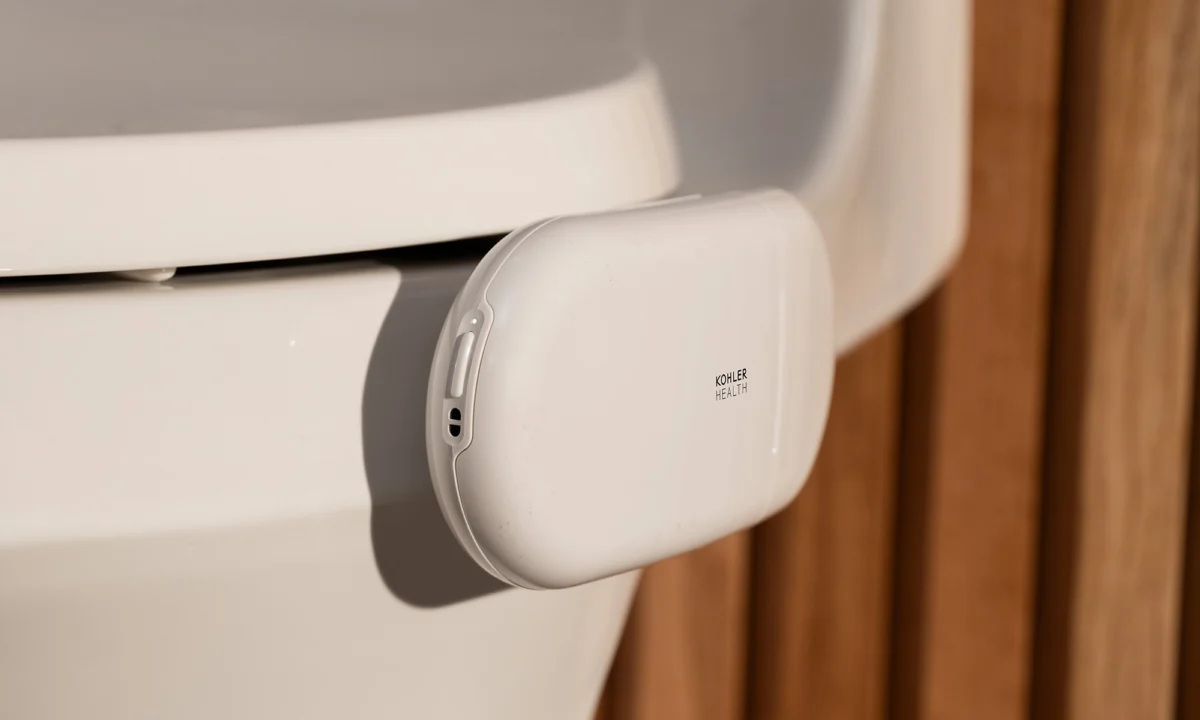
Addressing this critical data deficit, Kohler Health is pioneering a revolutionary approach by transforming the bathroom into a powerful, yet unobtrusive, health monitoring hub. Their innovative product, named Dekoda, is designed to seamlessly integrate into the home environment, passively collecting vital health information without requiring conscious effort or memory recall from the user.
Dekoda is a first-of-its-kind tracking tool that discreetly fits within the toilet. It operates in the background, passively capturing data related to bathroom habits. This data, once analyzed, can reveal important patterns in hydration and digestive health, providing users with personalized insights through the dedicated Kohler Health App. The system aims to bridge the gap between the rich information generated by our bodies and our ability to access and understand it.
The Pervasive Problem of Digestive Discomfort
The need for such a solution is underscored by staggering statistics regarding digestive health issues in the United States. Research indicates that a significant majority of U.S. adults, approximately 61%, experience at least one gastrointestinal symptom weekly. These symptoms encompass a wide range, including constipation, diarrhea, bloating, gas, and heartburn. Further data from the American Gastroenterological Association (AGA) reveals that nearly 40% of Americans report that bowel symptoms have disrupted their daily lives within the past year.
Despite the widespread nature of these concerns, proactive tracking of digestive health remains remarkably low. A 2024 survey highlighted this disconnect, finding that while most Americans now monitor at least one health metric, a mere 6% reported tracking their bowel habits. This suggests that one of our most information-rich daily health behaviors is also one of the least documented.
Dekoda’s Functionality and Data Points
Dekoda’s sophisticated sensor technology is engineered to identify and record several key everyday health signals. These include:
- Hydration Status: By analyzing the volume and characteristics of urine, Dekoda can offer insights into a user’s hydration levels, a crucial factor for overall health and digestive function.
- Bowel Movement Patterns: The device tracks the frequency of bowel movements, providing a clear record of regularity or irregularity.
- Bowel Movement Consistency: Through advanced analysis, Dekoda can assess the consistency of stool, offering objective data that can be correlated with various dietary and health factors. This moves beyond subjective descriptions to provide measurable insights.
- Presence of Blood: A critical health indicator, Dekoda can detect the presence of blood in waste, a finding that may necessitate further discussion with a healthcare provider.
Individually, these measurements might offer limited context. However, when aggregated over weeks and months, they have the potential to reveal meaningful patterns and trends that can significantly enhance a person’s understanding of their digestive health. This objective data can empower individuals to make more informed decisions about their well-being, implement necessary lifestyle adjustments, and engage in more productive and detailed conversations with their healthcare professionals.
A Historical Perspective on Health Tracking
The concept of leveraging technology for passive health monitoring is not entirely new, though its application to the bathroom is novel. Wearable technology, for instance, has fundamentally altered our understanding of sleep patterns, physical activity levels, and cardiovascular health. Devices like smartwatches and fitness trackers have made it commonplace to monitor steps taken, calories burned, heart rate, and sleep quality. This has fostered a greater awareness of personal health metrics and encouraged proactive health management.
Kohler Health’s Dekoda seeks to apply this same transformative philosophy to a domain of health that has historically remained "invisible." For generations, information about our digestive processes has been reliant on subjective reporting, often subject to the vagaries of memory and interpretation. The introduction of a device that can automatically and objectively collect this data marks a significant evolutionary step in personal health management.

The Broader Implications for Public Health and Individual Well-being
The implications of widespread adoption of passive bathroom health monitoring are far-reaching. By bridging the "bathroom data gap," Kohler Health aims to ensure that one of the body’s most consistent and informative sources of health data is no longer overlooked. This has the potential to:
- Facilitate Early Detection: Subtle changes in digestive patterns can be early indicators of various health conditions, ranging from dietary intolerances to more serious gastrointestinal disorders. Objective tracking can help identify these shifts sooner, potentially leading to earlier diagnosis and intervention.
- Enhance Patient-Provider Communication: Providing healthcare professionals with detailed, objective data about a patient’s digestive habits can significantly improve the accuracy and efficiency of diagnosis and treatment. Instead of relying on potentially biased recall, doctors can work with concrete trends and patterns.
- Promote Proactive Health Management: Armed with insights into their own digestive health, individuals can be empowered to make more informed lifestyle choices related to diet, hydration, stress management, and exercise. This can foster a more proactive approach to well-being, rather than a reactive one.
- Contribute to Medical Research: Aggregated, anonymized data from devices like Dekoda could offer invaluable insights for medical research, helping scientists better understand population-level digestive health trends, identify risk factors for various conditions, and develop more effective treatments.
While Dekoda may not provide answers to every health question, its ability to systematically capture and analyze information that has historically been difficult to document represents a significant advancement. It transforms a routine, often private, bodily function into a valuable source of actionable health intelligence, paving the way for a more comprehensive and data-driven approach to personal well-being. The bathroom, long a place of necessity, is poised to become a critical nexus for understanding and improving our overall health.

