

A groundbreaking randomized controlled trial has provided the first direct evidence of the detrimental effects of ultra-processed foods, even when matched for key nutritional components like calories, sugar, fat, and fiber. The study, conducted at a leading research institution, aimed to isolate the impact of ultra-processing itself, moving beyond the nutritional profile alone to understand its unique contribution to adverse health outcomes. This research directly challenges the notion that merely tweaking the macronutrient and fiber content of processed foods can render them healthy, offering significant implications for public health policy, dietary recommendations, and the food industry’s practices.
The Rise of Ultra-Processed Foods: A Global Phenomenon
The term "ultra-processed food" has emerged in nutritional science to describe industrial formulations that bear little resemblance to their whole food origins. Unlike conventional processed foods that might involve simple techniques like cooking or fermentation, ultra-processed foods are characterized by complex manufacturing processes and the inclusion of numerous additives. These additives, which include artificial flavors, colors, sweeteners, emulsifiers, and preservatives, are often not found in home kitchens and are used to imitate the taste and texture of real foods or to mask undesirable qualities of the final product.
The prevalence of these foods has surged dramatically in recent decades. In the United States, for instance, an analysis of over 200,000 products revealed that a staggering 71% are classified as ultra-processed. This dominance extends beyond traditional grocery aisles, with ultra-processed products and sugary drinks being ubiquitously available, often strategically placed to encourage impulse consumption. Industry executives have openly admitted to marketing strategies aimed at keeping these products "within an arm’s reach of desire," highlighting a deliberate effort to maximize their accessibility and appeal.
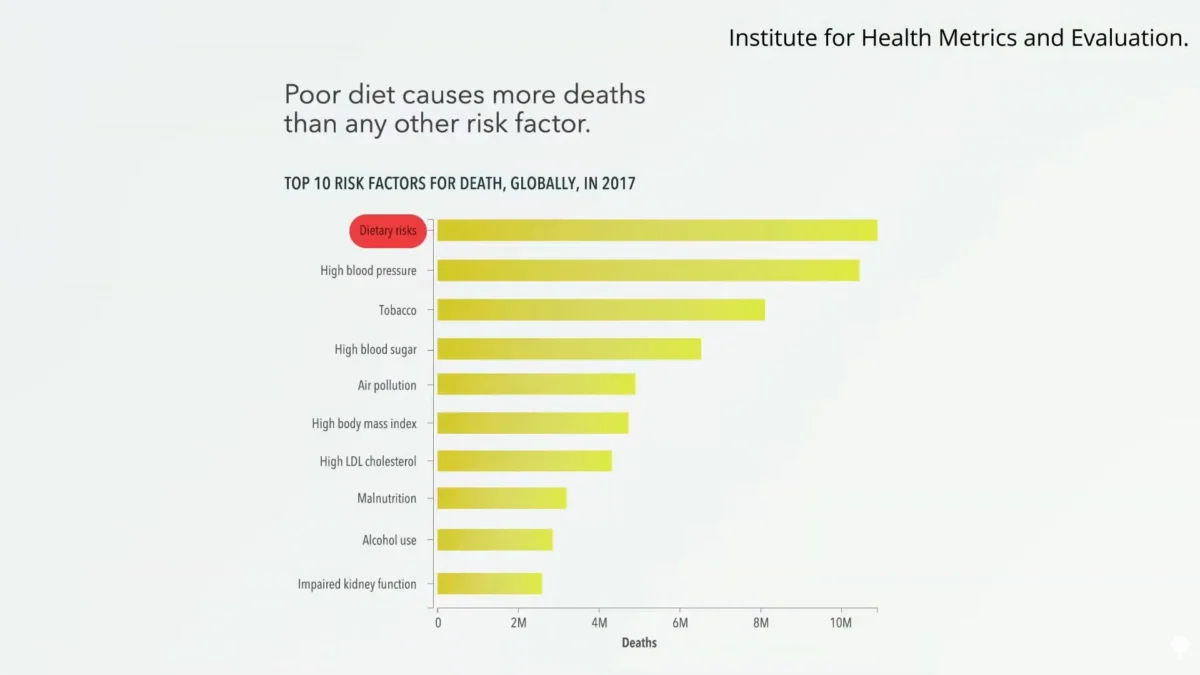
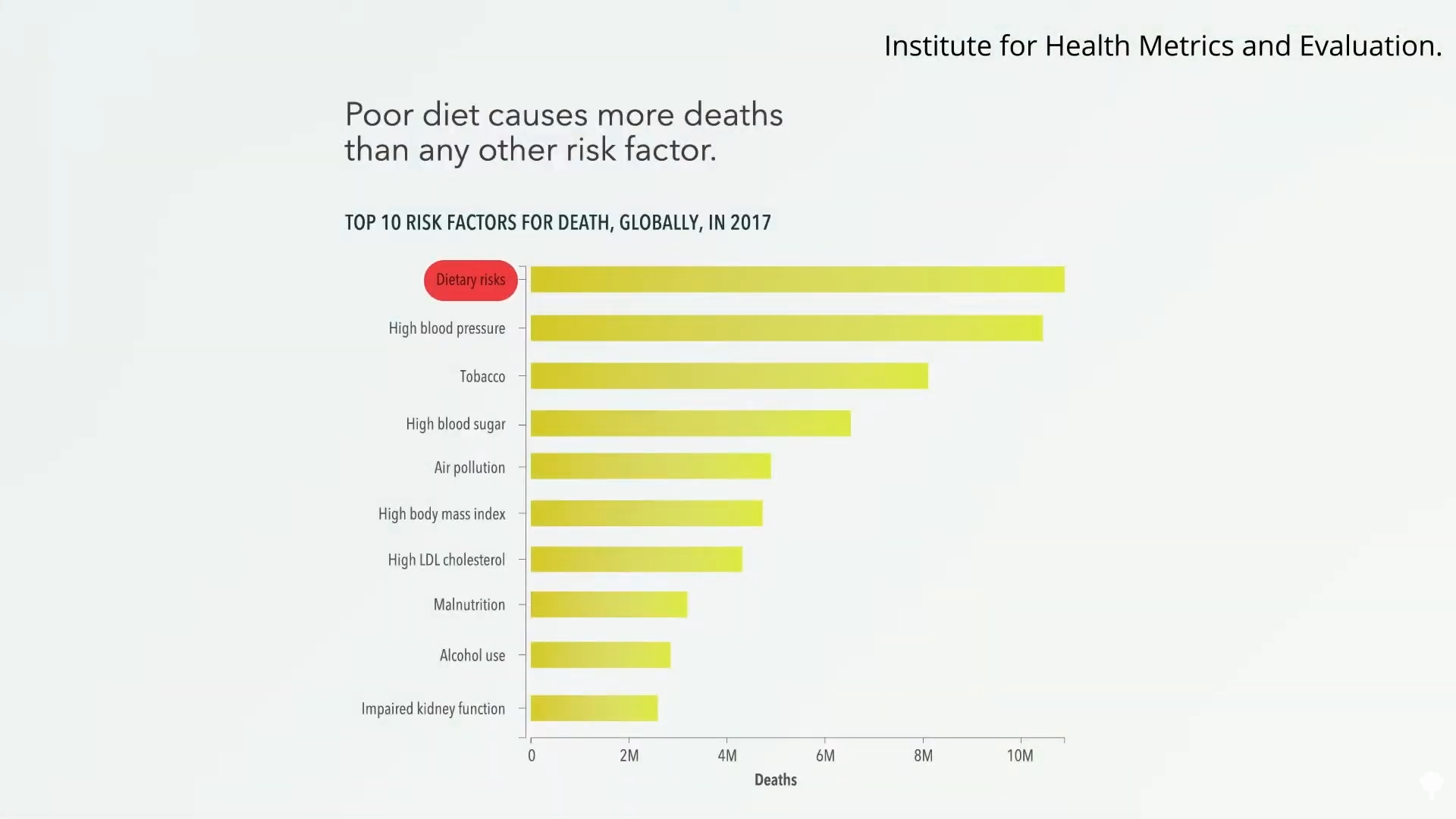
The impact on dietary patterns is profound. In the U.S., estimates suggest that 56% to 70% of the calories consumed by children and adolescents come from these ultra-processed sources. Globally, higher-income countries see ultra-processed foods accounting for over 50% of total dietary caloric intake. This widespread consumption has been linked to a range of severe health consequences, leading many experts to label unhealthy diets as humanity’s greatest killer and the leading risk factor for death worldwide.
Unpacking the Health Consequences: Beyond Nutritional Content
Prior to this landmark trial, the adverse health effects associated with ultra-processed foods were primarily established through observational studies. These studies consistently showed associations between high consumption of ultra-processed foods and a host of negative health outcomes, including obesity, various types of cancer, cardiovascular diseases, type 2 diabetes, irritable bowel syndrome, depression, frailty, and an increased risk of all-cause mortality. Studies focusing on youth have also identified links to asthma and higher levels of DNA damage. Critically, no study has reported a beneficial health outcome associated with ultra-processed food consumption.
Research on animal models has mirrored these concerns, with rats fed ultra-processed diets exhibiting significant weight gain, inflammation, and cognitive and metabolic abnormalities. Furthermore, the rise of binge eating disorder as a recognized eating disorder has been closely aligned with the increasing availability of ultra-processed foods, which are engineered to be hyper-palatable and difficult to consume in moderation.
However, a significant limitation of observational studies is the inability to definitively prove causation. Critics often argued that the poor nutritional profiles of these foods—high in sugar, fat, and sodium, and low in fiber and essential micronutrients—were the sole drivers of these negative outcomes. This line of reasoning led to the food industry’s focus on "reformulation"—tweaking ingredients to improve nutritional labels while maintaining the ultra-processed nature of the product.

The First Randomized Controlled Trial: Isolating the Ultra-Processing Effect
To address this crucial question, researchers designed and conducted the first randomized controlled trial specifically investigating the effects of ultra-processed diets compared to unprocessed diets when matched for key nutritional parameters. The study involved 20 participants who were admitted to a hospital ward and provided with either an ultra-processed diet or an unprocessed diet for 14 days each, with a crossover period allowing participants to experience both dietary conditions.
The critical innovation of this trial lay in its meticulous control over macronutrient and calorie intake. Both diets were designed to provide identical amounts of calories, sugar, fat, fiber, carbohydrates, and protein. This meticulous matching was intended to isolate the impact of the food’s processing level itself, independent of its basic nutritional composition.
Dietary Examples Illustrate the Contrast:
- Ultra-Processed Breakfast: Participants might have received Cheerios with a muffin, or an egg and cheese muffin with turkey bacon and orange juice.
- Unprocessed Breakfast: The alternative would be oatmeal with blueberries and almonds.
While both meals provided equivalent amounts of sugar and fat, the unprocessed option emphasized whole food ingredients.
- Ultra-Processed Lunch: This could include a turkey sandwich with nonfat Greek yogurt, canned peaches, baked potato chips, and sugar-free Crystal Light Lemonade.
- Unprocessed Lunch: The counterpoint was a Southwest entrée salad featuring black beans, carrots, corn, avocados, nuts, grapes, and apples.
Participants were instructed to eat as much or as little as they desired from the provided meals, allowing researchers to observe natural eating behaviors and intake patterns.
The Striking Results: Overconsumption and Weight Gain
The findings of the trial were unequivocal and startling. When participants consumed the ultra-processed diet, they spontaneously ate approximately 500 more calories per day compared to when they were on the unprocessed diet. This overconsumption directly translated into measurable physiological changes. On average, participants gained about two pounds during the 14-day period on the ultra-processed diet. Conversely, those on the unprocessed diet experienced a weight loss of approximately two pounds.
These results provided compelling evidence that the ultra-processing of food itself, independent of its caloric, sugar, fat, or fiber content, significantly influences appetite regulation and energy intake. The hyper-palatability, altered texture, and potentially the very structure of ultra-processed foods appear to bypass the body’s natural satiety signals, leading to increased consumption and subsequent weight gain.
Implications for Industry Reformulation and Public Health
The trial’s findings directly challenge the food industry’s preferred approach of "reformulation"—making minor adjustments to sugar, fat, or fiber content without fundamentally altering the ultra-processed nature of products. This strategy is often promoted as an "unobtrusive" way to achieve nutritional improvements without requiring significant dietary changes from consumers. However, this study demonstrates that such tweaks are insufficient. The inherent characteristics of ultra-processed foods, beyond their basic nutritional labels, drive overeating and weight gain.
The economic incentives for the food industry to produce ultra-processed foods are substantial. They are often manufactured using inexpensive, heavily subsidized ingredients like corn syrup, leading to high profit margins. Globally, the food industry generates trillions of dollars annually. Yet, a significant portion of healthcare spending is directed towards treating chronic diseases, such as diabetes and heart disease, which are exacerbated by the consumption of these very foods. This creates a societal paradox where the profits generated by the processed food industry are dwarfed by the healthcare costs incurred in managing the diseases it contributes to.
The argument that it is "unrealistic" to expect people to avoid ultra-processed foods in today’s fast-paced society is increasingly being scrutinized. While time constraints and convenience are legitimate concerns, critics suggest this argument often serves as a defense of the status quo and a perpetuation of industry-driven narratives. The availability of convenient, whole-food options, such as fresh fruits like apples, challenges the notion that healthy eating is inherently time-consuming or impractical.
A Call for a Paradigm Shift
The implications of this research extend beyond individual dietary choices. It underscores the need for a broader public health strategy that critically examines the role of ultra-processed foods in our food system. Experts advocate for a paradigm shift that prioritizes the consumption of minimally processed, whole foods, which are naturally lower in sugar and higher in fiber and essential nutrients.
This sentiment echoes earlier critiques of the processed food landscape. Dr. Robert Lustig, a prominent endocrinologist, has argued that processed food represents a "failed experiment," suggesting that a significant portion of the population is disconnected from the understanding of real food and cooking, making them "hostages to the processed food industry." While avoiding blame on individuals, his prescription—a return to real food that is low in sugar and high in fiber—aligns with the findings of this new trial.
Moving forward, policymakers, public health organizations, and consumers will need to grapple with the evidence that ultra-processing itself is a significant dietary factor contributing to ill health. This necessitates a re-evaluation of food marketing regulations, product labeling, and educational initiatives. The food industry may face increased pressure to innovate towards genuinely healthier product formulations or to diversify its offerings to include more minimally processed options.
Conclusion: Rethinking Our Relationship with Food
The first randomized controlled trial comparing ultra-processed and unprocessed diets, while controlling for key nutritional factors, has delivered a critical message: the way food is processed matters profoundly. The tendency to overconsume ultra-processed foods, leading to weight gain, appears to be an intrinsic characteristic of these products, independent of their basic nutritional makeup. This finding compels a reconsideration of dietary guidelines, food industry practices, and the societal impact of our modern food environment. A future where chronic diseases are reduced and public health is enhanced will likely involve a significant shift away from the pervasive consumption of ultra-processed foods towards a greater appreciation and integration of whole, unprocessed foods.
Doctor’s Note: The widespread impact of processed foods on public health, particularly in the context of the obesity epidemic, is a growing concern. Understanding the role of these foods is the first step toward finding effective solutions. Strategies focusing on reducing the consumption of calorie-rich and highly processed items are essential for improving health outcomes. This research adds a crucial layer to existing knowledge, emphasizing that the very nature of ultra-processing contributes to adverse health effects, beyond just the nutritional content.

