

Our arteries are a critical indicator of our biological age, and their functional integrity is paramount for long-term health. While the aging process is inevitable, lifestyle choices significantly influence the rate at which our vascular system deteriorates. A combination of a poor diet and a sedentary lifestyle can accelerate adverse aging processes, impacting cellular energy production, leading to increased free radical formation, oxidative stress, and inflammation. These detrimental effects collectively contribute to arterial dysfunction, a primary precursor to cardiovascular disease, which remains a leading cause of mortality globally.
Landmark research conducted over a decade ago has shed light on the immediate and profound impact of dietary fat on arterial health. Studies have demonstrated that consuming a single high-fat meal can impair arterial function within mere hours. This effect stands in stark contrast to meals low in fat, which do not appear to elicit the same negative vascular response. This phenomenon has been documented in various scientific investigations, underscoring the acute sensitivity of our circulatory system to dietary fat intake.
Immediate Vascular Dysfunction Following High-Fat Consumption
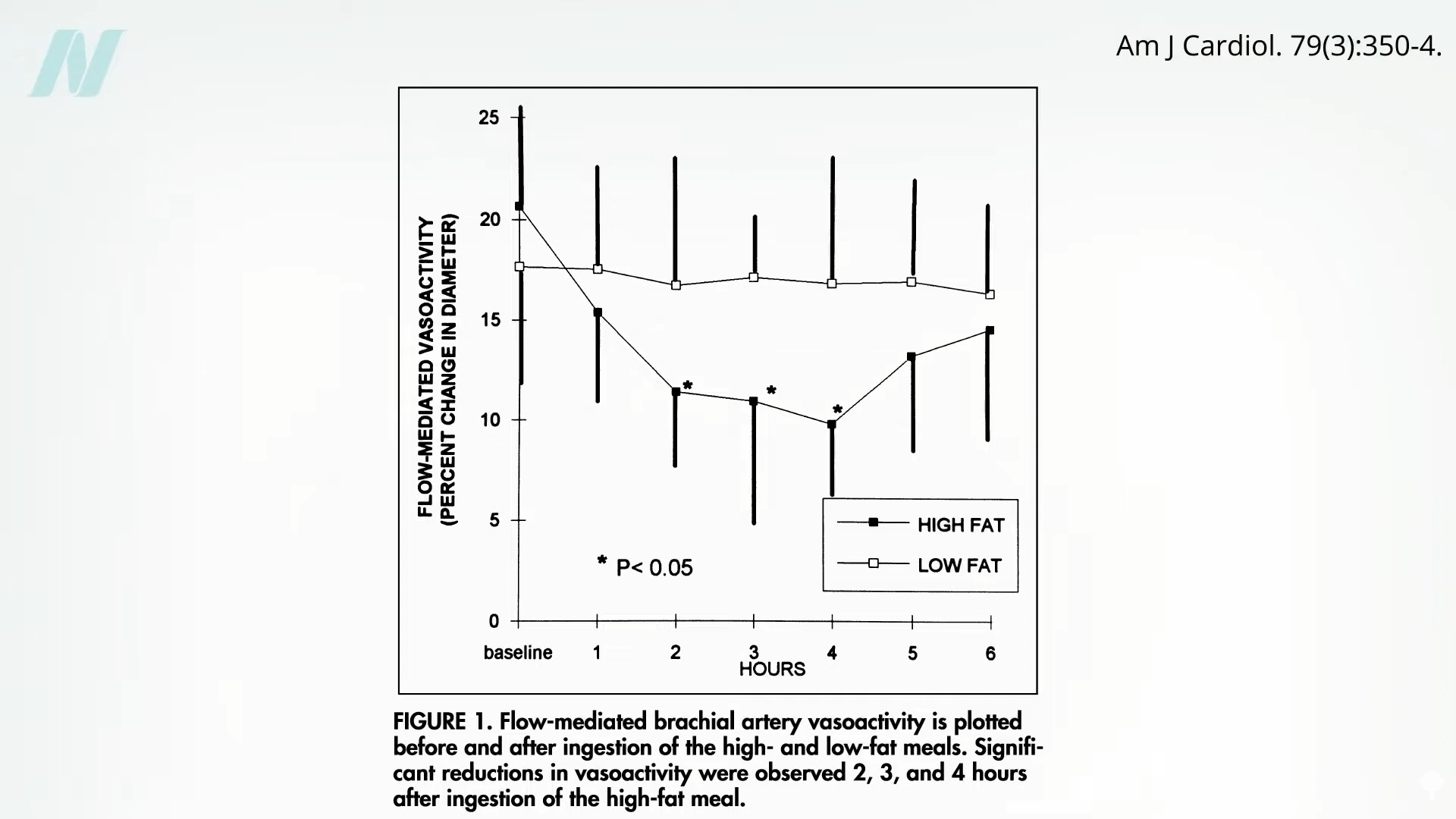
A pivotal study that illuminated this rapid arterial impairment involved participants consuming a high-fat breakfast comparable to popular fast-food offerings. Specifically, the meal in question consisted of McDonald’s Sausage and Egg McMuffins. The research aimed to pinpoint the specific components responsible for the observed arterial dysfunction. To isolate the variable, a control meal was introduced, consisting of Frosted Flakes, a high-carbohydrate, low-fat option. The critical finding was that while the high-fat meal led to a significant reduction in arterial function, the low-fat, sugary meal did not produce any comparable adverse effects. This suggests that the saturated fat and potentially other components like meat and dairy in the McMuffin were the primary drivers of the immediate vascular compromise, rather than the carbohydrates present in the biscuit.
The implications of these findings are particularly concerning given modern dietary habits. Many individuals consume multiple meals throughout the day, with a significant portion of these meals being high in fat. If arterial function is compromised for several hours after each high-fat meal, the cumulative effect can be substantial. This "after-a-meal state" can persist for a considerable portion of the day, approximately 16 hours, leading to a constant assault on arterial health. This continuous stress on the vascular system is a significant contributing factor to the high prevalence of cardiovascular disease.
Beyond Arteries: The Impact on Respiratory Health
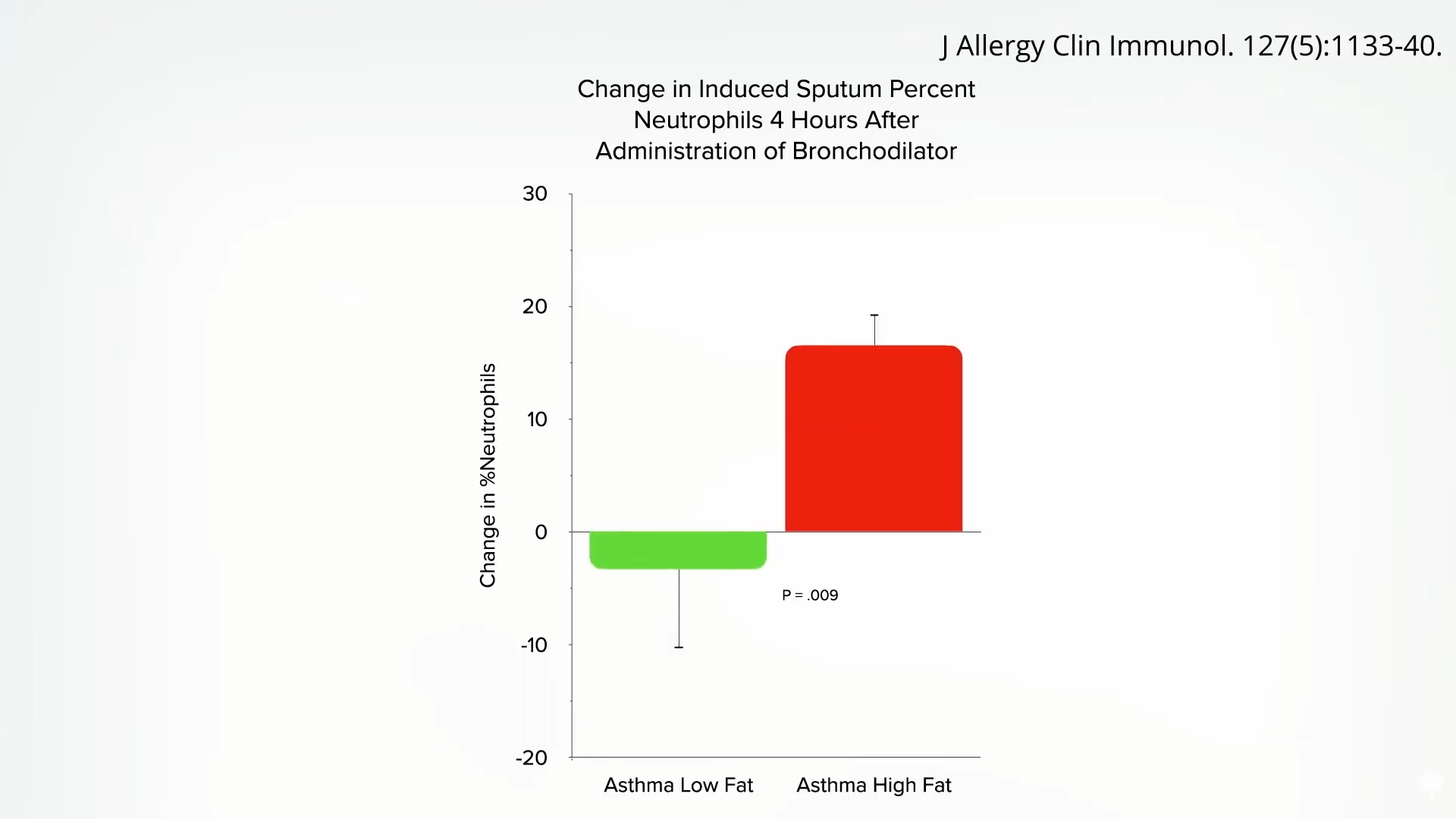
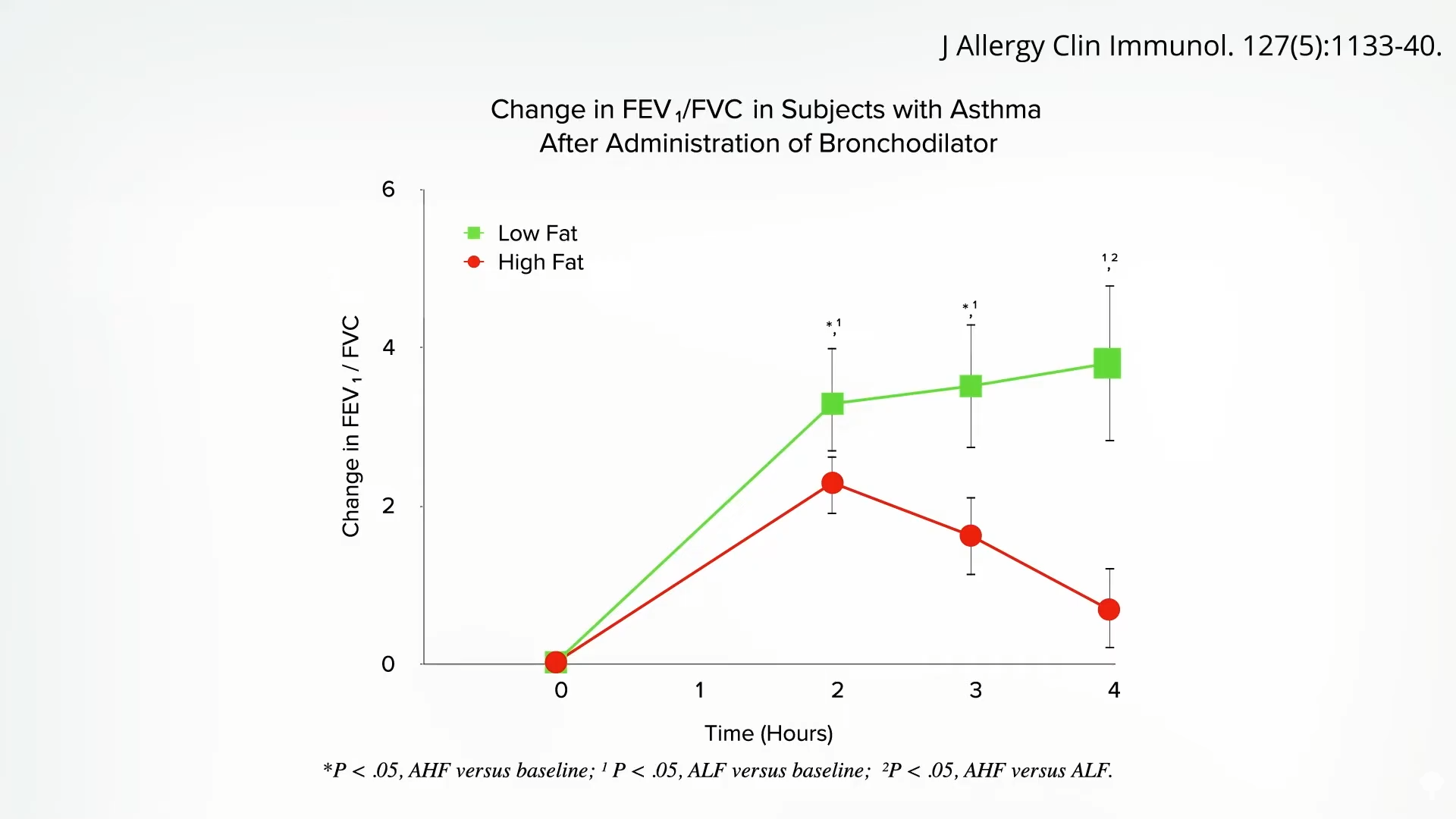
The negative repercussions of high-fat meals extend beyond the cardiovascular system to affect respiratory function as well. Research has indicated that consuming a high-fat meal can trigger inflammation in the airways, leading to impaired bronchodilator recovery, particularly in individuals with asthma. A study involving asthmatic patients who consumed a high-fat meal demonstrated a notable increase in inflammatory cells within their sputum, a clear indicator of heightened airway inflammation. This inflammatory response can exacerbate respiratory symptoms and reduce the effectiveness of bronchodilator medications.
For individuals with asthma, the impact on lung function can be immediate and significant. When tested after consuming a high-fat meal, the effectiveness of standard bronchodilator doses, typically administered via inhalers like albuterol or Ventolin, was found to be diminished. While these medications would normally open up the airways effectively after a low-fat meal, their efficacy was compromised following the high-fat challenge. This reduced response is attributed to the increased inflammation in the lungs, which impedes the ability of the airways to relax. This finding highlights a direct link between dietary fat intake and the ability to breathe effectively, especially for those with pre-existing respiratory conditions.
Broader Implications for Non-Asthmatics and Cellular Processes
While the initial studies focused on individuals with asthma, subsequent research has revealed that the inflammatory response to high-fat meals is not exclusive to this population. Studies have found that even individuals without asthma exhibit a similar spike in inflammatory cells in their sputum four hours after consuming a high-fat meal. This suggests a more generalized inflammatory response to dietary fat that affects respiratory health across the broader population. A specific example cited involved participants consuming a Jimmy Dean’s Meat Lover’s breakfast bowl, which elicited this inflammatory reaction.
Furthermore, the impact on the circulatory system involves more than just inflammation. The consumption of high-fat meals has been linked to an increase in pro-inflammatory oxidized LDL cholesterol. This type of cholesterol is readily absorbed by white blood cells, which then transform into foam cells. These foam cells are instrumental in the buildup of plaque within artery walls, a process that ultimately leads to heart attacks. This entire cascade of events, from increased fat in the blood to the formation of foam cells, can occur within hours of consuming a high-fat meal, such as pizza. The elevation of endotoxin levels in the blood following such meals has also been observed.
The Role of Endotoxins and Fat as Culprits
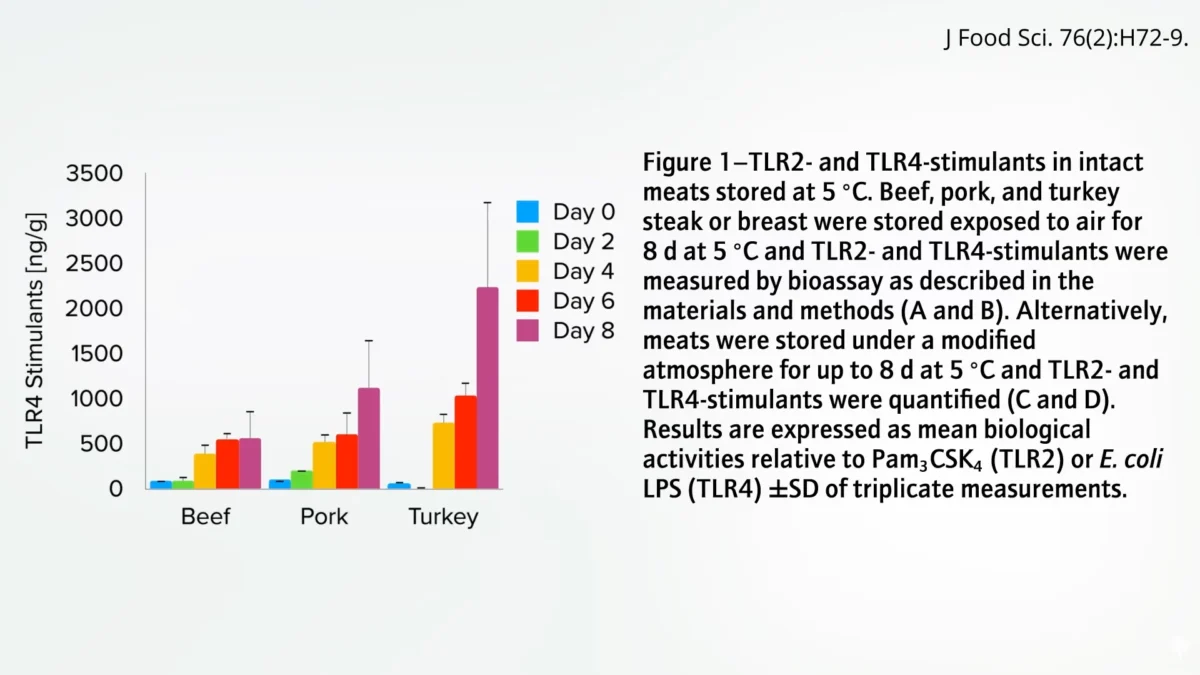
Endotoxins are components of bacterial cell walls, and their presence in food, particularly in meats, is a known concern. Foods like red and white meat can be contaminated with varying amounts of bacteria, both alive and dead, leading to an accumulation of endotoxins. These endotoxins can contribute to systemic inflammation when ingested. However, more recent research, published in 2020, suggests that while endotoxins may play a role, the saturated fat itself might be the primary instigator of inflammation. The study posits that saturated fat circulating in the bloodstream after an unhealthy meal may directly trigger inflammatory pathways. Regardless of whether endotoxins or the fat itself are the primary culprits, the scientific consensus points to the significant role of dietary fat in initiating these detrimental processes.
Broader Impact and Implications for Public Health
The consistent findings across multiple studies underscore a critical public health message: what we eat has a profound and immediate impact on our health, from our arteries to our lungs. The cumulative effect of repeated high-fat meals creates a sustained inflammatory environment within the body, significantly increasing the risk of chronic metabolic diseases, including cardiovascular disease and potentially exacerbating respiratory conditions.
The implications of this research are far-reaching, particularly in the context of the global prevalence of fast food and processed foods high in saturated fat. These dietary patterns, often characterized by convenience and affordability, are contributing to a growing epidemic of chronic diseases. The findings challenge the notion that the impact of food is solely long-term and highlight the acute physiological responses that occur within hours of consumption.
Official Responses and Scientific Consensus
While this article does not detail specific official responses from regulatory bodies or food industry representatives, the scientific community’s consensus is clear. The research presented is based on peer-reviewed studies published in reputable scientific journals. Organizations dedicated to public health and cardiovascular research consistently advocate for dietary patterns that are lower in saturated fat and rich in whole, unprocessed foods. Public health campaigns often highlight the importance of making informed food choices to mitigate the risk of chronic diseases.
Future Directions and Mitigation Strategies
The ongoing research into the precise mechanisms by which dietary fat impacts health is crucial for developing effective prevention and intervention strategies. Understanding whether endotoxins, saturated fat, or a combination of factors are responsible will inform dietary recommendations and potentially lead to the development of food processing techniques that minimize the release of inflammatory triggers.
The information presented in this article is part of a broader discussion on the impact of saturated fat and fast food. This topic is the first in a three-part series, with subsequent discussions focusing on the role of exercise in mitigating the effects of fast food on arterial health and identifying specific foods that can help protect the arteries from saturated fat. These follow-up articles aim to provide a comprehensive understanding of dietary and lifestyle interventions that can promote vascular health and reduce the risk of chronic diseases. The scientific community continues to explore the nuances of dietary fat and its complex relationship with human health, with a persistent focus on empowering individuals to make informed choices that support long-term well-being.

