


The discovery of Fibroblast Growth Factor 21 (FGF21) in the year 2000 marked a significant milestone in metabolic and longevity research. Initially identified as the 21st member of the fibroblast growth factor family, FGF21 has since emerged as a crucial regulator of metabolic health, arterial well-being, leanness, and potentially, lifespan extension in mammals. Early preclinical studies, primarily conducted on rodents and non-human primates, have unveiled remarkable properties of this hormone, prompting considerable interest from both the scientific community and the pharmaceutical industry. While the direct therapeutic application of FGF21 faces challenges due to its rapid degradation in the body, ongoing research into its mechanisms and the development of synthetic analogs offers a tantalizing glimpse into future interventions for age-related diseases and the enhancement of human longevity.
The Discovery and Early Promise of FGF21
The identification of FGF21 in 2000 opened a new frontier in understanding the complex hormonal networks governing metabolism. Its role extends beyond mere weight management, influencing critical physiological processes associated with aging and chronic disease.
Preclinical Evidence of FGF21’s Efficacy:
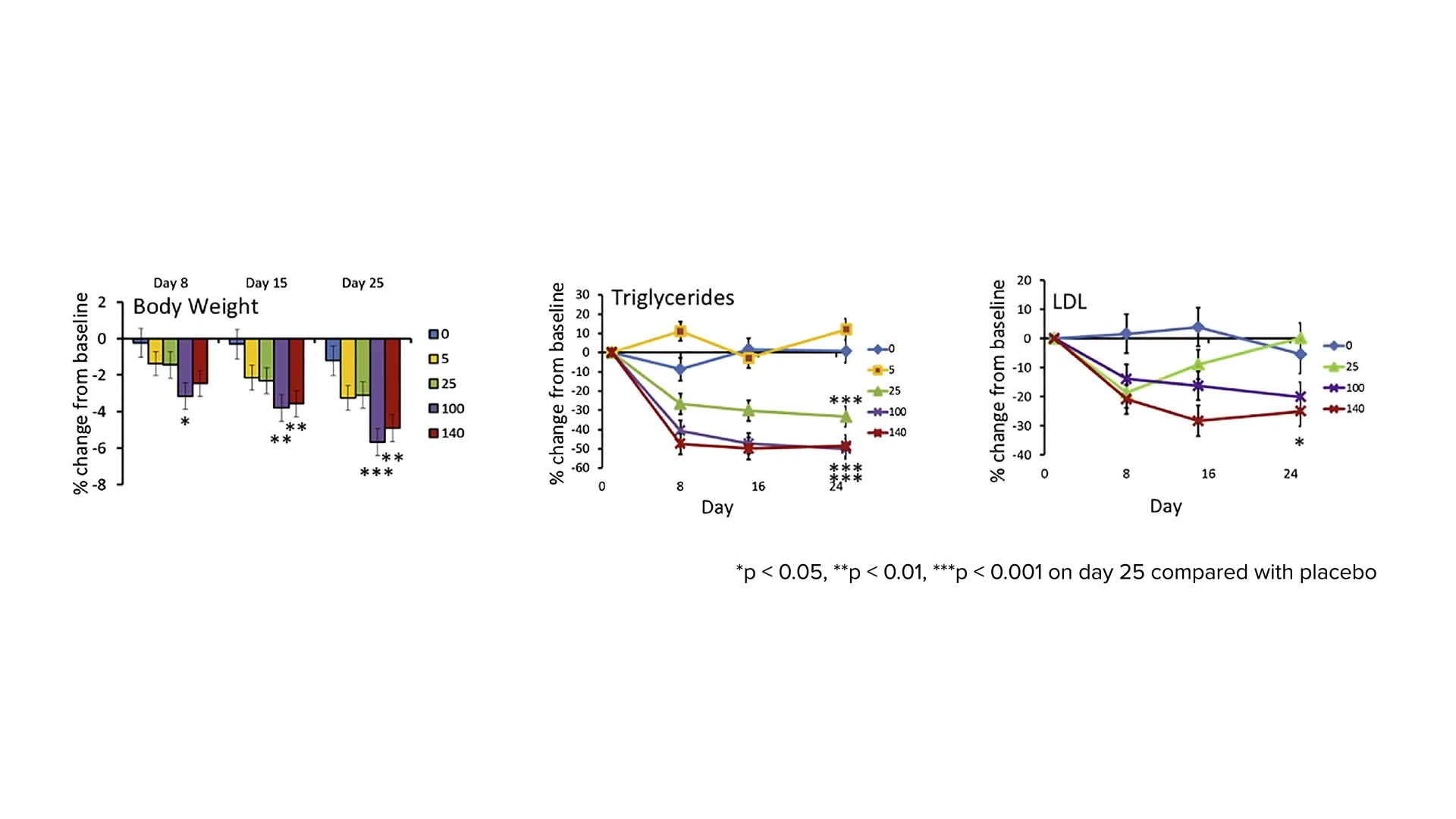
- Weight Management: In studies involving obese monkeys, direct administration of FGF21 led to a substantial reduction in body weight and body fat percentage (reported as a 27% drop) without a corresponding decrease in caloric intake. This suggests FGF21 can promote fat loss through mechanisms independent of dietary restriction.
- Lifespan Extension: In rodent models, FGF21 has demonstrated a remarkable capacity to increase lifespan, with studies indicating a potential extension of 30% to 40%. This effect is comparable to the well-established longevity benefits observed with lifelong caloric restriction. Crucially, this lifespan extension was also achieved without requiring reduced food consumption, highlighting FGF21’s unique mode of action.
These compelling preclinical findings have fueled speculation about the possibility of "drugging" aging itself, a concept that has understandably captured the attention of major pharmaceutical corporations. The potential for a single agent to address multiple age-related metabolic disorders, including obesity, type 2 diabetes, dyslipidemia, and hypertension, represents a paradigm shift in therapeutic approaches.
FGF21 as a Multi-Target Therapeutic Agent
The broad spectrum of FGF21’s beneficial effects has positioned it as a promising candidate for treating a constellation of metabolic conditions.

Addressing Metabolic Syndromes:
- Obesity: As evidenced in animal studies and preliminary human trials, FGF21 can promote significant weight loss.
- Diabetes: FGF21 plays a role in glucose homeostasis and insulin sensitivity, suggesting potential benefits for individuals with type 2 diabetes.
- Dyslipidemia: Studies have shown FGF21 can lead to substantial reductions in triglyceride and cholesterol levels, key markers for cardiovascular health.
- Hypertension: Emerging research indicates FGF21 may also contribute to blood pressure regulation.
The prospect of a single drug capable of simultaneously improving these interconnected health issues has been described as a "tantalizing and exciting prospect," offering a potential solution to the growing global burden of metabolic diseases.
Challenges and Pharmaceutical Innovations
The inherent instability of naturally occurring FGF21 in the human body presents a significant hurdle for its direct therapeutic use. Its rapid breakdown necessitates frequent administration, making it impractical for chronic treatment.
Overcoming Bioavailability Limitations:
- Rapid Degradation: Natural FGF21 has a short half-life, requiring near-hourly injections to maintain therapeutic levels, a regimen that is both burdensome and costly.
- Development of Analogs: In response, the pharmaceutical industry has actively pursued the development of longer-acting FGF21 analogs. These synthetic molecules are designed to mimic the beneficial effects of FGF21 while exhibiting improved pharmacokinetic profiles, allowing for less frequent dosing.
- Clinical Trials of Analogs: Early human trials involving specific FGF21 analogs, such as PF-05231023, have yielded promising results. Participants in these trials have shown significant weight loss (approximately 10 pounds in 25 days) alongside notable improvements in lipid profiles, including reductions in triglycerides and cholesterol.
Emerging Side Effects and Alternative Strategies
Despite the promising efficacy of FGF21 analogs, the emergence of side effects in some trials has necessitated a broader exploration of FGF21 modulation strategies. This has spurred research into alternative methods for enhancing FGF21 levels that may offer a more favorable safety profile.
Investigating Alternative Delivery and Stimulation Methods:

- Gene Therapy: One avenue being explored involves gene therapy, where the FGF21 gene is delivered via a viral vector to integrate into the host’s DNA, thereby enabling sustained endogenous production of the hormone. This approach aims to overcome the rapid degradation issue by leveraging the body’s own cellular machinery.
- Exercise as a Natural Stimulant: Perhaps the most accessible and universally beneficial strategy identified is exercise. Research has conclusively demonstrated that physical activity significantly boosts endogenous FGF21 levels. This finding provides a physiological explanation for many of the well-documented health benefits of regular exercise, including improved metabolic function and cardiovascular health.
The Role of Exercise in FGF21 Production
The understanding that exercise stimulates FGF21 production has profound implications for public health recommendations and individual wellness strategies.
Comparative Efficacy of Exercise Modalities:
- Aerobic vs. Resistance Training: Studies comparing the impact of aerobic exercise (e.g., running) and resistance training (e.g., weightlifting) on FGF21 levels have shown that both are effective. However, resistance exercise appears to elicit a more pronounced increase in FGF21.
- Resistance Exercise: An average increase of 42% in FGF21 levels was observed.
- Aerobic Exercise: An average increase of 25% in FGF21 levels was noted.
These findings suggest that incorporating resistance training into fitness routines could be particularly beneficial for maximizing FGF21-mediated health benefits.
Dietary Influences on FGF21 Levels
While pharmaceutical interventions and exercise offer pathways to modulate FGF21, the role of diet remains a critical area of investigation. The question of whether dietary patterns can naturally enhance FGF21 production, thereby circumventing the need for external interventions, is of paramount importance.
Fasting and FGF21:
- "Starvation Hormone" Designation: FGF21 has earned the moniker "starvation hormone" due to its significant induction during periods of fasting. This physiological response is a survival mechanism, mobilizing stored energy reserves.
- Time-Dependent Response: While mice show an increase in FGF21 after just six hours of fasting, humans exhibit a delayed and more pronounced response, with notable surges typically occurring only after approximately one week of fasting.
- Sustained Fasting and FGF21 Levels: Studies have indicated that a 10-day fasting period can quadruple FGF21 levels. However, the extreme nature and unsustainability of such prolonged fasting render it an impractical strategy for most individuals seeking long-term health benefits.
The Ineffectiveness of Ketogenic Diets and High-Fat Diets
Contrary to initial hypotheses, ketogenic diets and generally high-fat dietary patterns have not proven to be effective in boosting FGF21 levels and may even have detrimental effects.
Negative Impacts of Certain Diets:
- Ketogenic Diets: Research suggests that ketogenic diets, which severely restrict carbohydrate intake, do not mimic the beneficial effects of fasting on FGF21. In fact, prolonged adherence to a ketogenic diet can lead to a significant decline in FGF21 levels.
- High-Fat Diets: Studies have further indicated that high-fat diets can potentially interfere with the positive impact of exercise on FGF21 production. This interference was observed even in individuals undergoing high-intensity interval training, suggesting a complex interplay between dietary fat and exercise-induced FGF21 responses.
Future Directions and Dietary Interventions
The exploration of dietary strategies that can naturally and sustainably elevate FGF21 levels without the drawbacks of prolonged fasting or restrictive diets is an ongoing and critical area of research. The subsequent installment of this series will delve into specific dietary approaches that have shown promise in modulating FGF21, offering practical insights for individuals seeking to enhance their metabolic health and longevity through nutrition.
Doctor’s Note:
The ongoing research into FGF21 underscores the intricate connection between hormonal regulation, metabolic health, and the aging process. While pharmaceutical avenues are being vigorously pursued, the potential for lifestyle interventions, particularly diet and exercise, to positively influence FGF21 pathways offers a powerful and accessible means of promoting well-being and extending healthy lifespan.
Stay tuned for Part Two: How to Boost FGF21 with Diet for Longevity.
Related Resources:
- For further insights into exercise and longevity, consult the video Flashback Friday: How Much Should You Exercise?
- Explore comprehensive strategies for increasing life expectancy in the video Friday Favorites: How to Increase Your Life Expectancy 12 to 14 Years.

