

The landscape of postpartum recovery is undergoing a significant paradigm shift as clinical research and fitness professionals move away from traditional, restrictive protocols toward more comprehensive, load-bearing rehabilitation strategies. For decades, the standard medical advice for individuals following childbirth was centered on a period of relative inactivity followed by a narrow focus on pelvic floor isolation exercises, commonly known as Kegels. However, emerging data and expert consensus now suggest that a multi-faceted approach incorporating respiratory mechanics, postural alignment, and progressive strength training is essential for long-term physiological health and the prevention of chronic dysfunction.
The Evolution of Postpartum Physical Care
Historically, the "fourth trimester"—the three-month period following childbirth—has been underserved in the traditional medical model. Patients were often given a generic clearance for exercise at a six-week follow-up appointment with little to no guidance on the mechanics of returning to high-impact or high-load activities. This lack of specificity frequently led to two extremes: total avoidance of exercise due to fear of injury, or a premature return to pre-pregnancy intensity that resulted in pelvic floor trauma, stress urinary incontinence (SUI), or exacerbated diastasis recti abdominis (DRA).
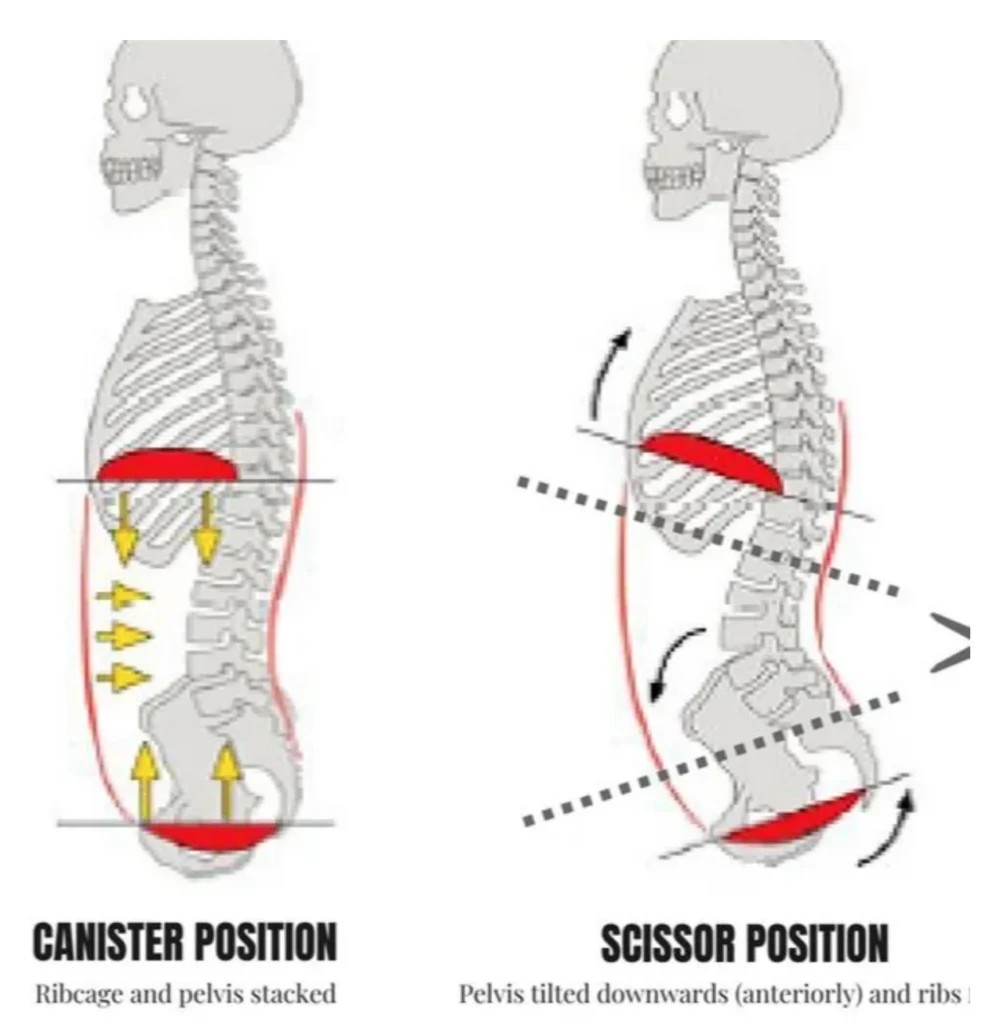
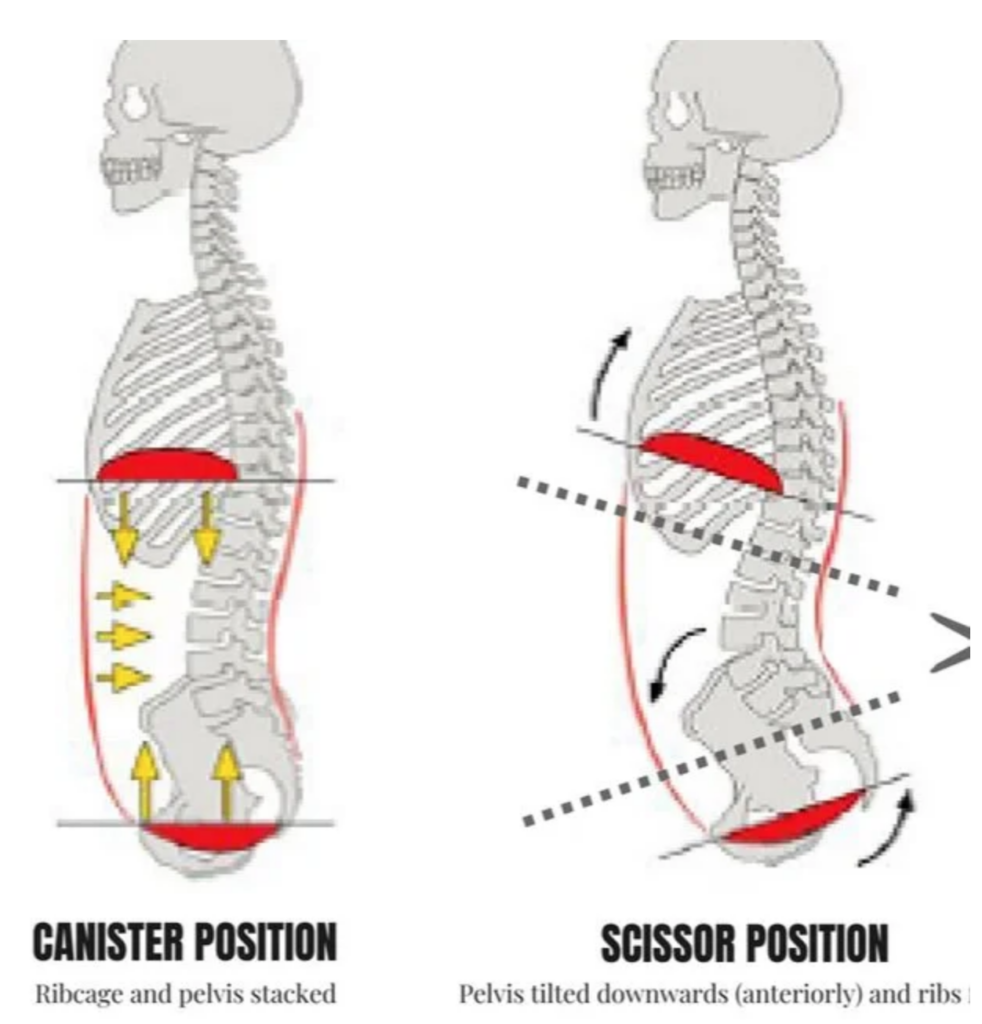
Modern corrective exercise specialists, such as Dr. Sarah Duvall, have pioneered a more nuanced methodology. This approach posits that the postpartum body is not "broken" but rather in a state of required recalibration. The focus has shifted from mere "rest" to the active rebuilding of a functional foundation. This involves reconnecting the "core canister"—a physiological unit comprised of the diaphragm at the top, the pelvic floor at the bottom, and the abdominal and spinal muscles forming the walls.
The Limitations of Isolated Pelvic Floor Training
While Kegel exercises remain a cornerstone of pelvic health, recent clinical observations indicate they are frequently over-utilized or used in isolation, leading to suboptimal outcomes. Research indicates that women who engage in dedicated pelvic floor training are approximately 17% less likely to report symptoms of incontinence. However, an over-reliance on contraction-only exercises can lead to a "hypertonic" or overactive pelvic floor. A muscle that cannot fully relax is as dysfunctional as one that is too weak to contract.

The primary issue with the "Kegels-only" approach is that it ignores the integrated nature of the human kinetic chain. The pelvic floor does not function in a vacuum; it responds to changes in intra-abdominal pressure (IAP) regulated by the diaphragm and the position of the ribcage relative to the pelvis. When individuals focus solely on tightening the pelvic floor without addressing respiratory patterns, they may inadvertently increase internal pressure in ways the body cannot manage, potentially leading to pelvic organ prolapse (POP) or persistent abdominal doming.
The Canister Model and Respiratory Mechanics
At the heart of modern postpartum rehabilitation is the "canister" position, characterized by the ribcage being stacked directly over the pelvis. This alignment allows for optimal pressure distribution. During pregnancy, the growing uterus often necessitates a rib flare and an anterior pelvic tilt, disrupting this stack. Postpartum recovery must therefore prioritize the restoration of this alignment to ensure that the diaphragm and pelvic floor can work in tandem.
Respiratory mechanics serve as the engine for this system. A functional inhale should involve a 360-degree expansion of the lower ribcage, allowing the diaphragm to contract downward. As the diaphragm moves down, it creates a gentle downward pressure on the pelvic floor, which should respond by lengthening and expanding—a process often described as the pelvic floor moving from the "ground floor" to the "basement."
Upon exhalation, the diaphragm rises, and the pelvic floor naturally recoils and lifts back to its starting position. This reflexive relationship is vital for managing the stresses of daily life, such as lifting a child, carrying groceries, or returning to the gym. If a postpartum individual "bears down" or holds their breath during exertion, they disrupt this natural cycle, placing undue stress on the pelvic floor and the linea alba (the connective tissue between the abdominal muscles).
Chronology of Postpartum Physical Progression
The transition from the immediate postpartum phase to full-intensity strength training follows a logical, evidence-based chronology:

- Phase I: The Foundation (Weeks 0–6): Focus is placed on restorative breathing and gentle activation of the deep core. The goal is to re-establish the mind-muscle connection with the pelvic floor and diaphragm without adding external load.
- Phase II: Functional Integration (Weeks 6–12): Introduction of bodyweight movements, such as squats and lunges, coordinated with specific breathing patterns. Individuals learn to exhale during the "exertion" phase of a movement to manage intra-abdominal pressure.
- Phase III: Progressive Loading (Month 3 and Beyond): Once a stable foundation is established and symptoms like leaking or heaviness are absent, external resistance (dumbbells, kettlebells, barbells) is introduced. This phase is critical for building the muscular strength required for the demands of parenthood.
- Phase IV: Return to Impact/Sport: This involves high-velocity movements and maximal strength efforts, implemented only after the individual demonstrates the ability to manage pressure during sub-maximal loading.
Supporting Data on Strength Training and Maternal Health
The benefits of strength training extend far beyond physical aesthetics. According to various health organizations, including the American College of Obstetricians and Gynecologists (ACOG), physical activity in the postpartum period is associated with a reduced risk of postpartum depression (PPD), improved cardiovascular health, and better weight management.
Furthermore, strength training is a key intervention for addressing the long-term musculoskeletal changes associated with pregnancy. For instance, the prevalence of diastasis recti can be as high as 60% at six weeks postpartum. While surgery is sometimes necessary, many cases can be managed through corrective exercise that emphasizes the tensioning of the fascia rather than just the "closing" of the gap.
Strength training also plays a crucial role in bone density. The lactational period can lead to temporary bone loss; weight-bearing exercise provides the mechanical stress necessary to stimulate bone remodeling and maintain skeletal integrity.
Professional Perspectives and Clinical Implications
The integration of fitness professionals into the postpartum care team is becoming increasingly common. Physical therapists specializing in pelvic health often work alongside strength coaches to ensure a seamless transition from clinical rehab to general fitness.
Experts in the field argue that the "fragility" narrative often pushed upon postpartum women can be psychologically damaging. By framing postpartum recovery as an athletic rehabilitation process rather than a period of permanent limitation, practitioners empower patients. The consensus among specialists is that while caution is necessary—particularly regarding "maximal effort" lifts too early—the ultimate goal should be the restoration of full physical capability.
"Being postpartum is not a disease," fitness professionals often emphasize. This sentiment reflects a broader movement to normalize the return to high-level activity, provided the individual respects the physiological timeline of tissue healing.
Broader Impact and Public Health Considerations
The implications of improving postpartum fitness protocols are significant for public health. Pelvic floor disorders affect millions of women worldwide, with pregnancy and childbirth being major risk factors. The economic burden of treating incontinence and prolapse—both in terms of medical costs and lost productivity—is substantial.
By implementing better education regarding respiratory mechanics and progressive loading early in the postpartum period, the healthcare system can potentially reduce the incidence of chronic pelvic dysfunction. Moreover, as society recognizes the physical demands of childcare—which involves frequent lifting, squatting, and carrying—the necessity of maternal strength becomes a matter of functional safety.
In conclusion, the modernization of postpartum recovery requires a departure from simplistic, isolation-based exercises. By prioritizing the "canister" model of alignment, mastering 360-degree breathing, and gradually introducing progressive resistance, individuals can navigate the postpartum period with greater resilience. Strength training is not merely an optional addition to recovery; it is a fundamental component of restoring the body’s structural and functional integrity following the profound changes of pregnancy and childbirth.

