

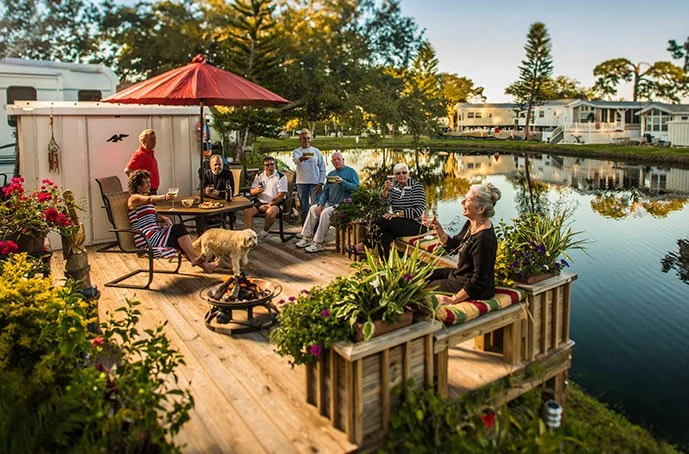
As the northern latitudes prepare for the annual transition into sub-zero temperatures and heavy snowfall, a significant demographic shift is underway across the United States. This seasonal migration, commonly referred to as the "snowbird" phenomenon, involves hundreds of thousands of recreational vehicle (RV) enthusiasts and seasonal travelers moving from the "Frost Belt" of the Northeast and Midwest toward the "Sunbelt" of the Southern United States. The 2024-2025 winter season is projected to see record-breaking numbers in this sector, driven by a combination of an aging "Baby Boomer" population and the continued rise of the "digital nomad" workforce. According to the RV Industry Association (RVIA), more than 11 million American households now own an RV, a figure that has grown by 62% over the last two decades, creating unprecedented demand for high-quality long-term winter camping facilities.
The Economic Landscape of Winter Migration
The shift toward southern campgrounds is no longer merely a casual vacation trend; it is a multi-billion-dollar economic engine for states like Arizona, Florida, and Texas. For many small municipalities, the influx of winter residents provides the necessary capital to maintain local infrastructure and support small businesses during the traditional off-season. Data from the National Association of RV Parks and Campgrounds (ARVC) suggests that long-term winter campers spend an average of $2,500 to $4,000 per month in their host communities, excluding site rental fees. This expenditure is concentrated in local grocery stores, hardware shops, restaurants, and outdoor recreation services.

However, this surge in demand has necessitated a shift in how campgrounds operate. Facilities that once focused on short-term weekend stays are now retooling their infrastructure to accommodate stays of three to five months. This includes the installation of high-speed fiber-optic internet, upgraded electrical grids to support modern high-draw RV appliances, and expanded social programming designed to foster community among long-term residents.
Strategic Selection: The Infrastructure of a Successful Stay
For the modern snowbird, the selection of a winter "home base" is a logistical decision predicated on infrastructure. Professional travelers prioritize campgrounds that offer "full hookups," a term referring to direct connections to city water, sewer systems, and 30-to-50-amp electrical service. As the duration of stays increases, the quality of these connections becomes paramount.
Kampgrounds of America (KOA), the world’s largest system of privately held campgrounds, has emerged as a primary provider for this demographic. With over 500 locations, KOA has implemented standardized facility requirements that ensure reliability for seasonal guests. This standardization addresses the "headaches" often associated with less-vetted facilities, such as inconsistent water pressure or inadequate Wi-Fi bandwidth—issues that can disrupt the lives of those still participating in the remote workforce.

Top-Tier Destinations for the 2024-2025 Season
Based on infrastructure quality, regional climate stability, and proximity to natural and cultural landmarks, the following seven locations have been identified as the premier choices for winter migration this year.
1. Tucson KOA Resort, Arizona
Located in the heart of the Sonoran Desert, the Tucson KOA Resort serves as a hub for travelers seeking a dry, arid climate. Arizona remains a top-three destination for snowbirds due to its consistent winter temperatures, which average in the mid-60s to low-70s. This specific resort has invested heavily in amenities that cater to the "resort-style" camper, featuring two swimming pools and a 9-hole mini-golf course.
Logistically, the resort is positioned to provide access to Saguaro National Park and the Arizona-Sonora Desert Museum. For long-term residents, the on-site Steak Rush Grill provides a culinary alternative to meal preparation, a feature increasingly sought after by seasonal guests who prioritize convenience.

2. St. Petersburg/Madeira Beach KOA Holiday, Florida
Florida remains the undisputed capital of winter migration, and the Gulf Coast offers a unique blend of maritime ecology and urban accessibility. The St. Petersburg/Madeira Beach location is notable for its proximity to Long Bayou, a mangrove-lined waterway where guests can engage in kayaking and wildlife observation.
A critical feature for health-conscious snowbirds is the 38-mile Pinellas County Fitness Trail, which borders the property. This trail provides a safe, flat corridor for cycling and walking, connecting several coastal communities. To balance this activity, the resort maintains two hot tubs, including an adult-exclusive area designed to mitigate the noise levels often found in family-oriented parks.
3. South Padre Island KOA Holiday, Texas
The "Winter Texan" culture is a distinct subset of the snowbird movement, characterized by a preference for the deep south of the Lone Star State. South Padre Island offers a tropical climate comparable to South Florida but often at a more competitive price point. The KOA Holiday at this location is situated on the Laguna Madre Bay, providing direct water access via a boat ramp and rentals for hydrocycles and kayaks.

To assist guests in navigating the island without the need to unhook their large RVs, a free Metro shuttle stops at the campground entrance. This integration with local transit is a growing trend in campground management, aimed at reducing traffic congestion in sensitive coastal areas.
4. Myrtle Beach KOA Resort, South Carolina
While further north than Florida or Texas, Myrtle Beach remains a viable winter destination for those who prefer a temperate climate over tropical heat. The Myrtle Beach KOA Resort is characterized by its 40-year-old growth of pine trees, providing a natural aesthetic often missing from newer, concrete-heavy RV parks.
The resort’s connection to the Withers Swash tidal basin offers a waterfront experience that avoids the high-density crowds of the primary beach districts. For seasonal travelers with pets, the Kamp K9 dog park provides essential socialization space, a factor that is increasingly cited as a "top five" requirement for long-term campers.

5. Okeechobee KOA Resort, Florida
For travelers whose winter activities revolve around sport and social engagement, the Okeechobee KOA Resort functions more like a country club than a traditional campground. It features a 9-hole golf course, a driving range, and a putting green on-site.
Proximity to Lake Okeechobee, the largest freshwater lake in Florida, makes this a primary destination for anglers. The resort’s social calendar—comprising live concerts, themed parties, and parades—reflects the shift toward "community-centric" camping, where the social fabric of the park is as important as the physical site.
6. New Bern KOA Holiday, North Carolina
New Bern represents the "Mid-South" migration point, appealing to those who wish to avoid the intense humidity of the Deep South while still escaping the frozen North. Situated on the Neuse River, the facility features a 250-foot private fishing pier.

The historical context of New Bern, which served as North Carolina’s first capital, provides a cultural dimension to the stay. This location is particularly popular with "early-season" snowbirds who begin their trek in October and November, using the Carolinas as a staging point before moving further south in January.
7. Townsend/Great Smokies KOA Holiday, Tennessee
Challenging the notion that snowbirding must occur at sea level, the Townsend/Great Smokies KOA Holiday caters to those who prefer mountain air. Known as the "Peaceful Side of the Smokies," this location offers a quieter alternative to the tourist-heavy corridors of Gatlinburg and Pigeon Forge.
From December through February, the park runs a dedicated winter program with monthly rates starting at approximately $1,000, inclusive of all utilities. This price point is significantly lower than coastal Florida rates, making it an attractive option for budget-conscious retirees. The proximity to Cades Cove allows for world-class wildlife viewing throughout the winter months.

Chronology of the Winter Migration Cycle
The timeline for winter migration is rigid, dictated by both weather patterns and the logistics of campground availability.
- July – August: Peak booking window. The highest-rated campgrounds, including the seven listed above, often reach 90% capacity for the winter season by late summer.
- October – November: The "First Wave." Travelers from the northernmost states and Canada begin moving south as the first frosts occur.
- December: The "Holiday Surge." A second wave of travelers arrives, often coinciding with the end of the traditional school semester to accommodate visiting family members.
- January – February: Peak occupancy. Southern campgrounds operate at maximum capacity, and social calendars are at their most active.
- March – April: The "Northward Bound" transition. As temperatures rise in the North, the migration reverses, often leaving southern parks nearly empty by early May.
Broader Implications for the Future of Seasonal Travel
The continued growth of the snowbird demographic has significant implications for land use and environmental policy. As more rural areas are developed into high-end RV resorts, local governments must balance the economic benefits with the environmental impact on local water tables and ecosystems. Furthermore, the "work-from-anywhere" revolution has lowered the average age of the seasonal traveler. This younger cohort demands different services—specifically, ultra-high-speed internet and co-working spaces—forcing traditional campgrounds to evolve or face obsolescence.
In response to these shifts, industry leaders are calling for more sustainable development practices. "The goal is to create environments that are not only comfortable for the guests but also respectful of the natural beauty that draws them here in the first place," a representative from KOA noted in a recent industry report.

As the 2024-2025 winter season begins, the trend is clear: the American snowbird is no longer just a traveler; they are a vital component of the southern economy, driving innovation in the outdoor hospitality industry and redefining the concept of "home" for the modern era.

