

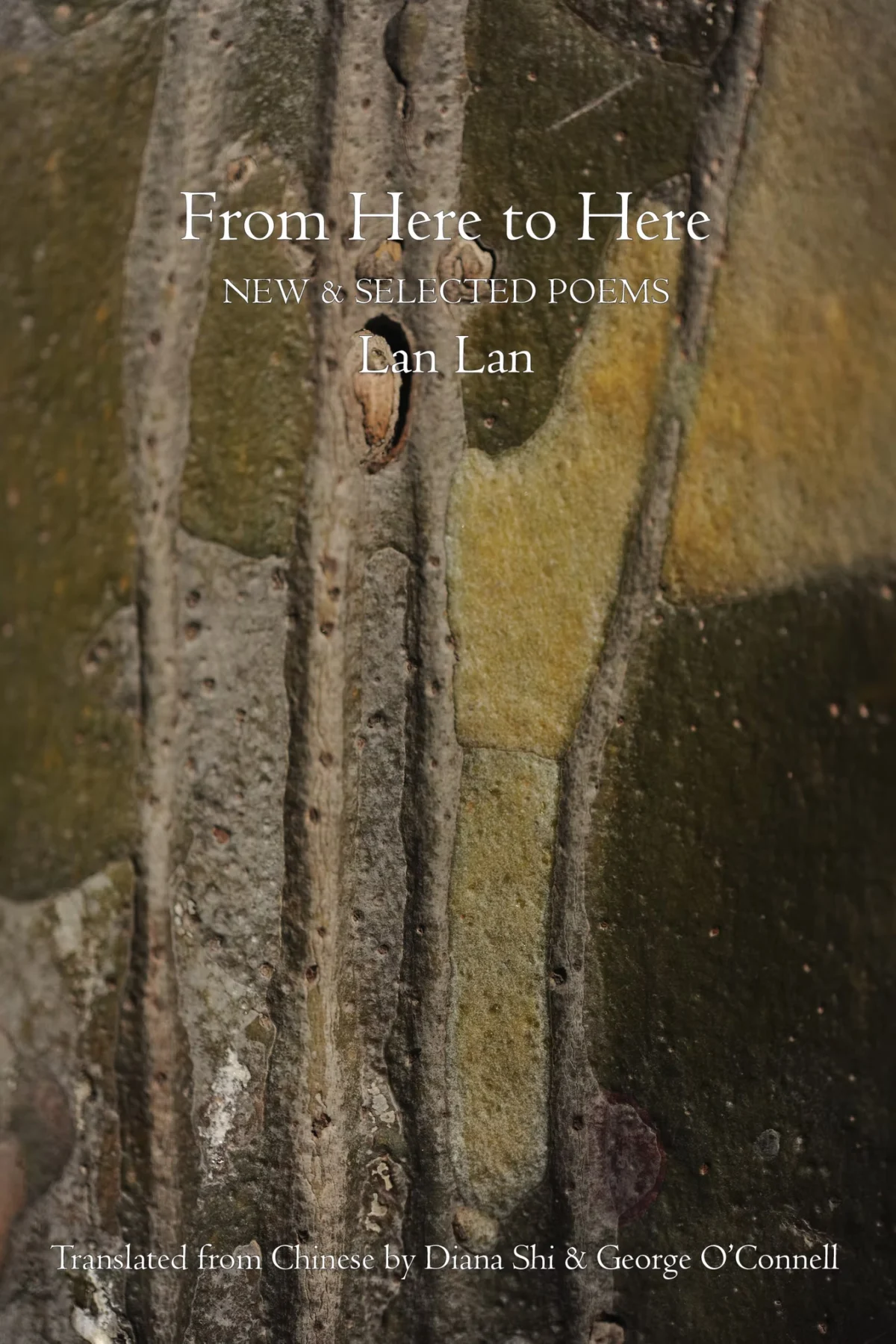
The literary world is abuzz with the imminent release of From Here to Here: New and Selected Poems by Lan Lan, one of China’s most acclaimed contemporary lyric poets. Tricycle magazine, in collaboration with the Poetry Society of America, is set to host a significant literary event on Wednesday, July 22, 2026, at their Brooklyn venue. This event will feature a reading by Lan Lan, alongside fellow prominent contemporary Chinese poets Wang Jiaxin and two other distinguished voices, offering an intimate glimpse into the evolving landscape of Chinese poetry. The reading aims to bridge cultural divides and showcase the profound artistry of these poets to an international audience.
Lan Lan, a figure whose work has consistently pushed the boundaries of lyrical expression in modern China, is renowned for her evocative imagery, philosophical depth, and keen observation of the human condition. Her poetry often delves into themes of memory, nature, identity, and the passage of time, rendered with a delicate yet powerful touch. This forthcoming collection, From Here to Here, promises to be a comprehensive exploration of her significant contributions to contemporary Chinese literature. The collection is published by Slapering Hol Press, a publisher known for its dedication to bringing international poetry to English-speaking readers.
The upcoming reading event is not merely a recitation of verse; it is positioned as a cultural dialogue, an opportunity for audiences to engage directly with the creative forces shaping modern Chinese poetry. The Poetry Society of America, a venerable institution dedicated to fostering appreciation and understanding of poetry, provides an ideal platform for such an exchange. Their Brooklyn location has a rich history of hosting influential literary figures, and this event is expected to draw a considerable crowd of poetry enthusiasts, academics, translators, and members of the Chinese diaspora.
A Glimpse into Lan Lan’s Poetic Vision
The selection of three poems published in advance offers a compelling preview of the thematic and stylistic elements that define Lan Lan’s work.
"Wild Sunflower"
The poem "Wild Sunflower" immediately immerses the reader in a melancholic yet beautiful autumnal scene. The imagery of a "wild sunflower’s head will be severed" in autumn carries a profound sense of transience and inevitable loss. The poet personifies the flower, linking its fate to a human memory: "someone passing by / suddenly recalling in the early dusk / her face melding / with the sunset’s golden smoke / the whole boundless summer." This passage skillfully intertwines the natural world with the subjective experience of remembrance, suggesting that even the most ephemeral moments of beauty are etched into the fabric of our lives.
The subsequent lines, "What passage then? What crossed horizons of buckwheat blooms? / Old tales drowned in grief / for which once more I perish," deepen this sense of poignant reflection. The "buckwheat blooms" evoke a specific, perhaps rural, landscape, hinting at a journey or a passage of time that is now tinged with sorrow. The repetition of "perish" underscores the weight of these "old tales" and the enduring impact of grief.
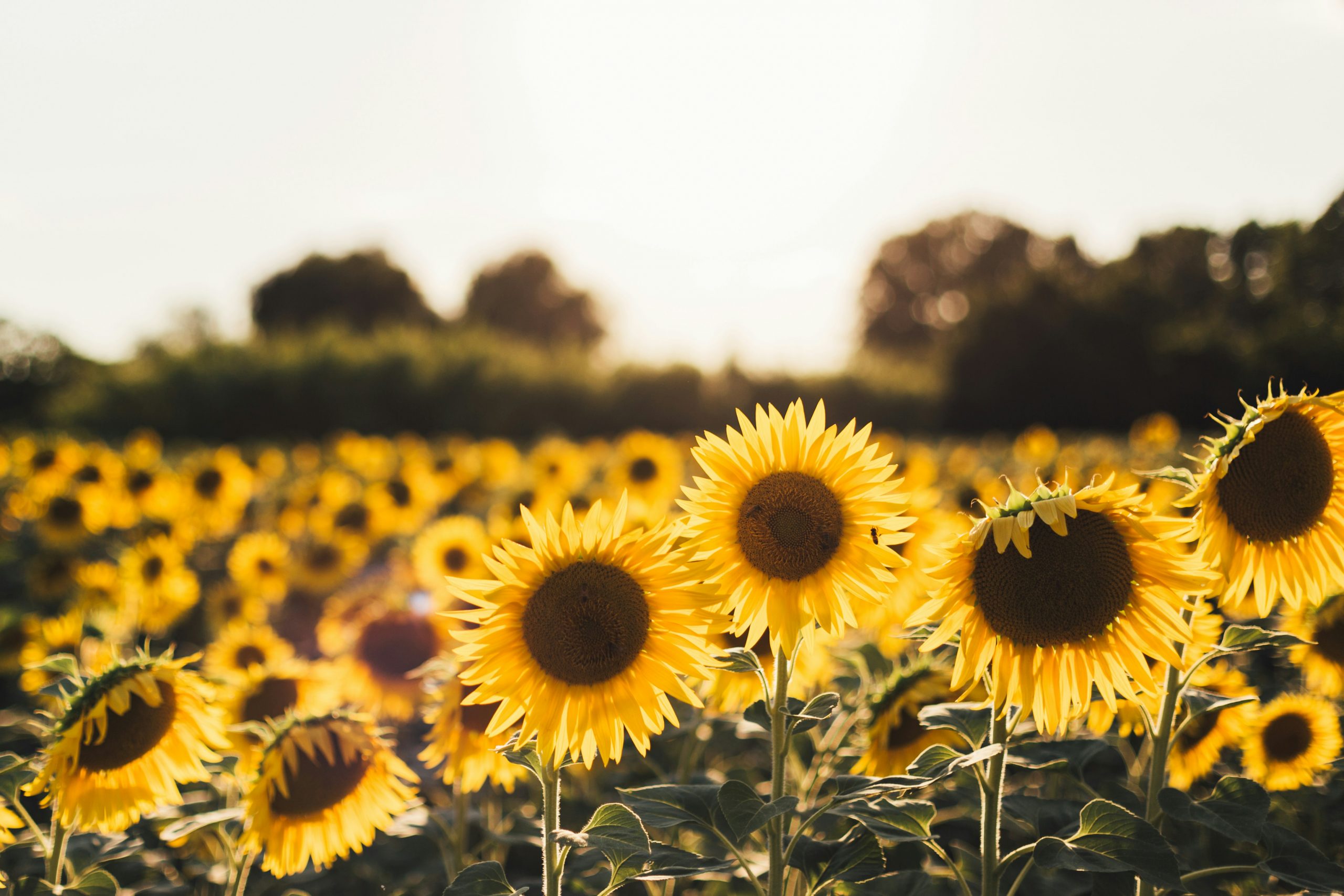
The poem concludes with an assertion of the unreal, yet profoundly felt, nature of the experience: "Unreal wild sunflower. Unreal / voice, singing. / Autumn wind the poison thorn stabbing in my chest." This final stanza encapsulates the poem’s central tension – the intangible beauty of memory and art, contrasted with the sharp, visceral pain of loss. The "poison thorn" of the autumn wind is a powerful metaphor for the way sorrow can penetrate deeply, even when the source of the pain is ethereal.
"In My Village"
"In My Village" offers a contrasting, yet equally evocative, portrait of time and place. This poem shifts focus to the rhythms of rural life, where "time runs swift." The cyclical nature of existence is beautifully captured in the image of birds, "One flock of birds takes wing / as another lands." The wind, a ubiquitous element of the natural world, becomes a messenger, signaling the arrival of summer: "Wind tells the scarf / summer’s coming."
The arrival of summer is depicted with vivid sensory details: "Quail at noon / plunge through tall grass." The agricultural cycle is present, with "foxtail / sees the wheat breed grain," symbolizing growth and sustenance. The line, "Whoever stops to cherish this / shall cherish me," introduces a deeply personal connection to this natural abundance, suggesting that the poet’s own essence is intertwined with the life and beauty of her village. This sentiment imbues the natural world with a profound human resonance.
The poem then transitions to a more intimate scene: "In my village / candlelight saves its window for a serenade. / Through the fragrance of roses, / go there. All night long, / the murmuring creek / restless in moonlight." This imagery evokes a sense of romantic longing and the quiet beauty of communal life, where shared moments are illuminated by gentle light and fragrant air. The restless creek under the moonlight adds a layer of subtle disquiet or perhaps an enduring sense of yearning that permeates the peaceful night.
"Rain in a Small Town"
The final poem, "Rain in a Small Town," explores the transformative power of rain on perception and memory. The opening stanza establishes a sense of intimacy and closeness: "In rain, everything draws close, / wood-wheeled carts, black umbrellas, / the red door of home, freshly painted." The rain seems to consolidate the familiar, bringing them into sharper focus. The image of parents "recalling ordinary things / from years ago, their faces / plain as sculptor’s clay" anchors the poem in familial warmth and the quiet dignity of everyday life, rendered enduring by shared history.
However, the poem then introduces a shift in perspective, as the rain also prompts a sense of dispersal: "In rain, everything moves off, / the dripping Chinese parasol trees, blurred roads, / dim headlights." The familiar landscape becomes indistinct, evoking a sense of movement and departure. The "dark human forms" behind a curtain and the sounds of nature—"Gusts thresh the far grove. / A creaky windlass raises water"—create a sense of life continuing, albeit at a distance. The observation of "storefronts gaze on pavement" adds a touch of urban detachment, a contrast to the earlier domestic intimacy.
The concluding stanzas reflect on a growing sense of unfamiliarity: "Less familiar people. / Less familiar noise and silence." Standing beneath a fir tree, the poet hears an "old temple bell," a sound that transcends the immediate and connects to a deeper, perhaps spiritual, resonance. The "harvest of the fields is in" suggests a completed cycle, a moment of rest after labor. The final image, "Through foggy mist, / a flame licks itself / like a Buddha lamp in a rundown temple," is particularly striking. It conjures a sense of quiet, persistent illumination in a state of decay or transition, perhaps symbolizing an enduring spiritual presence or the persistent nature of inner reflection even amidst obscurity.
Context of the Event and Collection
The July 22nd reading at the Poetry Society of America is a significant event within the international literary calendar. It marks a deliberate effort by Tricycle magazine, a leading publication in Buddhist and cultural affairs, to highlight the intersection of poetry, spirituality, and cultural exchange. Lan Lan’s work, while deeply rooted in Chinese culture, often touches upon universal themes that resonate with Buddhist principles of impermanence, interconnectedness, and the nature of perception.
The collection From Here to Here represents a significant milestone, as it compiles new and selected poems, offering a comprehensive overview of Lan Lan’s career to date. This allows readers and scholars alike to trace the development of her poetic voice and thematic concerns over time. The translations by Diana Shi and George O’Connell are crucial in bridging the linguistic gap, ensuring that the nuances and emotional depth of Lan Lan’s original Chinese verses are conveyed effectively to an English-speaking audience. The quality of translation is often a critical factor in the reception of international literature, and the collaboration of two accomplished translators suggests a meticulous approach to preserving the integrity of the original work.
Broader Implications and Cultural Exchange
The prominence of Lan Lan and Wang Jiaxin, both celebrated poets in contemporary China, at this event underscores a growing global interest in Chinese literature. In recent decades, Chinese writers have gained increasing international recognition, with many receiving prestigious awards and having their works translated into numerous languages. This trend reflects a broader shift in the global literary landscape, where voices from non-Western traditions are gaining more visibility and critical attention.
Events like the one hosted by Tricycle and the Poetry Society of America play a vital role in fostering cross-cultural understanding. By presenting these poets to an American audience, the organizers are facilitating a dialogue that transcends national borders. Poetry, in its ability to convey complex emotions and profound insights in a concise and artful manner, can offer unique perspectives on different cultures and experiences. The selection of poets, including Lan Lan, who often explores themes with spiritual undertones, aligns with Tricycle’s mission to explore the intersections of Buddhist thought and contemporary culture.
The fact that this event is a ticketed reading, with early registration encouraged, suggests a significant demand for experiencing these poets live. This indicates a mature and engaged audience eager to connect with contemporary global literary voices. The organizers are likely anticipating a diverse audience, including scholars of East Asian literature, poets, translators, students, and individuals interested in cultural diplomacy through the arts.
Supporting Data and Historical Context
The growing international recognition of Chinese literature is not a recent phenomenon. The Nobel Prize in Literature awarded to Mo Yan in 2012, for instance, brought significant global attention to contemporary Chinese fiction. While poetry often receives less mainstream media attention than prose, the work of poets like Lan Lan and Wang Jiaxin is crucial in shaping the literary discourse. These poets are part of a generation that came of age during periods of rapid social and economic change in China, and their work often reflects the complexities of navigating tradition and modernity.

The Poetry Society of America, founded in 1910, has a long-standing commitment to promoting poetry in the United States. Their consistent efforts to host international poets, including those from China, demonstrate a dedication to enriching the American literary landscape with diverse voices. Similarly, Tricycle magazine has been a leading platform for exploring Buddhist philosophy, practice, and culture for over three decades. Their engagement with contemporary poetry, particularly from a cultural context that has deep historical ties to Buddhist traditions, is a natural extension of their mission.
Analysis of Impact
The impact of such literary events extends beyond the immediate audience. The exposure of Lan Lan’s work to a wider international readership through translated poems and public readings can significantly influence literary criticism, academic study, and future creative endeavors. It contributes to a more nuanced understanding of Chinese contemporary culture, moving beyond stereotypes and offering authentic artistic expressions.
For the poets themselves, these opportunities provide validation and a platform to connect with a global community of readers and fellow artists. The translations serve as a vital bridge, allowing their intricate wordplay and emotional landscapes to be appreciated across linguistic barriers. The success of From Here to Here and the positive reception of the upcoming reading could pave the way for further translations and publications of contemporary Chinese poetry, fostering a more robust exchange between Chinese and Western literary worlds.
The inclusion of a book signing and the availability of the collection for purchase at the event further solidify the tangible outcomes of such literary gatherings, ensuring that the engagement with Lan Lan’s poetry continues long after the reading concludes. This holistic approach, combining readings, discussions, and access to the published works, is a model for effective cultural programming in the arts.
The event on July 22nd is poised to be a significant moment, celebrating the enduring power of poetry to connect us across cultures and time, offering a profound glimpse into the heart of contemporary Chinese lyricism through the evocative verses of Lan Lan.

