

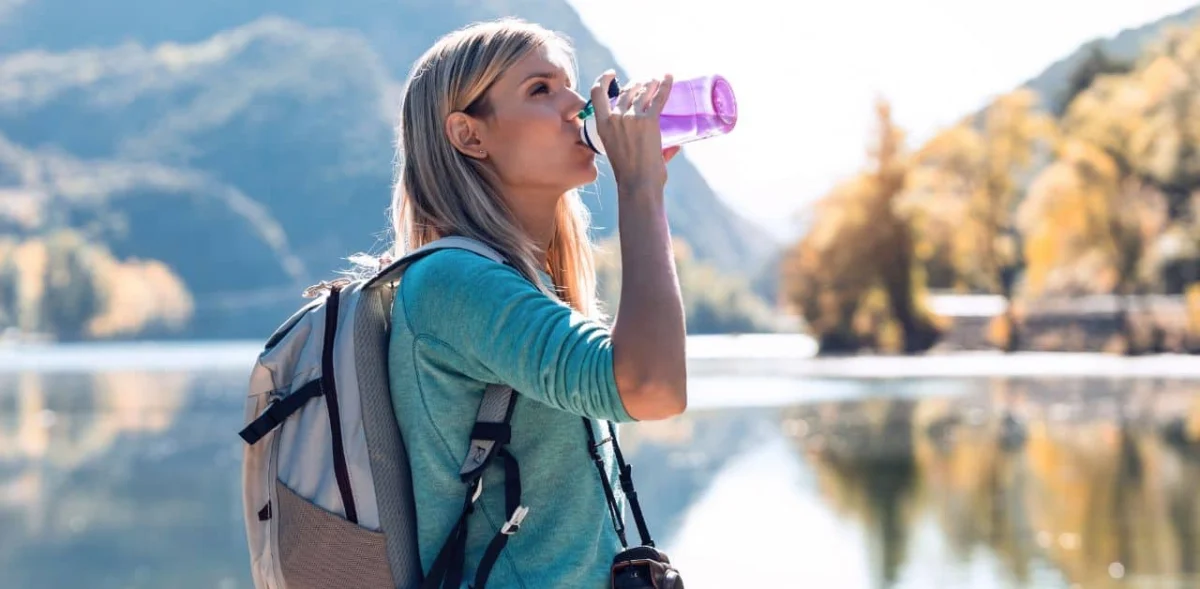
The Biological and Health Imperatives of Water Consumption
The primary deterrent to consuming tap water in foreign jurisdictions is the risk of waterborne pathogens. Public health experts note that "unsafe" water is not always a synonym for "polluted" water. Often, the issue lies in the disparity between the microbial flora present in a traveler’s home environment and those found in a destination. The human digestive system develops a level of tolerance to local microorganisms; however, when introduced to unfamiliar bacteria, viruses, or parasites, the body’s immune response can lead to Traveler’s Diarrhea (TD).
According to data from the Centers for Disease Control and Prevention (CDC), TD affects between 30% and 70% of travelers, depending on the destination and the season. Common pathogens found in untreated or inadequately treated water supplies include Escherichia coli (E. coli), Giardia duodenalis, Cryptosporidium, and various strains of Norovirus. In regions with aging infrastructure or less stringent regulatory oversight, the water supply may also be compromised by chemical contaminants, heavy metals, or agricultural runoff, which can lead to more severe conditions such as Hepatitis A, typhoid fever, and cholera.
The Evolution of Global Water Safety Standards
The history of potable tap water is intrinsically linked to the development of modern civil engineering and public health policy. In the late 19th and early 20th centuries, the implementation of filtration and chlorination in major Western cities led to a dramatic decline in waterborne diseases. This established a precedent for the high standards seen today in many developed nations.

The World Health Organization (WHO) provides the "Guidelines for Drinking-water Quality," which serve as an international point of reference for standard-setting and drinking-water safety. These guidelines are updated periodically to reflect new scientific findings regarding contaminants and treatment technologies. In the European Union, the Drinking Water Directive ensures that water intended for human consumption is "wholesome and clean," mandating regular testing for over 48 microbiological and chemical parameters.
Regional Analysis: Where Tap Water Meets International Safety Benchmarks
For travelers seeking to minimize their environmental footprint, identifying regions with high-standard municipal water is essential. In these locations, the infrastructure is designed to provide water that is chemically and biologically safe for direct consumption.
North America and Europe
In North America, both the United States and Canada maintain rigorous standards via the Safe Drinking Water Act and the Guidelines for Canadian Drinking Water Quality, respectively. In Europe, the vast majority of Western and Northern nations provide exceptionally high-quality tap water. Countries such as Switzerland, Norway, and Iceland are frequently cited for having some of the purest tap water in the world, often sourced directly from glacial springs or deep aquifers with minimal treatment required.
The CDC confirms that tap water is safe for travelers in:

- Western Europe: Andorra, Austria, Belgium, France, Germany, Liechtenstein, Luxembourg, Monaco, Netherlands, Switzerland, and the United Kingdom.
- Northern Europe: Denmark, Finland, Iceland, Norway, and Sweden.
- Southern Europe: Greece, Italy, Malta, Portugal, San Marino, Spain, and Vatican City.
- Central Europe: Czech Republic, Poland, and Slovenia.
Asia and Oceania
While large swaths of Asia continue to struggle with water potability, several key economies have invested heavily in water treatment infrastructure. Japan, South Korea, Singapore, Hong Kong, and Israel are notable exceptions where tap water meets or exceeds international safety standards. In Oceania, both Australia and New Zealand provide safe, treated tap water across their respective territories.
High-Risk Zones: Understanding Infrastructure Gaps
Conversely, in many developing regions, the safety of tap water cannot be guaranteed. This is often the result of several factors: rapid urbanization outpacing infrastructure growth, lack of financial resources for advanced treatment facilities, and geographical challenges.
In Mexico, Central America, and South America, the risk remains high for most travelers. While some major metropolitan areas in countries like Chile or Argentina have improved their systems, the general recommendation remains to avoid tap water. Similarly, throughout Africa and much of Southeast Asia (including popular destinations like Thailand, Vietnam, and Indonesia), the prevalence of waterborne pathogens remains a significant public health challenge. In these regions, even ice and raw vegetables washed in tap water can pose a substantial health risk.
The Environmental Toll: The Lifecycle of a Plastic Bottle
The reliance on bottled water as a safety measure has birthed a secondary global crisis: plastic pollution. The environmental data regarding single-use plastics is staggering. Research indicates that approximately one million plastic bottles are purchased every minute globally. Of these, a mere 9% are successfully recycled. The remainder ends up in landfills or the natural environment.

A standard Polyethylene Terephthalate (PET) bottle takes approximately 450 years to decompose. During this process, it does not disappear but rather breaks down into microplastics—particles smaller than five millimeters that have now been detected in every corner of the globe, from the depths of the Mariana Trench to the human bloodstream.
Furthermore, the production of bottled water is an energy-intensive process. It requires significantly more water to produce the plastic bottle than the bottle actually contains. The carbon footprint is further inflated by the logistics of transporting heavy pallets of water across oceans and continents, contributing to greenhouse gas emissions and global warming.
Technological Interventions: Modern Methods for Portable Water Purification
For travelers in high-risk zones, the alternative to bottled water is portable purification. Advancements in technology have provided several viable options that allow for the safe consumption of local water without the need for single-use plastics.
1. Mechanical Filtration
Portable water filters use a physical barrier to remove impurities. High-quality travel filters typically feature a pore size of 0.1 to 0.2 microns, which is sufficient to remove bacteria and protozoa. However, travelers should note that standard mechanical filters often do not remove viruses, which are significantly smaller.

2. Ultraviolet (UV) Purification
UV-C light devices, such as the SteriPEN, work by emitting ultraviolet radiation that disrupts the DNA of microorganisms, rendering them unable to reproduce or cause infection. This method is highly effective against bacteria, viruses, and protozoa. The limitation of UV purification is that it requires clear water to be effective; suspended sediment can shield pathogens from the light.
3. Chemical Disinfection
Iodine or chlorine-based tablets and drops remain a reliable, lightweight option for backcountry or emergency use. While effective against most pathogens, they often impart a distinct chemical taste to the water and require a "contact time" (usually 30 minutes) to ensure complete disinfection.
4. Thermal Sterilization
Boiling water remains the most foolproof method of sterilization. Bringing water to a rolling boil for at least one minute (three minutes at high altitudes) kills all pathogens, including viruses. The primary disadvantage for travelers is the requirement of a heat source and the time needed for the water to cool.
Broader Economic and Social Implications for Global Tourism
The debate between tap and bottled water also touches upon social equity and local economies. In many tourist-heavy regions, the demand for bottled water puts a strain on local waste management systems that are already underfunded. In destinations like Bali or the Galápagos Islands, the influx of plastic waste from tourists has led to "garbage emergencies," threatening the very natural beauty that attracts visitors.

Conversely, the "privatization" of water through the bottling industry can sometimes divert resources away from municipal improvements. When affluent tourists rely solely on bottled water, there is often less political and economic pressure to improve the local tap water infrastructure for the permanent residents who cannot afford bottled alternatives.
Official Recommendations and Traveler Best Practices
To navigate these complexities, international health organizations and sustainable travel advocates recommend a tiered approach to hydration:
- Pre-Trip Research: Consult the CDC’s "Yellow Book" or the WHO’s country-specific profiles to determine the safety of the local water supply.
- Investment in Gear: Carry a high-quality, reusable stainless steel or BPA-free plastic bottle. If traveling to a high-risk area, invest in a bottle with an integrated purification system (such as LifeStraw or Grayl).
- Mindful Consumption: In regions where tap water is unsafe, extend caution to ice cubes, brushed teeth, and raw produce. Seek out hotels or hostels that provide large-scale filtered water dispensers for refilling reusable containers.
- Advocacy: Support businesses and tour operators that prioritize plastic-free initiatives.
In conclusion, while the health risks associated with foreign tap water are real and documented, the solution is no longer as simple as reaching for a plastic bottle. Through a combination of geographical knowledge, technological tools, and a commitment to environmental stewardship, travelers can protect their well-being while preserving the integrity of the global landscapes they explore. The transition from a "disposable" mindset to one of "purification" is not merely a travel trend, but a necessary evolution in global citizenship.

