

The question of whether individuals who consume nuts live longer due to a simple dietary shift—replacing animal protein with plant-based protein—is a complex one, often entangled with the intricacies of nutrition research funding and publication. At the heart of this discussion lies The American Journal of Clinical Nutrition, widely recognized as a leading peer-reviewed scientific journal in nutrition and dietetics. However, its stature is presented with a caveat: it is published by the American Society of Nutrition, an organization whose financial backing includes prominent industry players such as The Sugar Association, major soda companies, and the meat, dairy, and egg industries. This financial interconnectedness raises critical questions about potential biases in published research, particularly when considering studies that appear to downplay the health risks associated with certain food groups.
One notable instance that has drawn scrutiny is the publication of an article within The American Journal of Clinical Nutrition that suggested eating red meat does not negatively influence cardiovascular disease risk factors. This finding, published in the journal that often sets the standard for nutritional science, has been met with skepticism by some researchers who point to the journal’s significant sustaining partners, including the National Cattlemen’s Beef Association. This association, a powerful lobby for the beef industry, has a vested interest in promoting positive perceptions of red meat consumption.
Questioning the Methodology: The Meta-Analysis Debate
The controversy surrounding the red meat study highlights a common concern in nutrition research: the potential for methodological flaws to be overlooked or exploited, particularly when research is funded by industries with a stake in the outcome. In this case, the purported finding that red meat does not impact cholesterol or blood pressure was achieved through a meta-analysis of randomized controlled trials. However, Drs. Neal Barnard and Walter Willett, in their editorial titled "The Misuse of Meta-analysis in Nutrition Research," identified a critical flaw: the question of "Compared with what?"
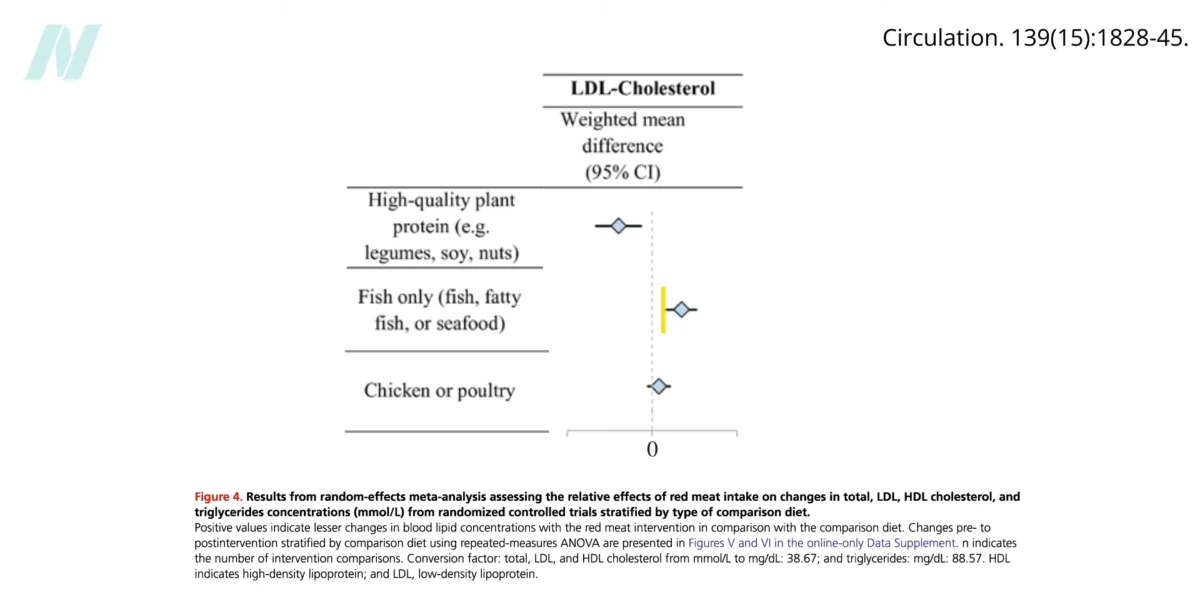
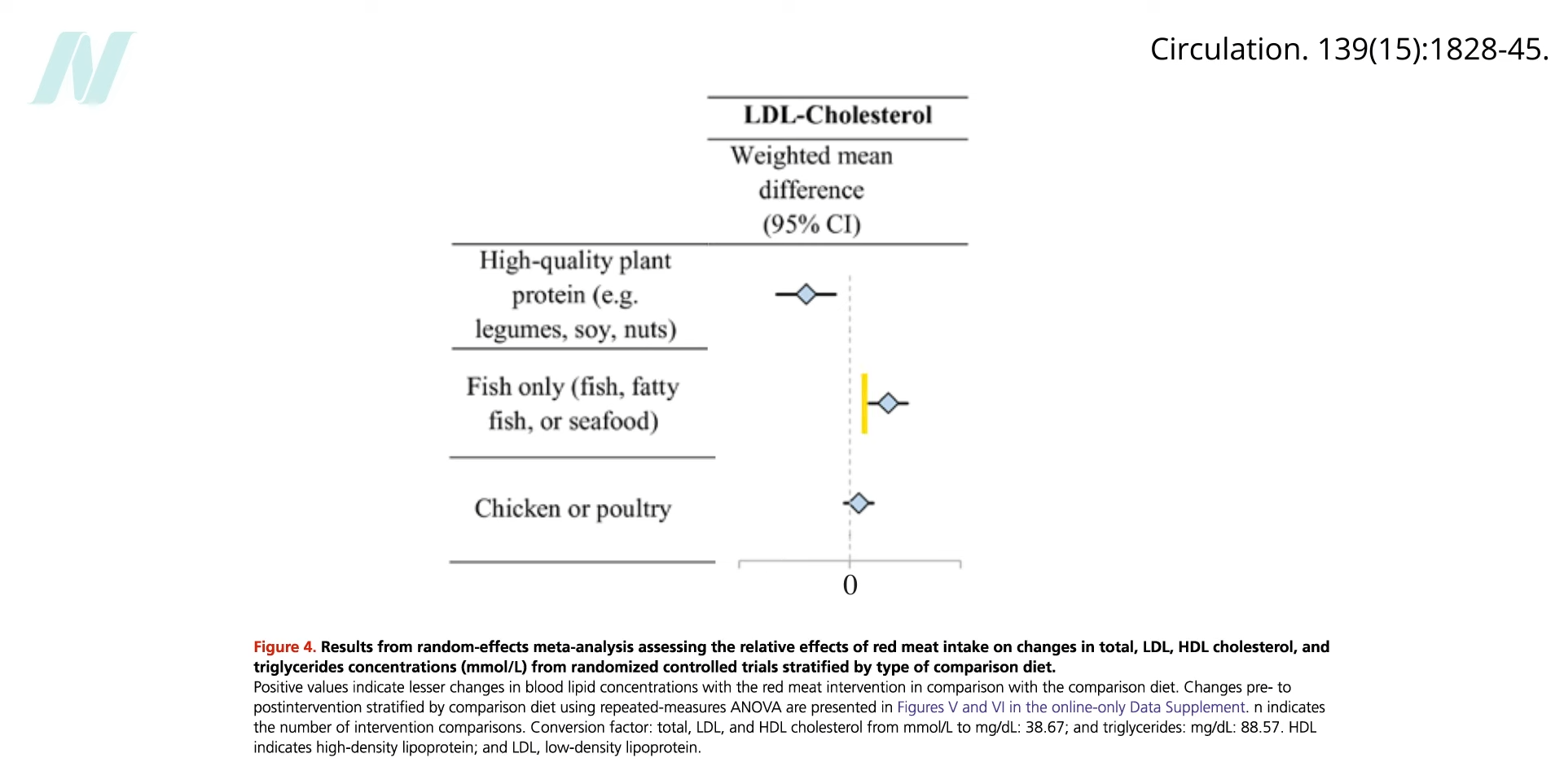
A deep dive into the 39 trials included in the meta-analysis revealed that nearly 90% of them involved comparisons where red meat was swapped for other types of meat, such as white meat (chicken or turkey). This approach, critics argue, is akin to testing a new product against a known inferior alternative, thereby making the new product appear superior by default. The editorial argues that such a design inherently masks the true impact of red meat consumption by failing to compare it against genuinely healthier alternatives.
The "Swapped Meats" Tactic: A Familiar Industry Strategy?
The research in question utilized control diets that often consisted of chicken or fish. This choice is significant because, as established by other studies, the impact of consuming beef on cholesterol levels can be comparable to that of fish or poultry. By simply swapping one type of meat for another, the meta-analysis effectively obscured any potential negative effects of red meat. This tactic has been compared to a hypothetical study claiming that Twinkie consumption does not negatively affect health markers, only to find that participants who abstained from Twinkies were instead consuming Ding Dongs. The implication is that the control group was not truly free from unhealthy choices, thus skewing the results. This strategy of testing a product against a known problematic alternative is a tactic historically observed in industries seeking to legitimize their products.
The Power of Plant-Based Alternatives: A Healthier Swap
In stark contrast to studies that pit meat against meat, research exploring the benefits of plant-based protein sources paints a different picture. When meat is replaced with plant-based alternatives such as plant-based sausages, chicken patties, or veggie dogs, studies have consistently shown a significant reduction in cholesterol levels. This finding is visually supported by data indicating lower LDL cholesterol in individuals consuming these plant-based options. The reduction in saturated fat content in plant-based alternatives is a primary contributor to these improved outcomes.
Beyond Saturated Fat: The Intrinsic Impact of Meat
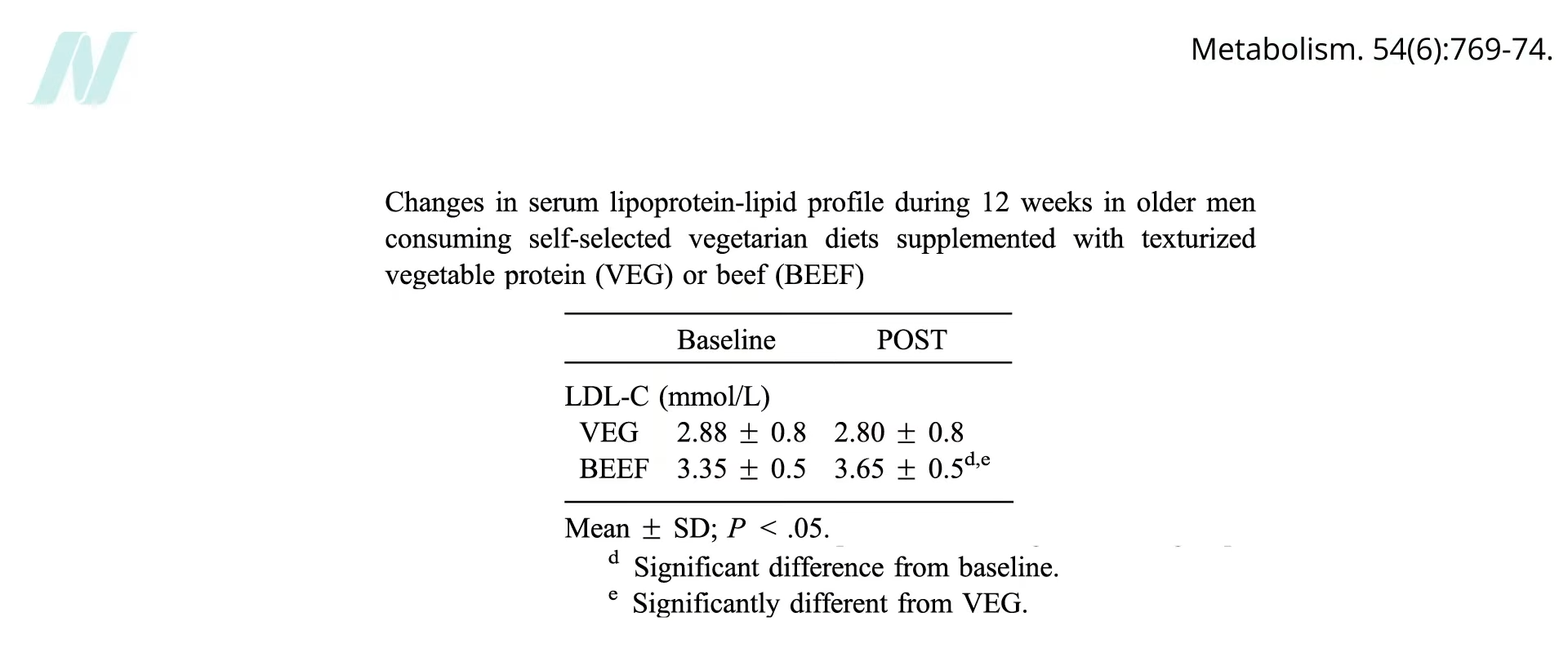
However, the benefits of plant-based protein extend beyond merely reducing saturated fat. Even when saturated fat content is controlled for, studies reveal that consuming red meat or white meat—any type of meat—results in higher LDL cholesterol levels compared to non-meat protein sources. This observation aligns with recommendations promoting diets rich in plant-based foods.
The comparison of different protein sources reveals a clear hierarchy of health impacts. While the aforementioned meta-analysis might have suggested chicken and turkey are as problematic as red meat, further analysis indicates that fish may be even worse. This is sometimes complicated by study designs that artificially standardize saturated fat content by adding ingredients like butter to fish. Nevertheless, at comparable saturated fat levels, fish appears to have a more detrimental effect on cholesterol than beef, with chicken exhibiting similar negative impacts to beef.
In contrast, plant protein sources such as soy, nuts, and legumes (including beans, split peas, chickpeas, and lentils) consistently demonstrate superior outcomes in lowering LDL cholesterol. This suggests that the benefits of these plant-based foods are not solely attributable to their lower saturated fat content but may also involve other beneficial compounds.
Nuts: A Powerful Ally in Longevity and Disease Prevention
The impact of replacing even a single serving of lean beef with an equivalent calorie intake of nuts or soybeans has been shown to lower LDL cholesterol. This is particularly significant given that elevated LDL cholesterol is a primary risk factor for cardiovascular diseases, which remain the leading cause of death globally.
The association between regular nut consumption and a reduced risk of premature death is substantial. Studies indicate that a daily serving of nuts can be linked to a 22% reduction in the risk of premature mortality. The scale of this potential benefit is further emphasized by estimates suggesting that millions of deaths annually could be attributable to inadequate nut intake worldwide.
A crucial finding is that the protective effect of nuts is not limited to individuals who adhere to strict vegetarian or vegan diets. The observed drop in heart attacks among more frequent nut eaters is equally pronounced among non-vegetarians. This indicates that incorporating nuts into any dietary pattern can confer significant cardiovascular benefits.
Broader Implications and Industry Influence
The reduced mortality associated with nut consumption appears to be independent of an individual’s overall health status. It is not merely "health nuts" who benefit; rather, nuts have demonstrated a remarkable ability to lower the risk of premature death across diverse populations. In comparisons of various food groups, nuts have even outperformed vegetables in their association with a lower risk of premature death, underscoring their potent health-promoting properties.
The findings regarding the benefits of nuts and plant-based proteins raise critical questions about how nutrition science is communicated and how industry funding may subtly influence public health messaging. The potential for conflicts of interest, as exemplified by the funding of leading nutrition journals by industries with vested interests, necessitates a cautious and critical approach to interpreting nutritional research.
Doctor’s Recommendations and Future Research
In light of the compelling evidence, health professionals often recommend incorporating nuts into daily diets. For instance, a "Daily Dozen Checklist" might suggest a quarter cup (approximately one ounce) of nuts per day. Further research continues to explore the multifaceted health benefits of nuts, delving into their micronutrient profiles, fiber content, and other bioactive compounds that contribute to their positive health outcomes.
The examination of how corporate interests can shape dietary guidelines and research narratives is an ongoing area of investigation. Understanding the "corporate playbook" behind undermining public health recommendations is crucial for fostering informed dietary choices and promoting genuine well-being. The subtle manipulation of research methodologies and the strategic influence of industry funding can create a distorted landscape of nutritional information, making it challenging for the public to discern evidence-based guidance from commercially driven narratives. The ongoing dialogue within the scientific community and the public’s increasing awareness of these dynamics are vital steps toward a more transparent and health-centric approach to nutrition.

