

The pervasive issue of weight stigma, often manifesting as discrimination based on an individual’s body size, is increasingly recognized not merely as a social discomfort but as a significant public health concern. Research indicates that weight stigma can create a self-perpetuating cycle, exacerbating stress, unhealthy behaviors, and adverse health outcomes, independent of actual weight. This article delves into the multifaceted impacts of weight bias, exploring its contribution to the obesity epidemic, its detrimental effects on mental and physical well-being, and the controversial discourse surrounding potential interventions.
The Intertwined Nature of Stress, Dieting, and Weight Stigma
While caloric restriction through dieting is a common strategy for weight management, research suggests that extreme fasting can significantly elevate cortisol, the body’s primary stress hormone, by as much as doubling within a five-day period. However, dieting alone does not inherently trigger such a dramatic cortisol increase. Instead, a more insidious factor appears to be at play: weight stigma.
Studies following thousands of individuals over a four-year span have revealed a compelling correlation between experiencing weight-based discrimination and an increased likelihood of developing obesity. Individuals who reported discriminatory experiences were more than twice as likely to become obese. Furthermore, those who were already obese faced over three times the odds of remaining so if they had experienced discrimination, compared to their counterparts of similar weight who had not faced such prejudice.
This phenomenon can be attributed to a two-pronged effect. On one hand, the stress induced by stigma can lead to stress-induced eating, a common coping mechanism that contributes to an excess calorie intake. On the other hand, stigma can prompt avoidance of physical activity, particularly in public settings, due to fears of judgment and embarrassment. This concept, often summarized as "too fat to exercise," is not unfounded.
The Unwelcoming Environment of Fitness and Health Facilities
Research has consistently documented strong anti-fat biases within fitness professions and among regular gym-goers. This can translate into an unwelcoming and even hostile environment at fitness centers and health clubs, deterring individuals from engaging in necessary physical activity. The fear of being judged or ridiculed can be a powerful deterrent, effectively creating a barrier to a healthy lifestyle. This avoidance of exercise, driven by stigma, can tip the delicate balance of calorie expenditure, further contributing to weight gain or maintenance.
Beyond Weight: The Broader Health Consequences of Stigma
The repercussions of weight stigma extend far beyond its impact on caloric balance and physical activity. Individuals who experience frequent weight-based discrimination often suffer from a range of health consequences that are independent of any additional weight gain. These can include elevated levels of depression, increased inflammation, heightened oxidative stress, and a demonstrably shorter lifespan.

Two comprehensive studies, tracking nearly 20,000 individuals collectively, found approximately a 50% increase in mortality risk among those who reported experiencing greater daily discrimination. These findings underscore the profound and potentially life-threatening nature of weight stigma, suggesting that weight discrimination may indeed shorten life expectancy.
The Controversial Debate: Stigmatization as a Public Health Tool?
Despite the clear evidence of harm, some scholars have controversially advocated for the use of increased "fat-shaming" or "stigmatization lite" as a public health strategy. The argument posited is that social pressures, akin to those employed in successful anti-tobacco campaigns, could motivate individuals to lose weight, countering the pervasive influence of food and beverage advertising.
One proponent, the President Emeritus of the Hastings Center, famously argued for a form of "stigmatization lite," suggesting social pressures could compel weight loss without resorting to outright discrimination. He drew a parallel to the anti-tobacco movement, where societal disapproval transformed smoking from a habit into reprehensible behavior. He recalled his own experience, stating that the force of social shame was as persuasive in his decision to quit smoking as health concerns.
Examining the Efficacy and Backlash of Anti-Obesity Campaigns
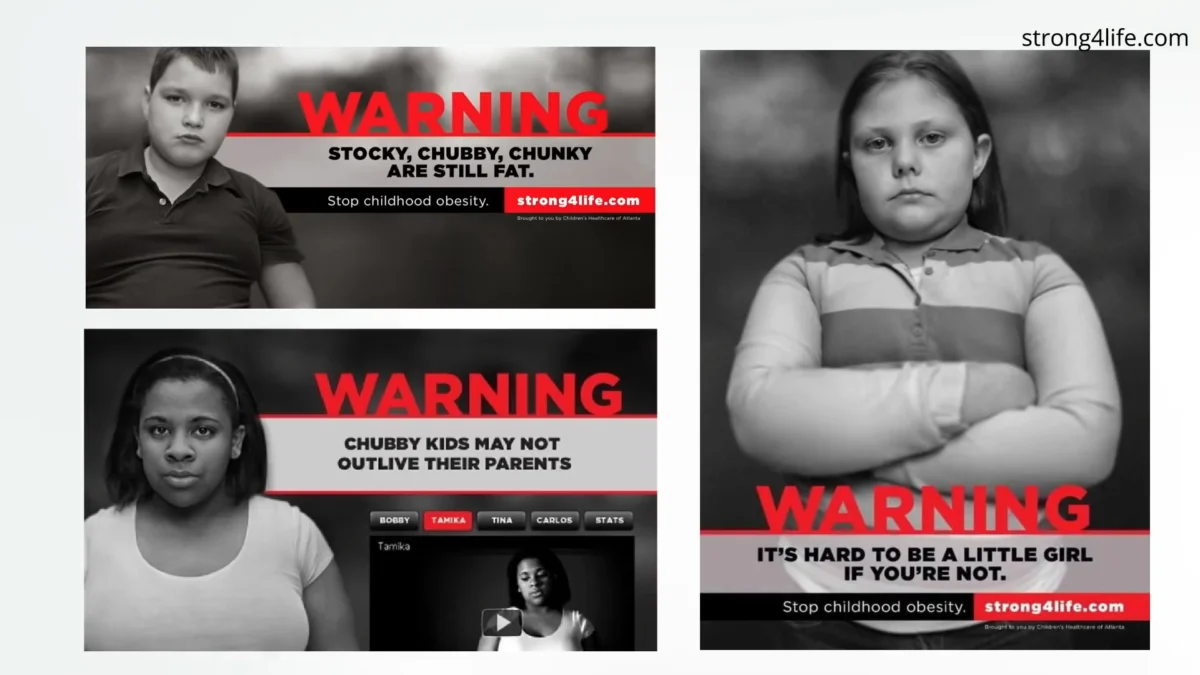
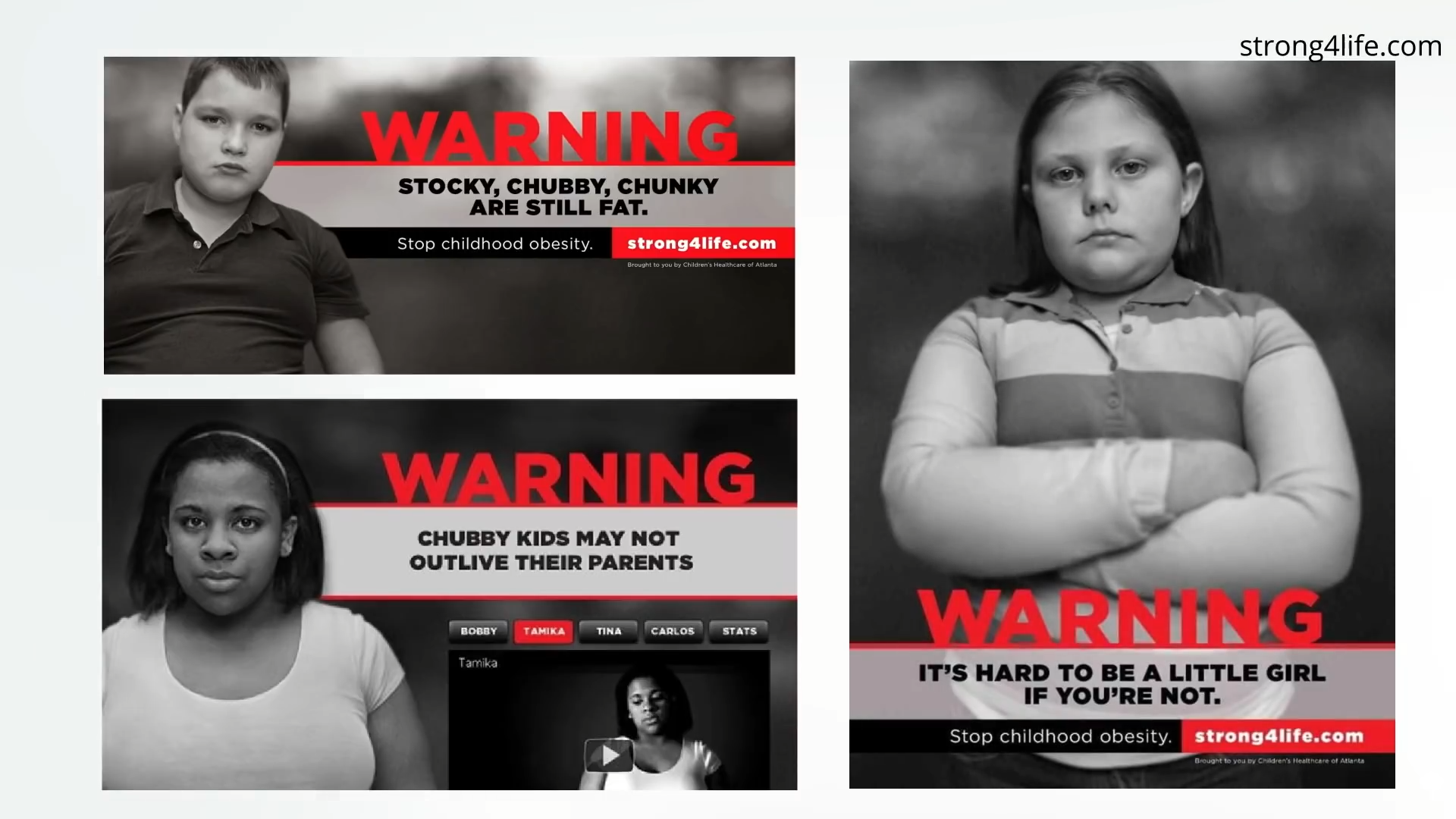
However, attempts to implement such campaigns have often been met with significant public resistance. The Georgia-based Strong4Life campaign, for instance, featured billboards with emotionally charged messages targeting obese children, such as "Warning: Chubby kids may not outlive their parents" and "It’s hard to be a little girl if you’re not." While campaign sponsors defended these ads as a necessary measure to break through denial in a state with high childhood obesity rates, their effectiveness remains a subject of debate.
Research from Yale University sheds further light on the counterproductive nature of stigma-driven interventions. In a study where normal-weight women were exposed to stigmatizing video clips, their snack intake did not significantly differ from those who watched neutral content. However, when overweight women viewed the same stigmatizing material, their calorie intake tripled. This suggests that rather than motivating weight loss, exposure to weight stigma can trigger overeating in individuals who are already overweight.
The researchers concluded that this finding directly challenges the notion that pressure to lose weight in the form of weight stigma has a positive, motivating effect on overweight individuals. Instead, it appears to exacerbate the problem. The study highlighted that being labeled "too fat" during childhood was associated with a higher risk of becoming obese later in life, even for children of the same initial weight who had not received such labels.
The Paradox of Physician Awareness and Patient Disclosure
Compounding the issue, there appears to be a widespread reluctance among healthcare professionals to address weight concerns with patients. Similar to veterinarians who may hesitate to inform pet owners about their animal’s obesity, fewer than a quarter of parents of overweight children report being told by pediatricians about their child’s weight status. This reluctance is further fueled by parents’ often inaccurate perception of their children’s weight, a phenomenon supported by Gallup surveys indicating parents are "notoriously poor judges of their children’s weight." The percentage of adults self-identifying as overweight has remained stagnant despite a dramatic rise in obesity rates, leading Gallup to conclude that there is a "mass delusion in the United States about its rising weight."
Despite this widespread avoidance, data suggests that being informed by a doctor about being overweight can be a catalyst for change. Individuals told by their physician that they are overweight are approximately four times more likely to attempt weight loss and twice as likely to succeed.
Furthermore, a correlation exists between physicians’ own weight and their willingness to address patient weight issues. Overweight physicians are less likely to discuss weight loss with their patients or even document obesity in medical charts. Ironically, overweight patients tend to trust diet advice from overweight doctors more than from their normal-weight counterparts.
The challenge lies in the practical limitations faced by primary care physicians. A significant portion of surveyed physicians reported providing little specific advice on weight management. Vague recommendations such as "watch what you eat" are unlikely to be effective, and many physicians may not even offer such general guidance. A common barrier cited by physicians is the lack of appropriate reimbursement for the time dedicated to weight management counseling. Some commentators have suggested that offering incentives for physicians to avoid blaming the victim could be a more constructive approach. As one pair of commentators aptly put it, "If shaming reduced obesity, there would be no fat people."
The Profound Personal Experience of Obesity: A Call for Empathy
To underscore the lived experience of individuals grappling with obesity, a particularly striking study interviewed men and women who had successfully lost and maintained over 100 pounds. These participants, having personally experienced morbid obesity and subsequently significant weight loss, offered invaluable insights.
When asked to choose between receiving a couple of million dollars to remain morbidly obese forever or remaining normal weight regardless of financial gain, an overwhelming majority chose the latter. Out of 47 participants, 46 immediately opted for normal weight without hesitation, and none chose the option that involved remaining morbidly obese even with significant financial reward.
The study then presented participants with a hypothetical choice between their current condition (obesity) and other disabilities. Typically, individuals tend to prefer their existing disability due to familiarity. However, the previously obese participants exhibited the opposite preference. Every single participant stated they would rather live with deafness, dyslexia, diabetes, severe acne, or heart disease for the rest of their lives than remain obese. More than 90% preferred a leg amputation, and a similar proportion would rather be legally blind than be obese.
This profound aversion to obesity, as compared to other serious health conditions, suggests it is the most universally undesirable handicap. One participant eloquently summarized the societal disparity: "When you’re blind, people want to help you. No one wants to help you when you’re fat." These findings serve as a powerful testament to the immense psychological and social burden of obesity, highlighting the urgent need for empathy and understanding from the medical community and society at large. The persistent cycle of stigma not only inflicts emotional distress but actively hinders efforts toward healthier lives, creating a public health crisis that demands a compassionate and evidence-based approach.

