

The human body’s intricate vascular system, particularly the arteries, plays a critical role in maintaining overall health and longevity. Scientific understanding increasingly points to the profound and immediate impact of dietary choices on arterial function. Emerging research, building upon decades of investigation, highlights how a single high-fat meal can trigger significant, albeit temporary, impairment of arterial function within mere hours of consumption. This phenomenon, linked to increased inflammation and oxidative stress, carries substantial implications for cardiovascular health, the leading cause of mortality worldwide, and even respiratory function.
Immediate Arterial Impairment Following High-Fat Consumption
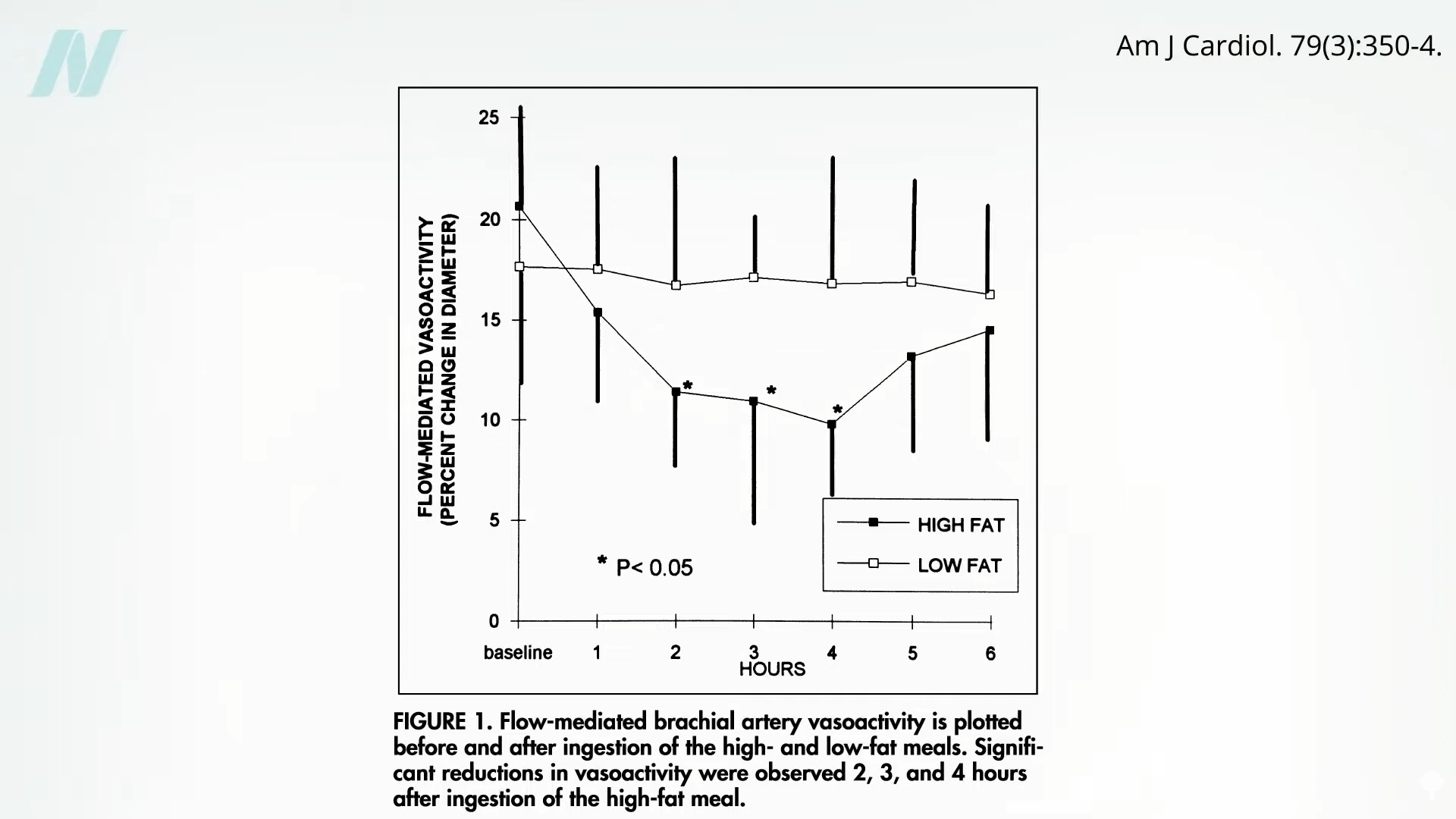
Landmark studies, first explored in research approximately a decade ago, have provided compelling evidence of the acute effects of dietary fat on arterial health. These investigations, often cited in public health discourse, have demonstrated a stark contrast between the physiological responses to high-fat versus low-fat meals. A pivotal study, referenced in the context of this research, examined the impact of a high-fat meal comprising McDonald’s Sausage and Egg McMuffins. Within hours of consuming this meal, researchers observed a notable decline in the endothelium’s ability to dilate, a key indicator of arterial health. The endothelium, the inner lining of blood vessels, plays a crucial role in regulating blood flow and preventing clot formation. Impairment of its function can compromise the body’s ability to respond effectively to physiological demands.

In stark contrast, a low-fat meal, in this specific study, consisted of Frosted Flakes, a carbohydrate-rich option. Consumption of this low-fat meal did not elicit the same adverse effects on arterial function. This observation suggests that the type of macronutrient consumed, particularly the high saturated fat content in the McMuffin, was the primary driver of the observed vascular dysfunction, rather than the carbohydrate component of the alternative meal. The implications of this finding are significant, as they underscore the potent and rapid impact of dietary fat on vascular health, independent of other dietary factors.
The study’s findings, initially presented in educational videos and widely disseminated, have been consistently supported by subsequent research. The rapid onset of these effects is particularly concerning given typical modern dietary patterns. Many individuals consume multiple meals throughout the day, often high in fat, meaning their arteries may be in a constant state of recovery or distress. This continuous assault on arterial function, researchers argue, contributes significantly to the high prevalence of cardiovascular diseases.
The Ripple Effect: Beyond Arterial Health to Respiratory Function
The detrimental effects of high-fat meals extend beyond the cardiovascular system to impact respiratory health. Research has indicated that acute dietary fat challenges can lead to inflammation in the airways and compromise the effectiveness of bronchodilators, medications used to open constricted airways. This finding is particularly relevant for individuals with respiratory conditions such as asthma.
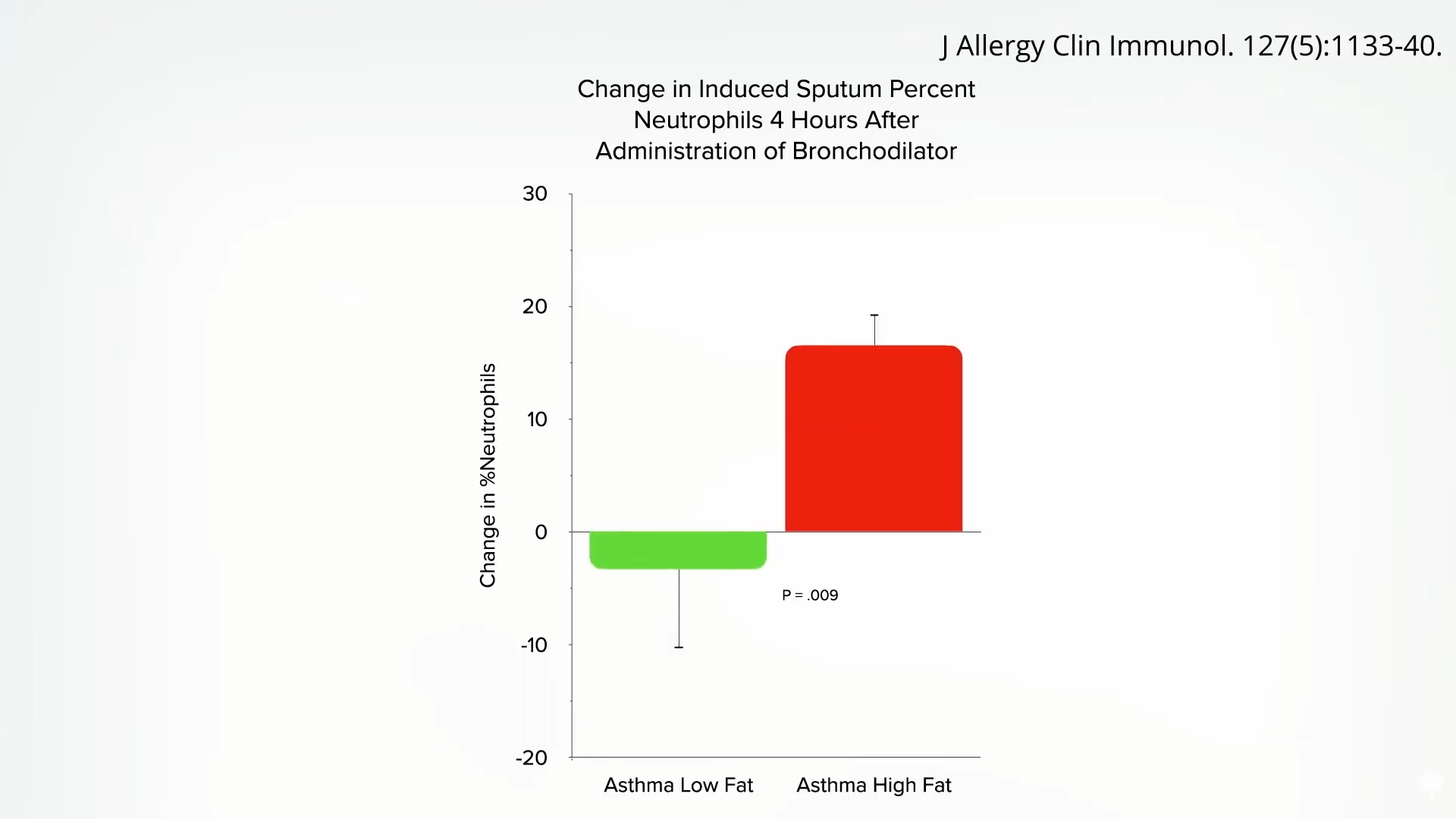
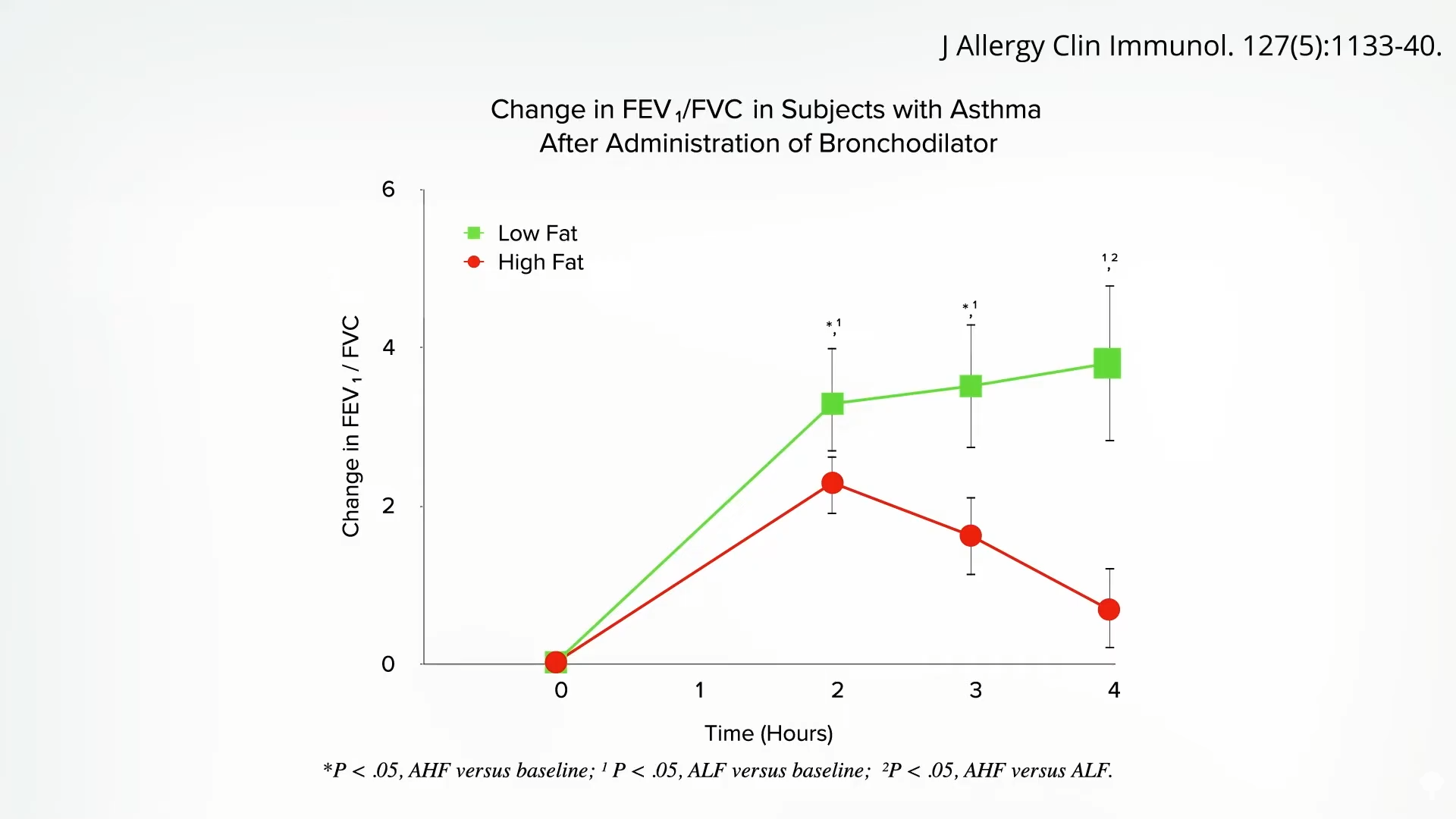
A study examining individuals with asthma revealed that consuming a high-fat meal led to an increase in inflammatory cells within the sputum coughed up from their lungs. This inflammatory response was observed within hours of ingestion. Furthermore, the effectiveness of bronchodilator medication was significantly reduced following the high-fat meal. While participants typically experienced effective airway opening with their inhalers after a low-fat meal, the same doses were less potent after the high-fat meal. This diminished response is attributed to the increased inflammation in the lung tissue, hindering the bronchodilators’ ability to counteract airway constriction.
Crucially, these findings are not limited to individuals with pre-existing respiratory conditions. Subsequent research has demonstrated that even individuals without asthma experience a similar spike in inflammatory cells in their sputum after consuming high-fat meals. One study specifically cited a Jimmy Dean’s Meat Lover’s breakfast bowl as the high-fat challenge. This suggests a broader impact of dietary fat on airway inflammation, even in healthy individuals.
Mechanisms of Inflammation: Endotoxins and Fat Itself
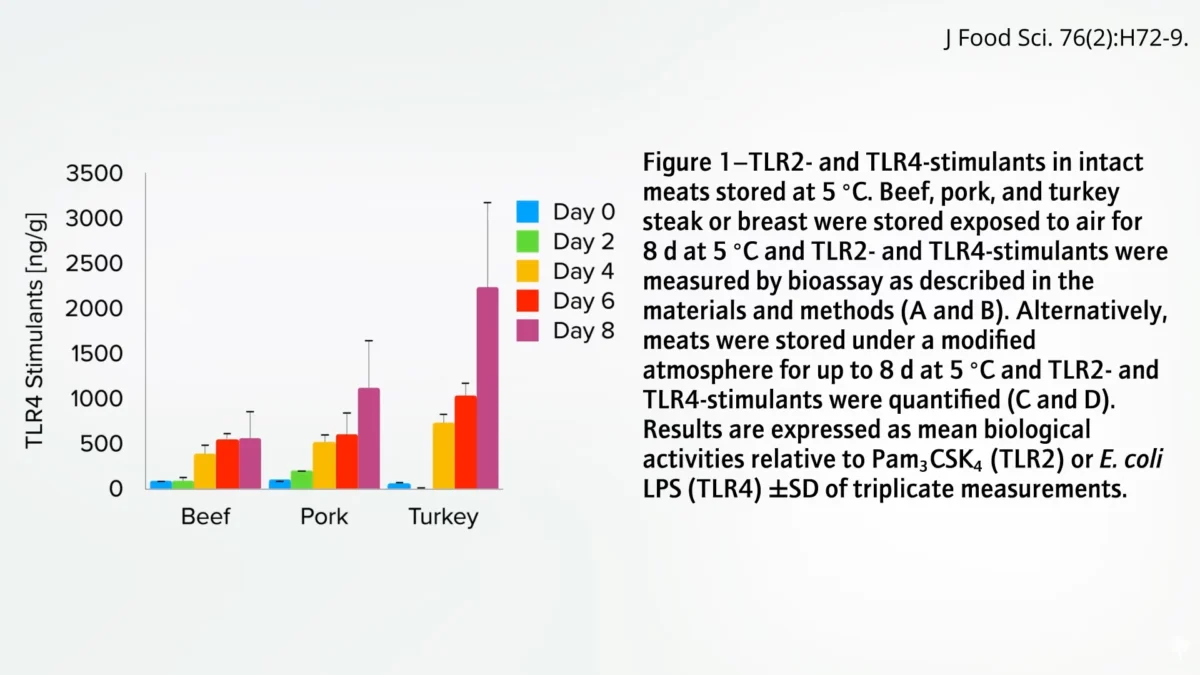
The precise mechanisms by which high-fat meals trigger inflammation are a subject of ongoing scientific inquiry. Initially, attention focused on endotoxins, components of bacterial cell walls that can be present in foods, particularly meats. Red and white meats, due to their bacterial content (both live and dead), can accumulate significant levels of endotoxins. When these endotoxins enter the bloodstream, they can provoke an inflammatory cascade. Studies have shown that consuming meals rich in meat, such as pizza, can lead to an increase in circulating endotoxins and pro-inflammatory oxidized LDL cholesterol. This oxidized LDL cholesterol is then taken up by white blood cells, contributing to the formation of foam cells. Foam cells are a hallmark of atherosclerotic plaques, the fatty deposits that build up in artery walls and can lead to heart attacks.
However, more recent research, including studies published in 2020, suggests that the primary culprit may not solely be endotoxins. This newer evidence points towards the fat itself, particularly saturated fat, as a more direct inducer of inflammation. The saturated fat circulating in the bloodstream after an unhealthy meal may directly trigger inflammatory pathways within the body. This nuanced understanding suggests a multi-faceted approach to understanding the adverse effects of high-fat diets, with both the presence of bacterial components and the inherent properties of dietary fats contributing to the inflammatory response.
Broader Public Health Implications and Future Directions
The cumulative evidence strongly suggests that the foods we consume have a profound and immediate impact on our internal physiological environment. The repeated consumption of high-fat meals, a common dietary pattern in many developed nations, creates a chronic inflammatory state that significantly elevates the risk of developing metabolic and cardiovascular diseases. Cardiovascular disease remains the leading cause of death globally, responsible for an estimated 17.9 million deaths per year, according to the World Health Organization. Understanding and mitigating the acute effects of dietary choices, such as the rapid arterial dysfunction triggered by high-fat meals, is therefore a critical public health imperative.
This body of research has also spurred further investigation into protective strategies. Recognizing the widespread concern surrounding saturated fat and fast food, a three-part series of educational resources has been developed to address these issues comprehensively. The first part, as detailed here, focuses on the immediate consequences of high-fat meals. The subsequent parts delve into "Exercising to Protect Your Arteries from Fast Food" and "Foods to Help Protect Your Arteries from Saturated Fat," offering actionable advice for mitigating these risks.
The implications of these findings extend to public health policy, dietary guidelines, and individual dietary choices. The rapid and measurable impact of a single meal underscores the importance of making informed food selections at every eating occasion. As research continues to illuminate the intricate relationship between diet and health, a greater emphasis on whole, plant-based foods and a reduction in the consumption of high-fat, processed foods is increasingly being advocated by health professionals worldwide. The ongoing debate surrounding dietary fats, including the re-evaluation of older studies on butter consumption, highlights the dynamic nature of nutritional science and the need for continued rigorous investigation. Ultimately, empowering individuals with knowledge about the immediate physiological consequences of their dietary choices is paramount in the collective effort to combat chronic diseases and promote long-term well-being.

