

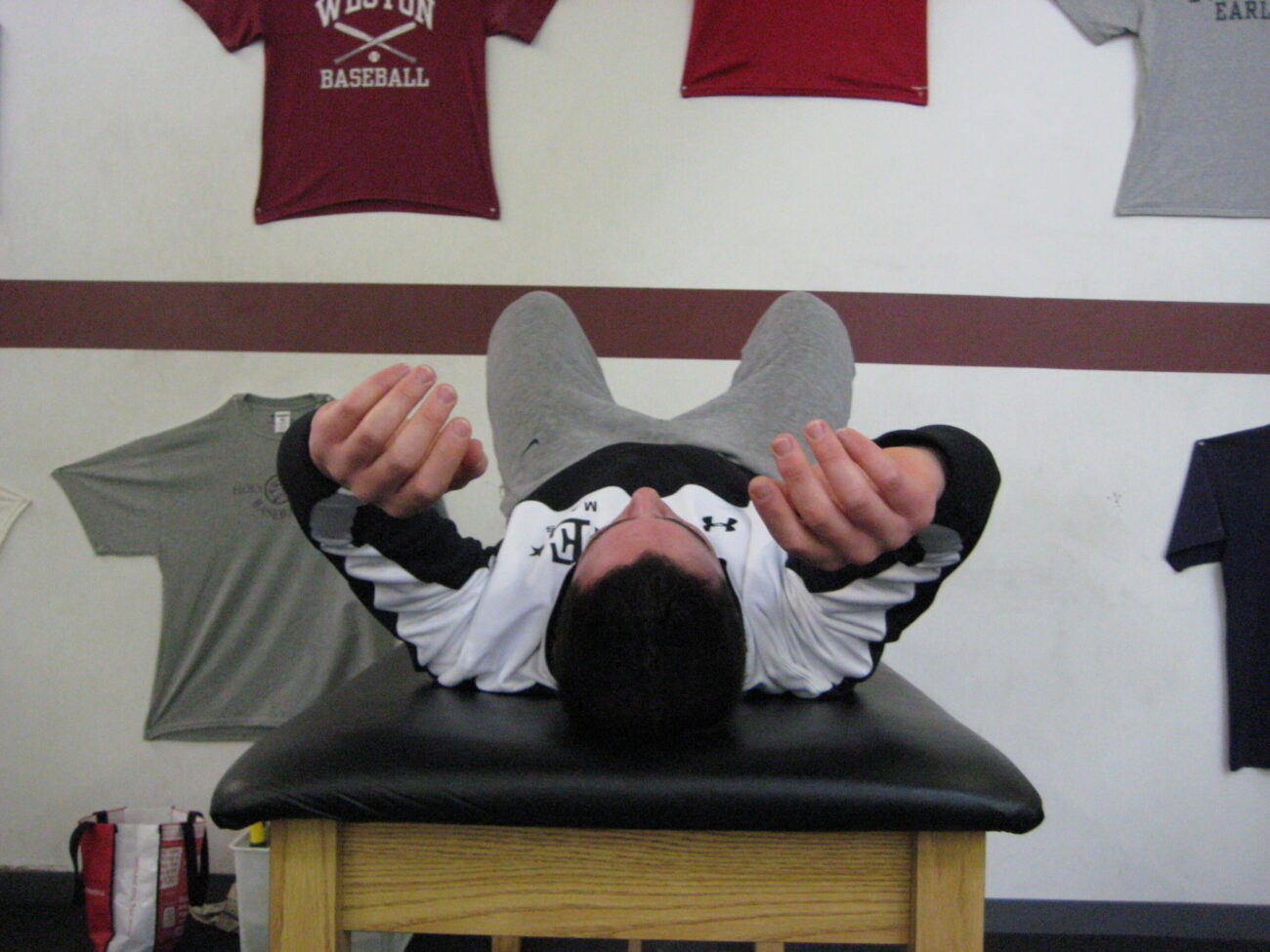
The integration of the test-retest methodology has emerged as a cornerstone of contemporary physical assessment, providing a systematic framework for fitness professionals to evaluate the immediate efficacy of corrective interventions. This approach, characterized by the assessment of a specific physical metric, the application of a targeted modality, and a subsequent follow-up assessment, serves as an objective validator for programming decisions. By moving away from generalized exercise prescriptions and toward individualized, feedback-driven protocols, strength coaches and physical therapists are better equipped to address musculoskeletal discrepancies, such as limited range of motion (ROM) or functional strength imbalances. The implementation of this cycle not only refines the technical accuracy of a training program but also establishes a measurable standard of progress that enhances the professional relationship between the practitioner and the client.
The Systematic Logic of the Test-Retest Framework
The fundamental objective of the test-retest model is to eliminate guesswork in the corrective exercise process. In a typical clinical or athletic setting, a practitioner begins by identifying a "dysfunction"—a movement pattern or physiological limitation that falls outside of the expected norm. Common examples include restricted shoulder flexion, limited hip internal rotation, or asymmetrical weight distribution during a squat. Once a baseline is established, a specific "corrective" drill or modality is introduced. This might range from manual therapy and self-myofascial release (SMR) to positional breathing or isometric loading.
The "retest" phase is the critical final step. By immediately reassessing the initial baseline, the professional can determine with statistical certainty whether the intervention produced a positive, neutral, or negative outcome. If the range of motion improves or pain diminishes, the intervention is deemed successful and integrated into the long-term program. If no change occurs, the practitioner must pivot to a different strategy, thereby preventing the waste of valuable training time on ineffective exercises. This iterative process mirrors the scientific method, ensuring that every movement included in a client’s regimen has a proven functional purpose.
Shoulder Flexion: A High-Priority Diagnostic Metric
Among the various screens utilized by fitness professionals, shoulder flexion stands as one of the most significant indicators of upper-body health and athletic performance. Shoulder flexion refers to the ability to lift the arms overhead in a sagittal plane, a movement required for a vast array of activities ranging from professional pitching and CrossFit training to the simple act of reaching for an item on a high shelf.
Data from the American Academy of Orthopaedic Surgeons suggests that shoulder pain is one of the most common musculoskeletal complaints, with millions of individuals seeking medical attention for impingement, rotator cuff issues, and general discomfort annually. For athletes, particularly those in overhead sports like baseball or volleyball, restricted shoulder flexion can lead to a "cascading failure" of the kinetic chain. If the humerus cannot move freely into elevation, the body often compensates by excessively extending the lumbar spine or altering scapular kinematics, which significantly increases the risk of injury in the lower back and elbows.
For the general population, particularly office workers who spend extended periods in a seated, kyphotic (rounded back) posture, shoulder flexion is frequently compromised. This restriction is often the result of "stiff" latissimus dorsi muscles or a lack of thoracic spine mobility. By prioritizing shoulder flexion in the initial assessment, coaches can identify these risks before they manifest as chronic injuries.
Strategic Interventions for Improved Humeral Elevation
When an assessment reveals a deficit in shoulder flexion, industry experts advocate for a multi-faceted approach to correction. Because every individual presents a unique physiological profile, practitioners often cycle through several "go-to" strategies to identify which stimulus elicits the greatest improvement during the retest.
1. Thoracic Spine Mobility and Positional Breathing
The ability to elevate the arm is inextricably linked to the position of the thorax. Individuals with an exaggerated thoracic kyphosis often find their shoulder blades "tucked" in a position that physically blocks the humerus from moving overhead. In these cases, drills such as the Bench T-Spine Extension or the Side Lying Windmill are employed to encourage extension and rotation of the upper back.
Furthermore, positional breathing drills, such as "All 4s Belly-Breathing," have gained prominence in the industry. These drills aim to "un-glue" the scapulae by encouraging 360-degree expansion of the ribcage. By using the diaphragm to alter the pressure within the thoracic cavity, practitioners can often see immediate improvements in shoulder ROM without any direct manual manipulation of the joint itself.

2. Scapular Kinematics and Motor Control
A common cause of shoulder discomfort is a lack of motor control regarding the scapula (shoulder blade). For the shoulder to function optimally during overhead movements, the scapula must be able to upwardly rotate, posteriorly tilt, and protract. Many individuals, particularly those focused on heavy resistance training, may have shoulder blades that are "fixed" in a retracted or depressed position.
To address this, drills like the 1-Arm Quadruped Protraction are utilized. This exercise teaches the client how to move the shoulder blade independently of the spine. Success in this area is often marked by an immediate reduction in "pinching" sensations during overhead movements, as the improved scapular positioning creates more space in the subacromial joint.
3. Soft Tissue Modulation and SMR
Self-myofascial release remains a staple of the corrective process. Targeting the latissimus dorsi and the teres minor—muscles that, when overactive, can pull the shoulder into internal rotation and depression—is a frequent intervention. The "Pin and Go" technique, involving the use of a lacrosse ball to apply pressure to the posterior shoulder while the arm moves through a range of motion, is designed to reduce neurological tension in the restricted tissues. When followed by a retest, this often reveals a significant increase in active flexion.
The Psychological and Economic Value of Mastery
Beyond the physiological benefits, the test-retest methodology serves a vital role in the business of fitness and rehabilitation. In a saturated market where "smoke-and-mirror" tactics and unverified supplements are common, the ability to provide immediate, tangible proof of an intervention’s efficacy is a powerful tool for building trust.
When a professional can demonstrate a significant reduction in pain or a visible increase in mobility within a single session, it validates their expertise. This "perceived mastery" addresses the client’s "pain centers"—both literal (physical discomfort) and figurative (frustration with a lack of progress). From a behavioral psychology perspective, showing a client a clear path of action backed by immediate results increases "buy-in," making them more likely to adhere to long-term training protocols and invest in professional services.
Industry Evolution and Expert Perspectives
The shift toward the test-retest model is supported by some of the most respected figures in the fields of sports medicine and strength and conditioning. Professionals such as Dr. Stuart McGill, a world-renowned expert in spine biomechanics, and Mike Reinold, a leader in physical therapy and performance training, have long advocated for assessment-based programming. Their work emphasizes that "corrective exercise" is not a separate category of training but rather an integral part of a comprehensive performance plan.
The consensus among these experts is that there is no "universal" corrective drill. A movement that helps one athlete might be counterproductive for another. This realization has led to a more nuanced understanding of the human body, where the coach acts as a "movement detective," using the test-retest cycle to uncover the specific needs of each individual. This evolution reflects a broader trend in the industry toward evidence-based practice and clinical accountability.
Broader Implications for the Fitness Industry
The widespread adoption of the test-retest protocol has significant implications for the future of the fitness industry. As the line between "rehabilitation" and "performance" continues to blur, the demand for highly skilled practitioners who can navigate both worlds is increasing. This methodology raises the barrier to entry for fitness professionals, requiring a deeper understanding of anatomy, biomechanics, and assessment technology.
Furthermore, the integration of objective testing may lead to better integration between fitness professionals and the broader healthcare system. When coaches can provide documented data on a client’s movement improvements, it facilitates better communication with doctors and physical therapists, leading to a more holistic approach to patient care.
In conclusion, the test-retest methodology is more than a simple coaching tip; it is a rigorous, scientific approach to human movement. By identifying limitations in critical areas like shoulder flexion and applying verified corrections, fitness professionals can ensure safer, more effective outcomes for their clients. Whether working with elite athletes or desk-bound professionals, the ability to test, intervene, and retest remains the gold standard for achieving sustainable physical improvement and professional excellence.

