

Understanding the diverse landscape of contemporary yoga practice is crucial for both seasoned practitioners and curious newcomers alike. The DoYou Global Yoga Survey, a comprehensive study involving ten thousand individuals from 124 different countries, offers invaluable insights into the styles most commonly embraced across the globe. This extensive data collection effort provides a clear snapshot of prevailing trends, shedding light on the evolving preferences and motivations within the international yoga community.
Background and Methodology of the DoYou Global Yoga Survey
Conducted by DoYou.com, a prominent online platform dedicated to yoga and wellness, the Global Yoga Survey was designed to map the preferences and practices of a wide demographic of yoga enthusiasts. Launched with the explicit goal of identifying key trends, the survey gathered responses from a truly international participant base, spanning continents and cultures. The participation of 10,000 individuals across 124 countries underscores the global reach and relevance of the findings, offering a statistically significant representation of the worldwide yoga community. By asking participants to identify their primary yoga style, the survey aimed to distill the vast array of practices into quantifiable preferences, providing a data-driven understanding of what resonates most with today’s yogis. The results serve as a vital resource for instructors, studio owners, and online platforms looking to tailor offerings to current demand, as well as for individuals seeking guidance on which style might best suit their personal goals.
The Evolving Global Landscape of Yoga
Yoga, an ancient practice originating in India, has transformed into a multifaceted global phenomenon. Its journey from spiritual discipline to mainstream fitness and wellness pursuit has been marked by continuous adaptation and diversification. In recent decades, the proliferation of studios, online platforms, and specialized training programs has significantly expanded access to yoga, making it accessible to millions worldwide. This growth has also led to the emergence of numerous distinct styles, each emphasizing different aspects of the practice—from vigorous physical exertion to deep meditative stillness. The DoYou Global Yoga Survey, conducted in this dynamic environment, provides a timely and authoritative benchmark for understanding which of these diverse expressions of yoga are currently dominating the global scene. The sheer volume of participants and the broad geographical representation highlight yoga’s universal appeal, transcending linguistic and cultural barriers to offer physical, mental, and spiritual benefits to a diverse global population.
Top Yoga Styles: A Detailed Overview of Global Preferences
The survey’s findings reveal a clear hierarchy of popularity, with certain styles commanding significantly larger followings. These preferences often reflect contemporary lifestyle demands, fitness trends, and the increasing emphasis on holistic well-being.
1. Vinyasa Flow (57% of Respondents)
Emerging as the undisputed leader, Vinyasa Flow was cited by a commanding 57% of respondents as their primary yoga style. This widespread popularity can be attributed to its dynamic and fluid nature, characterized by a seamless, breath-synchronized movement between poses. Vinyasa is an umbrella term encompassing various dynamic practices, including Power Yoga and Ashtanga, but when referred to broadly, it signifies a practice known for its flexibility and creative sequencing. Instructors often design Vinyasa classes to be adaptable to all levels of students, making it accessible while still providing a robust physical challenge. The vigorous nature of Vinyasa Flow effectively elevates the heart rate and warms the muscles, fulfilling the traditional expectation of a comprehensive exercise regimen. Its focus on physical exertion and immediate bodily benefits, coupled with a typically less overtly spiritual emphasis compared to some other styles, broadens its appeal to a diverse audience seeking a powerful and effective workout. The continuous movement also helps build endurance, strength, and flexibility, making it a holistic physical practice.
2. Hatha Yoga (42% of Respondents)
Securing the second position, Hatha Yoga was the preferred style for 42% of participants. Hatha, like Vinyasa, serves as a broad category, but it is typically characterized by a slower, more deliberate pace. Unlike the continuous flow of Vinyasa, Hatha yoga often involves holding individual poses for extended periods, allowing practitioners to deepen their understanding of alignment and breath within each posture. This methodical approach makes Hatha an excellent entry point for beginners, providing a foundational understanding of basic yoga poses and principles. It is also favored by those seeking a more leisurely practice centered on deep stretching, increased flexibility, and improved body awareness without the intensity of a faster-paced flow. The emphasis on sustained holds fosters patience and mental focus, contributing to both physical release and a sense of calm.
3. Restorative Yoga (29% of Respondents)
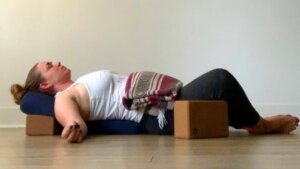
Restorative Yoga garnered significant favor, with 29% of respondents identifying it as their primary style. This practice is distinct in its focus on profound relaxation and passive stretching. Restorative sequences typically involve a limited number of gentle poses held for extended durations, often supported by an array of props such as bolsters, blankets, and blocks. These supports allow the body to fully release into the posture, promoting deep relaxation and facilitating the release of tension in muscles and connective tissues. Common poses include gentle forward folds, mild twists, and supported inversions, all designed to soothe the nervous system. Its profoundly calming effect makes Restorative Yoga an ideal practice for stress reduction, recovery, and as a pre-bedtime routine to improve sleep quality. The style highlights the therapeutic potential of yoga, emphasizing mental and emotional restoration alongside subtle physical benefits.
4. Power Yoga (29% of Respondents)
Sharing the 29% mark with Restorative Yoga, Power Yoga stands out as a more rigorous evolution of Vinyasa. While adhering to the fundamental tenets of Vinyasa, Power Yoga classes are intentionally designed to be more physically demanding. Instructors in Power Yoga often employ faster transitions between flows and poses, incorporate more advanced or challenging movements, and extend the hold times for certain postures to intensify strength building. This style is particularly appealing to individuals seeking a high-intensity workout that combines cardiovascular benefits with strength training and flexibility. Practitioners should anticipate a vigorous session that deeply engages core muscles and challenges physical limits, resulting in a profound sense of accomplishment and tangible physical improvements.
5. Ashtanga Yoga (25% of Respondents)
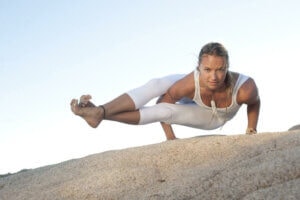
Ashtanga Yoga, a traditional and highly structured form of Vinyasa, was practiced by 25% of the survey respondents. Its defining characteristic is a prescribed series of poses, performed in the exact same order in every class, regardless of location or instructor. This consistent sequencing allows practitioners to internalize the flow, leading to a meditative experience through repetition and mastery. Ashtanga appeals strongly to those who thrive on routine, appreciate predictability, and are motivated by measurable progress. The rigorous nature of the practice, combined with its systematic progression, enables students to track their development over time, working towards specific goals within the established sequences. It fosters immense discipline, concentration, and physical strength.
6. Yin Yoga (17% of Respondents)
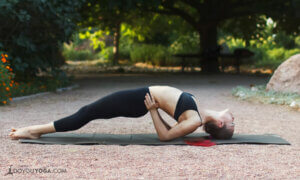
Receiving 17% of the responses, Yin Yoga presents a unique approach to deep tissue work and mental focus. Similar to Restorative Yoga in its use of long holds, Yin yoga distinguishes itself by targeting the deeper connective tissues of the body—ligaments, joints, bones, and fascia—rather than just muscles. Poses are typically held for three to five minutes, or even longer, with muscles relaxed to allow gravity and time to gently stretch and compress these deeper structures. This practice can be surprisingly challenging, demanding significant concentration and mental stillness to navigate the sensations that arise. Yin yoga is often seen as balancing the "yang" (dynamic, muscular) aspects of more active yoga styles, promoting joint health, increasing range of motion, and preventing injuries. It encourages introspection and a profound connection to the body’s subtle energies.
7. Bikram/Hot Yoga (10% of Respondents)
A niche but dedicated following of 10% of respondents reported practicing Bikram or Hot Yoga. Bikram Yoga is a highly regimented practice consisting of a prescribed sequence of 26 poses and two breathing exercises, performed in a heated room typically maintained at 35–42°C (95–108°F) with 40% humidity. The intense heat is believed to aid in detoxification, increase flexibility, and prevent injury. More generic Hot Yoga classes offer similar heated environments but with less strict sequencing, allowing for a broader range of Vinyasa flows and poses. Regardless of the specific style, adequate hydration is paramount for practitioners, requiring careful preparation at least a day in advance and diligent rehydration post-class to compensate for the significant fluid loss due to intense sweating.
8. Iyengar Yoga (8% of Respondents)
Rounding out the top styles, Iyengar Yoga was practiced by 8% of the survey participants. As a subset of Hatha Yoga, Iyengar places paramount importance on precision, alignment, and the meticulous timing of movement and breath. This style is renowned for its systematic approach to poses, often incorporating a wide array of props such as blocks, straps, blankets, and chairs to assist students in achieving correct alignment and deepening their understanding of each posture. The sequences in Iyengar yoga can be varied, but each pose is approached with intense focus on its structural integrity. This methodical approach makes it particularly beneficial for individuals recovering from injuries, those with specific physical limitations, or anyone seeking to develop a profound understanding of anatomical alignment and body mechanics.
Analysis of Trends and Implications
The findings of the DoYou Global Yoga Survey underscore several key trends shaping the contemporary yoga landscape. The dominance of dynamic, fitness-oriented styles like Vinyasa Flow, Power Yoga, and Ashtanga suggests a strong global preference for practices that offer a robust physical workout alongside traditional yoga benefits. This aligns with a broader societal emphasis on health, fitness, and tangible physical results.
However, the significant popularity of slower, more introspective styles such as Hatha, Restorative, and Yin Yoga highlights a concurrent need for stress relief, mental calm, and therapeutic benefits. In an increasingly fast-paced world, many practitioners turn to yoga not just for physical conditioning but also as a vital tool for managing anxiety, improving sleep, and fostering emotional well-being. This duality—the demand for both vigorous and deeply relaxing practices—speaks to the comprehensive nature of yoga’s appeal.
For yoga instructors and studio owners, these trends imply the necessity of offering a diverse range of classes to cater to varied student needs and preferences. Online platforms, in particular, can leverage this data to curate specialized programs and content that resonate with global audiences. The adaptability and inclusivity of styles like Vinyasa, which can be modified for all levels, further contribute to their broad appeal, making them accessible entry points for newcomers.

Statements from Related Parties
A spokesperson for DoYou.com commented on the survey’s profound implications: "The DoYou Global Yoga Survey provides an unprecedented look into the heart of the global yoga community. The insights gained from over 10,000 practitioners across 124 countries affirm that yoga is not just surviving but thriving and evolving. It’s clear that while many seek the physical challenge and fitness benefits of styles like Vinyasa, there’s also a significant and growing appreciation for the restorative and introspective aspects of practices such as Hatha, Restorative, and Yin. This data will be instrumental in guiding content creation and program development, ensuring we continue to meet the diverse needs of our worldwide audience."
Yoga experts have also weighed in, suggesting that these trends reflect a broader societal shift towards holistic wellness, where physical activity is increasingly integrated with mental and emotional care. "The data points to a sophisticated understanding among practitioners of what different yoga styles can offer," noted Dr. Anya Sharma, a renowned yoga therapist. "People are actively seeking practices that align with their specific goals, whether it’s building strength, finding calm, or healing. The accessibility of information about these styles has empowered individuals to make more informed choices about their practice."
Broader Impact and Future Outlook

The insights from the DoYou Global Yoga Survey are poised to significantly impact the future trajectory of yoga education, product development, and community building. Understanding global preferences allows for the creation of more targeted and effective yoga programs, both in physical studios and through digital platforms. It also encourages a deeper exploration into the pedagogical approaches that best serve these popular styles.
As yoga continues to evolve, this kind of data-driven analysis will be crucial for maintaining its relevance and accessibility. The "something for everyone" aspect of yoga is not just a cliché but a reality, confirmed by the diverse range of popular styles. The survey results reinforce the idea that yoga is a dynamic practice, continually adapting to the needs and aspirations of its global community, while staying true to its core principles of well-being and self-discovery.
Ultimately, the DoYou Global Yoga Survey serves as a testament to the enduring and expanding influence of yoga worldwide. It encourages practitioners to explore beyond their comfort zones, challenging preconceptions and fostering a deeper, more enriched personal practice. The journey of self-discovery through yoga is as diverse as the styles themselves, promising continuous learning and growth for all who embark upon it.

