

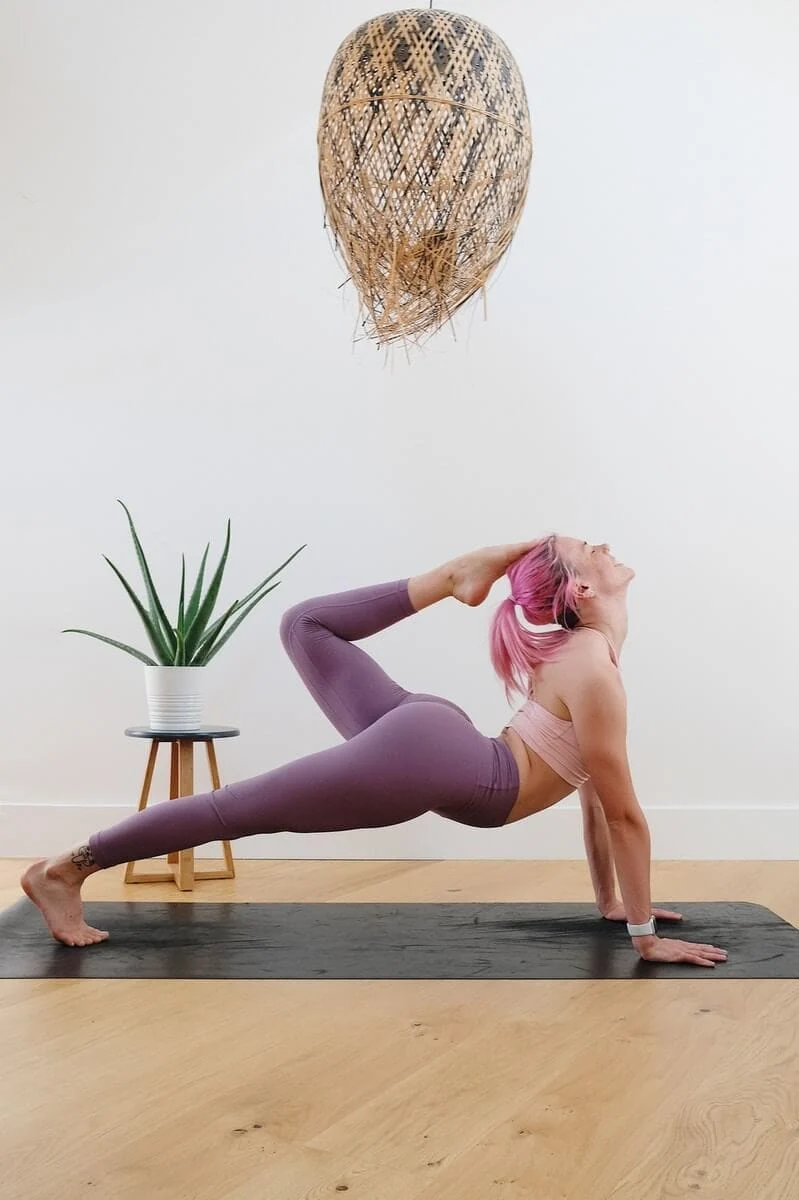
The DoYou Global Yoga Survey 2021, a comprehensive study encompassing over 10,000 respondents from 124 countries, has unveiled a significant and accelerating trend within the global yoga community: an overwhelming 85% of practitioners are now choosing to engage with yoga from the comfort of their homes. This profound shift, meticulously documented through the extensive survey, signals a transformative period for how yoga is perceived, accessed, and integrated into daily life worldwide, with convenience, affordability, privacy, and control emerging as the primary catalysts.
The Context: A Pandemic-Accelerated Paradigm Shift
The survey, conducted during the tumultuous period of the COVID-19 pandemic, provides crucial context for understanding this rapid evolution. With public events and gatherings severely restricted or entirely cancelled across the globe, traditional yoga studios faced unprecedented challenges, forcing many to temporarily close or pivot to online models. This environmental pressure undoubtedly acted as a powerful accelerant for a trend that was arguably already nascent: the increasing desire for accessible, flexible fitness solutions. While the specific numbers reported by the DoYou survey are likely amplified by the pandemic’s unique circumstances, they underscore a broader, more enduring transformation in consumer behavior towards at-home wellness. Prior to the pandemic, while online yoga resources existed, they were often supplementary to studio practice. The forced isolation cemented home practice as a primary mode, demonstrating its viability and numerous benefits to a vast new audience.
Key Drivers of the Home Practice Boom
The survey identified four dominant factors compelling practitioners to roll out their mats at home rather than in a studio setting:
Convenience: The Ultimate Time-Saver and Stress Reducer
The paramount reason cited by respondents for preferring home practice is convenience, with 71% of home practitioners emphasizing its appeal. In an increasingly fast-paced world, the prospect of navigating traffic, commuting, and adhering to fixed studio schedules can be a significant deterrent. Home practice eliminates these logistical hurdles entirely. It offers unparalleled flexibility, allowing individuals to practice at any time of day or night, fitting seamlessly into demanding work schedules, family commitments, or spontaneous bursts of energy. This means no more rushing to make a specific class time, no more battling peak-hour congestion, and no more changing out of work clothes only to change back again. The ability to practice in one’s preferred attire—whether it be pajamas, casual wear, or even in complete privacy—adds another layer of comfort and removes any potential pressure related to appearance often associated with public settings. This flexibility democratizes access, making yoga viable for individuals with irregular hours, caregiving responsibilities, or limited transportation options.
Affordability: Making Yoga Accessible to More
Financial considerations play a substantial role, with 46% of home practitioners citing affordability as a key motivator. Traditional yoga studio memberships can be a significant monthly expense, often coupled with additional costs such as transportation, specialized attire, and workshops. The proliferation of free online resources, particularly through platforms like YouTube, has revolutionized access to high-quality yoga instruction. Enthusiasts can find classes tailored to all levels, styles, and durations without spending a single penny. Beyond free content, subscription-based online platforms and apps offer vast libraries of classes at a fraction of the cost of studio memberships, often providing a wider variety of instructors and styles than a single local studio could offer. This economic accessibility removes a major barrier for many, allowing individuals from diverse socioeconomic backgrounds to engage with yoga, fostering a more inclusive global community. The investment in a yoga mat and perhaps a few basic props becomes a one-time cost, far less than recurring studio fees.
Privacy: Cultivating a Personal and Judgment-Free Space
For 33% of respondents, the privacy afforded by home practice is a crucial factor. The idea of practicing yoga in front of others can be intimidating, particularly for beginners or those who may feel self-conscious about their bodies, flexibility, or perceived lack of skill. The studio environment, while intended to be supportive, can inadvertently foster a sense of comparison or judgment for some. Practicing at home eliminates these anxieties, creating a safe, personal sanctuary where individuals can explore poses, stumble, and experiment without fear of observation or critique. This allows for a deeper, more introspective practice, free from external pressures. It also caters to individuals who prefer a quieter, more solitary experience, allowing them to focus solely on their breath and movement without the distractions of a group setting. This emphasis on personal space can be particularly empowering for those embarking on their yoga journey, enabling them to build confidence before potentially venturing into a studio environment.
Control: Tailoring the Practice to Individual Needs
Over 60% of individuals surveyed in the overall poll highlighted the instructor and atmosphere as critical to their enjoyment of a class. Home practice grants practitioners complete control over these elements. The ability to choose one’s instructor, whether a revered YouTube guru or a favorite online teacher, ensures a consistent and enjoyable experience. This level of personalization extends to every aspect of the practice: the style of yoga, the duration of the session, the intensity of the poses, the background music (or silence), and the ambient lighting. Practitioners can tailor their practice to their exact needs on any given day—whether it’s a gentle restorative flow after a stressful day, an energizing Vinyasa sequence in the morning, or a focused session on a particular pose. This autonomy empowers individuals to truly listen to their bodies and minds, adapting their practice to address specific physical conditions, energy levels, or emotional states, a level of customization often difficult to achieve in a group studio class.
Implications for the Yoga Industry and Beyond
The pronounced shift towards home practice carries significant implications for various stakeholders within the global yoga ecosystem.
Challenges for Traditional Yoga Studios
For brick-and-mortar yoga studios, the rise of home practice presents both challenges and opportunities. Many studios faced severe financial strain during the pandemic, with closures leading to lost revenue and increased operating costs for safety measures upon reopening. The sustained preference for home practice means studios must innovate to retain and attract clientele. This includes developing robust online offerings, creating hybrid membership models that combine in-person and virtual classes, and emphasizing the unique benefits that only a physical studio can provide: hands-on adjustments, direct personalized feedback, the tangible energy of a group, and a dedicated, distraction-free space. Studios may need to reposition themselves as community hubs, offering more than just classes, such as workshops, social events, and specialized programs that foster deeper connections.
Growth of Online Platforms and Digital Content
Conversely, online yoga platforms, apps, and individual instructors with strong digital presences have experienced exponential growth. This sector is likely to continue expanding, driving innovation in digital delivery, interactive features, and personalized programming. The market for high-quality online content is becoming increasingly competitive, pushing instructors and platforms to continuously enhance their offerings. This also creates new career paths for yoga teachers who can build global audiences without geographical limitations.
Role of the Yoga Instructor
The role of the yoga instructor is also evolving. While the demand for in-person guidance remains, there’s an increasing need for instructors to be proficient in delivering engaging and effective online classes. This requires different pedagogical skills, including clear verbal cues, effective camera presence, and an understanding of how to guide students safely without direct physical adjustments. The opportunity for instructors to build personal brands and reach wider audiences independently through digital channels is also expanding.
Equipment and Wellness Industry Impact
The surge in home practice has concurrently fueled demand for yoga equipment and related wellness products. Sales of yoga mats, blocks, straps, bolsters, and other props for home use have likely seen a significant uptick. This trend extends to home fitness equipment in general, integrating yoga into a broader home wellness ecosystem.
The Downsides of Exclusive Home Practice
While the advantages of home practice are clear, the DoYou survey also highlighted potential pitfalls that practitioners and the industry must address.
Increased Risk of Injury and Form Issues
One of the most significant concerns is the increased risk of injury when practicing without direct supervision. When a practitioner is finding a pose difficult, or holding it with incorrect form, it can be challenging to self-correct. Online instructors, while skilled, cannot provide the personalized, real-time feedback and adjustments that an in-person teacher can. This is particularly critical for beginners, those attempting advanced poses, or individuals with pre-existing injuries or conditions. Practicing incorrectly over time can lead to chronic issues or acute injury, diminishing the very health benefits yoga aims to provide. The nuanced alignment cues and hands-on assists from a trained professional are invaluable for safe and effective practice.
Lack of Personalized Feedback and Progression
Beyond injury prevention, the absence of personalized feedback can hinder a practitioner’s progress. An experienced instructor can identify individual strengths and weaknesses, suggest modifications, and guide students towards deeper understanding and more advanced techniques. Without this external perspective, practitioners may plateau or inadvertently reinforce habits that limit their growth. For individuals with specific therapeutic needs or physical limitations, the tailored guidance of a qualified instructor in a controlled environment is often indispensable.
Missing the Community Aspect and Shared Energy
Yoga, for many, is not just a physical practice but a communal experience. The "mood boost" from sharing energy with a group, the sense of camaraderie, and the social interaction inherent in a studio class are powerful motivators and contributors to mental well-being. Practicing exclusively at home can lead to feelings of isolation and a missed opportunity for connection, which is a core tenet of yoga philosophy (sangha, or community). The shared experience of breathing, moving, and meditating together can foster a unique sense of belonging and collective energy that is difficult to replicate in a solitary home setting.
The Hybrid Future: Blending the Best of Both Worlds
The survey’s insights, coupled with the evolving landscape of fitness and wellness, strongly suggest that the future of yoga lies in a hybrid approach. Many practitioners are already embracing a flexible model, seamlessly switching between home and studio practice based on their schedules, financial capacity, and specific needs.
Studios are increasingly recognizing the importance of creating welcoming, non-judgmental spaces that actively foster community and provide expert guidance. For those who have had less positive studio experiences, the advice remains to explore different studios, instructors, and class styles. Finding the right fit, a space that resonates and encourages growth, can transform the perception of in-person practice.
Ultimately, the goal of yoga is well-being, and both home and studio environments offer unique pathways to achieving this. The synergy between the two modes of practice allows individuals to leverage the convenience and control of home practice for daily consistency, while benefiting from the expert guidance, community, and immersive experience of a studio for deeper learning, progression, and social connection. This adaptability ensures that yoga remains accessible, relevant, and beneficial to a broader global population, evolving with the demands and innovations of the modern world.
The DoYou Global Yoga Survey 2021 provides a crucial snapshot of a pivotal moment in yoga’s history, highlighting not just a temporary response to a global crisis, but a significant and potentially lasting redefinition of how millions engage with this ancient practice. The trend towards home practice, while accelerated by external factors, is rooted in fundamental human desires for flexibility, affordability, privacy, and control, promising a dynamic and diversified future for yoga worldwide.

