

The quest for sweetness has led humanity through a complex evolutionary path of sweeteners, each generation presenting its own set of benefits and drawbacks. From the ubiquitous sugar and high fructose corn syrup, long recognized for their role in empty calories and contributing to a cascade of chronic diseases, to the advent of artificial sweeteners and the subsequent exploration of sugar alcohols, consumers and researchers alike have navigated a shifting terrain. Now, a new contender, allulose, a rare sugar, is emerging from the shadows, promising a novel approach to satisfying sweet cravings with potentially fewer adverse health impacts. However, as with any emerging food ingredient, a closer examination of the scientific evidence and potential implications is warranted.
The Historical Trajectory of Sweeteners: A Generational Overview
For centuries, sucrose, commonly known as table sugar, and its industrial counterpart, high fructose corn syrup (HFCS), dominated the global sweetener market. These intensely sweet substances, derived from sugarcane, sugar beets, and corn, offered an inexpensive and readily available way to enhance the palatability of food and beverages. However, their widespread consumption has been undeniably linked to significant public health challenges. Extensive research has established strong correlations between high intake of added sugars and increased risks of obesity, type 2 diabetes, dental caries, and metabolic syndrome. The "empty calories" they provide, devoid of essential nutrients, further exacerbate these concerns, contributing to weight gain without offering nutritional value.
The latter half of the 20th century saw the introduction of artificial sweeteners, often termed "second-generation sweeteners." Products like aspartame (NutraSweet), sucralose (Splenda), and saccharin (Sweet’N Low) offered a compelling alternative: intense sweetness with virtually zero calories. This breakthrough promised a solution for weight management and blood sugar control for individuals with diabetes. However, scientific scrutiny soon raised questions about their long-term safety and potential adverse effects. While regulatory bodies have generally deemed them safe within acceptable daily intake levels, ongoing research continues to explore their impact on gut microbiota, metabolic processes, and even appetite regulation, leading to a degree of public caution.
The "third-generation sweeteners" emerged in the form of sugar alcohols, such as sorbitol, xylitol, and erythritol. These polyols, found naturally in some fruits and vegetables, are significantly less caloric than sugar and are often used in sugar-free products. While generally recognized as safe, their primary limitation lies in their potential gastrointestinal side effects. Consumed in larger quantities, sugar alcohols can exert a laxative effect, leading to bloating, gas, and diarrhea for many individuals. Erythritol, a popular choice in recent years, has also come under recent scrutiny regarding potential cardiovascular risks, prompting further investigation and consumer vigilance.
Emergence of Allulose: A Rare Sugar with Promising Potential
Against this backdrop of evolving sweetener science, allulose has garnered considerable attention. Allulose is classified as a "rare sugar" due to its naturally occurring presence in extremely limited quantities in foods like figs, raisins, and wheat. Its unique molecular structure distinguishes it from common sugars, leading to distinct metabolic pathways within the human body. While naturally scarce, advancements in biotechnology, particularly enzymatic engineering utilizing genetically modified microorganisms, have enabled the large-scale commercial production of allulose, making it accessible for wider use in the food industry.
Allulose and its Impact on Body Composition: Early Findings
The prospect of a sweetener that could potentially aid in weight management while offering a satisfying sweet taste has fueled significant research interest. A notable study evaluated the effect of allulose supplementation on fat mass reduction in a cohort of over one hundred individuals. Participants were randomly assigned to receive either a placebo (containing sucralose), a moderate dose of allulose (4 grams twice daily), or a higher dose of allulose (7 grams twice daily) over a 12-week period. Crucially, the study maintained consistent physical activity levels and calorie intake across all groups. The findings revealed a statistically significant decrease in body fat mass in individuals receiving allulose, irrespective of the dosage. Notably, no significant adverse changes were observed in LDL cholesterol levels in either of the allulose intervention groups, a positive indicator for cardiovascular health.
Potential Anti-Diabetic Effects: A Closer Examination

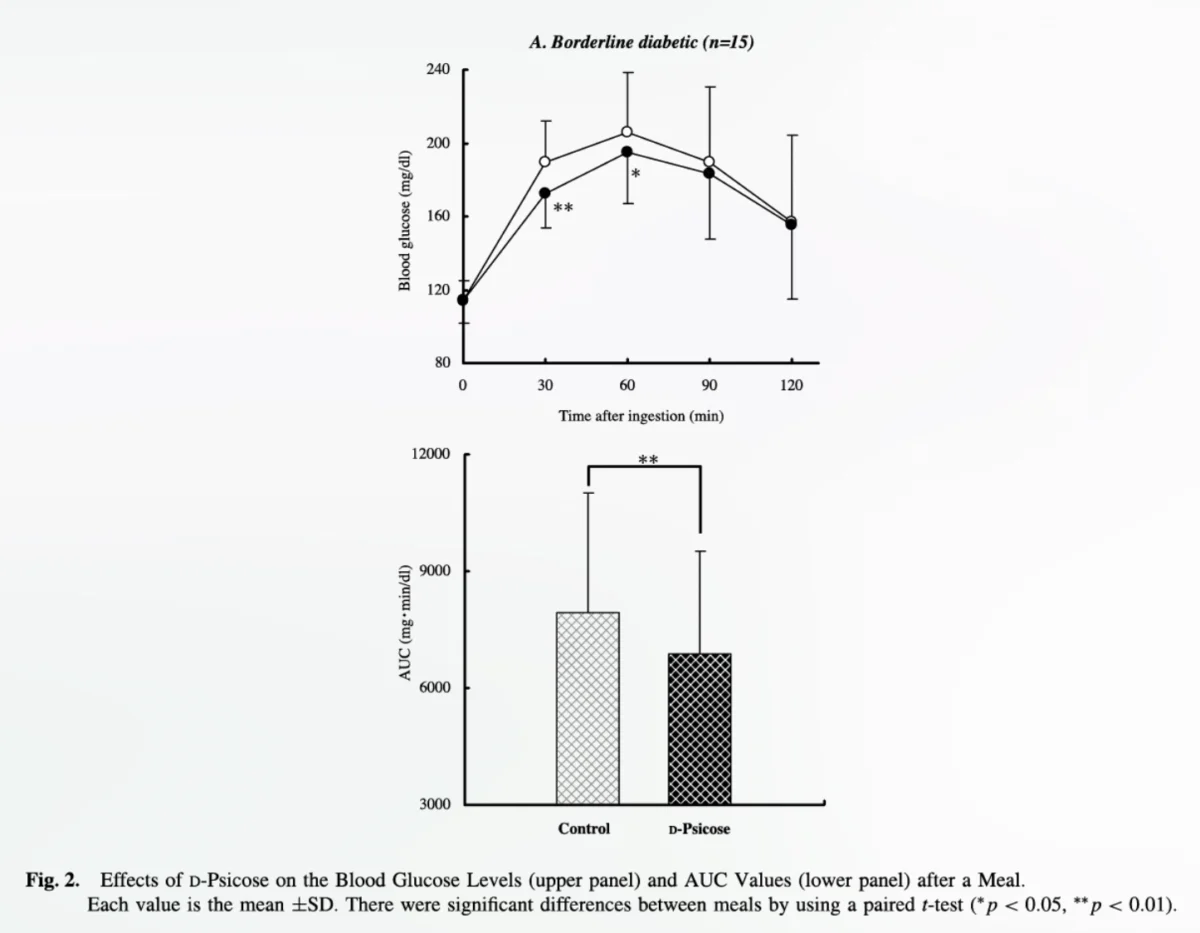
Beyond its potential role in weight management, allulose has also been investigated for its purported anti-diabetic properties. One randomized, double-blind, placebo-controlled crossover experiment examined the immediate impact of allulose on blood sugar levels in individuals with borderline diabetes. Participants consumed a cup of tea containing either a moderate amount of allulose (5 grams) or a placebo alongside a meal. The results indicated a significant reduction in blood glucose levels at both 30 and 60 minutes post-consumption, with levels approximately 15% lower compared to the control group. However, this effect was transient, diminishing beyond the first hour.
To assess the long-term safety and efficacy, a separate study randomized healthy individuals to consume a modest dose of allulose (5 grams) three times daily with meals for a period of 12 weeks. This longer-term investigation did not reveal any significant adverse side effects. However, it also failed to demonstrate any discernible impact on weight or overall blood sugar levels, suggesting that the effects observed in the acute study may not translate into sustained metabolic benefits. This mixed outcome in the realm of blood sugar control highlights the complexity of allulose’s physiological impact, with data on both body fat and glycemic responses appearing somewhat inconsistent.
Further research has explored allulose’s impact on blood sugar in different populations. One study on healthy participants found no significant effects on blood glucose levels within two hours of consumption. In contrast, a similar study involving individuals diagnosed with diabetes did observe some effects, although the clinical significance of these findings remains a subject of ongoing debate. A comprehensive systematic review and meta-analysis of controlled feeding trials indicated that while allulose may offer a borderline statistically significant acute benefit on blood sugar, the magnitude of this effect appears modest and inconsistent. This suggests that simply incorporating allulose into the diet may not be sufficient to achieve meaningful long-term improvements in blood sugar control, and dietary modifications, such as reducing intake of less healthy processed foods, might be equally, if not more, important.
Safety Profile and Tolerability: Understanding the Limits
From a dental health perspective, allulose presents a favorable profile. Unlike traditional sugars, it is not readily metabolized by oral bacteria that produce acid, thus not contributing to tooth decay or plaque buildup. Furthermore, as noted, even in individuals with diabetes, allulose has not been shown to significantly elevate blood sugar levels. It is generally considered a "relatively nontoxic" sugar, a designation that underscores its safety in moderate consumption.
However, understanding the upper limits of allulose consumption is crucial to avoid potential discomfort. Research aimed at identifying the maximum single dose for occasional intake involved administering beverages with gradually increasing concentrations of allulose to healthy adults. No severe gastrointestinal symptoms were reported until a dose of 0.4 grams per kilogram of body weight was reached, approximately equivalent to eight teaspoons for an average American adult. At a slightly higher dose of 0.5 grams per kilogram of body weight, or about ten teaspoons, symptoms of diarrhea were noted.
When considering daily intake spread throughout the day, a different threshold emerges. In one study, when participants reached approximately 17 teaspoons (1.0 g/kg bodyweight) per day, some individuals experienced significant nausea, abdominal pain, headaches, or diarrhea. These findings suggest that for most adults in the United States, a prudent approach would involve limiting single doses to around eight teaspoons (0.4 g/kg bodyweight) and not exceeding a total daily intake of approximately 18 teaspoons (0.9 g/kg bodyweight). Exceeding these limits may increase the likelihood of experiencing gastrointestinal distress.
The Verdict on Allulose: A Promising, Yet Unfolding, Story
The question of whether rare sugars like allulose represent a truly healthy alternative to traditional sweeteners is multifaceted. Considering the array of potentially beneficial effects observed in preliminary studies, particularly its low caloric content, lack of impact on blood sugar in many contexts, and favorable dental profile, allulose emerges as a compelling candidate. Toxicological studies have not revealed significant safety concerns within recommended intake levels.
However, it is imperative to acknowledge the current limitations in the scientific understanding of allulose. The body of high-quality human data, especially concerning long-term health outcomes and sustained metabolic benefits, remains relatively sparse. The "erythritol debacle," where a previously widely accepted sweetener faced unexpected scrutiny regarding its potential cardiovascular risks, serves as a potent reminder of the importance of rigorous and comprehensive long-term research before making definitive health recommendations.
Therefore, while allulose currently holds promise as a novel sweetener with a potentially favorable profile, it is perhaps too early to unequivocally declare it a universally "healthy" alternative. The scientific community continues to gather data, and consumers are encouraged to stay informed about evolving research findings and to approach all sweeteners, including allulose, with mindful consumption and in the context of an overall balanced and nutritious diet. The journey to understanding the full impact of allulose on human health is ongoing, and continued scientific inquiry will be essential in shaping its future role in our food supply.

