

The quest for sweetness has led humanity down a complex path, marked by the evolution of sweeteners from their most basic forms to highly engineered alternatives. For centuries, sugar and its close cousin, high fructose corn syrup, reigned supreme as the go-to sweetening agents. These ubiquitous ingredients, while readily available and inexpensive, have been increasingly linked to a cascade of health concerns. Their high caloric content, devoid of essential nutrients, has contributed significantly to the global epidemics of obesity, type 2 diabetes, dental caries, and metabolic syndrome. The scientific community has long sounded the alarm on the pervasive consumption of these caloric sweeteners, highlighting their role in chronic disease development.
The limitations and health implications of traditional sugars spurred the development of second-generation artificial sweeteners, such as aspartame (NutraSweet), sucralose (Splenda), and saccharin (Sweet ‘N Low). Introduced with the promise of delivering sweetness without the caloric burden, these compounds offered a seemingly attractive alternative for calorie-conscious consumers. However, their widespread adoption has been met with ongoing scientific scrutiny and debate. Emerging research has raised cautionary flags regarding potential adverse effects, prompting a deeper investigation into their long-term safety and metabolic impact. While generally recognized as safe by regulatory bodies at approved levels, the precise physiological responses and potential long-term consequences of consuming these non-nutritive sweeteners continue to be a subject of active research and public interest.
The pursuit of less problematic sweeteners continued with the advent of third-generation sugar alcohols, including sorbitol, xylitol, and erythritol. These compounds offer a reduced calorie profile compared to traditional sugars and are often found in sugar-free products. While generally better tolerated than some artificial sweeteners, sugar alcohols are not without their drawbacks. Many are known to exert laxative effects, particularly when consumed in larger quantities, due to their incomplete absorption in the digestive tract. Erythritol, once considered a particularly benign option due to its lower gastrointestinal impact compared to other sugar alcohols, has recently faced renewed scrutiny following studies suggesting potential links to cardiovascular events, prompting further investigation into its long-term safety. This evolving understanding underscores the dynamic nature of scientific inquiry and the need for continuous evaluation of even widely adopted food ingredients.
Amidst this evolving landscape, a new contender has emerged: allulose. Often referred to as a "rare sugar," allulose is a naturally occurring monosaccharide found in small quantities in certain fruits and grains like wheat, raisins, and figs. Historically, its scarcity in nature made large-scale commercial production unfeasible. However, recent technological advancements, particularly in enzymatic engineering utilizing genetically modified microorganisms, have enabled manufacturers to produce allulose in substantial quantities. This breakthrough has positioned allulose as a potential successor in the ongoing search for a sweetener that offers the taste of sugar with a more favorable health profile.
Allulose: A Closer Look at its Properties and Production
Allulose (psicose) is a C-3 epimer of fructose, meaning it differs from fructose by the configuration of a single hydroxyl group. This subtle molecular difference has profound implications for its metabolic fate in the human body. Unlike common sugars, allulose is primarily absorbed in the small intestine but is not effectively metabolized for energy. Instead, a significant portion is excreted unchanged in the urine. This limited absorption and lack of caloric utilization contribute to its low-calorie designation, often cited as approximately 0.4 calories per gram, a stark contrast to the 4 calories per gram of sucrose.
The production of allulose on an industrial scale typically involves the enzymatic conversion of fructose. This process often utilizes immobilized enzymes, such as glucose isomerase or specific fructose-converting enzymes, to transform fructose into allulose. The use of genetically modified microorganisms in the fermentation process is a key technological advancement that has allowed for efficient and cost-effective production, making allulose more accessible to consumers and food manufacturers. The Food and Drug Administration (FDA) in the United States has affirmed that allulose is generally recognized as safe (GRAS) for use in food, provided it is produced through approved methods.
Allulose and its Impact on Body Composition
Initial research into allulose has explored its potential role in weight management. A randomized controlled trial investigated the effects of allulose supplementation on fat mass reduction in a cohort of over one hundred individuals. Participants were assigned to one of three groups: a placebo group receiving a minimal amount of sucralose, a group receiving 4 grams of allulose twice daily, or a group receiving 7 grams of allulose twice daily. The study spanned 12 weeks, during which participants maintained their usual physical activity levels and caloric intake.
The findings from this study indicated a significant decrease in body fat mass among those who received allulose supplementation, irrespective of the dosage. Notably, there were no significant changes in physical activity or overall calorie consumption across the groups, suggesting that the observed fat reduction could be attributed, at least in part, to the allulose itself. However, it is important to note that the study did not report significant changes in LDL cholesterol levels in either of the allulose groups, leaving the broader cardiovascular implications of such fat loss to be further investigated. While promising, this finding warrants replication and further exploration to understand the precise mechanisms behind this observed effect and its long-term sustainability.
Investigating Allulose’s Potential Anti-Diabetic Effects
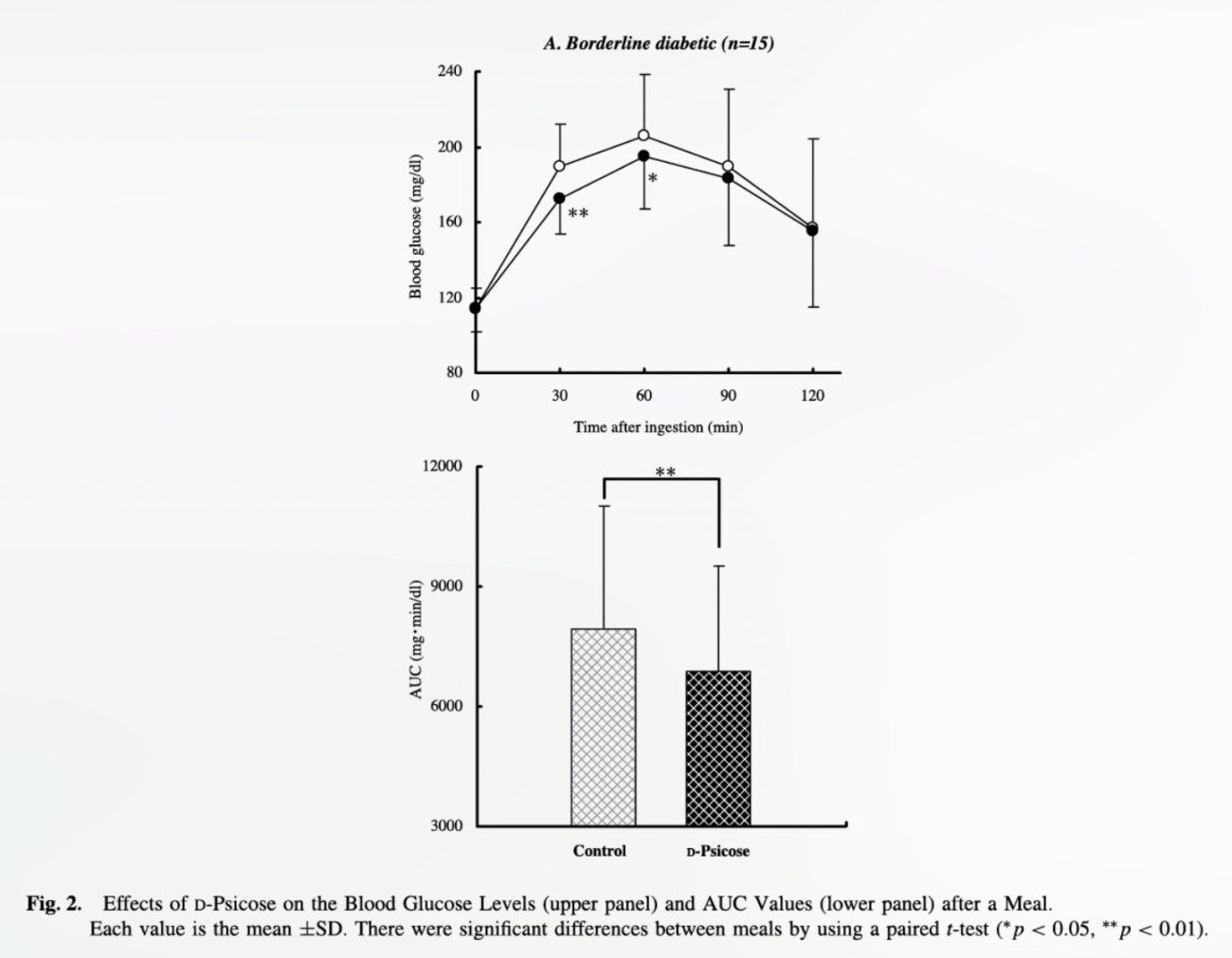
The metabolic implications of sweeteners are a primary concern, particularly for individuals managing or at risk of developing type 2 diabetes. Allulose has been investigated for its potential to influence blood glucose levels and improve glycemic control. A randomized, double-blind, placebo-controlled crossover experiment examined the acute effects of allulose on blood sugar levels in individuals with borderline diabetes. Participants consumed a cup of tea containing either 5 grams of allulose or a placebo with a meal.

The results showed a significant reduction in blood sugar levels approximately 30 and 60 minutes after consumption in the allulose group compared to the control. However, this reduction was modest, averaging about 15% lower, and the effect did not extend beyond the first hour. This suggests that while allulose might have a transient impact on post-meal glucose spikes, its efficacy in providing sustained glycemic control is limited.
To assess the long-term safety and effects of allulose, the same research team conducted a subsequent study. Healthy individuals were randomized to consume approximately 5 grams of allulose three times a day with meals for 12 weeks. In this study, no adverse side effects were reported. However, the supplementation also did not lead to any significant changes in weight or blood sugar levels over the 12-week period. This highlights a divergence in findings, with some studies suggesting potential benefits for body fat reduction while others show mixed or no significant effects on weight and glycemic control in healthy individuals.
Further research has explored the impact of allulose on blood sugar levels in different populations. One study involving healthy participants found no effects on blood sugar levels up to two hours post-consumption. Conversely, a similar study conducted on individuals with diabetes did report some positive effects. A comprehensive systematic review and meta-analysis of controlled feeding trials aimed to synthesize the existing evidence. This analysis concluded that the acute benefit of allulose on blood sugar levels was of "borderline significance." The review underscored the uncertainty regarding whether these small, inconsistent effects could translate into meaningful long-term improvements in blood sugar management. The authors suggested that simply adding allulose might not be sufficient, and dietary modifications, such as reducing consumption of processed junk food, may be crucial for achieving significant health benefits.
Safety Profile and Potential Side Effects of Allulose
A critical aspect of any food ingredient is its safety profile and the potential for adverse effects. Unlike traditional sugars, allulose has demonstrated a favorable impact on dental health. It is not metabolized by oral bacteria to produce the acids that contribute to tooth decay and plaque buildup. This makes it a potentially beneficial alternative for sugar-free confectionery and beverages aimed at preserving dental hygiene.
Furthermore, as mentioned earlier, allulose does not appear to significantly raise blood sugar levels, even in individuals with diabetes. Regulatory bodies have classified allulose as a "relatively nontoxic" sugar, a designation that reflects a generally positive safety assessment based on available toxicological data.
However, like many sugar substitutes, allulose can cause gastrointestinal discomfort if consumed in excessive amounts. Researchers have investigated the dose-response relationship for these effects to establish safe consumption limits. In one study, healthy adults were given beverages containing gradually increasing doses of allulose to identify the maximum single dose for occasional ingestion without severe adverse effects. No cases of severe gastrointestinal symptoms were reported until a dose of 0.4 grams per kilogram of body weight was reached. This dose is equivalent to approximately eight teaspoons for an average American adult.
More pronounced symptoms, specifically diarrhea, were noted at a dose of 0.5 grams per kilogram of body weight, approximately ten teaspoons. When considering daily intake distributed throughout the day in smaller doses, some participants experienced severe nausea, abdominal pain, headache, or diarrhea upon reaching around 17 teaspoons (1.0 g/kg bodyweight) per day. Based on these findings, it is generally recommended that most adults in the United States should aim to stay below single doses of approximately eight teaspoons (0.4 g/kg bodyweight) and not exceed a total daily intake of about 18 teaspoons (0.9 g/kg bodyweight). Exceeding these thresholds may increase the likelihood of experiencing gastrointestinal distress.
The Verdict on Allulose: A Promising Yet Developing Story
The emergence of allulose presents a compelling narrative in the ongoing search for healthier sweetening options. Considering its potentially beneficial effects on body fat reduction and its generally favorable safety profile, particularly regarding dental health and minimal impact on blood sugar, allulose is currently viewed by many as one of the most promising rare sugars. Its classification as "relatively nontoxic" in toxicological studies further bolsters this perspective.
However, it is crucial to temper enthusiasm with a realistic assessment of the current scientific landscape. The available human data, while growing, remains relatively limited. The long-term implications of regular allulose consumption, particularly in diverse populations and at varying intake levels, are not yet fully understood. The "erythritol debacle," where a once-favored sweetener faced unexpected safety concerns, serves as a pertinent reminder of the complexities involved in evaluating novel food ingredients. The scientific community emphasizes that it may be too early to definitively recommend rare sugars like allulose for widespread human consumption without further robust, long-term studies.
The broader implications of allulose’s introduction into the food supply are significant. As manufacturers increasingly incorporate it into a wide array of products, from beverages and baked goods to yogurts and confectionery, consumers will encounter it more frequently. This accessibility necessitates a continued focus on research and transparent communication regarding its benefits and limitations. The evolving understanding of allulose underscores the dynamic nature of nutritional science, where new discoveries can reshape our dietary recommendations and highlight the importance of a balanced approach to food choices, often emphasizing whole, unprocessed foods alongside the judicious use of novel ingredients. The journey from a rare sugar to a mainstream sweetener is a testament to innovation, but it is a journey that must be navigated with scientific rigor and a commitment to public health.

