

The quest for sweetness has led humanity through a fascinating evolution of sweeteners, from the ubiquitous and historically significant sugars to the chemically engineered alternatives of today. For centuries, sucrose, commonly known as table sugar, and its industrial cousin, high-fructose corn syrup (HFCS), have dominated the global palate. These caloric sweeteners, while providing readily available energy, have been increasingly implicated as major contributors to a spectrum of public health concerns. Their role in the escalating rates of obesity, the burgeoning epidemic of type 2 diabetes, the pervasive issue of dental cavities, and the widespread prevalence of metabolic syndrome is well-documented. The inherent "empty calorie" nature of these sweeteners, meaning they provide energy without significant nutritional value, has fueled a growing demand for alternatives.
This demand spurred the development of second-generation artificial sweeteners, such as aspartame (marketed as NutraSweet), sucralose (Splenda), and saccharin (Sweet’N Low). These compounds offered a significant advantage: they are virtually calorie-free, making them appealing for weight management and diabetic diets. However, their widespread adoption has not been without controversy. Emerging research and growing consumer apprehension have raised significant cautions regarding their potential adverse effects, prompting ongoing scientific scrutiny and regulatory review. While specific health outcomes remain a subject of extensive research, concerns have been voiced about their impact on gut microbiota, potential links to certain chronic diseases, and even neurological effects in some individuals.
The third generation of sweeteners, sugar alcohols like sorbitol, xylitol, and erythritol, emerged as another category aiming to bridge the gap between sweetness and reduced caloric impact. These compounds, naturally found in some fruits and vegetables, are partially absorbed and metabolized, resulting in fewer calories than sugar. While generally considered safe, they are not without their drawbacks. A common side effect, particularly with larger consumption, is their laxative effect, leading to digestive discomfort. More concerning, however, have been recent findings related to erythritol, with some studies suggesting potential links to cardiovascular events, sparking a new wave of caution around this once-favored sugar alcohol.
Against this backdrop of evolving sweetener science and ongoing health concerns, a new contender has emerged from the natural world: allulose. Often referred to as a "rare sugar," allulose is chemically similar to fructose but possesses a different molecular structure that significantly alters its metabolic fate in the human body. While naturally present in minute quantities in foods like wheat, figs, and raisins, the cost and scarcity of naturally occurring allulose limited its widespread use. However, recent advancements in biotechnology, particularly the use of enzymatic engineering with genetically modified microorganisms, have enabled manufacturers to produce allulose in substantial, commercially viable quantities. This technological leap has positioned allulose as a potentially promising alternative in the complex world of sweetening agents.
What Exactly Is Allulose?
Allulose, scientifically known as psicose, is a monosaccharide that exists in small amounts in nature. Its classification as a "rare sugar" stems from its limited natural abundance. The breakthrough in its commercial availability lies in sophisticated bioprocessing techniques. These methods, often employing enzymes derived from specially cultivated microorganisms, can efficiently convert abundant sugars like fructose or glucose into allulose. This allows for the production of a natural sugar with a taste profile remarkably similar to sucrose but with a significantly different physiological impact. Unlike traditional sugars, allulose is absorbed in the small intestine but largely excreted unmetabolized in the urine, meaning it contributes very few, if any, calories to the diet. This characteristic is central to its appeal as a low-calorie sweetener.
Allulose and Its Potential Impact on Weight Management
The prospect of a naturally occurring, low-calorie sweetener that could aid in weight management has generated considerable scientific interest. Researchers have actively investigated allulose’s effects on body composition, particularly fat mass reduction. One notable study, aiming to quantify these effects, involved a randomized controlled trial with over a hundred participants. These individuals were divided into groups receiving either a placebo (a minimal amount of sucralose), a moderate dose of allulose (4 grams twice daily), or a higher dose of allulose (7 grams twice daily) for a period of 12 weeks. Crucially, the study design ensured that participants maintained their usual physical activity levels and calorie intake, isolating the impact of allulose supplementation.
The findings from this research were noteworthy. Despite the absence of significant changes in lifestyle factors, participants who consumed allulose, particularly at the higher dosage, demonstrated a statistically significant decrease in body fat mass. This suggests that allulose may play a role in modulating fat metabolism or energy expenditure, leading to a reduction in stored body fat. While the study observed no significant adverse changes in LDL cholesterol levels in either of the allulose-consuming groups, indicating a potentially neutral effect on this cardiovascular risk marker, the primary focus on body fat reduction offered an encouraging glimpse into its potential for weight management strategies.
Exploring Allulose’s Role in Diabetes Management
Beyond its potential for weight loss, the implications of allulose for individuals managing diabetes or at risk of developing it are of significant interest. The primary concern for diabetics is the impact of ingested sugars on blood glucose levels. Allulose’s unique metabolic pathway, where it is poorly absorbed and not significantly metabolized, suggests it might offer a better glycemic response compared to traditional sugars.
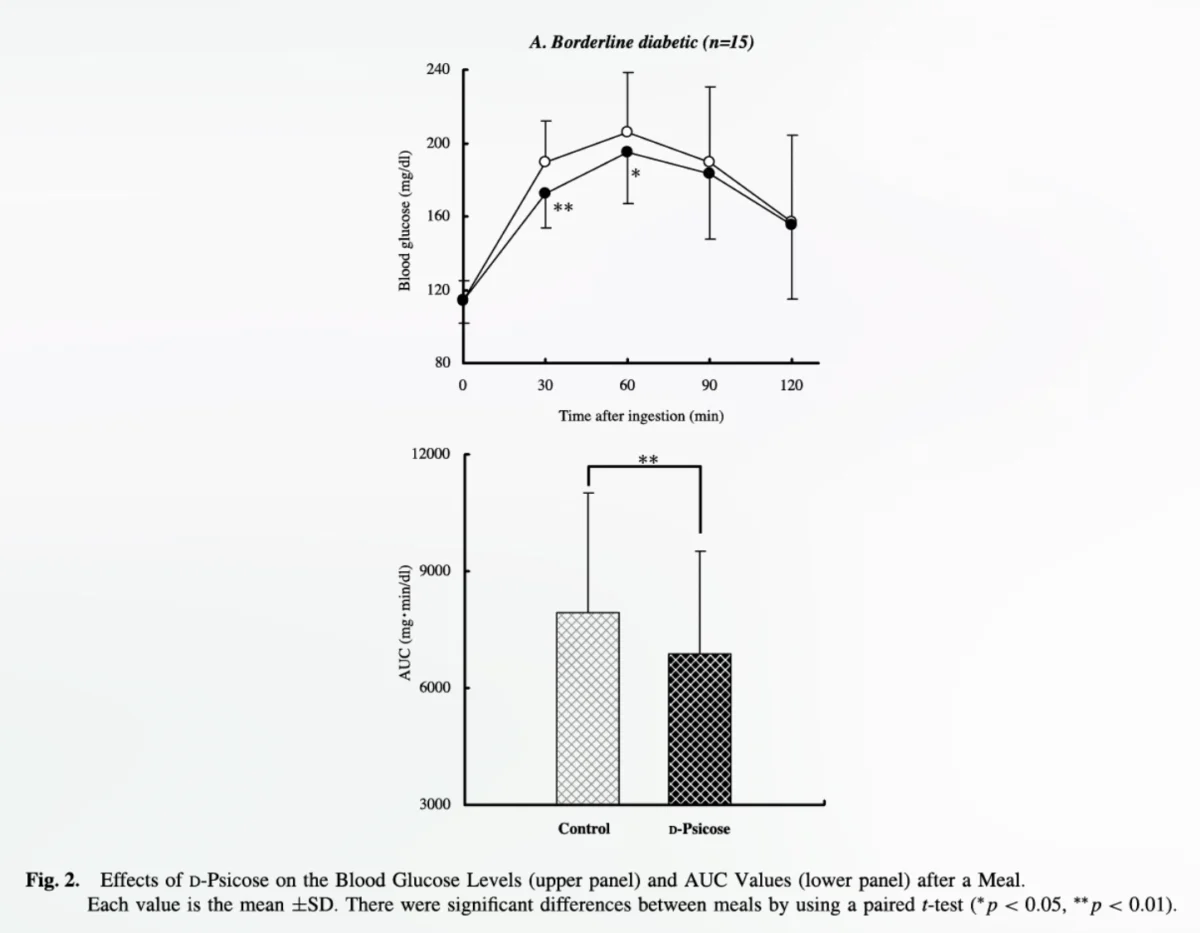
To investigate this, a randomized, double-blind, placebo-controlled crossover experiment was conducted. Participants diagnosed with borderline diabetes were given a cup of tea containing either a moderate amount of allulose (5 grams) or no allulose (a control) alongside their meals. The results indicated a significant reduction in blood sugar levels at both 30 and 60 minutes post-consumption compared to the control group. This reduction was approximately 15% lower. However, this effect was transient, not extending beyond the first hour after consumption. This suggests that while allulose might offer a short-term benefit in blunting post-meal blood sugar spikes, its impact on sustained glycemic control remains a subject for further exploration.

In parallel, the same research team also assessed the long-term safety of allulose. A separate group of healthy individuals was randomized to consume a slightly larger dose of allulose (5 grams) three times a day with meals for 12 weeks. This phase of the study revealed no apparent adverse side effects. However, it also did not show any significant improvements in weight or blood sugar levels within this healthy cohort. This highlights a crucial point: the observed effects on body fat and blood sugar appear to be nuanced and potentially dose-dependent, and the data remains mixed across different study populations and outcomes. The notion that simply adding allulose without altering overall dietary habits might be insufficient for significant health improvements is a critical consideration.
Further investigations have explored the acute effects of allulose on blood sugar in different populations. One study on healthy participants found no discernible impact on blood sugar levels within two hours of consumption. Conversely, a similar study involving individuals with diagnosed diabetes did observe some effects, underscoring the differential responses that can occur based on an individual’s metabolic status. A comprehensive systematic review and meta-analysis of controlled feeding trials examining allulose’s impact on blood glucose levels concluded that the acute benefits observed were of "borderline significance." This implies that while a slight positive trend might exist, its clinical relevance and potential to translate into meaningful long-term improvements in blood sugar control are still uncertain and likely require substantial dietary modifications alongside allulose consumption.
Safety Profile and Potential Side Effects of Allulose
The safety of any new food ingredient is paramount, and allulose has undergone scrutiny to establish its general safety profile. Unlike traditional table sugar, allulose has demonstrated a favorable impact on dental health. Scientific understanding suggests that cavity-causing bacteria in the mouth are unable to metabolize allulose effectively to produce the acids that contribute to enamel erosion and plaque formation. This makes it a potentially tooth-friendly alternative to sucrose.
Furthermore, as previously mentioned, allulose has shown a limited capacity to raise blood sugar levels, even in individuals with diabetes. Regulatory bodies and scientific reviews have generally classified allulose as a "relatively non-toxic" sugar. However, the definition of "relatively non-toxic" warrants a closer examination of its potential limitations and maximum tolerable intake levels.
Establishing Safe Consumption Limits for Allulose
To address concerns about potential adverse effects, researchers have conducted studies to identify the maximum tolerated doses of allulose. In one such study, healthy adults were administered beverages containing progressively higher doses of allulose to determine the threshold for occasional ingestion without severe gastrointestinal distress. The findings indicated that no severe gastrointestinal symptoms were reported until a dose of 0.4 grams per kilogram of body weight was reached. For an average American adult, this translates to approximately eight teaspoons.
However, at a slightly higher dose of 0.5 grams per kilogram of body weight, corresponding to about ten teaspoons, participants began to experience significant symptoms of diarrhea. When considering daily intake spread across multiple meals, the upper limit for safe consumption becomes more defined. In these scenarios, once participants approached around 17 teaspoons (equivalent to 1.0 gram per kilogram of body weight) consumed daily, some individuals reported severe nausea, abdominal pain, headaches, or diarrhea.
Based on these findings, a cautious approach to allulose consumption is recommended for most adults in the United States. It is advisable to limit single doses to approximately eight teaspoons (0.4 g/kg body weight) and to not exceed a total daily intake of roughly 18 teaspoons (0.9 g/kg body weight). Exceeding these thresholds increases the likelihood of experiencing unpleasant gastrointestinal side effects.
The Verdict on Allulose: A Promising Contender with Caveats
As the sweetener landscape continues to evolve, the question arises: are rare sugars like allulose a truly healthy alternative to traditional sweeteners? The potential benefits of allulose, including its low-calorie nature, positive effects on body fat reduction observed in some studies, and its favorable dental profile, coupled with a lack of significant adverse metabolic or toxicological findings to date, position it as a compelling option. Many consider it one of the most promising rare sugars currently available.
However, it is crucial to temper enthusiasm with scientific rigor. The current body of human data, particularly concerning long-term health outcomes, remains limited. The observed benefits, especially regarding blood sugar control, appear to be modest and inconsistent across studies. The "erythritol debacle," where a once-celebrated sugar alcohol later faced scrutiny for potential cardiovascular risks, serves as a cautionary tale. This precedent underscores the importance of extensive, long-term research before making definitive recommendations for widespread adoption.
Therefore, while allulose presents an intriguing and potentially beneficial alternative to conventional sweeteners, it is premature to declare it a universal panacea. Further robust, long-term human clinical trials are essential to fully understand its comprehensive health implications, optimal usage, and any potential cumulative effects. Until such data becomes available, a balanced perspective, emphasizing moderation and a holistic approach to diet and lifestyle, remains the most prudent course of action for consumers seeking healthier sweetening options. The journey towards understanding and utilizing allulose is ongoing, promising further insights into its role in shaping a healthier relationship with sweetness.

