

The burgeoning field of personalized nutrition, promising tailor-made dietary plans based on an individual’s unique biological makeup, is captivating public attention and driving significant commercial interest. While the concept of "one size does not fit all" resonates deeply with our innate desire for individuality and special attention, experts increasingly urge a critical examination of its current efficacy for the general population, advocating instead for a renewed emphasis on fundamental health behaviors. The allure of personalized nutrition is undeniable, fueled by sophisticated marketing and the promise of optimizing health through precise dietary interventions. However, a closer look reveals that for the majority, the foundational principles of healthy living remain paramount, often overshadowed by the high-tech appeal of genetic predisposition and bespoke dietary solutions.
The Appeal of Uniqueness: Understanding the Personalized Nutrition Movement
At its core, personalized nutrition (PN) is built on the premise that genetic variations, gut microbiome composition, lifestyle factors, and other individual characteristics dictate optimal dietary intake. This approach acknowledges that what is beneficial for one person may be neutral or even detrimental to another. This fundamental concept has been a powerful driver behind the development of new technologies and services, including direct-to-consumer genetic testing kits and the exploration of advanced food production methods like 3D food printing, which is presented as a prime candidate for food customization.
The appeal to consumers is multifaceted. Firstly, it taps into a widespread desire to feel unique and special, a psychological driver that marketing strategies effectively leverage. The idea that one’s diet can be precisely engineered for optimal outcomes, based on their specific genetic code or metabolic profile, is inherently attractive. This has led to a proliferation of companies offering advice, supplements, and even custom-blended foods, all marketed under the banner of personalized wellness.
Legitimate Differences: Where Personalization Holds True Value
It is crucial to acknowledge that genuine individual differences in nutritional needs and responses exist and have been scientifically validated. These are often rooted in clear biological realities. For instance, individuals with severe peanut allergies face life-threatening consequences from even minuscule exposure, necessitating strict avoidance. Similarly, those with celiac disease require a gluten-free diet due to an autoimmune reaction to wheat, barley, and rye. Lactose intolerance, a common genetic trait, particularly in certain ancestral populations, means individuals struggle to digest milk sugar without adverse gastrointestinal effects.
Beyond these well-established intolerabilities, more nuanced genetic variations can influence how the body processes nutrients and compounds. A notable example is the enzyme mutation common in some Asian populations that impacts alcohol metabolism. Individuals with this variant metabolize alcohol less efficiently, leading to a buildup of toxic byproducts, which offers a degree of protection against alcoholism but also contributes to unpleasant physiological reactions to even moderate alcohol consumption.
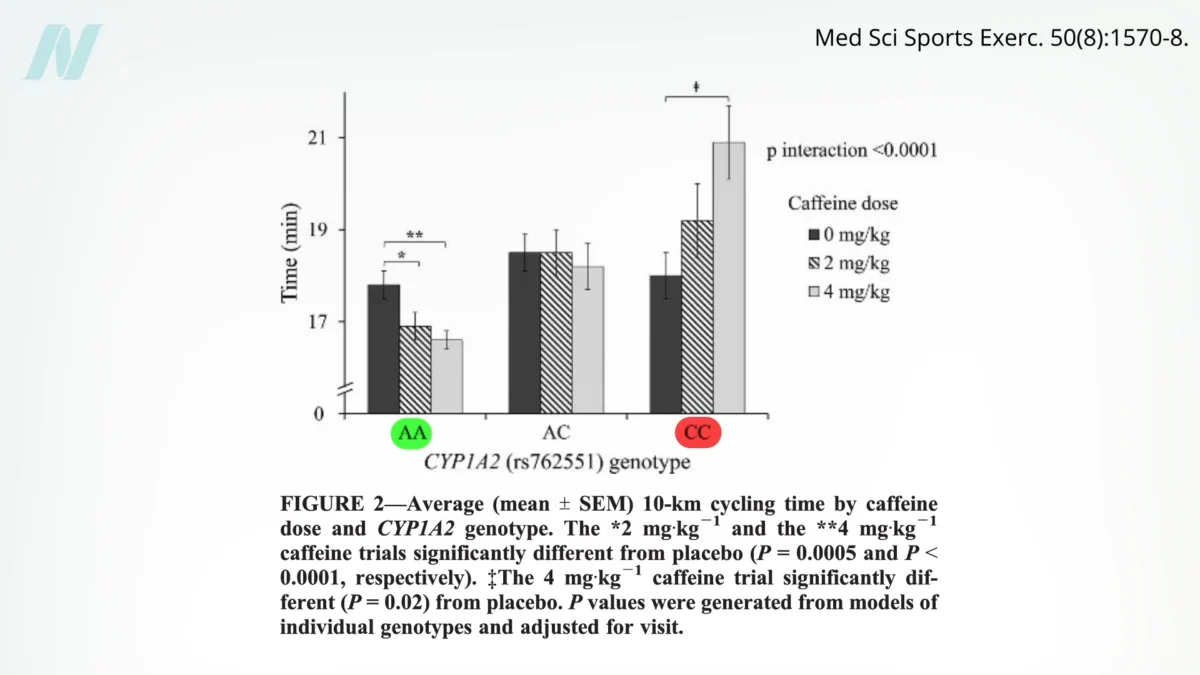
Research has also shed light on how genetic variations affect the metabolism of common substances like caffeine. Studies, including those presented in visual formats and video explainers, have demonstrated significant differences in how individuals metabolize caffeine. For "fast metabolizers," caffeine can be ergogenic, meaning it enhances athletic performance, potentially shaving off over a minute in cycling events. Conversely, "slow metabolizers" may experience no performance benefits or even a performance decrement, with caffeine actually slowing them down. These findings underscore that while a general recommendation for coffee consumption might exist, its actual impact on an individual’s health and performance can be highly variable.
The Broad Strokes of Health: Shared Vulnerabilities and Universal Principles
Despite these demonstrable individual differences, a significant body of scientific evidence suggests that for the vast majority of people, in most circumstances, humans are far more similar than different when it comes to fundamental nutritional requirements and health. The current landscape of personalized nutrition advice, particularly from direct-to-consumer genetic testing companies, is often characterized by a significant gap between commercial claims and scientific validation.
Many companies offer personalized nutrition advice based on genetic predispositions, often recommending specific supplements to "optimize" micronutrient status. However, research indicates that most genetic variants explain only a small fraction of the variation in nutrient levels between individuals. This means that while a genetic predisposition might exist, its practical impact on overall health is often minor compared to lifestyle factors.
Precision Medicine vs. Personalized Nutrition: A Conceptual Distinction
Personalized nutrition is often discussed within the broader context of personalized medicine, also known as precision medicine. This field aims to tailor medical treatment and prevention strategies to individual characteristics, including genetic makeup, environment, and lifestyle. There is a powerful "massive cultural allure" associated with personal control over one’s health, driving demand and intense commercialization in this area.
However, the complexity of human health presents significant challenges for realizing true precision medicine. Unlike monogenic diseases, which are caused by a single gene mutation (e.g., cystic fibrosis, Huntington’s disease), most common chronic diseases are polygenic, meaning they result from the complex interplay of numerous genes and a wide array of environmental and lifestyle factors. This intricate web makes it difficult to predict individual risk or design targeted interventions based on genetic information alone.

The Case of Height: A Genetic Puzzle with Limited Predictive Power
The study of adult stature serves as a compelling illustration of this complexity. Researchers have identified at least 40 chromosomal locations associated with human height, a trait strongly influenced by genetics. Parental genes account for approximately 80% of the variation in height between individuals. Yet, despite these extensive discoveries, the dozens of identified genes collectively explain only about 5% of the observed height variation between people. This discrepancy highlights that while genetics plays a role, the identified genetic markers have limited predictive power for an individual’s final height.
Genome-wide association studies (GWAS), the primary method used to identify these genetic links, scan entire genomes for statistical associations between diseases or traits and specific DNA sequences. While these studies are valuable for understanding broad genetic influences, companies marketing genetic susceptibility tests often reinterpret these findings as direct predictors of individual risk. In reality, these genetic associations often represent modest increases in risk, dwarfed by the impact of lifestyle behaviors. Consequently, the current practice of using DNA alone to predict disease risk has been widely assessed as providing "little to no useful information" for practical application in most cases.
The Enduring Primacy of Lifestyle: Foundational Health Behaviors
The critical takeaway from this analysis is that for most individuals, the advice provided by personalized nutrition approaches often converges on well-established, fundamental health recommendations. For example, a genetic analysis might suggest a slightly elevated risk for a particular condition. The recommended interventions typically include exercising regularly, maintaining a healthy weight, limiting alcohol consumption, and consuming a diet rich in fruits, vegetables, and whole grains.
These are not novel revelations; they are foundational pillars of public health that have been consistently advocated for decades. The challenge, as noted by researchers and public health experts, is not a lack of knowledge regarding what constitutes a healthy lifestyle, but rather the widespread failure to implement these basic principles. Nationwide surveys consistently reveal that a vast majority of the population in countries like the United States consumes diets that fall short of even the most modest recommended guidelines. The stark reality is that "nearly everyone in the United States consumes a diet that’s not on par with even the wimpy recommendations of the Dietary Guidelines."
This observation leads to a crucial conclusion: focusing on personalizing preventive strategies based on genetic risk information, when fundamental lifestyle behaviors are so poorly adhered to, borders on the absurd. The most impactful interventions for improving public health and individual well-being remain rooted in promoting and facilitating adherence to basic, evidence-based healthy habits.
Commercialization and the Erosion of Common Sense
The surge in direct-to-consumer genetic testing and personalized nutrition services is not solely driven by scientific advancement; it is also a product of significant commercialization. Companies are investing heavily in marketing these services, often capitalizing on the public’s desire for a quick fix or a cutting-edge solution to health concerns. This commercial push can sometimes overshadow the need for rigorous scientific validation and may lead consumers to place undue faith in genetic predispositions over established lifestyle advice.
The implications are significant. If individuals are led to believe that their genetic makeup dictates their health outcomes and that only highly personalized, often expensive, interventions can address their needs, they may neglect the power of accessible and universally beneficial lifestyle changes. This could exacerbate health disparities, as those who can afford personalized services may feel they are receiving superior care, while others are left with the same fundamental advice they have always been given, but with less motivation to follow it.
The Path Forward: Re-emphasizing Personal Responsibility and Foundational Health
While the potential for future advancements in personalized nutrition and medicine is undeniable, the current focus for most individuals should remain on personal responsibility and the adoption of evidence-based healthy lifestyle behaviors. This includes:
- Balanced Diet: Prioritizing whole, unprocessed foods, including a wide variety of fruits, vegetables, whole grains, and lean proteins.
- Regular Physical Activity: Engaging in consistent exercise that combines cardiovascular, strength, and flexibility training.
- Adequate Sleep: Ensuring sufficient, quality sleep for physical and mental restoration.
- Stress Management: Developing effective strategies to cope with stress.
- Mindful Consumption: Being aware of alcohol intake and avoiding tobacco products.
These foundational principles, while seemingly simple, are the most potent tools available for preventing chronic diseases and promoting long-term well-being. Until personalized nutrition can demonstrate clear, superior benefits over these established practices for the general population, the emphasis must remain on making these universal health strategies accessible, understandable, and achievable for everyone. The allure of the bespoke should not distract from the enduring power of the fundamental.
Doctor’s Note: A Deeper Dive into Individual Responses
As mentioned earlier, the impact of substances like caffeine can vary significantly based on individual genetics. For those interested in understanding these nuances further, a video exploring the differences in caffeine metabolism and its effect on athletic performance provides a clear illustration. This exploration highlights how even common dietary components can elicit diverse responses, underscoring the complexity of individual physiology. The video, "Friday Favorites: Do the Health Benefits of Coffee Apply to Everyone?", available through NutritionFacts.org, offers a valuable perspective on this topic.
For further exploration of lifestyle-based approaches to health and well-being, related articles and resources are available below. These often delve into the practical application of evidence-based strategies that empower individuals to take control of their health through informed choices and consistent action.

