

The common white potato, a dietary staple for many, presents a complex nutritional profile, offering valuable vitamins and minerals but also posing a challenge due to its inherently high glycemic index. This characteristic has raised concerns within the scientific and medical communities, as foods with a high glycemic impact can contribute to elevated blood sugar levels, a known risk factor for the development of type 2 diabetes. Understanding and mitigating this impact is crucial for public health initiatives aimed at preventing chronic diseases.
Understanding the Glycemic Response
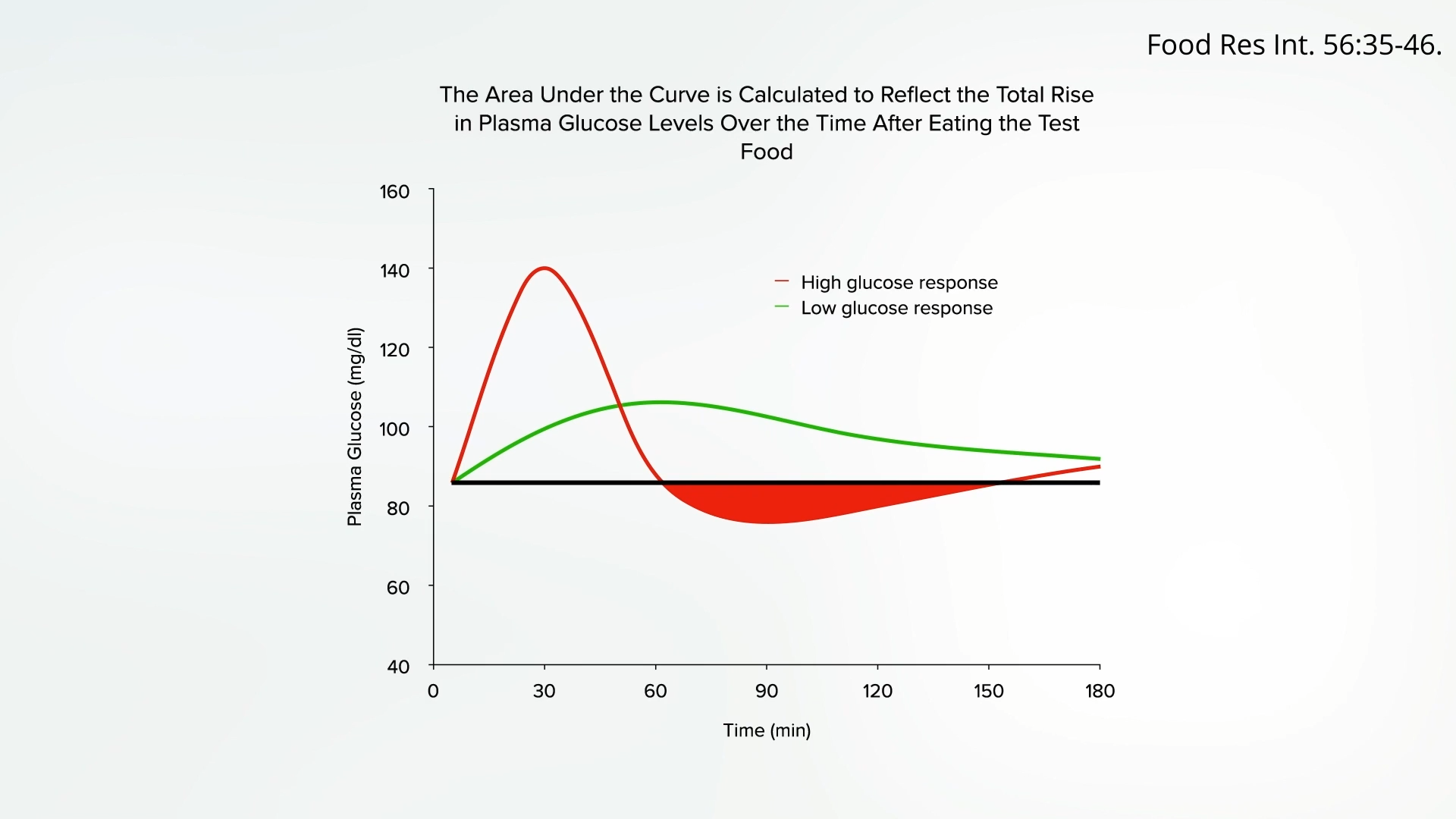
Following a meal, the body ideally experiences a gentle, natural rise and subsequent fall in blood sugar levels. However, when high glycemic index foods like white potatoes are consumed, they can trigger an exaggerated blood sugar spike. This surge prompts the pancreas to release a larger-than-normal amount of insulin in an attempt to rapidly lower blood glucose. This overcompensation can, in turn, lead to a subsequent drop in blood sugar that is lower than the initial fasting level. This seesaw effect has been linked to adverse metabolic consequences, including an increase in triglyceride fats in the blood, which is a marker for cardiovascular risk.

While the glycemic impact of white potatoes is a significant consideration, it is important to acknowledge their nutritional contributions. Potatoes are a good source of vitamin C, potassium, and various polyphenols. These compounds possess antioxidant and anti-inflammatory properties, which may, to some extent, counterbalance the negative effects of their carbohydrate load. This nuanced nutritional profile may also help explain why potatoes, unlike some other highly processed carbohydrate sources, have been observed to have a neutral effect on lifespan, whereas other whole plant foods are associated with actively promoting longevity.
Strategies for Glycemic Index Reduction
Recent research and analysis have explored various methods to reduce the glycemic impact of white potatoes, moving beyond simply acknowledging their inherent properties. One significant finding, previously discussed in related analyses, involves the effect of chilling cooked potatoes. This simple step can dramatically lower the glycemic index, even if the potatoes are subsequently reheated. This phenomenon is attributed to the conversion of digestible starch into resistant starch during the cooling process, which is not readily broken down by digestive enzymes and thus has a less pronounced effect on blood sugar.
However, the search for more immediate and accessible interventions has led to the investigation of incorporating other foods into potato-based meals. A notable discovery involves the addition of cruciferous vegetables, specifically broccoli. Studies have indicated that consuming even two servings of cooked broccoli alongside mashed potatoes can significantly reduce the immediate insulin demand by nearly 40%. This effect is attributed to the fiber and phytonutrients present in broccoli, which can slow down the digestion and absorption of carbohydrates from the potatoes.
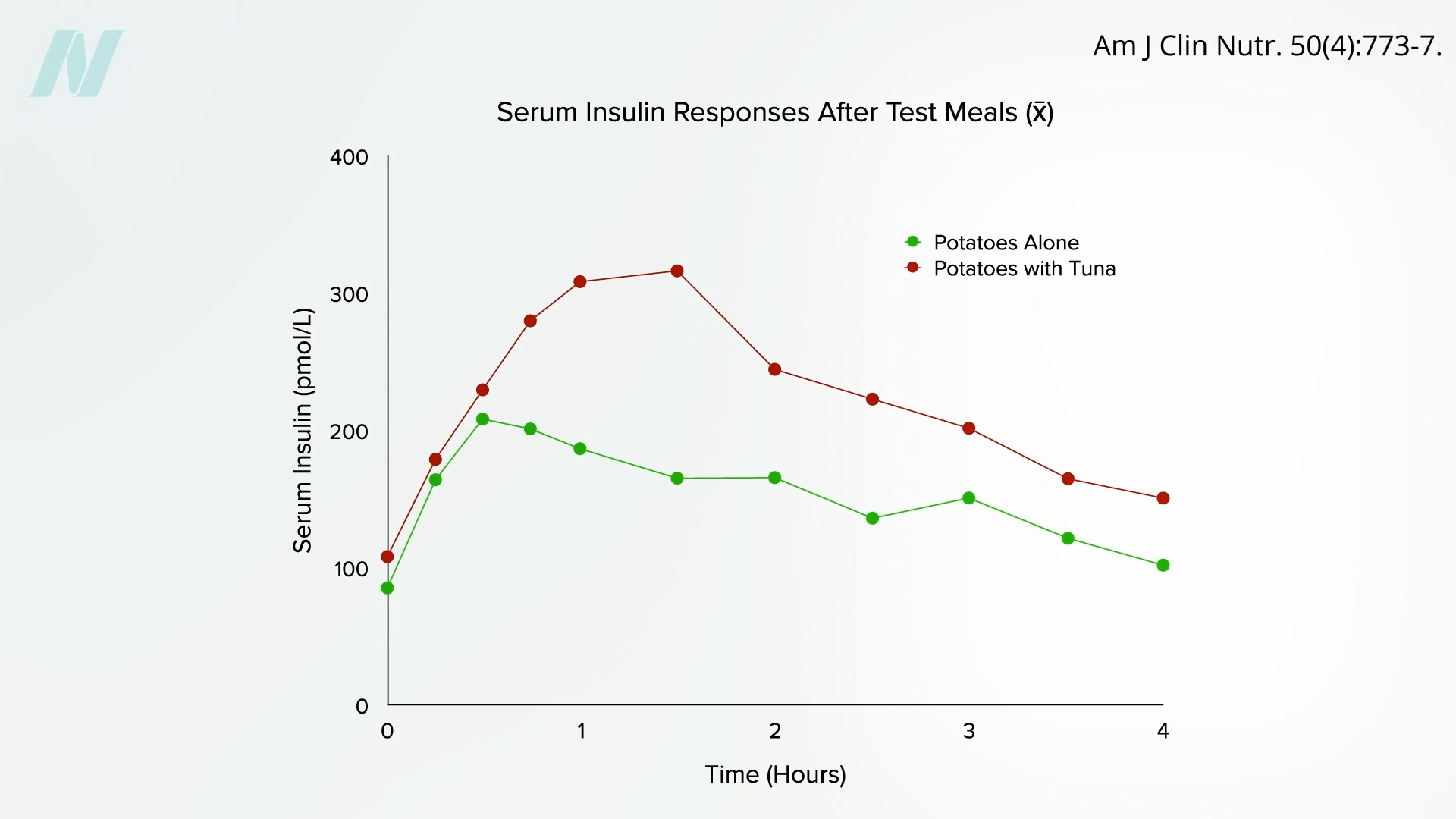
In stark contrast, the inclusion of animal protein sources has been shown to exacerbate the glycemic response. Adding chicken breast to a potato meal has been observed to worsen the metabolic outcome, while adding tuna fish has an even more pronounced negative effect, nearly doubling the amount of insulin the body must produce. This difference is thought to be linked to the consumption of branched-chain amino acids (BCAAs), which are prevalent in animal proteins. Research suggests that a decreased intake of BCAAs can improve metabolic health. This finding has been a focal point in discussions surrounding dietary strategies for metabolic disease prevention.
The Role of Acidity: Vinegar and Lemon Juice
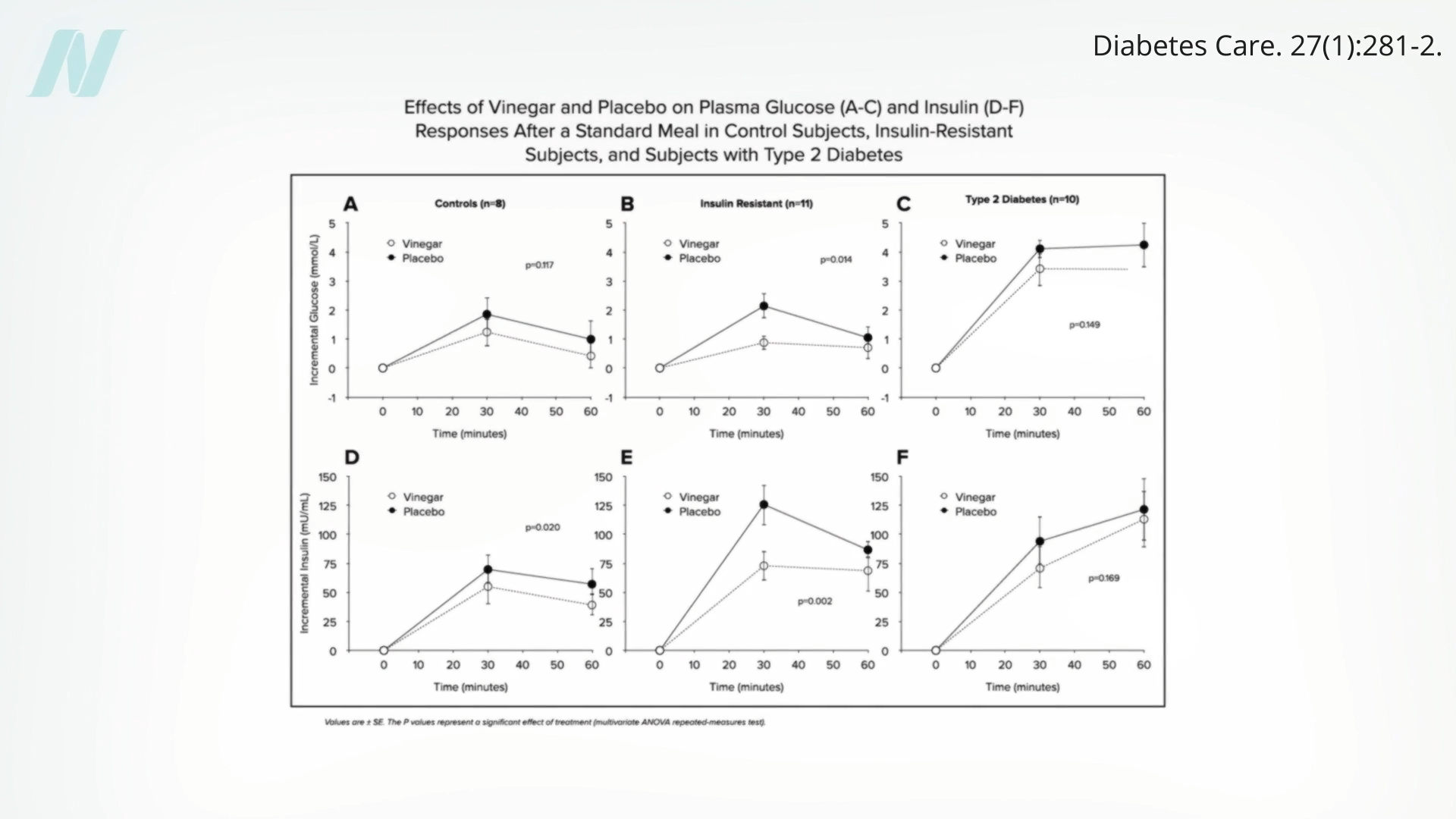
Beyond the addition of other foods, the incorporation of acidic components has emerged as a promising strategy for blunting the glycemic response to carbohydrate-rich meals. Vinegar, a common household condiment, has demonstrated a remarkable ability to mitigate blood sugar and insulin spikes. In studies involving individuals with prediabetes, consuming a bagel alongside a tablespoon of apple cider vinegar diluted in water significantly reduced the post-meal blood sugar and insulin surges compared to consuming the bagel alone. This effect has been observed even when participants have pre-existing metabolic challenges.
Further investigation has explored the efficacy of vinegar in conjunction with potatoes. While chilling potatoes offers some benefit, the addition of approximately one tablespoon of vinegar to a potato meal can lead to significant reductions in both blood sugar and insulin levels, often in the range of 30% to 40%. This effect has been demonstrated with plain white distilled vinegar, suggesting that the acidic nature of the condiment is the primary driver of its glycemic-lowering properties.
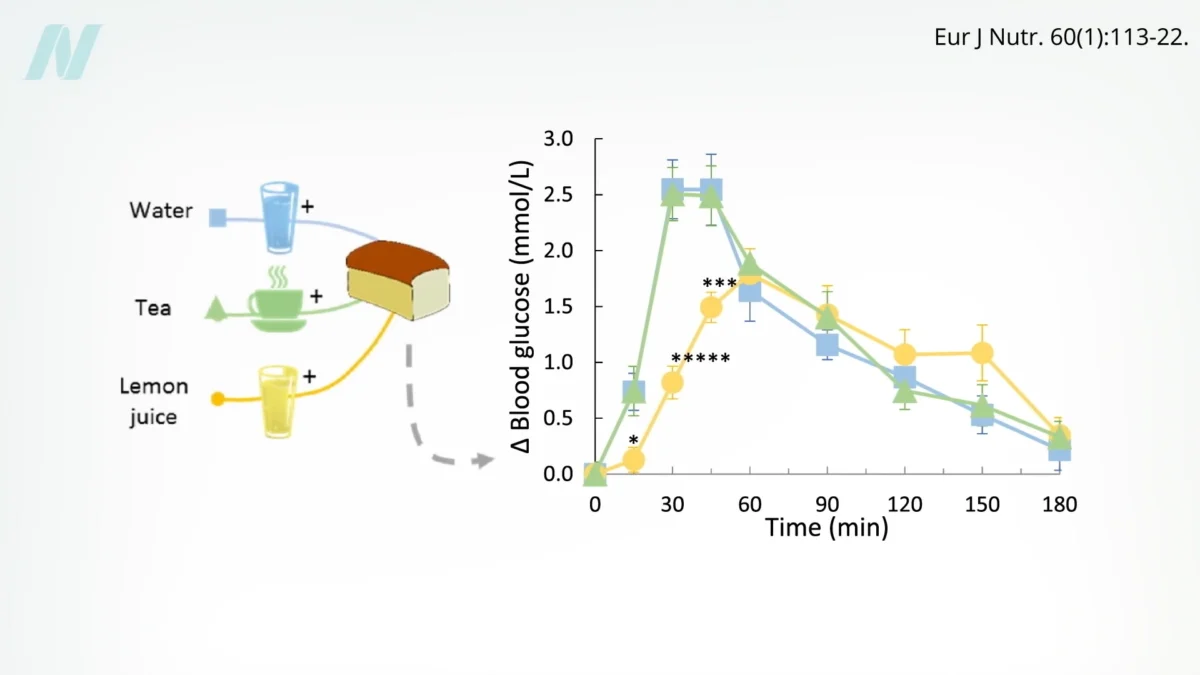
The question then arises whether other acidic condiments can achieve similar results. Lemon juice, known for its high citric acid content, has shown promising effects in laboratory settings. In vitro studies indicated a significant starch-blocking effect, leading to further investigation into its in vivo efficacy. Human studies have confirmed that lemon juice can reduce the glycemic responses to bread consumption by approximately 30%. While the study participants in one trial consumed a substantial amount of lemon juice (half a cup), the fact that they still experienced a better blood sugar response, despite the added sugar from the juice, underscores its potential benefits.
However, current evidence suggests that vinegar may be more potent in its glycemic-lowering effects. Daily consumption of one to two tablespoons of vinegar, diluted in water, has been shown to significantly improve both short-term and long-term blood sugar control in individuals with diabetes. This has led some clinicians to consider incorporating vinegar consumption as a dietary recommendation for their patients managing diabetes.
Broader Implications and Future Directions
The findings from these studies have significant implications for dietary recommendations and public health strategies. By understanding and implementing simple, accessible methods to reduce the glycemic impact of common foods like white potatoes, individuals can make more informed dietary choices to support their metabolic health. The integration of broccoli, vinegar, or lemon juice into meals containing potatoes offers practical ways to mitigate the risks associated with high glycemic index foods.
The research also highlights the potential of plant-based dietary components in managing metabolic health, contrasting with the adverse effects observed with animal protein. The focus on branched-chain amino acids offers a deeper biochemical understanding of these dietary influences.
This ongoing exploration into the glycemic modulation of white potatoes is part of a larger, multi-part series examining the healthfulness of various potato types and preparation methods. Future discussions are expected to delve into the presence of glycoalkaloid toxins in potatoes and identify the healthiest types of potatoes available. This comprehensive approach aims to provide a holistic understanding of potato consumption within a balanced and health-conscious diet.
The scientific community continues to analyze the intricate interplay between food components, metabolic responses, and long-term health outcomes. As research progresses, further evidence-based strategies are likely to emerge, empowering individuals to make more effective dietary choices for disease prevention and overall well-being. The simple act of pairing potatoes with broccoli, a splash of vinegar, or a squeeze of lemon juice represents a tangible step towards a healthier relationship with this ubiquitous root vegetable.

