

A stark and deeply concerning nutritional deficit is plaguing the United States, with an overwhelming 99.99% of Americans failing to meet the minimum recommended daily intake of potassium while simultaneously exceeding the recommended limits for sodium. This widespread imbalance, a significant departure from our evolutionary dietary heritage, carries profound implications for public health, contributing to a surge in chronic diseases and diminishing overall quality of life. The magnitude of this dietary failure is underscored by the fact that physical inactivity, while a significant health concern, accounts for a fraction of the healthy life lost compared to the detrimental impact of unhealthy diets.
The Scale of the Crisis: A Nation’s Dietary Deficit
The statistics paint a grim picture. The recommended daily intake of potassium, a mineral crucial for blood pressure regulation and numerous bodily functions, is significantly under-consumed by the vast majority of the U.S. population. Concurrently, Americans are consuming sodium, often referred to as salt, at levels far exceeding established health guidelines. This dual deficiency and excess is not a recent phenomenon but rather a worsening trend that has persisted and escalated over the past decade.
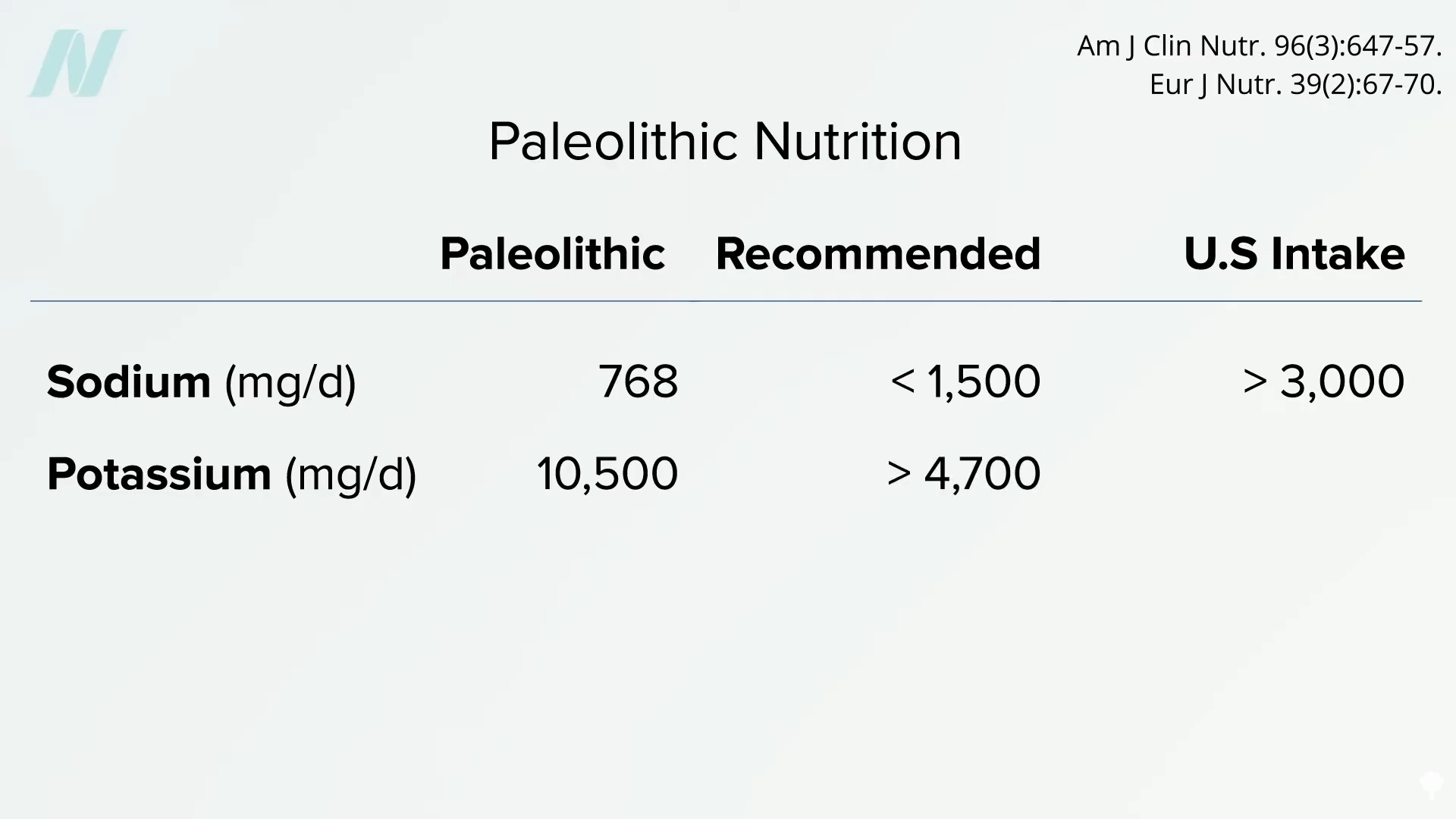
The recommended daily intake for sodium, as advised by organizations like the American Heart Association, is considerably lower than current consumption patterns. Historically, our bodies evolved to process a much smaller amount of sodium, estimated to be around 750 milligrams per day. Modern dietary recommendations suggest staying below approximately 1,500 milligrams. However, current consumption in the United States often surpasses four times this natural intake. Data from over a decade ago already indicated that a staggering 98.8% of Americans exceeded this 1,500 mg upper limit, a figure that is likely even more dire today.
This excessive sodium intake is compounded by a severe lack of potassium. While the recommended daily intake for potassium has been halved from ancestral levels, which were estimated to be over 10,000 mg per day, a significant majority of Americans still fail to reach even this reduced target. Less than 2% of U.S. adults consume the minimum recommended daily intake of potassium, meaning more than 98% of Americans are subsisting on potassium-deficient diets. This deficiency becomes even more apparent when considering the stark contrast with the dietary patterns of our ancestors, who thrived on diets rich in potassium.
When these two critical mineral targets are considered in tandem, the scope of non-compliance becomes almost unfathomable. Fewer than 0.015% of individuals in the United States manage to meet both the recommended sodium and potassium guidelines. This translates to a compliance rate of approximately 1 in 6,000 Americans, highlighting a near-universal failure to achieve a balanced intake of these essential electrolytes.
Dietary Traps: The Deadliest Culprits
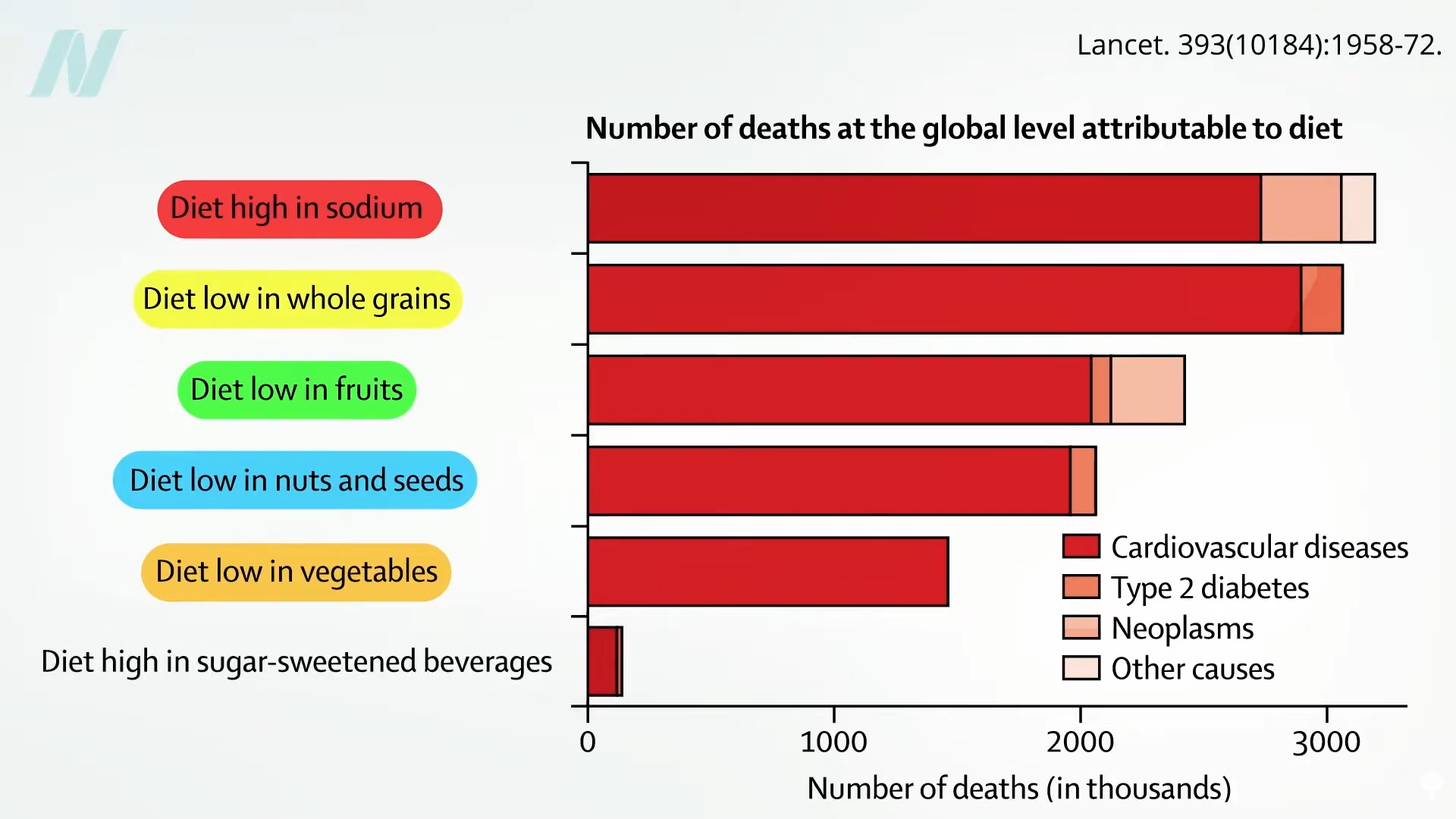
The detrimental impact of these dietary imbalances is not theoretical. Unhealthy diets are responsible for an estimated 10 million years of healthy life lost globally each year, a figure that dwarfs the impact of physical inactivity by a factor of nearly 20. The most perilous aspects of our modern diets, according to comprehensive research, are not necessarily overconsumption of unhealthy items, but rather the insufficient intake of vital nutrient-rich foods.
Four of the five leading dietary contributors to premature mortality are linked to not eating enough of certain food groups: whole grains, fruits, nuts and seeds, and vegetables. However, the most significant dietary threat, and the one with the most severe consequences, is the excessive consumption of salt. The lethality of high sodium intake is estimated to be approximately 15 times greater than that of diets excessively high in sugary beverages, providing a stark perspective on the gravity of this issue.
The Pervasive Dangers of Excess Sodium
The implications of high sodium intake extend far beyond its role in blood pressure regulation. Scientific evidence increasingly points to sodium’s role in exacerbating inflammation throughout the body. This inflammatory effect is particularly concerning for individuals with autoimmune conditions. For instance, studies have demonstrated a clear link between sodium intake and increased disease activity in multiple sclerosis (MS), an inflammatory autoimmune nerve condition. Individuals with medium to high sodium intakes experience exacerbations at a rate three to four times higher than those consuming less than a teaspoon of salt per day.
Further research has identified higher sodium levels in the tissues of individuals suffering from lupus, another severe inflammatory autoimmune disease. Moreover, in MS patients, elevated sodium levels within the spinal cord have been directly correlated with disease progression and a measurable decrease in structural integrity.
The ubiquity of sodium in processed and "crappy" foods raises a complex question: is high salt intake merely a marker of an overall poor diet, or is it an independent causative factor? While the association between a diet rich in ultra-processed foods and negative health outcomes is undeniable, robust scientific inquiry has established a clear cause-and-effect relationship between salt and high blood pressure. Numerous randomized controlled trials have consistently shown that reducing added salt in the diet leads to a fall in blood pressure, with the most significant improvements observed when salt reduction is most substantial. Emerging research also suggests that excessive sodium may directly damage the gut microbiome, the beneficial bacteria essential for overall health, potentially contributing to a cascade of negative health effects.
The Role of Potassium in Mitigation
Potassium, conversely, plays a crucial role in counteracting the negative effects of sodium. It is a mineral that actively helps to lower blood pressure, making its deficiency a significant public health concern. The imbalance between excessive sodium and insufficient potassium creates a physiological environment that predisposes individuals to hypertension and its associated complications.
Official Responses and Public Health Imperatives
The severity of this widespread dietary failing has not gone unnoticed by public health authorities. A former commissioner of the U.S. Food and Drug Administration (FDA) declared that "There remains no single more effective public health action related to nutrition than the reduction of sodium in the diet." This statement underscores the critical importance of addressing sodium consumption as a primary public health intervention.
In response to the overwhelming evidence, national and international health organizations have advocated for stronger public health measures. These have included calls for prominent warning labels on salt packets and shakers. Such labels would convey vital information, stating: "Too much sodium in the diet causes high blood pressure and increases risk of stomach cancer, stroke, heart disease, and kidney disease. Limit your use." The implementation of such measures aims to educate consumers and encourage behavioral change by clearly communicating the risks associated with excessive salt consumption.
Analyzing the Broader Impact and Future Directions
The profound dietary imbalance in the United States has far-reaching implications for the healthcare system and the overall well-being of the population. The chronic diseases linked to high sodium and low potassium intake, including hypertension, heart disease, stroke, and kidney disease, represent a significant burden on healthcare resources. Furthermore, the chronic inflammation associated with these dietary patterns can contribute to a host of other health issues, impacting quality of life and longevity.
The question of how to effectively address this crisis is paramount. While public awareness campaigns and educational initiatives are crucial, they may not be sufficient to overcome the deeply ingrained dietary habits and the pervasive presence of sodium in the modern food supply. The former FDA commissioner’s statement suggests that a more direct and impactful public health action focused on sodium reduction is urgently needed.
Exploring Potential Solutions: Salt Substitutes
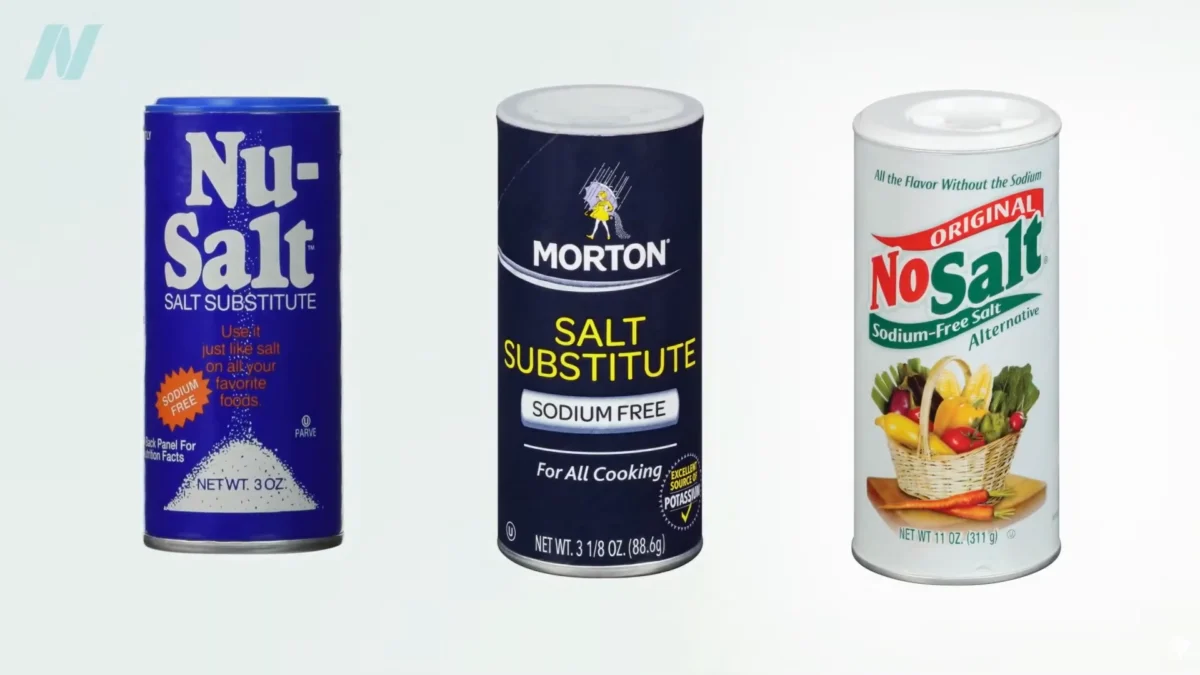
One avenue being explored to mitigate the sodium-potassium imbalance involves the use of potassium-based salt substitutes. These products, typically containing potassium chloride instead of sodium chloride, offer the potential to reduce sodium intake while simultaneously increasing potassium consumption. The appeal of such substitutes lies in their ability to replicate the salty taste of traditional salt without the associated health risks.
However, the widespread adoption and efficacy of these substitutes remain subjects of ongoing investigation. Key questions regarding their safety, their effectiveness in truly improving health outcomes, and the potential for any unforeseen side effects need to be thoroughly addressed. The nutritional science community is actively researching these aspects, with further findings anticipated in upcoming publications and public health discussions.
The journey towards a healthier dietary landscape in the United States is undeniably challenging. The near-universal failure to meet fundamental sodium and potassium recommendations signals a critical public health imperative. Addressing this crisis will require a multi-faceted approach, encompassing enhanced public education, stronger regulatory measures, and continued scientific research into effective dietary interventions. The stakes are exceptionally high, impacting not only individual health but also the long-term health and sustainability of the nation’s healthcare system. The current trajectory suggests a continuing rise in diet-related chronic diseases, a trend that can and must be reversed through concerted and evidence-based action.

