

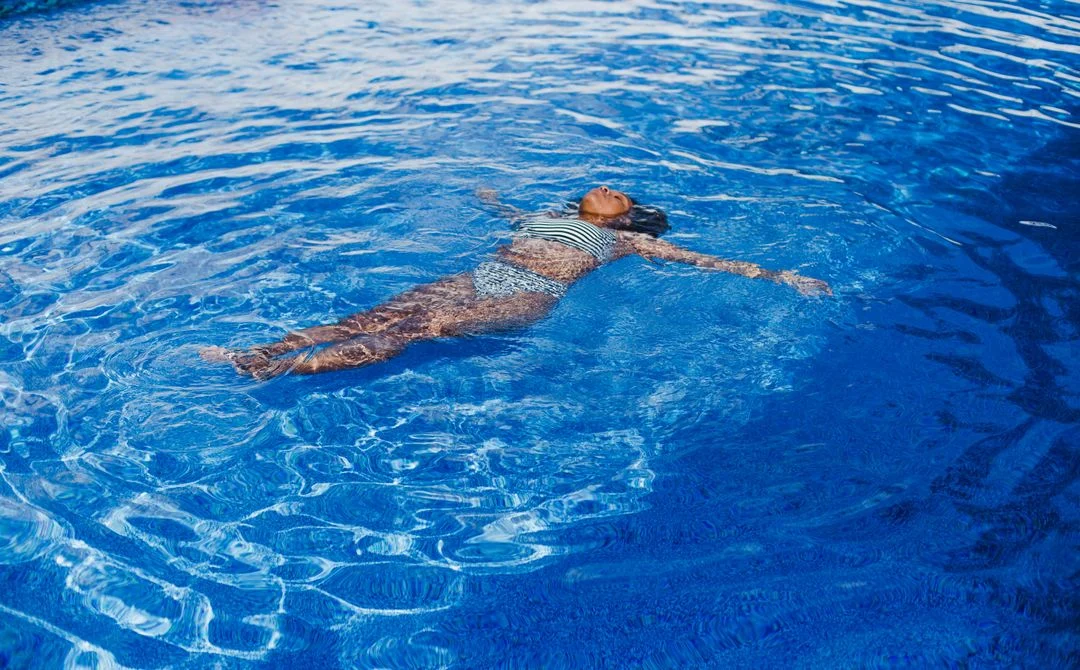
While traditional running remains a highly effective modality for cardiovascular health and weight management, its inherent high-impact nature can pose significant challenges to the musculoskeletal system, particularly as individuals age or contend with pre-existing conditions. The repetitive stress of pounding the pavement, while undoubtedly beneficial for the heart and lungs, often contributes to an elevated risk of common orthopedic ailments such as knee injuries, debilitating shin splints, and even complex hip displacements. For a growing demographic of fitness enthusiasts and athletes experiencing these adverse effects, or those navigating the recovery phase of an injury that impedes vigorous movement, an innovative and increasingly popular alternative is gaining traction: water running, also widely known as aqua jogging. This distinctive cross-training methodology harnesses the unique properties of water to facilitate muscular engagement without the harsh gravitational impact associated with land-based exercise, thereby offering a gentle yet potent pathway to muscle toning and cardiovascular conditioning, devoid of undue stress on critical joints, knees, hips, and the back.
Understanding Aqua Jogging: Mechanism and Benefits
Aqua jogging fundamentally involves mimicking the natural running motion while submerged in water, typically in the deep end of a swimming pool, often with the assistance of a flotation belt. The core principle lies in leveraging water’s buoyancy to reduce body weight and impact, concurrently utilizing its viscosity to provide constant resistance. This dual action allows for a comprehensive workout that targets the same muscle groups as dry-land running—quadriceps, hamstrings, glutes, and core—but within a protective, low-stress environment.
Historically, aquatic exercise has been recognized for its therapeutic qualities, dating back to ancient civilizations that utilized natural hot springs for healing. In the modern era, hydrotherapy gained prominence in the early 20th century, primarily for rehabilitation from injuries and chronic conditions. Water running, as a specialized form of aquatic exercise, began to emerge in the latter half of the 20th century as a secret weapon for athletes seeking to maintain fitness during injury recovery without exacerbating their conditions. Its efficacy quickly propelled it beyond niche athletic circles into mainstream health and wellness, particularly appealing to populations seeking joint-friendly exercise.
For individuals contending with conditions like arthritis, recovering from surgery, or simply seeking a comfortably paced, low-to-medium impact workout, pool running presents an ideal solution. It allows for a full range of motion, enabling participants to elevate their heart rate and build strength without the cumulative wear and tear on cartilage and ligaments. A seminal 2003 study published in the Journal of Strength and Conditioning Research highlighted that deep-water running can indeed provide adequate cardiovascular activity, demonstrating that heart rate responses during deep-water running are comparable to those during treadmill running at similar perceived exertion levels. Subsequent research has further corroborated these findings, establishing aqua jogging as a legitimate form of cardiovascular training.
The Scientific Basis: Buoyancy, Resistance, and Physiological Adaptations
The effectiveness of water running is rooted in fundamental principles of physics and human physiology. When submerged, the body experiences an apparent weight reduction due to Archimedes’ principle of buoyancy. In chest-deep water, approximately 75% of body weight is supported, reducing impact forces dramatically. In deep water, with the aid of a flotation belt, the impact is virtually eliminated, allowing for complete non-weight-bearing exercise. This reduction in impact is crucial for mitigating stress on joints, making it invaluable for rehabilitation and for individuals with osteoarthritis or degenerative joint conditions.
Simultaneously, water’s viscosity provides resistance in all directions of movement. Unlike air, which offers minimal resistance, water requires muscles to work harder through the entire range of motion, both on the "push" and "pull" phases of a stride. This concentric and eccentric muscle engagement contributes to enhanced muscle strength and endurance. Dr. Anya Sharma, a leading sports physiologist at the Institute of Human Performance, explains, "The multi-directional resistance in water not only strengthens primary running muscles but also engages stabilizing muscles that might be less activated during land running, leading to improved balance and proprioception. This translates to better running economy and injury resilience on dry land."
Furthermore, the hydrostatic pressure of water exerts a uniform force around the body. This pressure can aid in reducing swelling in injured tissues, improve venous return, and enhance circulation, contributing to faster recovery times. The cooler temperature of pool water also helps regulate body temperature, preventing overheating during intense workouts, a significant advantage for exercising in hot climates or for individuals prone to heat intolerance.
Addressing the Running Injury Epidemic: Why Water Running Matters
The popularity of running has seen a steady rise globally, yet this growth is accompanied by a persistent challenge: a high incidence of running-related injuries. Epidemiological studies consistently report that between 30% and 70% of recreational runners experience at least one injury annually. Common culprits include patellofemoral pain syndrome (runner’s knee), Achilles tendinopathy, plantar fasciitis, and the aforementioned shin splints and hip issues. These injuries often stem from overuse, improper biomechanics, inadequate recovery, and the sheer repetitive impact forces.
For athletes, injuries mean downtime, a disruption to training cycles, and a potential decline in performance. For the general population, injuries can lead to a cessation of physical activity, potentially contributing to a more sedentary lifestyle and associated health risks. This is where water running emerges as a critical intervention.
"We frequently recommend aqua jogging to our patients recovering from lower limb injuries," states Dr. Mark Jensen, an orthopedic surgeon specializing in sports medicine. "It allows them to maintain cardiovascular fitness and muscular strength without loading the injured area. This accelerates rehabilitation, preserves their athletic identity, and helps them return to their sport safely and effectively, often with improved mechanics."
Beyond rehabilitation, aqua jogging serves as an excellent cross-training tool for healthy runners. Incorporating water sessions can help reduce the cumulative impact stress of weekly mileage, thereby lowering the overall risk of overuse injuries. It offers a fresh stimulus to muscles and can improve running form by encouraging a more upright posture and efficient leg drive without the compensatory movements often adopted on land.
Expert Perspectives: Insights from Sports Medicine and Physical Therapy
The consensus among healthcare professionals and athletic coaches regarding water running is overwhelmingly positive, particularly for its role in injury prevention and rehabilitation.
"From a physical therapy standpoint, water running is invaluable," comments Sarah Chen, a licensed physical therapist with extensive experience in sports rehabilitation. "It creates a controlled environment where we can re-educate gait patterns and strengthen muscles without the pain and risk of re-injury that weight-bearing exercises often present initially. The resistance helps build strength, and the buoyancy reduces stress, allowing for early intervention in the recovery process."
Elite athletes and coaches have increasingly integrated aqua jogging into their training regimens. Coach David Lee, who trains collegiate track and field athletes, emphasizes its role in peak performance. "For my athletes, aqua jogging is not just for injury recovery; it’s a vital part of their cross-training schedule. It allows them to add volume to their training without the pounding, helping to maintain aerobic fitness and muscle endurance, especially during periods of high-intensity land training or when managing minor aches and pains that could otherwise escalate into serious injuries."
Furthermore, for older adults or individuals with chronic conditions like fibromyalgia or multiple sclerosis, water running provides an accessible and comfortable way to engage in physical activity. The warmth of the water can soothe stiff joints and muscles, and the reduced impact minimizes discomfort, encouraging consistent participation in exercise.
Practical Application: Techniques for Effective Water Running
To maximize the benefits of aqua jogging, proper technique is essential. While the movements mimic land running, the aquatic environment necessitates specific adjustments.
- Posture: Maintain an upright posture, avoiding leaning forward or slumping. Imagine running with a string pulling you gently from the crown of your head. This encourages core engagement and proper spinal alignment.
- Arm Movement: Arms should move naturally, similar to land running, but with slightly exaggerated movements against the water’s resistance. Keep hands relaxed, cupping the water slightly to enhance propulsion and balance.
- Leg Drive: Focus on lifting the knees high and driving the feet down and back against the water’s pressure. The resistance will make this feel slower and more deliberate than land running. Aim for a full range of motion in the hips, knees, and ankles. Avoid shallow, quick movements; instead, concentrate on powerful, controlled strides.
- Foot Strike: Since you’re not touching the bottom, the concept of foot strike changes. Focus on driving the foot down and slightly back, engaging the hamstrings and glutes.
- Breathing: Maintain a steady, rhythmic breathing pattern, mirroring the effort of a dry-land jog.
For those incorporating aqua jogging into a regular training circuit, it’s crucial to match the intensity and duration to achieve comparable results to land running. While perceived exertion might initially feel different due to the lack of impact, the goal is to elevate the heart rate to the desired training zone.
A recommended workout structure for building stamina might involve alternating five minutes of high-intensity aqua jogging (focusing on maximal effort and speed of leg and arm movements) with one minute of active recovery (slower, gentler movements). Begin with a 20-minute session and gradually increase duration to 45 minutes as fitness improves. Post-workout, a gentle swim can help stretch out muscles and gradually bring the heart rate down.
Essential Equipment and Progression
One of the appeals of water running is its minimal equipment requirement. Fundamentally, all that is needed is a swimsuit and access to a suitable pool. However, certain tools can enhance the experience and effectiveness:
- Flotation Belt (Aqua Belt): This is highly recommended, especially for beginners or those focusing on deep-water running. It keeps the body buoyant and upright, allowing the runner to concentrate on form and effort without expending energy on staying afloat.
- Water Shoes: While not strictly necessary, water shoes can provide better traction on the pool floor during shallow-water running and protect feet from rough surfaces or chemicals.
- Waterproof Weights/Paddles/Dumbbells: For advanced users looking to intensify their workout, incorporating hand paddles or small aquatic dumbbells can increase upper body and core resistance. Ankle weights can also be used, but caution is advised to ensure proper form is maintained and undue stress isn’t placed on the joints.
As individuals build speed and stamina, they can experiment with different workout protocols, including interval training, fartleks, and longer steady-state sessions, mirroring their land-based running programs. The versatility of water running allows for progressive overload, ensuring continuous fitness gains.
Broader Implications: Public Health, Athlete Longevity, and Inclusive Fitness
The growing recognition of water running’s benefits carries significant implications across several domains.
For public health, it offers a viable exercise option for a broader segment of the population, including those who are overweight or obese, older adults, pregnant women, and individuals with chronic pain or mobility issues who might find traditional exercises too challenging or painful. By providing a safe and effective pathway to physical activity, aqua jogging can contribute to combating sedentary lifestyles and reducing the prevalence of non-communicable diseases.
For athlete longevity, water running represents a crucial tool in extending competitive careers. By providing a means to maintain high levels of fitness with reduced impact, athletes can manage training loads more effectively, minimize overuse injuries, and recover more quickly. This allows them to stay in their sport longer and perform at their peak.
In terms of inclusive fitness, aqua jogging champions accessibility. It levels the playing field, allowing individuals of varying physical capabilities to participate in a challenging yet safe workout. Community pools often provide dedicated times for aquatic exercise, making it a social and engaging activity.
Safety Considerations and Professional Guidance
While water running is generally considered very safe due to its low-impact nature, certain precautions are advisable. Individuals with pre-existing medical conditions, particularly cardiovascular issues or respiratory problems, should consult their physician before embarking on a new exercise regimen. For those engaging in aqua jogging for rehabilitation, physical therapy, or injury recovery, professional medical and physical therapy guidance is paramount. A healthcare professional can provide tailored advice, monitor progress, and ensure the exercises are appropriate for the specific condition, preventing further complications.
Conclusion: The Future of Low-Impact Fitness
Water running has transitioned from a niche rehabilitation tool to a mainstream, scientifically supported fitness modality. Its ability to provide robust cardiovascular and strength training benefits while virtually eliminating joint impact makes it an indispensable option for athletes, aging populations, and individuals recovering from injuries. As awareness of its advantages continues to grow, aqua jogging is poised to become an even more integral component of comprehensive fitness programs, championing a future where sustained physical activity is accessible, enjoyable, and gentle on the body, thereby unlocking the life-changing magic of movement for all.

