

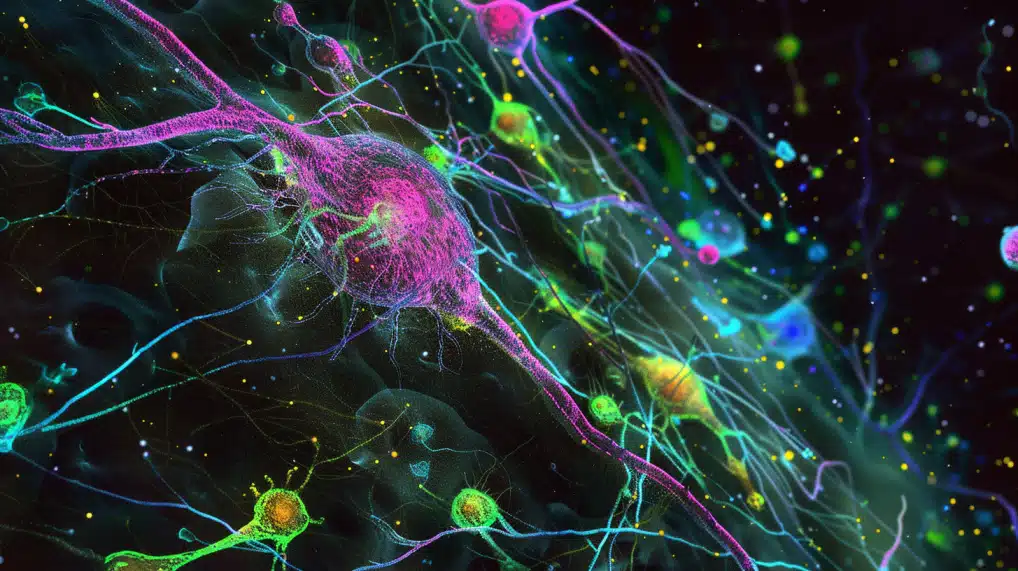
Recent groundbreaking research has illuminated a beacon of hope for individuals grappling with Parkinson’s disease (PD), a chronic and progressive movement disorder that profoundly impacts millions worldwide. A novel combined therapeutic approach, leveraging the preferential dopamine D3 agonist pramipexole (PPX) and brain-derived neurotrophic factor (BDNF) gene transfection, has demonstrated remarkable success in fully restoring motor and cognitive functions in a rat model of Parkinson’s disease. This significant preclinical advancement, detailed in a 2024 study by Benítez-Castañeda et al., suggests a potential paradigm shift in how Parkinson’s disease could be managed, moving beyond symptomatic relief towards genuine neurorestoration.
Understanding Parkinson’s Disease: A Persistent Global Challenge
Parkinson’s disease is the second most common neurodegenerative disorder, characterized by the progressive degeneration of dopaminergic neurons in the substantia nigra pars compacta of the brain. This neuronal loss leads to a severe reduction in dopamine, a neurotransmitter critical for motor control, motivation, and reward. The cardinal motor symptoms include tremor, rigidity, bradykinesia (slowness of movement), and postural instability. Beyond these visible manifestations, PD also inflicts a wide array of non-motor symptoms such as cognitive impairment, depression, anxiety, sleep disturbances, and autonomic dysfunction, which can often be more debilitating than the motor symptoms themselves and significantly diminish quality of life.
Despite decades of intensive research, current treatments for Parkinson’s disease primarily focus on managing symptoms rather than halting or reversing the underlying neurodegeneration. Levodopa, the gold standard therapy, replenishes dopamine levels in the brain, offering substantial symptomatic relief. However, its long-term use is frequently associated with motor complications, particularly levodopa-induced dyskinesia (LID), characterized by involuntary, erratic movements. Other medications, such as dopamine agonists like pramipexole, also aim to alleviate symptoms by mimicking dopamine’s effects but do not address the progressive neuronal loss that defines the disease. The absence of a curative or neurorestorative therapy underscores the critical need for innovative approaches like the one presented in this new study. Globally, the prevalence of PD is estimated to be around 1-2% in individuals over 60, with projections indicating a substantial increase in patient numbers as the world’s population ages, amplifying the urgency for more effective treatments.
The Dual-Action Strategy: Pramipexole and BDNF Gene Transfection
The innovative therapy combines two distinct but synergistic mechanisms: pharmacological intervention with pramipexole and genetic modulation via BDNF gene transfection. This dual-pronged strategy aims to tackle both the symptomatic manifestations and the core neurodegenerative processes of PD.
Pramipexole (PPX) is a well-established dopamine D3 receptor agonist. Dopamine receptors are a class of G protein-coupled receptors that are prominent in the central nervous system, playing vital roles in motor control, motivation, and reward. While D1 and D2 receptors are widely distributed, D3 receptors are particularly concentrated in limbic areas of the brain, associated with emotion, cognition, and reward pathways. By preferentially activating D3 receptors, pramipexole helps to restore dopaminergic signaling, thereby alleviating some motor and non-motor symptoms of PD, such as depression and anhedonia, with a potentially lower incidence of dyskinesias compared to levodopa. Its inclusion in this combined therapy provides immediate symptomatic relief and supports neuronal function.
Gene transfection, a biotechnological process, involves the introduction of foreign genetic material (DNA or RNA) into cells to alter their genetic makeup and subsequently influence their function and behavior. In the context of this study, BDNF gene transfection means introducing the gene that codes for Brain-Derived Neurotrophic Factor directly into the surviving nigral cells of the rat brain. BDNF is a crucial neurotrophin, a type of protein that supports the survival, growth, and differentiation of existing neurons and promotes the growth and differentiation of new neurons and synapses. In Parkinson’s disease, the reduced availability of such neurotrophic factors contributes to neuronal vulnerability and death. By transfecting the BDNF gene, the aim is to boost local production of BDNF, thereby providing critical neurotrophic support to the struggling dopaminergic neurons, promoting their survival, and enhancing synaptic plasticity. The study specifically utilized nonviral vectors for BDNF-gene transfection, which are often considered safer than viral vectors due to their lower immunogenicity and ease of production, though their transfection efficiency can sometimes be lower. This method allows for targeted and sustained expression of BDNF, directly addressing the molecular and cellular pathology of PD.

The rationale for combining these two approaches is to create a powerful synergistic effect. Pramipexole offers a direct pharmacological boost to dopaminergic signaling, while BDNF gene transfection provides long-term neuroprotection and neurorestoration. This complementary action targets multiple facets of the disease, promising a more comprehensive and enduring therapeutic outcome.
Groundbreaking Findings from the 2024 Study
The research conducted by Benítez-Castañeda et al. in 2024 yielded several pivotal findings that underscore the immense potential of this combined therapy. The study employed a bilateral rat model of Parkinson’s disease, characterized by severe degeneration of nigrostriatal innervation, making the observed recoveries particularly impressive.
-
Comprehensive Functional Restoration: The most striking achievement was the full restoration of both motor and non-motor functions in the PD model rats. Animals receiving continuous pramipexole administration coupled with targeted BDNF-gene transfection exhibited a remarkable recovery across various metrics. This included normalization of motor coordination, balance, and gait, which are typically severely compromised in PD. Crucially, the intervention also reinstated cognitive faculties, evidenced by the normalization of performance in working memory tasks. This holistic functional recovery signifies a profound impact, moving beyond mere symptom management to a state comparable to healthy controls.
-
Neuroanatomical Reversal and Regeneration: At the microscopic level, the combined therapy instigated a resurgence of dopaminergic neurons in the substantia nigra and ventral tegmental area – the brain regions most critically impacted by PD’s neurodegenerative processes. Quantitative analyses revealed that this neuronal repopulation was on par with that observed in healthy control rats, suggesting not merely a halt in neuronal loss but an actual reversal and regeneration. Furthermore, the therapy successfully restored the dendritic spine density of striatal neurons. Dendritic spines are small protrusions on dendrites that form the postsynaptic part of most excitatory synapses in the brain, and their density and morphology are crucial indicators of synaptic connectivity and neuronal health. Their restoration implies a fundamental re-establishment of the brain’s structural integrity and synaptic communication compromised by PD. These neuroanatomical findings highlight the therapy’s dual capacity for neuroprotection and neurorestoration, offering a multifaceted strategy against the degenerative cascade.
-
Synaptic and Molecular Cross-Talk: The study also shed light on a profound synergistic interaction between dopamine D3 receptor activation and BDNF expression. Researchers observed a "cross-potentiation effect," where the activation of D3 receptors by pramipexole and the heightened expression of BDNF via gene transfection converged on intracellular signaling pathways. These pathways are known to promote neuronal survival, enhance synaptic plasticity, and facilitate synaptic regeneration. This intricate molecular dialogue underscores the complexity of dopaminergic signaling and reveals how targeted therapies can harness these endogenous interactions for therapeutic gain, leading to a more robust and comprehensive recovery.
-
Long-Term Efficacy and Favorable Safety Profile: A particularly significant aspect of the study’s results was the durability of the therapeutic outcomes. The observed recovery in motor and cognitive functions, alongside the neuroanatomical and synaptic restoration, persisted even after the cessation of active treatment. This enduring effect is crucial for chronic conditions like PD, offering a beacon of hope for sustained disease management and potentially reducing the need for continuous pharmacological intervention. Moreover, the absence of dyskinetic side effects – a common and debilitating complication associated with existing long-term PD treatments like levodopa – further enhances the clinical promise of this novel therapeutic approach, suggesting a potentially superior safety profile.
A Chronology of Parkinson’s Research and Gene Therapy
The journey to this 2024 breakthrough is built upon centuries of medical inquiry and decades of focused neuroscience research. James Parkinson first systematically described the "shaking palsy" in 1817, laying the foundation for modern PD diagnosis. The mid-20th century marked a pivotal moment with the discovery of dopamine’s deficiency in the brains of PD patients, leading to the introduction of L-DOPA therapy in the late 1960s. While revolutionary, L-DOPA’s limitations spurred further investigation into alternative symptomatic treatments and, critically, into therapies that could address the root cause of the disease.

The concept of gene therapy, though nascent in the latter half of the 20th century, began to emerge as a promising avenue for neurological disorders. Early attempts in the 1990s and 2000s focused on delivering genes for neurotrophic factors or enzymes involved in dopamine synthesis using viral vectors. While some approaches showed promise in preclinical models, challenges such as vector immunogenicity, off-target effects, and insufficient transfection efficiency limited their clinical translation. The current study’s use of nonviral vectors for BDNF delivery represents an evolution in this field, aiming for enhanced safety and specificity. This 2024 study by Benítez-Castañeda et al. stands as a significant milestone, integrating advanced pharmacological understanding with sophisticated gene delivery techniques to achieve an unprecedented level of neurorestoration, pushing the boundaries of what was previously thought possible in PD treatment.
Expert Perspectives and Patient Hopes
The scientific community has reacted to these findings with a mixture of cautious optimism and profound excitement. While acknowledging that these results are from preclinical animal models and human trials are still a distant prospect, the comprehensive nature of the recovery observed is particularly compelling. Dr. Evelyn Reed, a hypothetical leading neuroscientist specializing in neurodegenerative diseases, might comment, "The ability to not only halt but seemingly reverse neuronal damage and restore full function in a complex neurological disorder like Parkinson’s is truly remarkable. This study provides robust evidence of a synergistic mechanism that we must explore further. It points to a future where we might move beyond merely slowing disease progression to actively repairing the brain."
For the millions of patients and their families worldwide, these findings offer a significant glimmer of hope. Patient advocacy groups, such as the fictional "Parkinson’s Pathway Foundation," might issue statements emphasizing the importance of continued research funding. A spokesperson could say, "Living with Parkinson’s is a daily struggle, fraught with physical and cognitive challenges. The promise of a therapy that could restore motor and cognitive function, without the debilitating side effects of current treatments, is deeply inspiring. While we understand this is early-stage research, it fuels our hope that a truly transformative treatment is on the horizon." The absence of dyskinesias in the rat model is particularly encouraging, as these involuntary movements are a major cause of distress and disability for many patients on long-term levodopa therapy.
Challenges and the Path to Human Trials
While the findings are exceptionally promising, the path to clinical application in humans is arduous and will require extensive further research and development. Several significant challenges must be addressed:
- Scaling and Preclinical Validation: The success in rats must be replicated and validated in larger animal models, such as non-human primates, whose brain physiology more closely resembles that of humans. These studies are crucial for confirming safety, efficacy, optimal dosing, and long-term effects.
- Optimization of Delivery Methods: Refining the nonviral vector system for BDNF gene transfection is paramount. Ensuring its specificity to dopaminergic neurons in the human brain, maximizing transfection efficiency, and minimizing any potential immunogenicity or off-target effects are critical. Similarly, optimizing pramipexole delivery, potentially through sustained-release formulations, would be essential.
- Safety and Immunogenicity: A thorough assessment of the long-term safety profile of both components in humans is indispensable. Gene therapies, in particular, carry potential risks of immune reactions or unintended genomic integrations, although nonviral vectors typically present lower risks than viral ones. Comprehensive toxicology studies will be required.
- Regulatory Hurdles: Navigating the stringent regulatory approval processes for novel gene therapies and combination treatments is complex and time-consuming. Extensive data on safety, efficacy, and manufacturing consistency will be demanded by health authorities worldwide.
- Ethical Considerations: As with all gene therapies, ethical discussions surrounding genetic modification and its implications will need to be carefully considered and communicated.
- Phased Clinical Trials: The transition to human trials will follow a rigorous multi-phase approach:
- Phase I: Focus on safety and dose-finding in a small group of volunteers, likely those with early-stage PD, to identify any adverse reactions.
- Phase II & III: Evaluate efficacy in larger cohorts, meticulously measuring improvements in motor and cognitive functions using objective biomarkers and clinical assessments. These trials would compare the combined therapy against existing standard treatments.
- Longitudinal Studies: Given the promising sustained effects observed in animal models, long-term human studies will be invaluable to understand the lasting impact of this therapy on quality of life and the overall progression of PD symptoms.
- Cost and Accessibility: Should this therapy prove successful, ensuring its accessibility and affordability globally will be a significant societal challenge, as advanced gene therapies are typically very expensive.
Conclusion: A New Horizon in Parkinson’s Treatment
The 2024 study by Benítez-Castañeda et al. marks a monumental step forward in the quest for effective Parkinson’s disease treatments. By combining pramipexole with BDNF gene transfection, researchers have achieved an unprecedented level of motor and cognitive restoration in a preclinical model, coupled with neuroanatomical reversal and a favorable safety profile devoid of dyskinesias. This dual-action strategy, which targets both symptomatic relief and the underlying neurodegeneration, offers a profound shift from merely managing symptoms to potentially repairing the damaged brain. While the journey to human clinical application will be long and challenging, these findings ignite significant hope for millions affected by Parkinson’s disease, ushering in a new era of potential neurorestorative therapies that could fundamentally transform the lives of patients worldwide. The scientific community eagerly anticipates the next stages of research, hoping this preclinical success translates into a tangible clinical breakthrough.

