

The specter of Alzheimer’s disease, a progressive neurodegenerative disorder affecting millions globally, continues to loom large. While genetic predispositions, such as carrying the APOE e4 gene, have long been identified as risk factors, a growing body of scientific evidence suggests that environmental factors, particularly exposure to pesticide breakdown products, may play a significantly underestimated role in its development. Research indicates that the risk associated with certain pesticide residues could be as substantial as that conferred by this well-known genetic marker. This alarming revelation necessitates a deeper examination of the sources and implications of such exposures, particularly for individuals residing in regions with historical or ongoing pesticide use.
The Complex Nature of Alzheimer’s Disease Risk
Alzheimer’s disease is a multifaceted condition, with its origins not solely rooted in genetics. While a growing catalog of susceptibility genes has been identified, these genetic factors are estimated to account for less than half of all diagnosed cases. This leaves a significant portion of the disease’s etiology unexplained by inherited predispositions alone. A compelling piece of data underscoring this point comes from the study of identical twins. In instances where one identical twin develops Alzheimer’s disease, the other, despite possessing the exact same genetic makeup, often does not. This observation strongly suggests that environmental influences and lifestyle choices are critical determinants in the manifestation of the disease. Therefore, understanding these non-genetic contributors is paramount in developing effective prevention strategies.
Chlorinated Pesticides and Their Pervasive Presence
Among the environmental agents under scrutiny are chlorinated pesticides, a class of chemicals that have been widely used in agriculture and public health initiatives for decades. A prominent member of this group is DDE, a persistent breakdown product of the insecticide DDT (dichlorodiphenyltrichloroethane). The U.S. Environmental Protection Agency (EPA) has classified DDE and other related compounds as probable human carcinogens, highlighting their inherent toxicity.

However, the health implications of these substances extend beyond cancer risk. Studies examining the blood levels of DDE and other pesticides have revealed associations not only with increased cancer mortality but also with a broader spectrum of "other-cause mortality." This observation has led researchers to hypothesize that these pesticides might contribute to the development of other chronic conditions, including diabetes and dementia. While the link between pesticide exposure and diabetes has been explored, the connection to neurodegenerative diseases like Alzheimer’s is a more recent and concerning area of investigation.
Scientific Evidence Linking Pesticides to Alzheimer’s
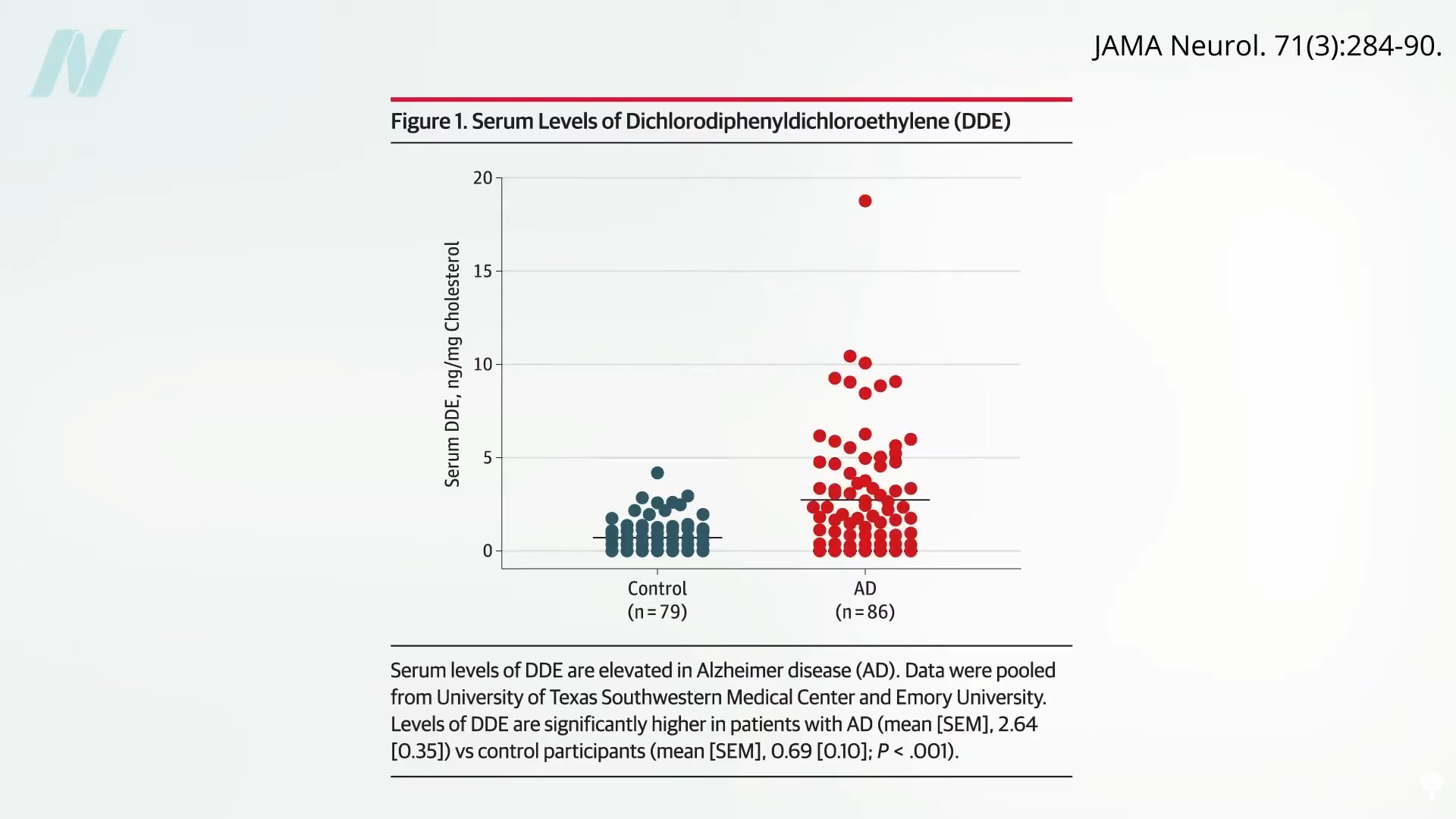
A significant study conducted by a research team at Rutgers University provided compelling evidence for a direct association between DDE levels and Alzheimer’s disease. The research found that individuals diagnosed with Alzheimer’s disease exhibited significantly higher blood levels of DDE when compared to a control group of healthy individuals. These findings, detailed in published research, suggest a quantifiable link between exposure to this pesticide metabolite and the presence of the disease.
Further investigation into the biological mechanisms revealed that autopsy studies indicated a strong correlation between blood levels of DDE and its concentration in brain tissue. This suggests that the pesticide and its metabolites can indeed cross the blood-brain barrier and accumulate in the brain, the very organ affected by Alzheimer’s. The study reported that individuals with the highest DDE levels in their blood were approximately four times more likely to have died from Alzheimer’s-related dementia.
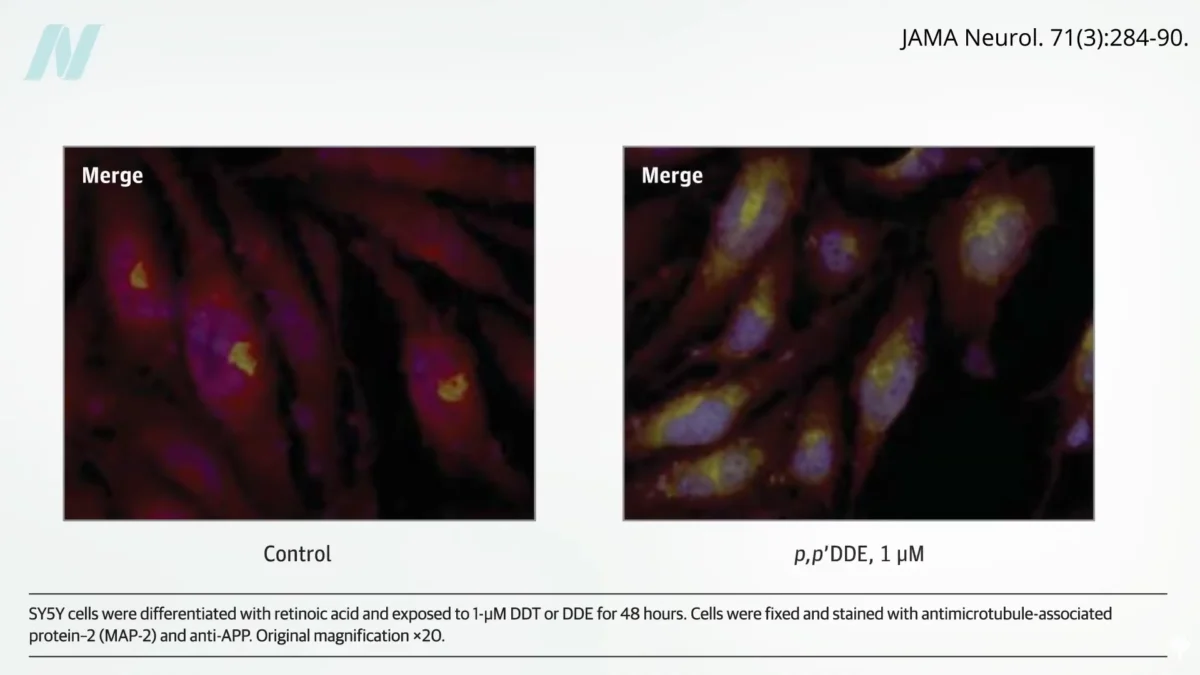
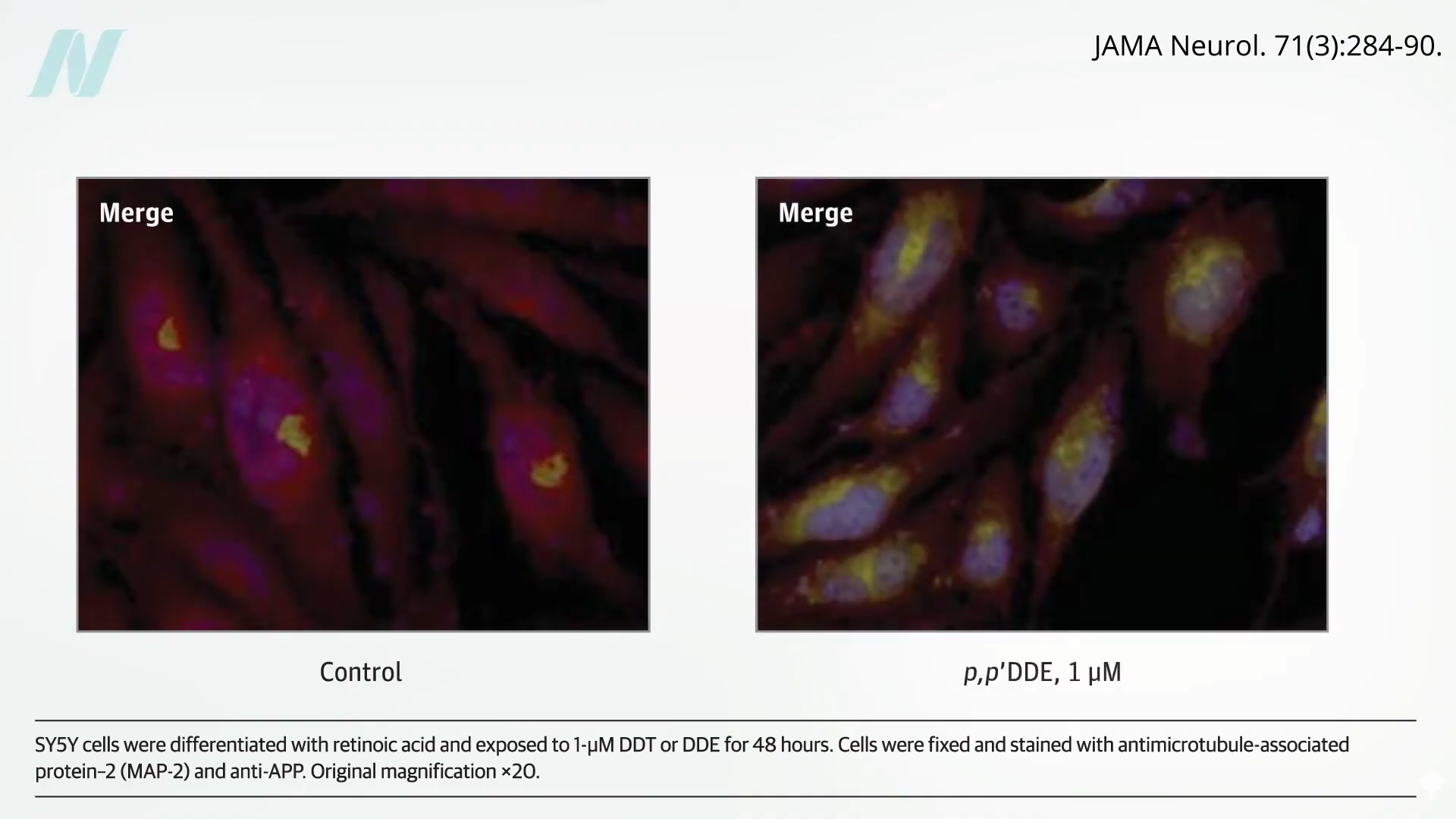
To elucidate the potential molecular pathways, laboratory experiments were conducted using human brain cells in a petri dish. These experiments demonstrated that DDE exposure led to an increase in amyloid precursor protein (APP) levels. APP is a protein that, when improperly processed, can lead to the formation of amyloid plaques – a hallmark pathological feature of Alzheimer’s disease. The visual representation of these findings, showing elevated levels of this sticky protein implicated in Alzheimer’s development before and after DDE exposure at concentrations found in highly exposed individuals, provides a crucial mechanistic insight into how these environmental toxins might contribute to the disease.
Broader Implications and Supporting Data
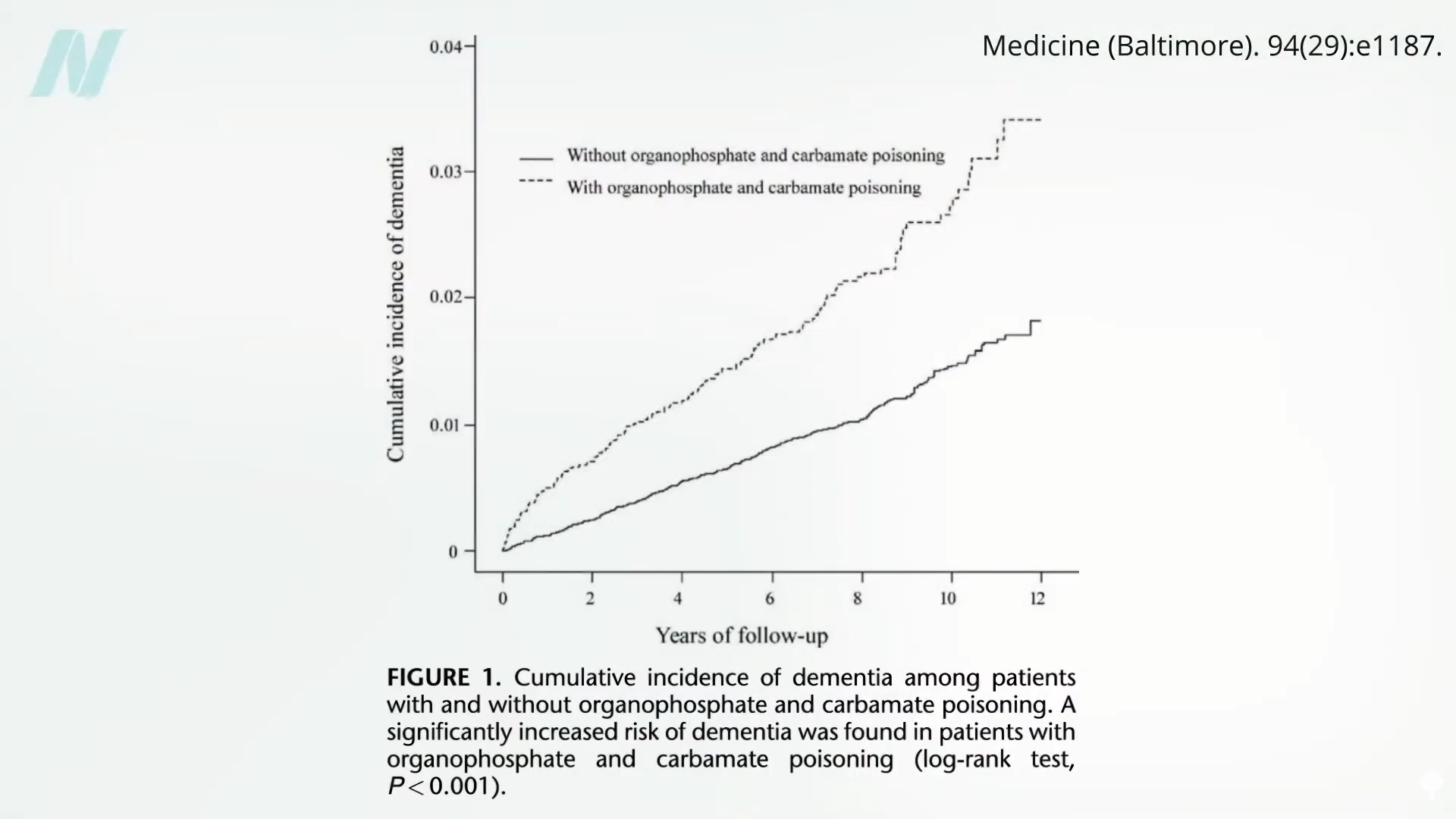
When these diverse research findings are synthesized, a consistent pattern emerges, strongly suggesting a tangible link between pesticide exposure and an increased risk of developing dementia. This association is further supported by data indicating that individuals who have experienced acute pesticide poisoning exhibit approximately double the risk of developing dementia.
The pervasive nature of these chemicals is also evident in studies focusing on cognitive decline in older adults. Research involving elderly populations in the United States has found that DDT and its breakdown product, DDE, are associated with an increased risk of general cognitive decline. This suggests that even chronic, lower-level exposures over time can have detrimental effects on brain function.
Historical Context and Persistent Contamination
The widespread use of DDT in the United States spanned several decades, from the 1940s through the early 1970s. During its peak usage, the nation produced an estimated 180 million pounds of DDT annually. Despite its eventual ban, the chemical’s persistence in the environment means it continues to be detected in human bodies today. Studies have revealed that over 90% of Americans have detectable levels of DDT and its metabolites in their bloodstreams. Notably, DDE, the metabolite most strongly linked to quadrupling the odds of Alzheimer’s disease, is found at the highest concentrations among these residues.
The continued presence of these chemicals in our bodies is largely due to their persistence in the food supply. Research has indicated that banned pesticides and pollutants, including DDT and DDE, are present at significantly lower levels in the breast milk of vegetarian mothers compared to their non-vegetarian sisters. This observation holds true across a range of environmental toxins. Comparative analyses of toxin levels in various food categories, including beef, chicken, pork, processed meats, eggs, fish, dairy products, and plant-based foods, collected from supermarkets across the United States, consistently show higher concentrations of dioxins and PCBs in animal products.
The Food Chain and Bioaccumulation
These toxins tend to bioaccumulate up the food chain, meaning that organisms at higher trophic levels ingest and retain larger quantities of these substances. Consequently, the most contaminated food sources are typically meat, fish, and dairy products. Studies have found toxin levels in these animal-derived foods to be five to ten times higher than those found in plant-based foods.
A concerning aspect of these persistent organic pollutants is their resilience to cooking. Unlike some other contaminants, DDE and similar compounds are not effectively destroyed by heat. In fact, cooking may even lead to their increased concentration in food. This underscores the importance of considering the origin and composition of our diet when assessing exposure risks.
Policy Implications and Public Health Response
The robust scientific evidence linking pesticide exposure to Alzheimer’s disease raises significant public health concerns and calls for proactive policy responses. Given that DDT was banned decades ago, the continued presence of its breakdown products in the population and food supply highlights the long-term environmental legacy of these chemicals.
Regulatory bodies, such as the EPA, continue to monitor and regulate pesticide use. However, the findings suggest a need for ongoing re-evaluation of existing regulations and the development of more stringent measures to mitigate exposure to persistent organic pollutants. This could involve stricter enforcement of pesticide bans, investment in research for safer alternatives, and public health campaigns to educate consumers about dietary choices that can reduce exposure.
Future Research and Prevention Strategies
The implications of these findings are far-reaching, suggesting that a significant portion of Alzheimer’s cases might be preventable through targeted interventions aimed at reducing environmental exposures. Future research should focus on:
- Longitudinal Studies: Conducting long-term epidemiological studies to track individuals’ pesticide exposure levels over their lifespans and correlate these with the development of cognitive decline and Alzheimer’s disease.
- Mechanistic Research: Further investigating the precise biological pathways through which pesticides and their metabolites contribute to neurodegeneration, including their interaction with cellular processes and the blood-brain barrier.
- Biomonitoring Programs: Expanding national biomonitoring programs to regularly assess the levels of pesticide residues in the general population and identify high-risk groups or geographical areas.
- Intervention Studies: Designing and implementing studies to evaluate the effectiveness of dietary interventions, such as adopting plant-based diets, in reducing pesticide body burdens and potentially mitigating Alzheimer’s risk.
Conclusion: A Call for Informed Choices and Policy Action
The growing body of evidence linking pesticide breakdown products, particularly DDE, to an increased risk of Alzheimer’s disease is a critical public health concern. The fact that exposure to these environmental contaminants can elevate the risk of developing the disease to a level comparable to carrying the APOE e4 gene underscores their significant impact. While genetic factors play a role, the persistent presence of these toxins in our environment and food supply suggests that environmental remediation and informed dietary choices are crucial components of Alzheimer’s prevention.
The scientific community’s ongoing efforts to unravel this complex relationship serve as a vital call to action. Policymakers, health organizations, and individuals alike must consider these findings seriously. A concerted effort to reduce pesticide exposure, promote sustainable agricultural practices, and educate the public about the risks associated with environmental toxins is essential in the fight against Alzheimer’s disease and the broader goal of safeguarding cognitive health for future generations. The legacy of past pesticide use continues to influence our health, making informed choices and robust public health strategies more critical than ever.

