

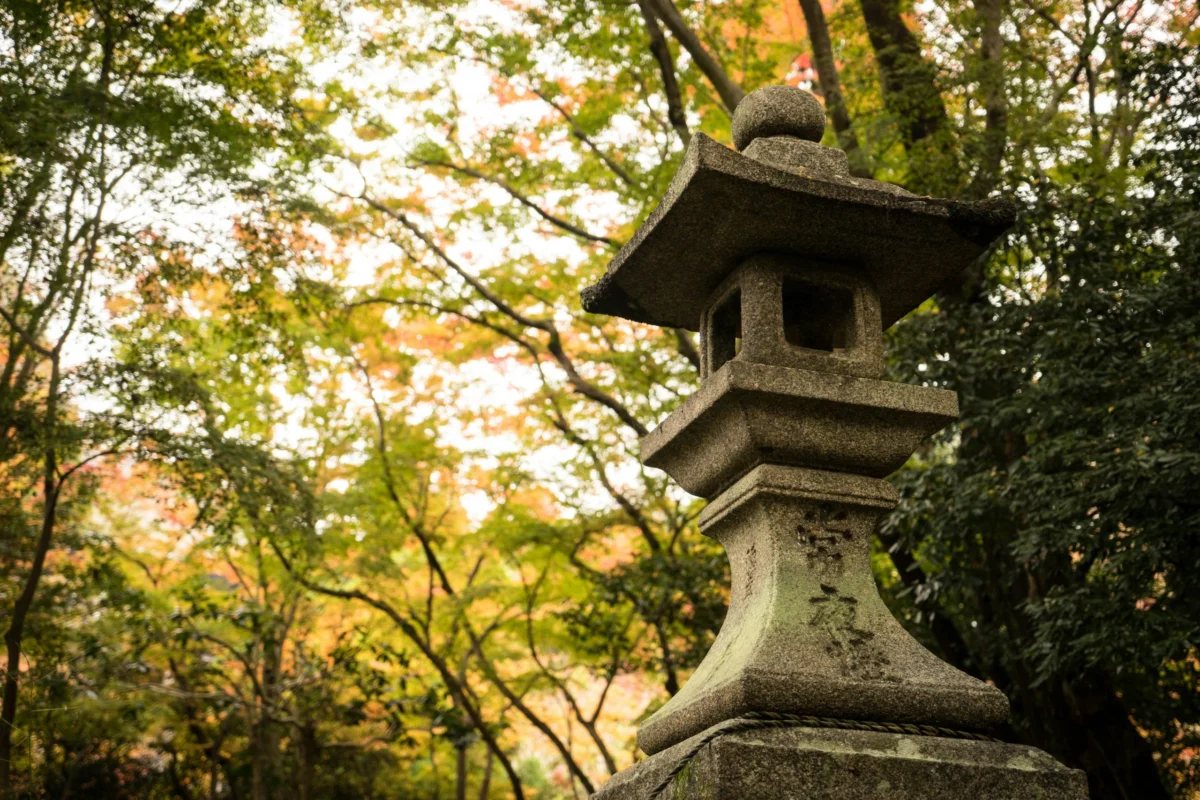
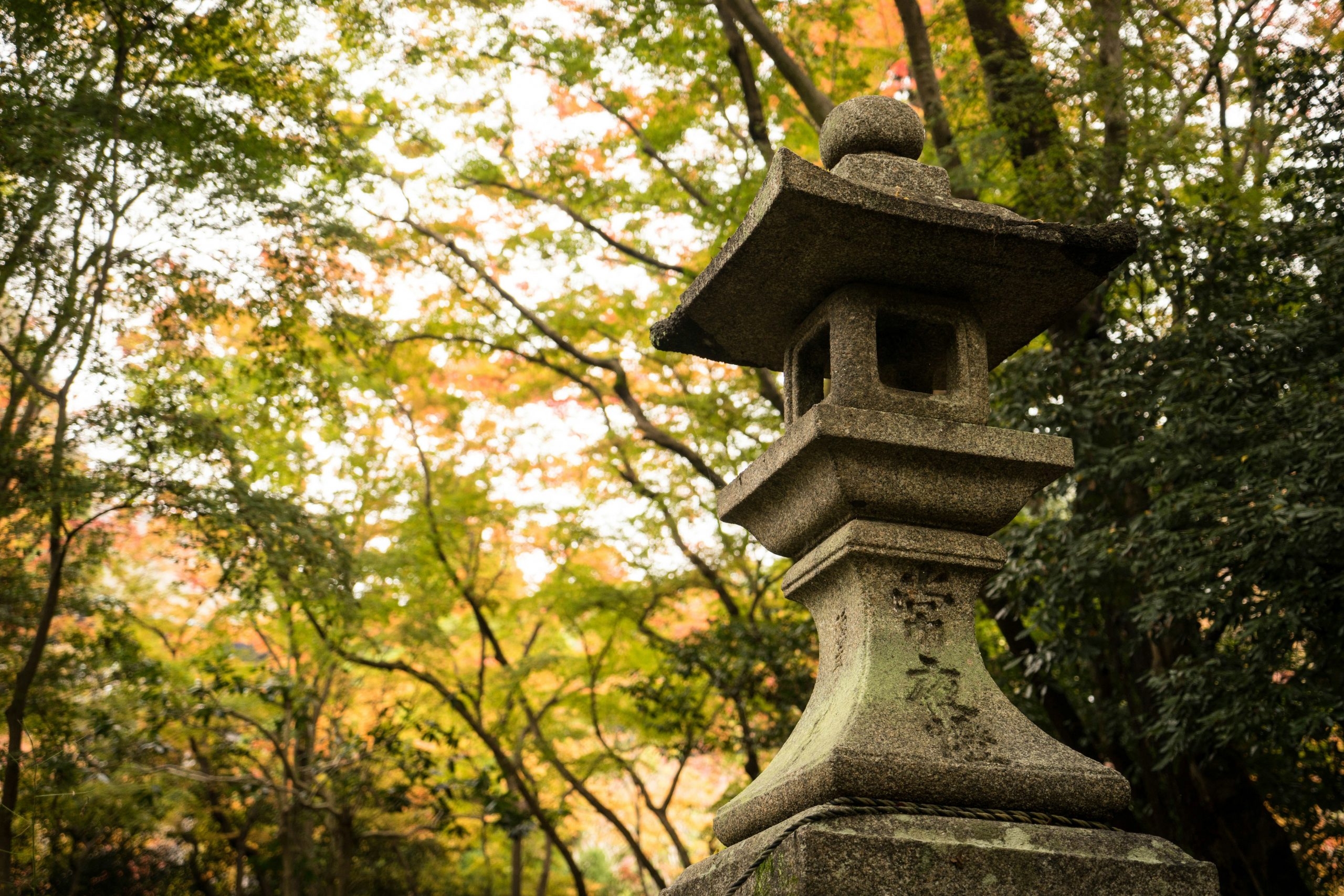
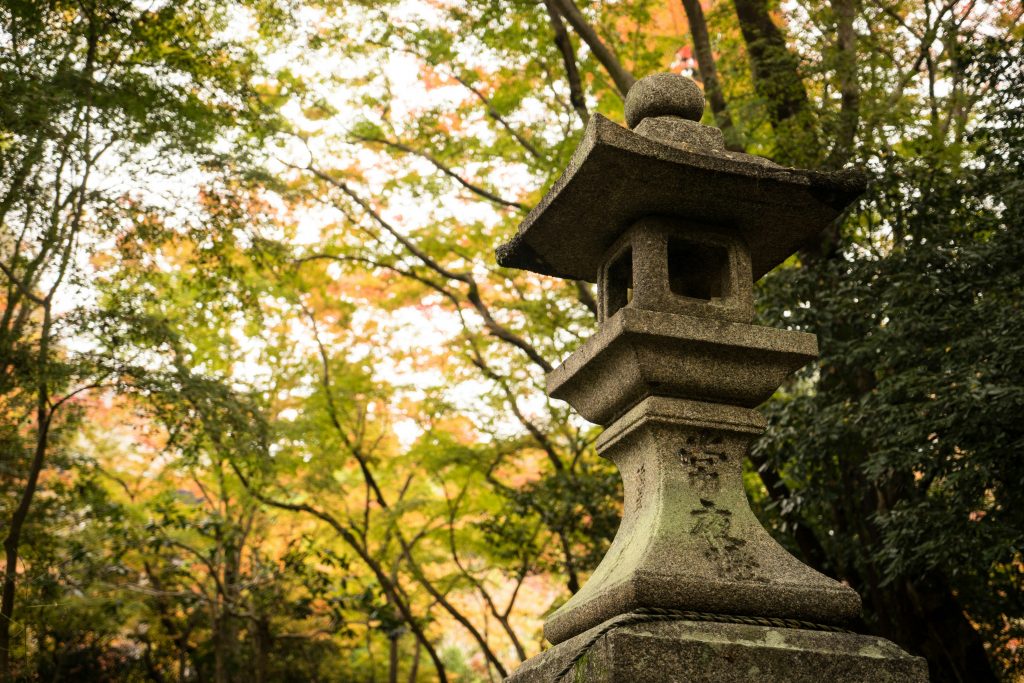
Kyoto, Japan – Nestled within the serene embrace of Daitoku-ji, a revered temple of the Rinzai Zen school in Kyoto, lies Juko-in, a subtemple whispered to hold echoes of the past. Renowned for its elegant main hall, its tranquil tea pavilion, and a particular stone lantern gracing its garden, Juko-in is more than just a place of spiritual contemplation. Tradition dictates that this very lantern marks the final resting place of Sen no Rikyu (1522-1591), the most influential tea master in Japanese history. Legend holds that Rikyu’s spirit lingers within the cool stone, and those who press their ear against it can still discern the faint, rhythmic sound of him meticulously preparing tea. This enduring narrative, a poignant blend of historical reverence and spectral mystique, continues to captivate visitors and scholars alike, offering a unique glimpse into the enduring legacy of a man who redefined an art form.
The story of Sen no Rikyu, or Sen no Yoshiro as he was known in his youth, begins in the bustling merchant city of Sakai. Born into a prosperous family, Yoshiro diverged from his father’s mercantile path, drawn instead to the spiritual discipline of Daitoku-ji in Kyoto. It was within the temple’s hallowed grounds that he embraced monastic life and adopted the name Sen no Rikyu. While immersed in the study of Buddhist scriptures, Rikyu found himself increasingly drawn to the burgeoning art of the Japanese tea ceremony, a practice that was rapidly gaining prominence throughout the era. His profound dedication and innate talent soon propelled him beyond mere proficiency, elevating him to the esteemed position of a tea master. His reputation grew so immense that he was eventually appointed as the personal tea instructor to Toyotomi Hideyoshi, the de facto ruler of Japan and the most powerful figure of the late Sengoku period.
The relationship between Rikyu and Hideyoshi, though initially one of patron and artist, was destined for a profound philosophical divergence. Hideyoshi, a man of grand ambitions and a keen appreciation for ostentatious display, sought to showcase his power and wealth through his patronage of the arts, including the tea ceremony. This led to their first significant clash when Hideyoshi commissioned the construction of a lavish, gilded tearoom within his castle. He then invited Rikyu to preside over a tea ceremony within this opulent setting, expecting a performance that would mirror the grandeur of the surroundings. Rikyu, however, found this proposition deeply discordant with his own aesthetic principles. He vehemently refused, arguing that such ostentation was fundamentally antithetical to the refined simplicity, understated elegance, and profound spiritual depth that defined his philosophy of wabi-cha, the way of tea.
This refusal marked a turning point, creating an irreconcilable rift between the two powerful men. Deeply troubled by the potential repercussions of defying Hideyoshi, Rikyu sought solace and counsel on the slopes of Mount Funaoka. Accompanied by his most trusted disciples, he walked in somber contemplation, the weight of his defiance pressing heavily upon him. It was during this melancholic journey that his gaze fell upon a weathered stone lantern, seemingly forgotten amidst the natural landscape. The lantern, perhaps ancient and imbued with a quiet resilience, seemed to resonate with Rikyu’s own state of mind. He paused, observing the lantern with an unusual intensity, before turning to his disciples with words that would echo through centuries: “Look carefully at this lantern. Remember it well, for when I die, I want it to serve as my tombstone.” His disciples, alarmed by the ominous pronouncement, readily agreed to honor his final wish, unaware of how swiftly that promise would be tested.
The somber prophecy of Sen no Rikyu was to be fulfilled with tragic swiftness. Within months of his declaration on Mount Funaoka, an event occurred that would seal his fate. The abbot of Daitoku-ji, seeking to honor the esteemed tea master, commissioned a statue of Rikyu and had it prominently installed above the temple gate. This act of veneration, intended as a tribute, was perceived by Hideyoshi as a profound insult. Enraged, Hideyoshi reportedly bellowed, “The abbot knows I visit Daitoku-ji regularly! Does he expect me to pass beneath the statue of a man who is beneath me in rank? This is an insult! Rikyu must pay with his life!” The perceived slight, amplified by Hideyoshi’s volatile temper and absolute authority, left Rikyu with no recourse.
On the twenty-eighth day of the second month in the nineteenth year of Tensho (1591), a messenger arrived with Hideyoshi’s fatal decree. Sen no Rikyu, accepting his destiny with characteristic grace and adherence to samurai principles, obeyed the order to perform seppuku, the ritualistic suicide by disembowelment. His severed head was subsequently displayed on the First Avenue Bridge, a stark and chilling testament to Hideyoshi’s unassailable power and swift retribution. However, Rikyu’s physical remains were entrusted to his devoted disciples. They carried out his burial in the tranquil garden of Jukoin, a subtemple within Daitoku-ji. True to their promise, the disciples retrieved the weathered stone lantern from Mount Funaoka and placed it reverently atop Rikyu’s grave, fulfilling his poignant request to have it serve as his final marker.
It was at this moment, as the lantern settled upon the earth, that the extraordinary began to unfold. A faint, rhythmic sound emanated from the vicinity of the grave. The disciples, initially startled, searched for its source, but found nothing outwardly apparent. Yet, the sound persisted, a soft, almost ethereal shaka, shaka. As they listened more intently, the sound began to take on a familiar resonance. It was the distinct, delicate rustle of a bamboo whisk, or chasen, stirring powdered matcha green tea within a ceramic bowl.
“It’s coming from the grave!” one of the disciples exclaimed, his voice tinged with awe and disbelief.
Hesitantly, he pressed his ear against the cool, unyielding surface of the stone lantern. The sound, undeniably, was emanating from within the very earth where their master lay buried. The faint shaka, shaka continued, an spectral echo of Rikyu’s lifelong dedication to his art. In death, the legendary tea master Sen no Rikyu, it seemed, had not abandoned his practice. He continued to perform his beloved tea ceremony, a ghostly symphony played out in the silent garden of Jukoin, forever enshrined by the lantern he had chosen as his tombstone.
This legend, passed down through generations, highlights the profound impact Sen no Rikyu had on Japanese culture and aesthetics. His philosophy of wabi-cha emphasized humility, impermanence, and the appreciation of simple, natural beauty, a stark contrast to the opulent displays favored by many of his contemporaries and patrons, including Hideyoshi. Rikyu’s influence extended beyond the realm of tea, shaping Japanese design, architecture, and the overall appreciation for the understated. His insistence on the spiritual and philosophical dimensions of the tea ceremony transformed it from a mere social custom into a profound meditative practice.
The historical context surrounding Rikyu’s life and death is crucial to understanding the enduring power of his story. The late 16th century in Japan was a period of intense political upheaval and consolidation of power. Toyotomi Hideyoshi, after unifying the country, was a ruler who demanded absolute loyalty and was notoriously sensitive to any perceived challenge to his authority. Rikyu’s artistic and philosophical integrity, while admirable, placed him in a precarious position within this volatile political landscape. His defiance of Hideyoshi’s taste for extravagance was not merely an aesthetic disagreement but a subtle challenge to the ruler’s vision and, by extension, his power.
The tale of the ghostly tea master also speaks to the Japanese cultural inclination to find spiritual resonance in everyday objects and natural elements. The concept of tsukumogami, spirits inhabiting old objects, is a recurring theme in Japanese folklore. Rikyu’s lantern, chosen by him and imbued with his spirit, becomes a powerful symbol of this belief. The subtle sounds emanating from it are interpreted not as mere auditory illusions but as tangible manifestations of his enduring essence and his unwavering commitment to the Way of Tea.
Background and Historical Context
Sen no Rikyu, born Sen Soeki, was a pivotal figure in the development of the Japanese tea ceremony. He served as the tea master to both Oda Nobunaga and Toyotomi Hideyoshi, the two most powerful warlords of the late 16th century. Rikyu is credited with perfecting the principles of wabi-cha, an aesthetic that values simplicity, austerity, and the appreciation of imperfection. This philosophy stood in stark contrast to the earlier, more elaborate tea gatherings associated with the samurai elite. Rikyu’s innovations included the use of rustic, unpretentious tea bowls, the design of small, humble tea houses, and the emphasis on the spiritual and meditative aspects of the ceremony. His influence was so profound that he is often considered the most important figure in the history of the tea ceremony, elevating it from a social pastime to a spiritual discipline.
Chronology of Key Events
- 1522: Sen no Rikyu (born Sen Yoshiro/Soeki) is born in Sakai.
- Early Life: Enters Daitoku-ji in Kyoto, becomes a monk, and begins his study of the tea ceremony.
- Mid-Life: Becomes a renowned tea master and is appointed tea instructor to Toyotomi Hideyoshi.
- c. 1587: Hideyoshi commissions a gilded tearoom and requests Rikyu to host a ceremony, leading to their first major philosophical dispute.
- c. 1590: Rikyu, seeking solace on Mount Funaoka, selects a stone lantern to serve as his future tombstone.
- 1591 (Tensho 19): The abbot of Daitoku-ji commissions a statue of Rikyu and places it above the temple gate, angering Hideyoshi.
- 1591: Hideyoshi orders Rikyu to commit seppuku.
- 1591: Rikyu performs ritual suicide. His head is displayed publicly, and his body is buried in Jukoin.
- Post-Burial: Disciples retrieve the stone lantern from Mount Funaoka and place it on Rikyu’s grave, reportedly hearing the sounds of tea preparation.
- Present Day: The stone lantern remains at Jukoin, a site of pilgrimage and a testament to the enduring legend of Sen no Rikyu.
Supporting Data and Cultural Significance
The art of the Japanese tea ceremony, chanoyu, is deeply interwoven with Zen Buddhism, emphasizing mindfulness, respect, purity, and tranquility. Rikyu’s wabi-cha style is particularly aligned with Zen principles, advocating for an austere aesthetic that strips away material distractions to focus on inner peace and the present moment. The four principles of wa, kei, sei, jaku (harmony, respect, purity, and tranquility) are central to the practice. Rikyu’s teachings instilled these values, making the tea ceremony a form of moving meditation. The continued practice and study of chanoyu globally, with numerous schools and practitioners dedicated to preserving its traditions, underscores Rikyu’s lasting impact. His influence is not confined to the tea room; it has shaped Japanese aesthetics in architecture, garden design, ceramics, and even culinary arts. The enduring appeal of wabi-sabi, the aesthetic of finding beauty in imperfection and transience, can be traced back to Rikyu’s philosophical underpinnings.
Analysis of Implications
The legend of Sen no Rikyu’s spectral presence in the lantern serves as a potent metaphor for the enduring power of artistic and philosophical integrity. Even in death, Rikyu’s dedication to his principles is depicted as unyielding, a silent testament to the transformative power of his life’s work. This narrative reinforces the cultural veneration of masters who embody their art form so completely that their spirit is perceived to transcend mortal existence. Furthermore, the story highlights the Japanese tendency to imbue objects and places with spiritual significance, transforming historical events into living folklore. The lantern, a simple stone object, becomes a vessel for memory, a conduit to the past, and a symbol of eternal dedication. In a broader sense, the legend of the ghostly tea master can be seen as a reflection of the human desire to find continuity and meaning beyond life’s finite boundaries, particularly through the enduring legacy of art and spirit. The persistent echo of the whisking sound offers a comforting, albeit spectral, continuation of a practice that brought solace and enlightenment to many, ensuring that Sen no Rikyu’s Way of Tea continues to be heard, even from beyond the veil.
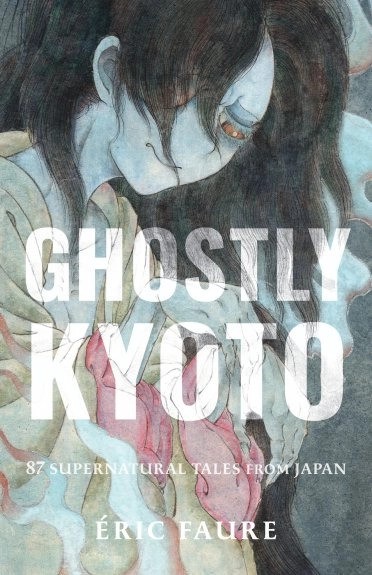
The tale, as recounted in works like Ghostly Kyoto, by Eric Faure, continues to resonate, inviting contemplation on the intersection of history, spirituality, and the enduring power of human artistry. The tranquil garden of Jukoin, marked by the silent presence of the stone lantern, remains a focal point for those seeking a deeper understanding of Sen no Rikyu, the man, and the legend he became.

