

The specter of Alzheimer’s disease, a progressive neurodegenerative disorder that robs individuals of their memory and cognitive function, looms large over global public health. While genetic predispositions, such as carrying the APOE e4 allele, are well-established risk factors, research increasingly points to environmental exposures as significant contributors. Among these, the breakdown products of certain pesticides have emerged as a particular area of concern, with studies suggesting they may elevate Alzheimer’s risk to a degree comparable to inheriting the APOE e4 gene. This article delves into the scientific evidence linking pesticide residues to Alzheimer’s disease, explores the mechanisms involved, and examines the broader implications for public health policy and individual choices.
The Multifaceted Nature of Alzheimer’s Risk
For decades, the focus on Alzheimer’s disease risk has been heavily weighted towards genetics. It is true that a growing list of genes has been identified as susceptibility factors. However, these genetic markers account for less than half of all diagnosed cases, underscoring the crucial role of non-genetic influences. The compelling evidence from identical twin studies offers a striking illustration of this point. When one identical twin develops Alzheimer’s, the other often does not, despite sharing the exact same genetic blueprint. This observation strongly suggests that environmental factors and lifestyle choices play a pivotal role in determining an individual’s likelihood of developing the disease. Understanding these modifiable factors is paramount in the quest to prevent and mitigate Alzheimer’s.

Chlorinated Pesticides and Their Troubling Associations
Among the environmental factors under scrutiny, a class of chemicals known as chlorinated pesticides, particularly DDT (dichlorodiphenyltrichloroethane) and its metabolite DDE (dichlorodiphenyldichloroethylene), have drawn significant attention. The U.S. Environmental Protection Agency (EPA) has classified DDE as a probable human carcinogen, highlighting its inherent toxicity. While initial research focused on the link between these pesticides and increased cancer mortality, subsequent studies have revealed a more complex and concerning association.
A notable study indicated that elevated blood levels of DDE and other pesticides were not primarily linked to an increased risk of cancer, but rather to a higher risk of "other-cause mortality." This finding prompted researchers to speculate about underlying mechanisms that might contribute to a broader range of chronic diseases, including diabetes and dementia. The connection between pesticide exposure and diabetes has been explored previously, but the potential link to dementia, and specifically Alzheimer’s disease, warrants deeper investigation.
Rutgers Study: Unveiling a Direct Link to Alzheimer’s
A significant breakthrough in understanding this connection came from a research team at Rutgers University. Their study, published in a peer-reviewed journal, found significantly higher blood levels of DDE in individuals diagnosed with Alzheimer’s disease when compared to a control group. This direct correlation suggests that exposure to this pesticide metabolite may be a tangible contributor to the development of the disease.
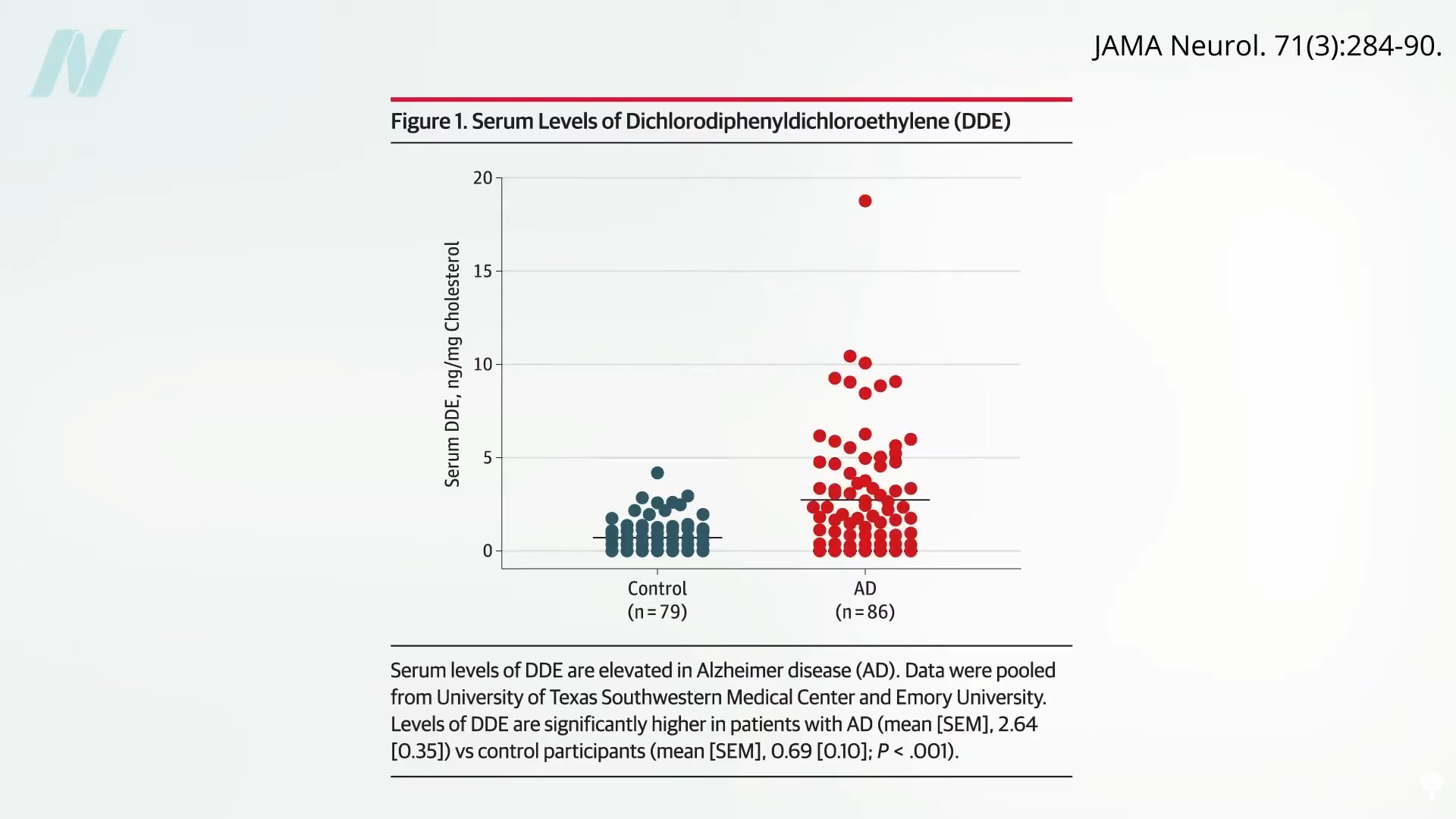
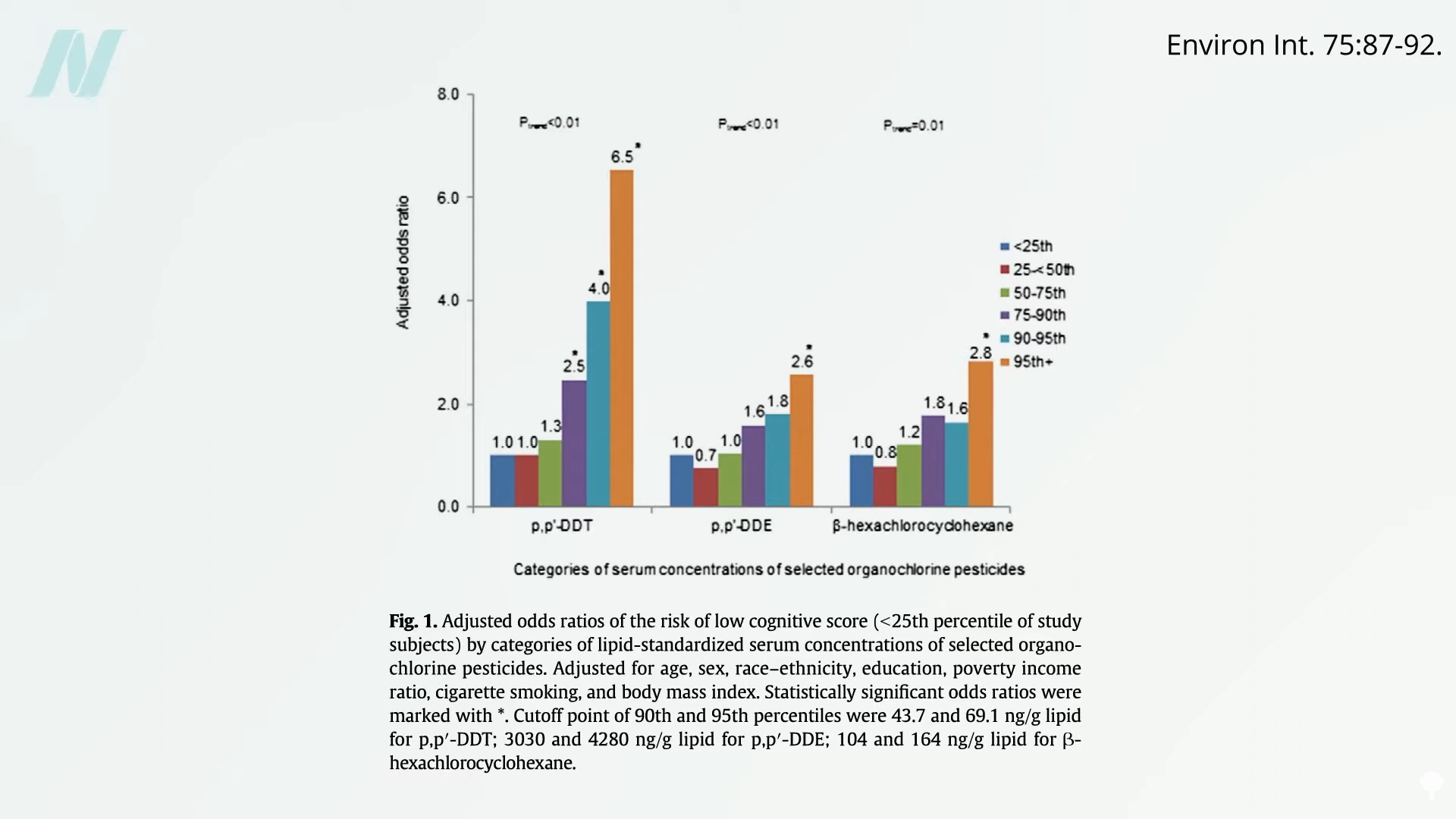
The study’s findings were further corroborated by autopsy data, which demonstrated that blood levels of DDE serve as a reliable proxy for brain levels of the chemical. The results were particularly striking: individuals with the highest concentrations of DDE in their systems were approximately four times more likely to have dementia attributed to Alzheimer’s disease. This quadrupled risk is substantial and positions DDE as a potent environmental risk factor, on par with genetic predispositions like carrying the APOE e4 gene.
Unraveling the Biological Mechanism: Amyloid Precursor Protein
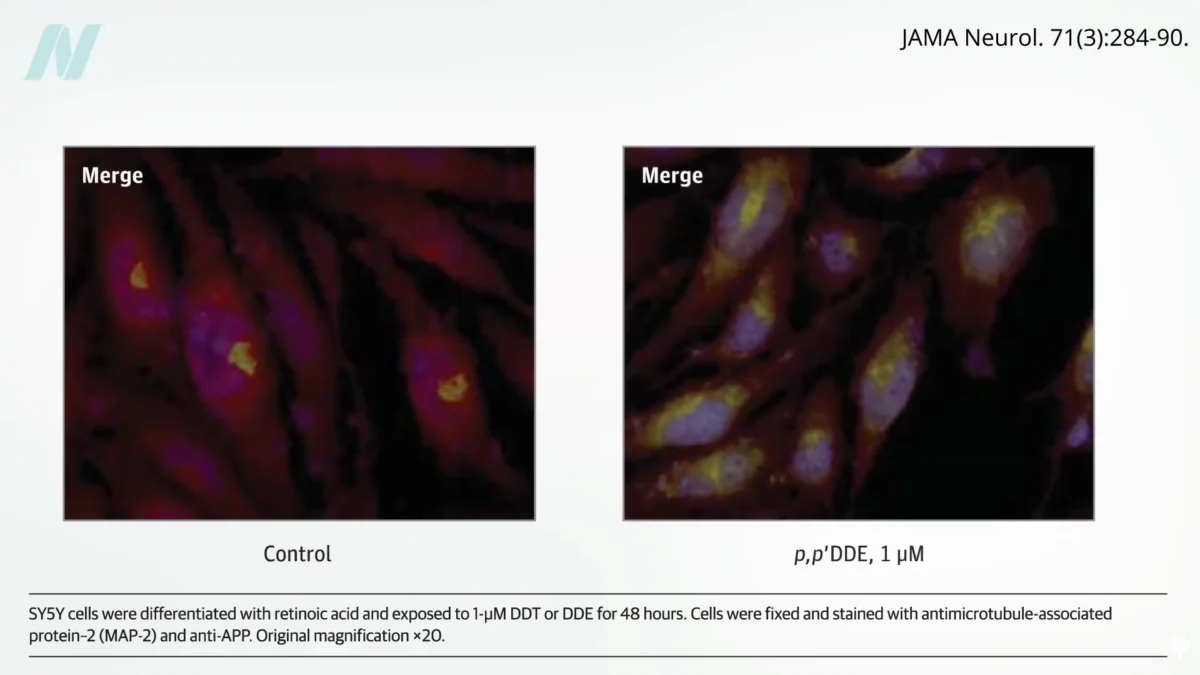
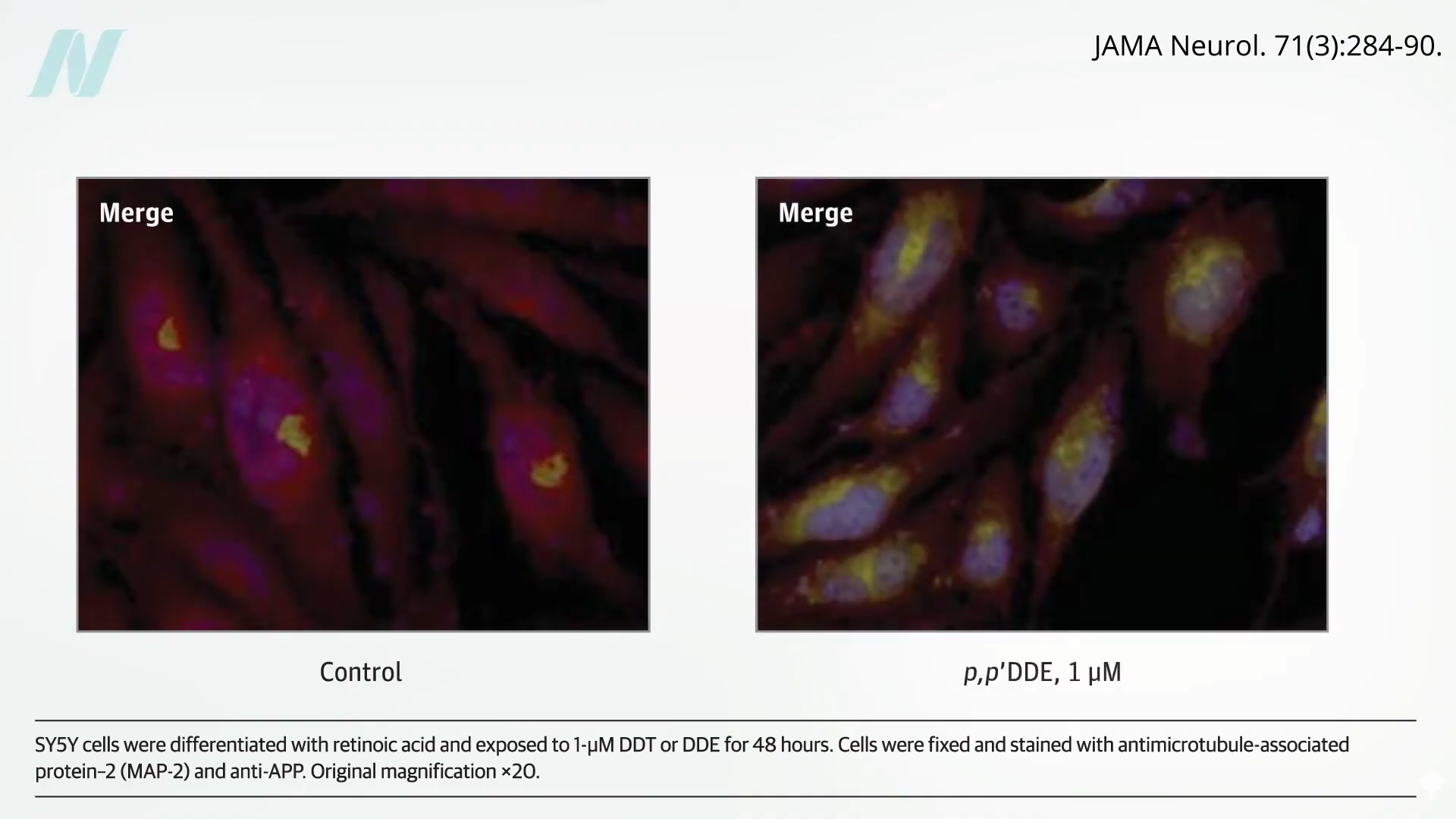
To understand how DDE might contribute to Alzheimer’s pathology, researchers explored its effects at a cellular level. In laboratory experiments using human brain cells in a petri dish, DDE was found to increase the levels of amyloid precursor protein (APP). APP is a protein that, when cleaved, produces amyloid-beta peptides. These peptides are the primary component of amyloid plaques, one of the hallmark pathological features of Alzheimer’s disease. The accumulation of these sticky protein fragments in the brain disrupts neuronal function and leads to cell death. The observation that DDE directly influences APP levels in brain cells provides a plausible biological mechanism for its association with Alzheimer’s disease. Visual representations of these findings, showing increased levels of the implicated protein before and after DDE exposure in laboratory settings, offer compelling visual evidence of this effect.
Broader Evidence and Increased Risk of Dementia
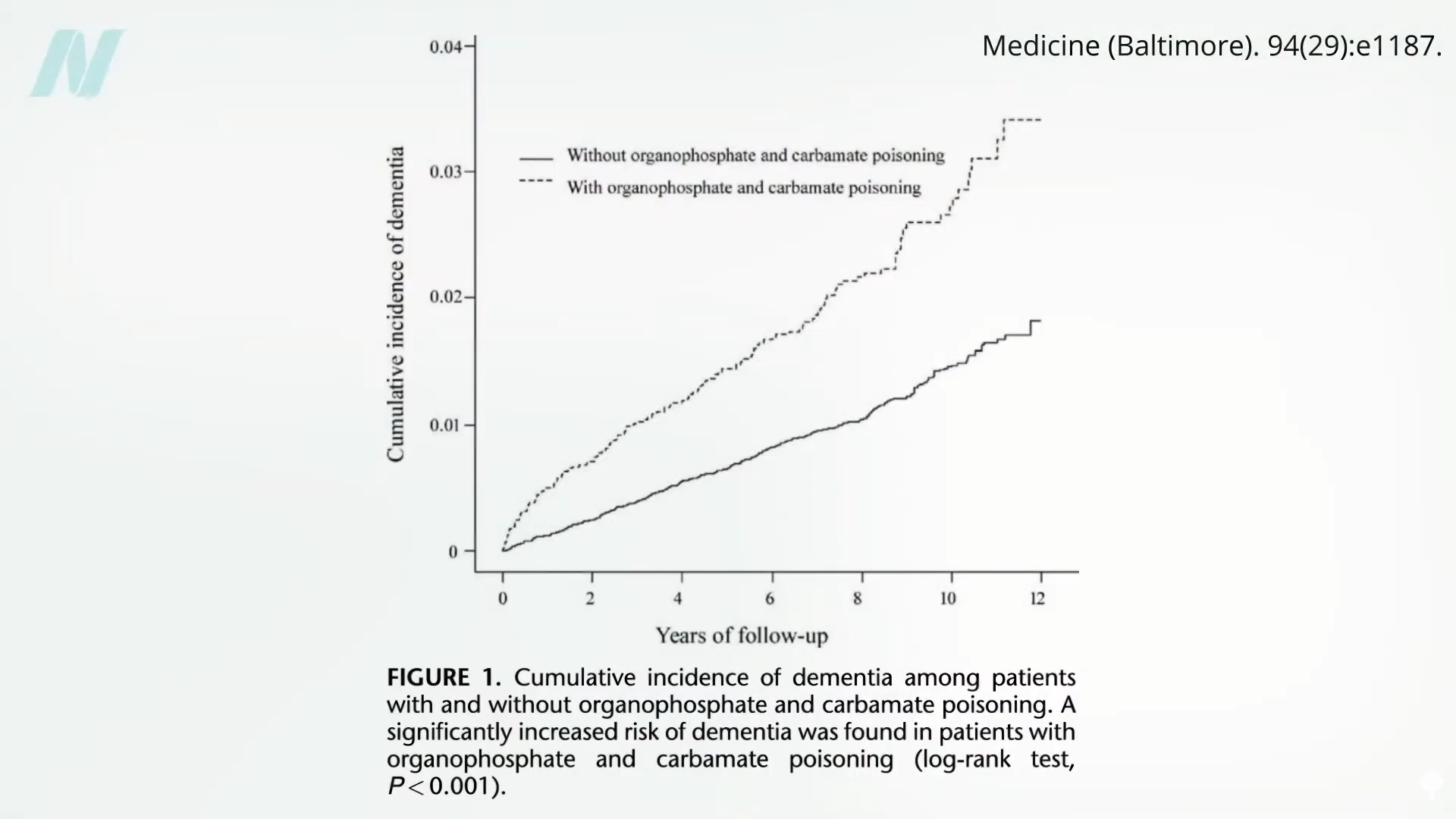
The Rutgers study, while significant, is not an isolated finding. When viewed in conjunction with other research, a consistent link between pesticide exposure and dementia becomes evident. Data showing approximately a doubling of the risk for developing dementia among individuals who have experienced acute pesticide poisoning further strengthens this association. This suggests that not only chronic, low-level exposure but also significant acute exposure to pesticides can have profound and lasting effects on cognitive health.
Furthermore, studies focusing on older adults in the United States have established a link between the presence of DDT and its breakdown product DDE and an increased risk of general cognitive decline. This broader impact on cognitive function, extending beyond Alzheimer’s specifically to encompass a general decline in mental acuity, indicates a widespread neurotoxic effect of these persistent environmental contaminants.
The Lingering Legacy of DDT: Persistence in the Environment and the Body
The widespread use of DDT in the United States spanned several decades, from the 1940s through the early 1970s. During its peak usage, an astonishing 180 million pounds of DDT were produced annually. Although banned for agricultural use in the U.S. in 1972, its environmental persistence means that DDT and its breakdown product DDE continue to reside in our ecosystems and, consequently, in our bodies. Studies have revealed that over 90% of Americans have detectable levels of these chemicals in their bloodstreams. DDE, the metabolite most strongly linked to quadrupling the odds of Alzheimer’s, is found at the highest concentrations among these persistent pollutants.
The continued presence of these chemicals in our bodies is largely due to their ongoing contamination of the food supply. DDT and its related compounds are lipophilic, meaning they accumulate in fatty tissues. This characteristic leads to biomagnification, where concentrations increase as they move up the food chain.
Dietary Choices and Toxin Accumulation
Research has highlighted the significant differences in pesticide and pollutant levels found in various food sources. A comparison between breast milk from a vegetarian mother and her non-vegetarian sister revealed substantially lower levels of DDT, DDE, and other banned pesticides and pollutants in the vegetarian mother’s milk. The most pronounced difference was observed for DDE, which was found to be four times lower in the vegetarian sister.
This finding is consistent with broader observations across different food categories. Studies analyzing food samples collected from supermarkets across the United States have consistently shown higher levels of persistent organic pollutants, such as dioxins and PCBs, in animal products compared to plant-based foods. Specifically, toxin levels were found to be five to ten times higher in meat, eggs, fish, and dairy products when contrasted with all plant foods combined.
The implications of this are profound for dietary recommendations aimed at reducing exposure to these harmful compounds. Since these toxins bioaccumulate in the food chain, animal-based foods represent a significant source of exposure. Unfortunately, the persistence of these pollutants means that common cooking methods do not effectively eliminate them; in some cases, cooking can even lead to a more concentrated presence of these chemicals in the food.
The Magnitude of the Risk: A Genetic Parallel
The link between DDE exposure and an increased risk of Alzheimer’s disease is particularly concerning when considering its magnitude. As established, elevated DDE levels have been associated with a risk of Alzheimer’s comparable to that conferred by carrying the APOE e4 gene, a well-recognized genetic risk factor. This parallel underscores the potent impact of environmental exposures on neurodegenerative disease development. It suggests that individuals may face a dual threat: a genetic predisposition that may be exacerbated by environmental factors, or a significant risk elevated solely by environmental contamination.
Implications for Public Health and Future Research
The accumulating evidence linking pesticide breakdown products, particularly DDE, to an increased risk of Alzheimer’s disease and general cognitive decline carries significant implications for public health.
- Policy and Regulation: The findings highlight the need for continued rigorous oversight and potential re-evaluation of regulations surrounding the use and legacy of persistent organic pollutants. While DDT is banned in many countries, its enduring presence in the environment and food chain necessitates ongoing monitoring and remediation efforts.
- Public Awareness and Education: Educating the public about the potential risks associated with pesticide residues in food and the environment is crucial. Empowering individuals with knowledge about dietary choices that can minimize exposure is a vital step in preventative health.
- Further Research: Continued research is essential to fully elucidate the complex mechanisms by which pesticides contribute to neurodegeneration. Understanding these pathways could lead to the development of targeted interventions and therapies. Exploring the synergistic effects of multiple environmental exposures and genetic predispositions will also be critical.
- Dietary Recommendations: The data strongly supports the recommendation to prioritize plant-based foods in the diet to reduce exposure to bioaccumulative toxins. This aligns with broader public health messages advocating for healthier, more sustainable eating patterns.
Conclusion: A Call for Vigilance
The connection between pesticide breakdown products and Alzheimer’s disease is no longer a speculative theory but a growing area of scientific consensus. The persistence of chemicals like DDE in our environment and bodies, coupled with their demonstrated ability to influence key pathological processes in the brain, presents a tangible threat to cognitive health. While genetics plays a role, the substantial impact of environmental factors like pesticide exposure underscores the importance of a holistic approach to Alzheimer’s prevention. By understanding these risks, making informed dietary choices, and advocating for stronger environmental protections, individuals and societies can take proactive steps to mitigate the burden of this devastating disease. The evidence suggests that reducing our exposure to these legacy pollutants may be as critical to brain health as understanding our genetic predispositions.

